


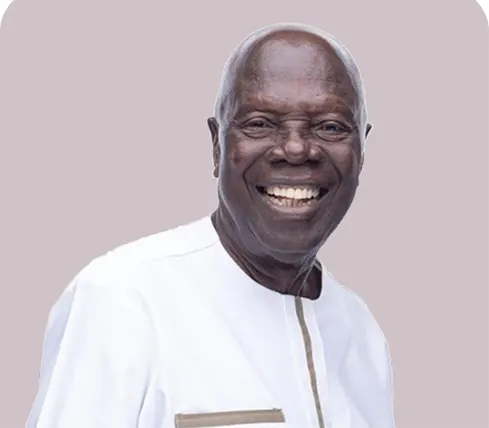
Africa’s path to sustainable economic transformation hinges not merely on the exchange of goods and capital but on the seamless movement of people, skills, and ideas across borders. This perspective was underscored by Dr. Ishmael Yamson, a distinguished member of Ghana’s Presidential Advisory Group on the Economy, during his keynote address at the Kgalema Motlanthe Winter Seminar 2026 in Johannesburg. The seminar, themed “Migration as a Catalyst for African Integration, Innovation, and Shared Prosperity,” provided a platform for policymakers, economists, and industry leaders to reimagine migration as a strategic driver of continental development rather than a mere challenge.
Historical Foundations of Mobility-Driven Growth
Dr. Yamson highlighted that Africa’s economic resilience has long been shaped by the cross-border mobility of its people. Long before the advent of modern systems like passports, digital payments, or corporate banking, traders across West Africa thrived by establishing dynamic economic networks through informal yet highly effective mobility. These networks were not merely transactional but fostered cultural exchange, skill transfer, and the creation of vibrant regional markets.
A prime example cited was the centuries-old trade relationships between Ghanaian traders and Yoruba merchants. Beyond mere commerce, these interactions led to settlement patterns, linguistic adaptation, intermarriage, and the establishment of bustling markets. Dr. Yamson emphasized that such mobility was not a burden but a source of economic vitality, proving that when Africans cross borders, they do not impose scarcity—they expand markets and opportunities.
“People move where opportunity exists. Our task is not to restrict movement but to ensure Africa generates enough opportunities for its people, regardless of where they choose to live and work.”
AfCFTA and the Imperative of Skills Mobility
While the African Continental Free Trade Area (AfCFTA) has been hailed as a landmark initiative to reduce trade barriers, Dr. Yamson argued that its success will ultimately depend on more than just tariff reductions. For true continental integration, Africa must prioritize:
– Skills mobility – Ensuring workers can access opportunities across borders.
– Infrastructure development – Improving transport, energy, and digital connectivity.
– Financial integration – Facilitating seamless cross-border transactions.
– Social cohesion – Mitigating tensions arising from migration.
“Goods do not trade themselves; people trade. Entrepreneurs trade. Innovators trade. Ideas trade. The future of African integration is as much about policy as it is about people,” he stated.
Despite AfCFTA’s potential, intra-African trade remains far below levels seen in comparable regions. The seminar underscored that true economic integration requires more than policy frameworks—it demands a continental mindset where human capital and innovation flow freely.
Africa’s Demographic Dividend: Opportunity or Challenge?
With 70% of Africa’s population under the age of 30, the continent stands at the precipice of a demographic dividend—a once-in-a-lifetime opportunity to harness youthful energy for economic growth. However, Dr. Yamson warned that this potential could backfire without strategic investments.
“Demographics alone do not create prosperity. Prosperity emerges when talent meets opportunity,” he noted.
To unlock this potential, Africa must:
1. Invest in education and vocational training – Equipping young people with market-relevant skills.
2. Strengthen entrepreneurship ecosystems – Providing access to finance, mentorship, and business infrastructure.
3. Enhance digital capabilities – Ensuring youth can participate in the global digital economy.
4. Build innovation hubs – Fostering startups, research, and technology transfer.
Without these measures, Africa risks wasting its youthful population as migration pressures intensify—not out of choice, but out of necessity.
Migration as a Choice, Not a Necessity
A recurring theme in the seminar was the misconception that migration is inherently problematic. Dr. Yamson countered this narrative by arguing that forced migration often stems from systemic failures—such as lack of jobs, poor education, and weak economic opportunities.
“When young people have access to quality education, productive employment, entrepreneurial opportunities, reliable infrastructure, digital connectivity, and efficient markets, migration becomes a choice—not a survival strategy,” he explained.
This perspective aligns with broader discussions on managed migration, where policy frameworks—rather than restrictive measures—can harness mobility for economic growth.
The Kgalema Motlanthe Winter Seminar: A Blueprint for the Future
The Kgalema Motlanthe Winter Seminar, organized by the Kgalema Motlanthe Foundation in partnership with MTN Group, brought together government officials, diplomats, business leaders, academics, and civil society representatives. The event aimed to:
– Reframe migration narratives beyond crisis-driven discourse.
– Explore migration’s role in trade, investment, and innovation.
– Develop actionable strategies for social cohesion and continental integration.
By positioning migration as a strategic asset rather than a liability, the seminar provided a roadmap for Africa’s leaders to leverage human mobility as a cornerstone of economic transformation.
Conclusion: Building a Connected, Competitive Africa
Dr. Yamson’s insights reinforced a critical truth: Africa’s future is not isolated. No single nation—regardless of size or resources—can achieve its full potential in isolation. The continent’s fragmented markets, underdeveloped infrastructure, and interconnected challenges demand a unified approach.
The path forward lies in:
✔ Removing barriers to skills and capital mobility.
✔ Investing in youth development to turn demographics into dividends.
✔ Strengthening regional integration through AfCFTA and beyond.
✔ Fostering innovation ecosystems that thrive on cross-border collaboration.
As Dr. Yamson concluded:
“The future of Africa is not about walls—it’s about bridges. The bridges we build today will determine whether our continent rises as a unified economic power or remains fragmented in its potential.”
