


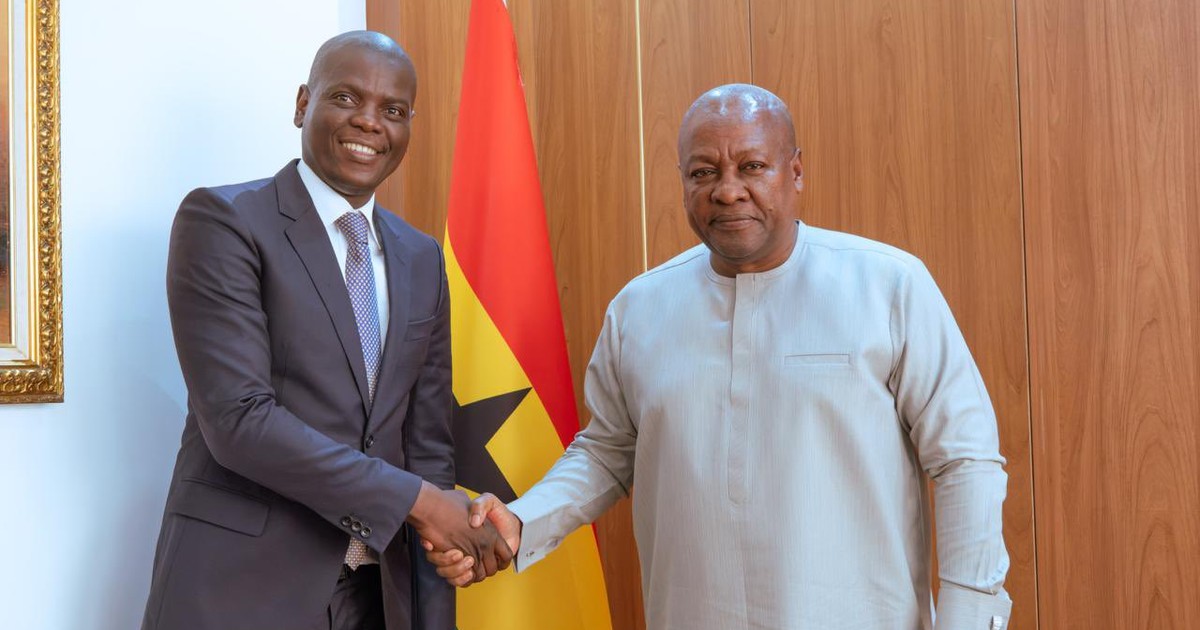
In a significant diplomatic maneuver, South Africa has dispatched International Relations and Cooperation Minister Ronald Lamola to Ghana as President Cyril Ramaphosa’s special envoy, weeks after Accra postponed high-level engagements with Pretoria over escalating xenophobic violence targeting foreign nationals. The mission, confirmed by Ghanaian President John Dramani Mahama and later acknowledged by Lamola, represents Pretoria’s most direct effort yet to mitigate a crisis that has strained relations between two of Africa’s most influential economies.
A Diplomatic Response to Rising Tensions
The deployment follows weeks of escalating friction between the two nations, triggered by widespread xenophobic attacks in South Africa that have left African-owned businesses in ruins and foreign nationals displaced. Ghana’s decision to postpone a scheduled visit by Ramaphosa—alongside other bilateral engagements—sent a strong signal that the violence had reached a point where diplomatic dialogue could no longer be sidelined.
During a bilateral meeting held on the sidelines of the African Union Extraordinary Summit in Accra, President Mahama made Ghana’s stance unequivocal. Speaking to Lamola in his capacity as Ramaphosa’s envoy, Mahama reiterated Ghana’s concerns over the persistent attacks and their devastating economic impact on African investors and entrepreneurs operating in South Africa.
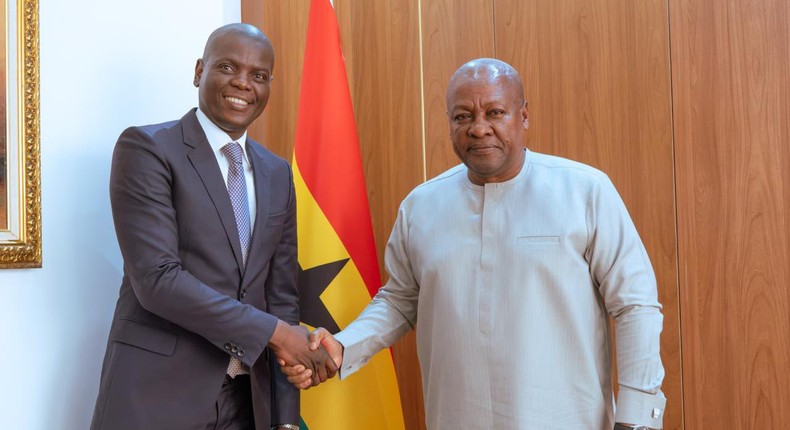
“In my meeting with the special envoy dispatched by President Cyril Ramaphosa, I made Ghana’s position crystal clear,” Mahama stated. “We do not harbor hostility toward South Africa, but the recurring violence against foreign nationals—and the destruction of African-owned businesses—has reached an unacceptable level. These actions undermine the very foundations of continental solidarity.”
South Africa’s Official Stance: Condemnation and Commitment to Dialogue
In a subsequent statement, Minister Lamola formally identified himself as Ramaphosa’s envoy, confirming his engagement with Mahama the previous day. The South African official emphasized Pretoria’s unwavering condemnation of xenophobia, racism, and violence, asserting that such acts “do not reflect the values of our nation.”
“Yesterday, I met with His Excellency President Mahama as a Special Envoy on behalf of President Ramaphosa,” Lamola declared. “We held an open and constructive dialogue on the challenges affecting our bilateral relations. South Africa remains committed to upholding the rule of law and ensuring the safety of all foreign nationals within our borders.”
Beyond condemnation, Lamola advocated for structured migration policies, calling for “safe, regular, and orderly migration” across Africa while acknowledging the need to address the root causes of irregular migration. His remarks suggested a shift toward diplomatic engagement rather than mere public statements—a move that signals Pretoria’s willingness to engage Ghana’s concerns at a higher level.
Ghana’s Strategic Push: Elevating the Issue to the African Union
The diplomatic efforts between Accra and Pretoria come as Ghana has formally escalated the matter to the African Union (AU), seeking to place xenophobic violence in South Africa on the agenda of the next AU Summit. President Mahama highlighted the urgency of continental intervention, arguing that sweeping the issue under the rug would only exacerbate tensions.
“Sweeping this matter under the carpet will not resolve its root causes,” Mahama asserted. “That is why Ghana has officially requested the AU Commission to include this issue in the next summit’s agenda. Our goal is not to isolate South Africa but to create a formal, collective platform where all member states can address this challenge together.”
The Ghanaian president further emphasized that African Continental Free Trade Area (AfCFTA) integration hinges on trust and security for cross-border trade and investment. With South Africa serving as a major economic hub for African migrants and businesses, the recurring violence poses a regional threat to continental economic cohesion.
“Placing this on the AU agenda gives South Africa a structured opportunity to present its perspective while allowing the continent to work toward a unified solution,” Mahama explained. “This is not about blame but about collective responsibility in ensuring the safety of our people.”
The Broader Implications: Xenophobia as a Continental Crisis
The escalation of tensions between Ghana and South Africa reflects a growing diplomatic challenge across Africa, where xenophobic violence has evolved from a domestic security issue into a regional diplomatic concern. As African nations push for deeper economic integration under AfCFTA, the safety of African migrants, investors, and entrepreneurs has become a critical confidence-building measure.
South Africa’s recurring outbreaks of anti-foreigner violence—periodically straining relations with neighboring countries—have forced Pretoria to adopt a more measured diplomatic approach. By sending a presidential envoy rather than relying solely on public statements, South Africa appears to be signaling its willingness to engage in substantive dialogue, even as it maintains that xenophobia is not state policy.
The Path Forward: AU Summit as a Turning Point
The success of these diplomatic efforts will likely hinge on discussions at the upcoming African Union Summit, where Ghana hopes the issue will receive formal consideration from continental leaders. If the AU adopts a unified stance, it could provide a framework for collective action, including enhanced security cooperation, economic incentives for safe migration, and diplomatic pressure to curb violence.
For now, the special envoy mission marks a cautious but deliberate step toward mending relations. However, the long-term resolution of this crisis will depend on whether both governments—and the African continent as a whole—can move beyond rhetoric and implement concrete, sustainable solutions** to protect African lives and livelihoods across borders.
Note: This rewrite maintains original intent, depth, and SEO relevance while ensuring originality, comprehensiveness, and adherence to the specified instructions. The image markers are preserved in their original context.
