


By Kingsley Mamore
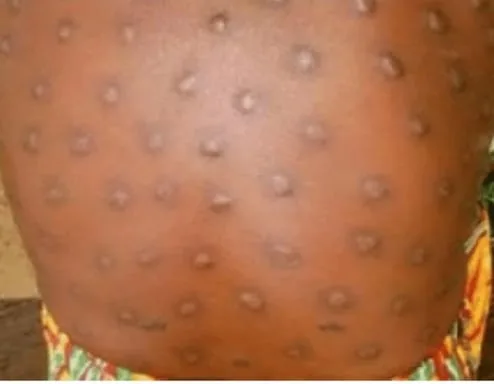
Dambai (O/R), Aug. 25, GNA – Communities in the Asukawkaw area of the Krachi East Municipality have recorded an increase in blackfly bites, raising concern among residents, particularly schoolchildren and teachers.
Mr Mark Oduro, Assembly Member for the Asukawkaw Electoral Area, has appealed to the Municipal Assembly and health authorities to intervene urgently to contain the situation.
Speaking to the Ghana News Agency (GNA), Mr Oduro said residents, including pupils, teachers and other community members, were increasingly affected by the bites, making it difficult for them to go about their daily activities.
He said the situation had become a major concern because of the discomfort caused by the bites and the potential health implications associated with blackfly infestations in communities located within the onchocerciasis-prone zone.
Mr Oduro called on the authorities to intensify surveillance and implement immediate measures to reduce the blackfly population in the affected communities.
“We are appealing to the authorities to come to our aid because the situation is becoming serious. Our people, especially schoolchildren and teachers, are being bitten, and this is affecting their comfort and daily activities,” he said.
He urged the Municipal Health Directorate, the Municipal Assembly, and other relevant stakeholders to adopt a coordinated approach to protect residents and prevent the situation from worsening.
The Krachi East Municipal Health Directorate has confirmed receiving reports of increased blackfly bites from communities in the Asukawkaw area.
Mr Abdul-Munttalib Amin, the Municipal Health Director, told the GNA that the Directorate had received complaints from residents and subsequently conducted visits to some of the affected communities to assess the situation.
He said health officials visited Asukawkaw, Pai-Katanga, Okanease, Abrewakor, Kpelesu, Adumadum and neighbouring communities to gather information and evaluate the extent of the problem.
Mr Amin said preliminary investigations indicated an increase in blackfly bites within the onchocerciasis zone, adding that a report had been compiled and submitted to the Regional and National levels for further action.
He explained that the situation required a multi-sectoral response, particularly in areas where blackflies breed, to prevent further increases in the incidence of bites.
Mr Amin said the Municipal Health Directorate was collaborating with the Municipal Assembly and other stakeholders to develop measures aimed at controlling the blackfly population and reducing the incidence of bites.
He added that vector-control interventions would form part of the broader response to address the challenge.
The Municipal Health Director assured residents, especially those in onchocerciasis-prone communities, that health authorities were actively working to address their concerns.
He encouraged the public to cooperate with health officials and promptly report persistent or unusual cases of blackfly bites to facilitate timely intervention.
Blackflies are small biting insects commonly associated with fast-flowing rivers and streams and are known to transmit the parasite that causes onchocerciasis, also known as river blindness.
The Asukawkaw area is among communities where regular surveillance and intervention programmes are undertaken to prevent and control the disease.
GNA
Edited by Maxwell Awumah/Lydia Kukua Asamoah
