


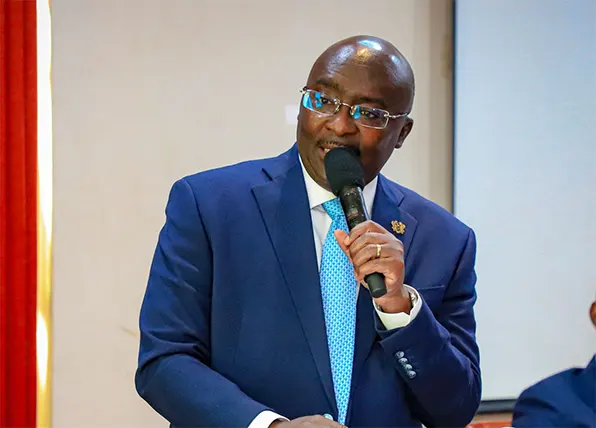
In the wake of devastating floods that have submerged neighborhoods, disrupted transportation networks, and displaced thousands across parts of Accra, the New Patriotic Party (NPP) presidential candidate, Dr. Mahamudu Bawumia, has extended heartfelt condolences to the affected population while urging calm and cooperation with emergency response efforts.
In a public statement released early this morning, Dr. Bawumia expressed profound concern over the scale of the disaster, which has left many residents grappling with the loss of homes, livelihoods, and personal belongings. His message, shared via social media, underscored the gravity of the situation:
“My deepest sympathies go out to the thousands of our people who have been affected by today’s floods. To those who have lost loved ones, to those whose homes and properties have been destroyed, and to families now forced to seek refuge in schools and community centers—my thoughts and prayers are with you.”
The former Vice President of Ghana acknowledged the human toll of the floods, which were exacerbated by intense rainfall over the past 24 hours. Heavy downpours have not only inundated residential areas but also severely disrupted major roads, trapping residents and complicating rescue operations. Schools, community centers, and other public spaces have been temporarily repurposed as shelters for displaced families, further straining local resources.
Dr. Bawumia’s statement went beyond mere condolences, emphasizing the need for collective responsibility in managing the crisis. He called on citizens to strictly adhere to government safety protocols and fully cooperate with emergency response teams deployed to the affected areas.
“I urge all citizens to comply with every directive issued by the Government and to work closely with the institutions tasked with mitigating this situation. Your cooperation is crucial in ensuring that those in need receive timely assistance.”
The NPP leader also addressed the frontline responders, including the Emergency Management Committee, Ghana Health Service, Ghana Red Cross, and local authorities, urging them to expedite relief efforts. His appeal highlighted the urgency of reaching vulnerable populations—particularly those stranded in flood-prone areas—with food, medical aid, and temporary shelter.
The Scale of the Disaster
The floods have exposed critical vulnerabilities in urban infrastructure and disaster preparedness in Accra. Witnesses and local reports indicate that:
– Residential areas in Osu, Jamestown, and Kaneshie have been particularly hard-hit, with water levels rising dangerously close to rooftops in some cases.
– Major thoroughfares, including sections of the Accra-Tema Highway and Kaneshie Road, remain impassable, causing traffic gridlocks and delays for essential services.
– Agricultural lands in peri-urban regions have also been submerged, threatening food security for small-scale farmers.
– Healthcare facilities in flood-prone zones face operational challenges, raising concerns about disease outbreaks and compromised emergency care.
The Meteorological Service of Ghana has attributed the floods to unseasonal heavy rainfall, a phenomenon linked to climate change and erratic weather patterns. While the government has deployed military personnel, fire brigades, and volunteer groups to assist in evacuations and cleanup efforts, experts warn that long-term solutions—such as drainage system upgrades, flood barriers, and community-based early warning systems—are urgently needed to prevent future catastrophes.
A Call for Unity and Resilience
Dr. Bawumia’s message resonated with broader themes of national solidarity amid the crisis. By framing the response as a collective endeavor, he reinforced the importance of unity in the face of adversity, a sentiment that aligns with the NPP’s long-standing advocacy for government accountability and effective disaster management.
While the immediate focus remains on search-and-rescue operations and relief distribution, the floods serve as a stark reminder of the interconnected challenges Ghana faces in urban planning, climate resilience, and emergency preparedness. As Accra and its surrounding communities navigate the aftermath, the call for systemic reforms in infrastructure and governance grows louder.
For now, the priority remains saving lives, protecting livelihoods, and restoring normalcy—a task that will require sustained effort from both the government and the citizenry. Dr. Bawumia’s words, though brief, carry weight in this critical moment, reinforcing the need for patience, cooperation, and resilience as Ghana confronts one of its most severe flooding events in recent memory.
