
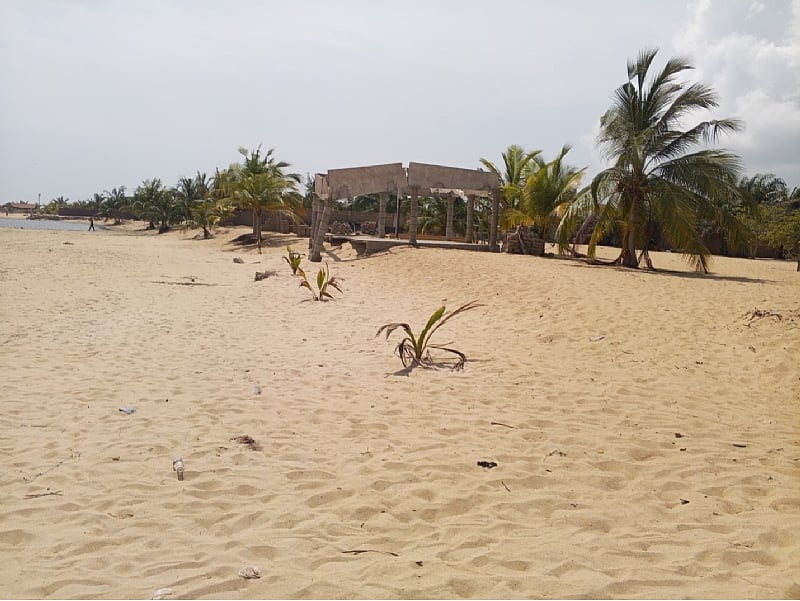
Citizens from beneficiary coastal communities under the West Africa Coastal Areas (WACA) program, together with members of the Coastal Civil Society Organisations (CSOs) Forum, are calling on President John Dramani Mahama to urgently intervene and ensure the reactivation of the WACA Resilience Investment Project (WACA ResIP 2) in Ghana.
Speaking under the banner of the CCF Sub-National Working Group in the Volta Region, the group expressed deep concern over what they describe as a prolonged halt in the implementation of the project, which was officially launched in August 2024.
The WACA ResIP 2, supported by the World Bank, is a regional initiative aimed at addressing coastal erosion, flooding, and climate change impacts. It focuses on protecting shorelines, restoring ecosystems such as mangroves and wetlands, and strengthening the livelihoods of vulnerable coastal communities across participating West African countries.
Ghana joined the second phase of the regional WACA program in 2022, aligning with other countries to tackle coastal degradation through coordinated action. The initiative initially brought renewed hope to vulnerable coastal populations, particularly in the Volta and Greater Accra Regions, where tidal waves and shoreline erosion continue to threaten lives and livelihoods.
According to the group, the project was widely embraced by local communities and traditional leaders, who highlighted its importance during the 2024 Hogbetsotso Festival at Anloga. The event served as a platform to promote awareness and encourage community participation in safeguarding coastal ecosystems.
They also pointed to a regional learning tour involving chiefs to Togo and Benin, where similar WACA interventions under Phase One had shown promising results, further strengthening confidence in the program.
However, the group noted that despite the initial momentum, implementation has stalled since 2025, leaving communities once again exposed to the devastating impact of tidal waves and flooding.
While acknowledging government efforts in constructing sea defense infrastructure in areas such as Amutinu, Blekusu, and Agavedzi, the citizens stressed that these interventions are intended to complement not replace the WACA project.
They warned that continued delays could worsen environmental degradation and increase the vulnerability of coastal ecosystems, potentially leading to severe socio-economic consequences for affected populations.
“The delay is not only counterproductive to regional cooperation but also threatens to undo the gains and expectations built around the project,” the statement said.
The group further expressed concern over the lack of clear communication regarding the project’s status, noting that even the Coastal CSOs Forum has been unable to provide updates beyond indicating that the matter is “under discussion by government.”
They cautioned that discontinuing the WACA program would be costly, as rising sea levels and increasing tidal wave activity continue to erode coastlines and displace communities.
As part of their demands, the group called on the government to honor its commitments under the WACA program, which was approved by Parliament, and to urgently address any institutional bottlenecks hindering implementation.
They emphasized that reactivating the project is critical not only for protecting coastal communities but also for maintaining Ghana’s participation in a coordinated regional effort to build climate resilience along the West African coastline.
The statement was signed by Vance Kwaku Adedze, Secretary of the group, on behalf of citizens from WACA beneficiary coastal communities and members of the Coastal CSOs Forum.

