


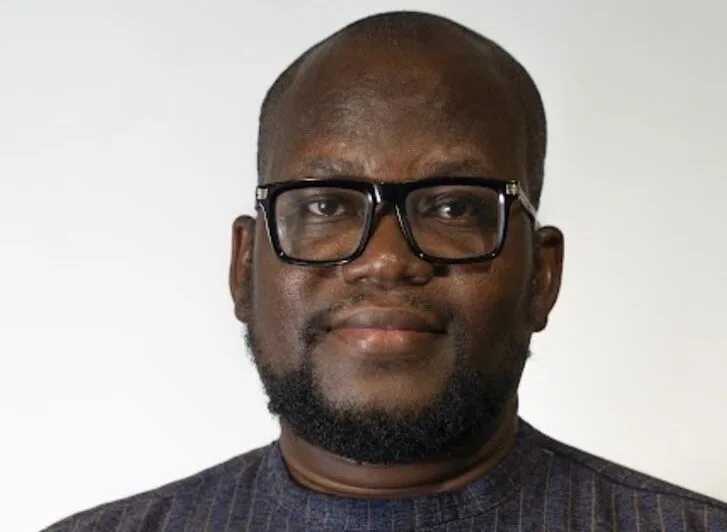
Theologian, educational consultant and author Rev. Acheampong E. S. Builderman has called on Ghanaians to make reading, writing and critical thinking part of the national culture, saying a society that reads widely is better positioned to build a knowledge-driven economy.
Speaking ahead of International Literacy Day, observed globally on September 8, Rev. Builderman said literacy should extend beyond the ability to read and write. He described it as a foundation for intellectual independence, responsible citizenship, innovation, spiritual maturity and national development.
He said a society that neglects reading risks weakening its ability to think critically, challenge assumptions, innovate and preserve its history.
“Our history was not written by us,” he said, stressing the need for Africans to become more intentional about researching, documenting and telling their own stories.
Rev. Builderman, Missions Director and Lead Pastor of Thanksgiving Place Ministries Incorporated in Accra, said Africans must return to the discipline of reading and research to distinguish historical facts from inherited assumptions and develop the intellectual capacity to shape their future.
Literacy beyond reading and writing
Rev. Builderman said Africa’s literacy challenge went beyond conventional illiteracy and included the failure to cultivate a culture of deep reading, critical thinking and responsible application of knowledge.
He urged churches to encourage reading, research and intellectual inquiry alongside prayer and spiritual formation.
He also challenged young people to read widely on subjects including history, science, economics, leadership, governance and society.
“If we read but do not think, we have only accumulated information. If we think but do not act, knowledge has not yet become transformation,” he said.
Africa must reclaim its story
The call is linked to Rev. Builderman’s latest book, Africa Beware: The Chains, the Choice, and the Almighty God Who Sets a Continent Free, which examines Africa’s history, identity, slavery, colonialism, leadership and development.
He said the book was inspired by questions from his daughters while they were studying African history.
Their questions prompted him to revisit issues including slavery, poverty, leadership, the role of religious institutions, inadequate infrastructure, illegal mining and the historical representation of Africa on maps.
Rev. Builderman said Africa must confront both the injustices committed against the continent and its own responsibilities towards its citizens.
Reading as a tool for national development
Rev. Builderman said Ghana’s ambition to become a knowledge economy must begin with a population that reads.
He urged parents to introduce children to books at an early age, schools to strengthen their reading cultures, churches to establish libraries and reading programmes, and young people to make reading part of their daily lives.
“Education does not end when you leave school. The moment you stop learning, you begin to surrender your capacity to grow,” he said.
As the world marks International Literacy Day, Rev. Builderman said reading should not be treated merely as an academic requirement but as a national habit capable of strengthening families, institutions and communities.
“A reading nation builds a knowledge economy,” he said.
More Stories Here
