


The Schools for Clean Air and Waste Segregation (SCAWS) project has been launched in Accra to promote cleaner, healthier and more sustainable school environments.
The initiative, led by Impact Footprints Africa in collaboration with the Clean Air Fund and the Ghana Education Service (GES), seeks to equip schools with practical systems for waste segregation and responsible environmental management.
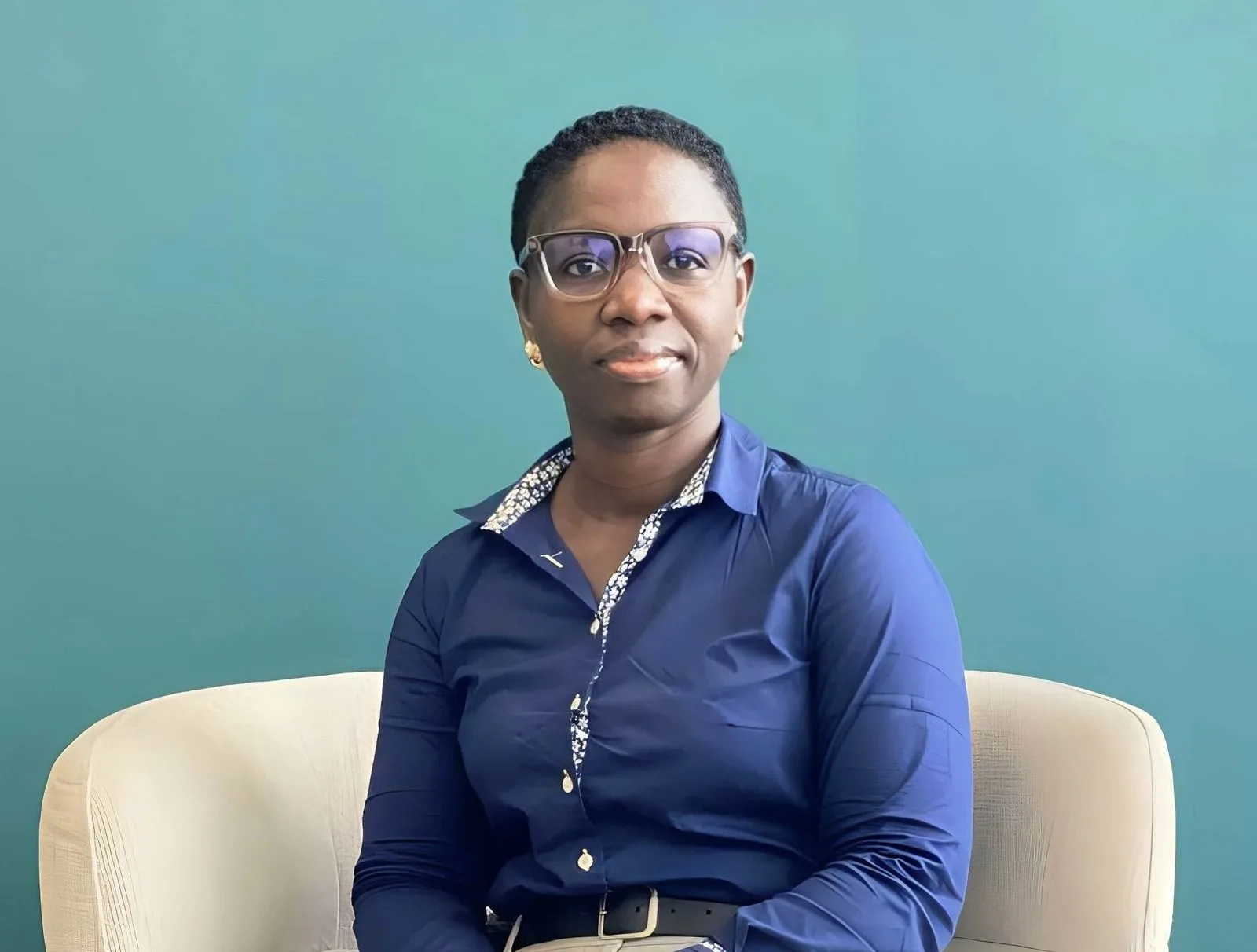
Speaking at the launch in Accra yesterday, the Executive Director of Impact Footprints Africa, Mrs Alice Tuoho, noted that the project was necessary because many schools currently depended on waste collection services that were not always guaranteed.
She said the initiative would provide schools with practical approaches to managing waste while encouraging students to develop responsible environmental habits.
According to her, six schools had been selected to participate in the project based on their potential to serve as models for responsible environmental stewardship.
The schools are Achimota Senior High School, Wesley Grammar School, Accra Academy, St Mary’s Senior High School, St John’s Grammar School and Westfield Bridge College.
Mrs Tuoho said five of the selected schools were public institutions, while one was a private school.
She explained that over the coming months, the project team would work closely with school management, teachers and students to assess existing waste management practices and introduce practical waste segregation systems.
She said the project would also focus on building the capacity of students and other members of the school community to ensure that the initiative remained sustainable beyond the implementation period.
Mrs Tuoho added that students would be encouraged to take ownership of the project and become advocates for proper waste management in their schools and communities.
The Country Lead for the Clean Air Fund, Mr Desmond Appiah, urged participants to work together to make the initiative successful and sustainable.
He said the participating schools could demonstrate the effectiveness of the model and encourage its adoption by other schools.
Mr Appiah expressed the hope that students would use the knowledge and skills acquired through the project to promote environmental responsibility among their peers.
The Coordinator for the School Health Education Programme of the GES, Mrs Theresa Oppong Mensah, underlined that the service was prepared to support and host the project in the participating schools.
She said the GES would work to ensure that the schools took ownership of the initiative to guarantee its sustainability.
Mrs Mensah mentioned that the project would contribute to responsible risk management and promote healthier school environments for both learners and teachers.
“The Ghana Education Service believes in the capacity of young people to influence positive change,” she stated.
She added that learners had the potential to become champions of cleaner and healthier communities if given the necessary support and opportunities.
The SCAWS project is expected to provide participating schools with practical knowledge and systems for waste segregation while encouraging students to adopt environmentally responsible practices.
The organisers believe the model could eventually be replicated in other schools to promote sustainable waste management and cleaner learning environments across the country.
By Perpetual Mensah
You can now read the *Ghanaian Times* and *The Spectator* newspapers digitally on [TimesNewsPlus](https://timesnewsplus.com/newspapers).
Follow our WhatsApp Channel now!

