


By Hafsa Obeng / Christabel Kporvie
Accra, Sept. 8, GNA – The Ghana Tourism Authority (GTA) has partnered Africa’s Brain Bank Global to promote medical tourism and attract investment into Ghana’s healthcare sector.
The partnership forms part of the Seventh Annual Summit, Charity Ball and Medical City groundbreaking ceremony being held in Accra and Ada.
The six-day programme, which began on September 3 and ends on September 8, 2026, is on the theme: “Africa’s Greatest Wealth, Its People; Restoring Africa’s Health Capital.”
It is expected to bring together healthcare professionals, investors, government officials, corporate leaders and members of the African Diaspora.
The programme combines healthcare, medical education, research, innovation and investment, while supporting medical tourism through the provision of specialised and technology-enabled healthcare services.
The initiative seeks to reduce the need for Africans to travel outside the continent for specialised medical care, while creating jobs and attracting investment into healthcare and related sectors.
Mrs Maame Efua Houadjeto, Chief Executive Officer of the GTA, said the partnership underscored the role of tourism in driving investment across various sectors of the economy.
She said the summit offered Ghana an opportunity to showcase its potential to an international audience.
Mrs Houadjeto noted that the proposed Medical City project could attract visitors, investors, healthcare professionals and members of the African Diaspora to Ghana.
She said the initiative would strengthen the link between tourism and healthcare.
“The programme presents an opportunity to welcome the world to Ghana while demonstrating the transformative possibilities that emerge when tourism, healthcare, investment, and development work together,” she said.
Mrs Houadjeto said the project would contribute to national development through job creation and increased international investment.
She added that it would strengthen Ghana’s position as a destination for medical tourism.
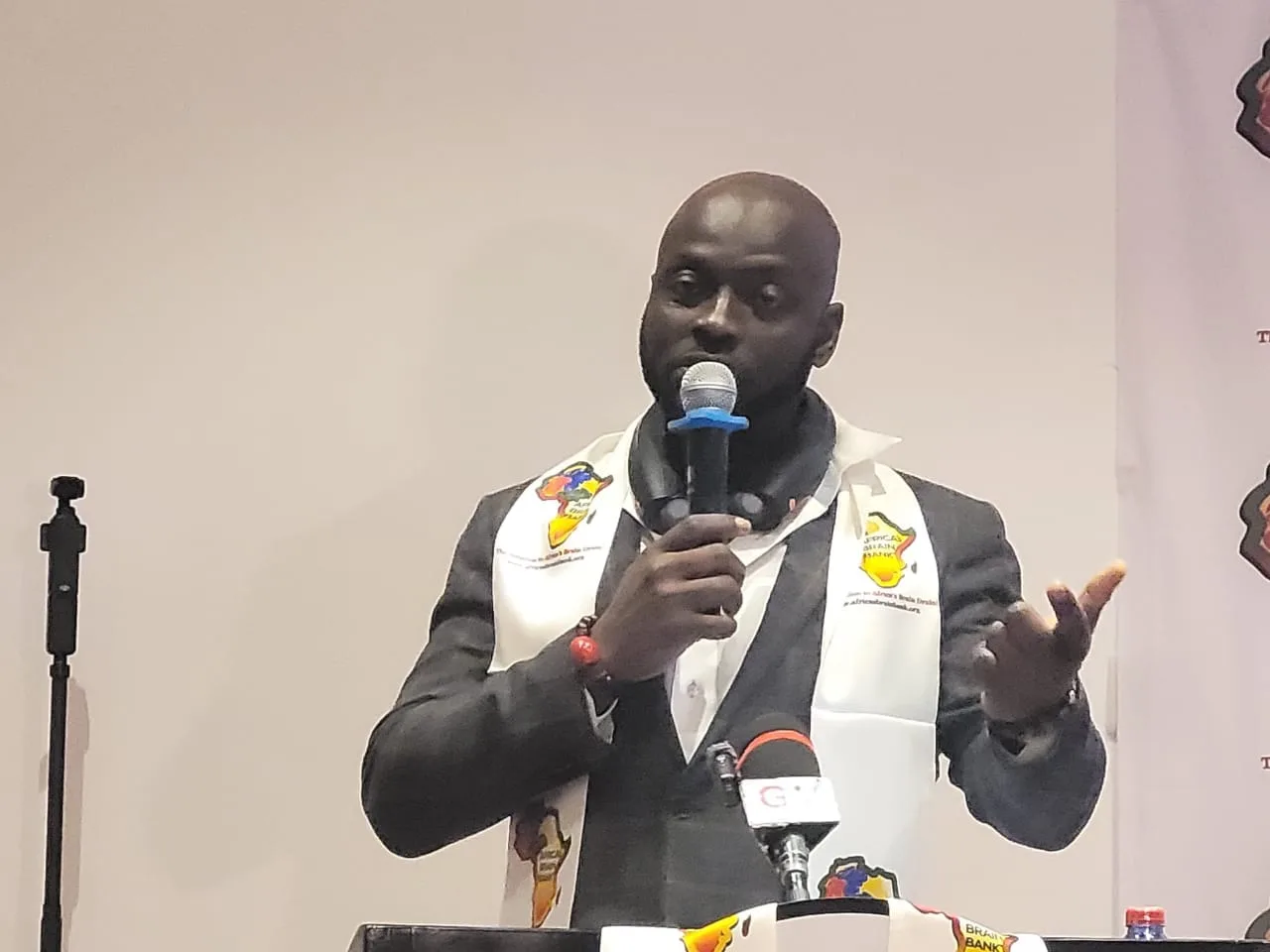
Dr Michael Obeng, a Ghanaian-American plastic surgeon, called for greater African ownership of investments within the continent’s healthcare sector.
He said Africa possessed the human resources and capital needed to transform its healthcare systems but lacked adequate structures to channel those resources into productive investments.
Dr Obeng attributed much of the continent’s brain drain to inadequate infrastructure and limited investment opportunities.
“Africa does not have a brain drain problem. Africa has a capital allocation problem that expresses itself as a brain drain,” he said.
He noted that Africa continued to lose trained doctors, nurses, pharmacists, biomedical engineers and scientists to other parts of the world.
According to Dr Obeng, Africa produced approximately three per cent of the world’s pharmaceutical products while importing between 70 and 80 per cent of the medicines it consumed.
He said the situation left the continent vulnerable during global health emergencies.
Dr Obeng observed that although Africa carried about a quarter of the world’s disease burden, it produced only a small proportion of the medicines required to address it.
He also expressed concern over the resources lost through outbound medical tourism.
He said more than 300,000 Africans travelled to India annually for medical treatment, describing the trend as a significant loss of capital and expertise to foreign economies.
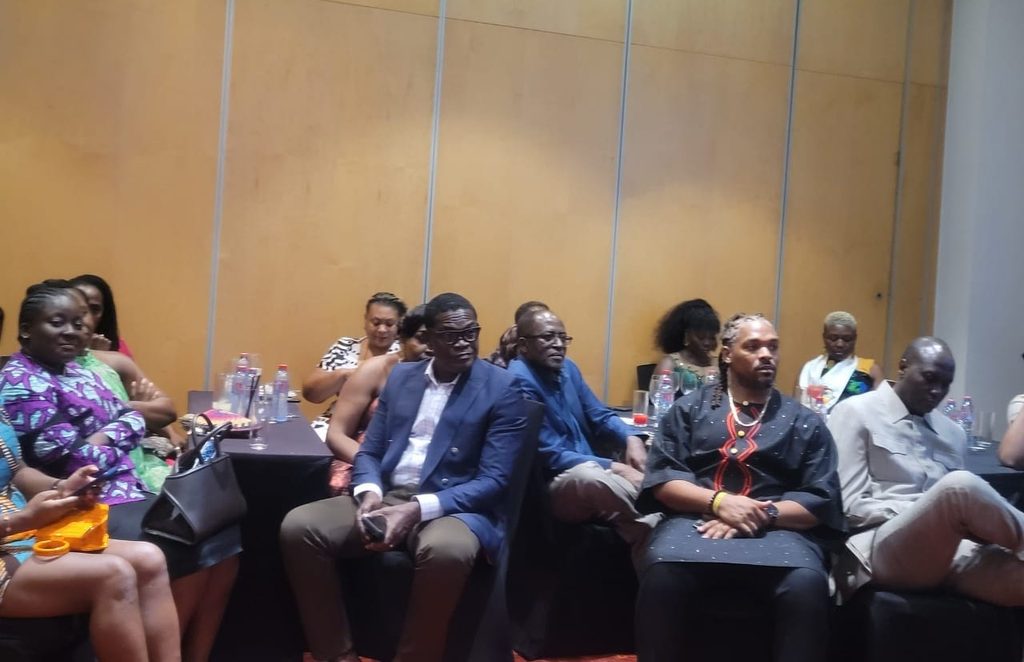
Dr Obeng stressed the need for stronger investment systems to retain resources and support the development of Africa’s healthcare sector.
He said the proposed Medical City in Ada could help reduce the number of patients seeking treatment abroad, create jobs, employ specialists and retain foreign exchange within Ghana.
According to him, Africa’s healthcare transformation depends on greater African ownership of health infrastructure, investments and human capital.
Reverend Dr Pam Fomunung, Visionary, Chief Executive Officer and Group Chair of Africa’s Brain Bank Global, described the GTA’s involvement as a significant endorsement of the Medical City project.
She said the partnership reflected Ghana’s growing interest in healthcare, tourism and investment.
Dr Fomunung said the proposed Medical City would extend beyond healthcare infrastructure to promote medical tourism, create jobs and provide investment opportunities for Ghanaians and other Africans.
She said the project would also deepen engagement with the African Diaspora.
According to her, the Medical City would focus on specialised healthcare services, medical education, professional training, advanced diagnostic and surgical systems, digital healthcare and telemedicine.
Dr Fomunung said collaboration with the GTA would align the project with Ghana’s broader strategy of developing tourism and attracting investment.
GNA
Edited by Lydia Kukua Asamoah
Reporters: Hafsa Obeng / Christabel Kporvie
[email protected]
