


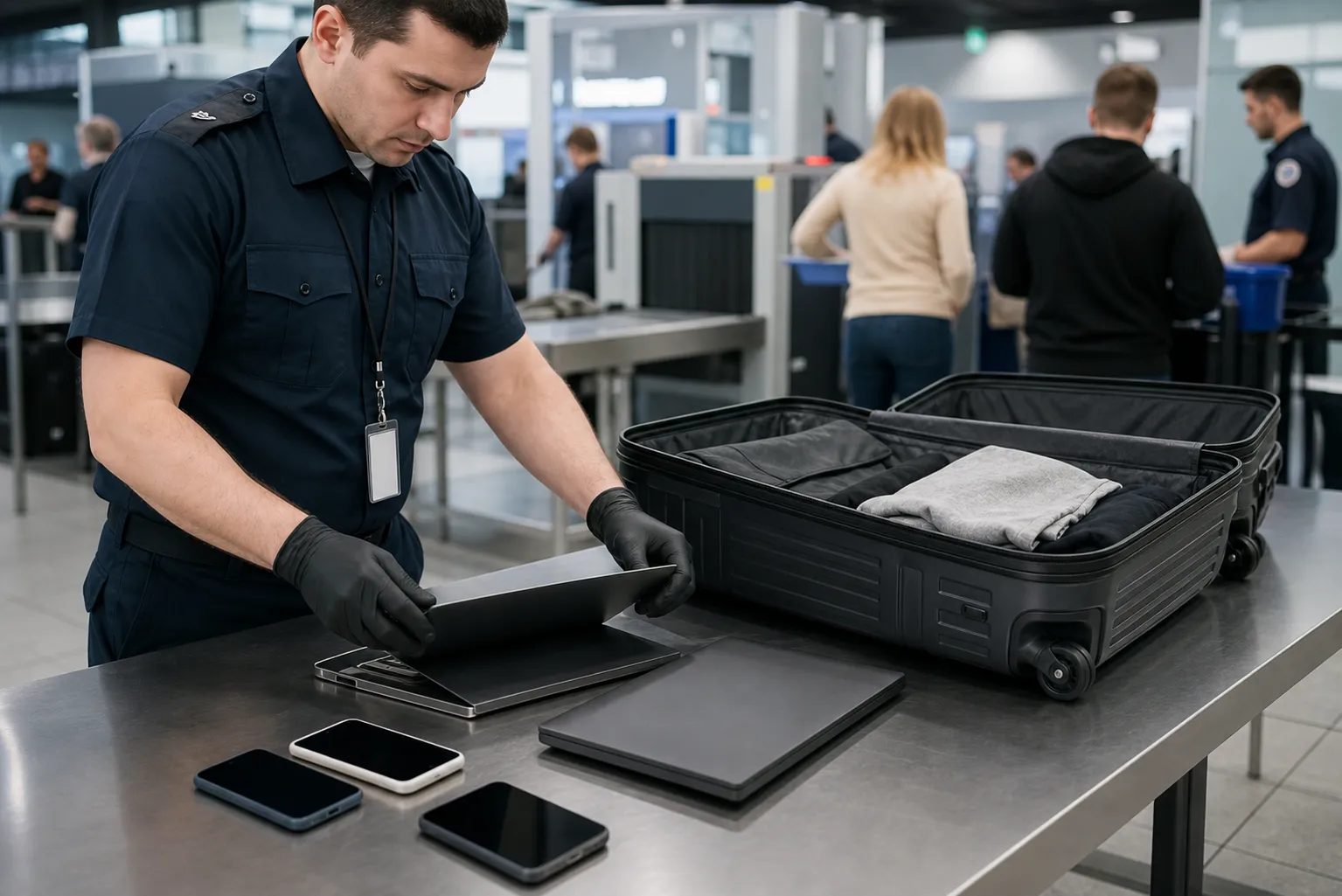
Ghana’s tax service has stated that passengers arriving in the country with more than two mobile phones or laptops will not automatically be required to pay duty. Customs officers will assess the circumstances of each case, including whether the devices are intended for personal use and whether they are being brought in in commercial quantities.
As MyJoyOnline reports, the clarification was provided by Ghana Revenue Authority Commissioner-General Anthony Kwasi Sarpong. It came after a video circulated claiming that passengers could be charged duty on additional phones.
The number of devices is not the only criterion
According to Sarpong, the example involving phones was merely an illustration of the general principle of taxation for goods brought into the country, rather than an absolute rule. He noted that a passenger may have three phones or three laptops and not pay duty if the circumstances indicate that the items have already been used and genuinely belong to them.
At the same time, recently purchased devices or goods that do not appear to be intended for the traveler’s personal use may be subject to taxation. Customs officers will take into account the available information and the nature of the goods.
More current news is available on the UA.News Telegram channel Telegram.
New goods from abroad may be taxed
The Commissioner-General also explained that a new phone purchased outside Ghana may be subject to duty even if the passenger intends to use it personally. Long-term ownership and use of a device, for example for around six months, may indicate that it belongs among the passenger’s personal belongings.
Sarpong linked this approach to the need to ensure equal conditions for those who buy goods in Ghana and already pay taxes included in the price, and those who bring new purchases from abroad. At the same time, customs officers may take into account that passengers bring gifts for relatives: if their quantity and nature do not indicate commercial importation, duty may not be charged.
Ghana’s tax service assured that it would apply the law reasonably and fairly, while respecting the rights and dignity of passengers.
Download our app



