


By: Amoako Kwame
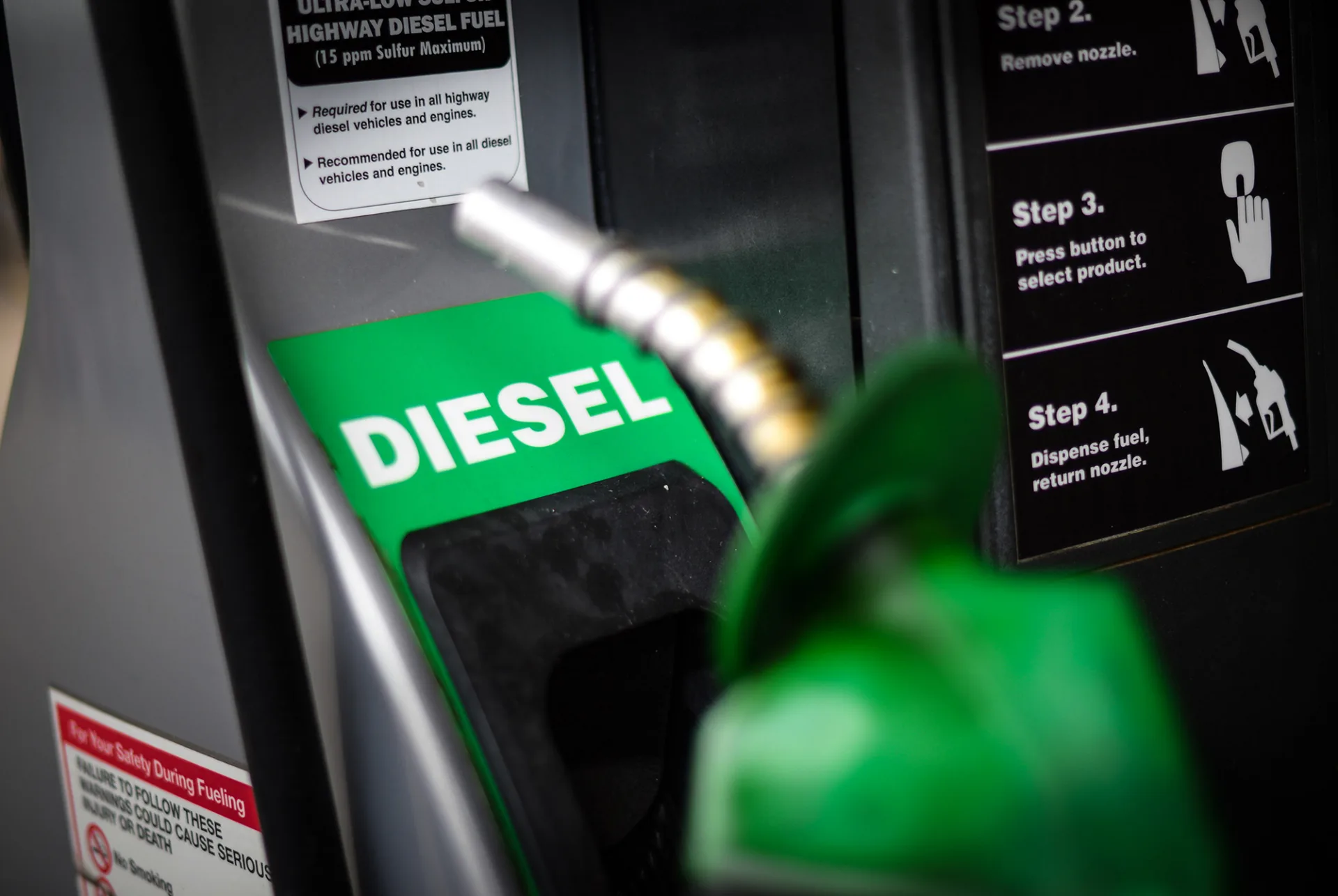
Government has extended the GH¢2 per litre reduction in the regulatory margin on diesel for another pricing window, in a move aimed at cushioning consumers against rising petroleum prices.
The intervention, introduced on August 4 as a temporary measure covering two pricing windows, was initially expected to expire at the end of August. Government has, however, decided to maintain the reduction for the next pricing window in September, preventing the full GH¢2 per litre margin from being restored to diesel prices.
The extension is expected to provide some relief to motorists, transport operators and businesses, as diesel prices are already hovering around GH¢17 per litre at several Oil Marketing Companies (OMCs).
The Chamber of Petroleum Consumers (COPEC) had called on government to extend the intervention, warning that its withdrawal could push diesel prices towards GH¢20 per litre.
According to COPEC Executive Secretary, Duncan Amoah, maintaining the relief would help soften the impact of the expected increase in petroleum prices.
“Already diesel is around GH¢17 a litre for most of the OMCs. Allowing the GH¢2 to come back would mean we will be doing GH¢19, approaching GH¢20 a litre,” he said in an interview with Citi Business News, which first reported the government’s decision.
COPEC has also projected marginal increases in petroleum prices from Tuesday, September 1, citing recent movements on the international oil market.
Mr Amoah said petrol was particularly likely to record an increase after its international trading price rose by nearly 10% over the preceding two weeks.
“Fuel prices are likely to inch up from the first window September. Petrol most likely, since it’s done almost 10% to close trading over the past two-week window,” he said.
Government introduced the GH¢2 per litre reduction in the regulatory margin on diesel in August after a surge in international crude oil prices pushed up domestic fuel costs.
The latest extension represents another intervention by government to mitigate the impact of rising fuel prices, following earlier measures introduced since tensions in the Middle East began affecting global energy markets.
Maintaining the reduction is expected to limit the immediate impact of higher international oil prices on diesel consumers and help contain increases in transport, logistics and business operating costs.
The move could also offer indirect relief to households, as higher fuel costs tend to feed into transportation fares and the prices of goods and services across the economy.
Source: Citi Business News
More stories here
