


By: Benjamin Nii Nai Anyetei
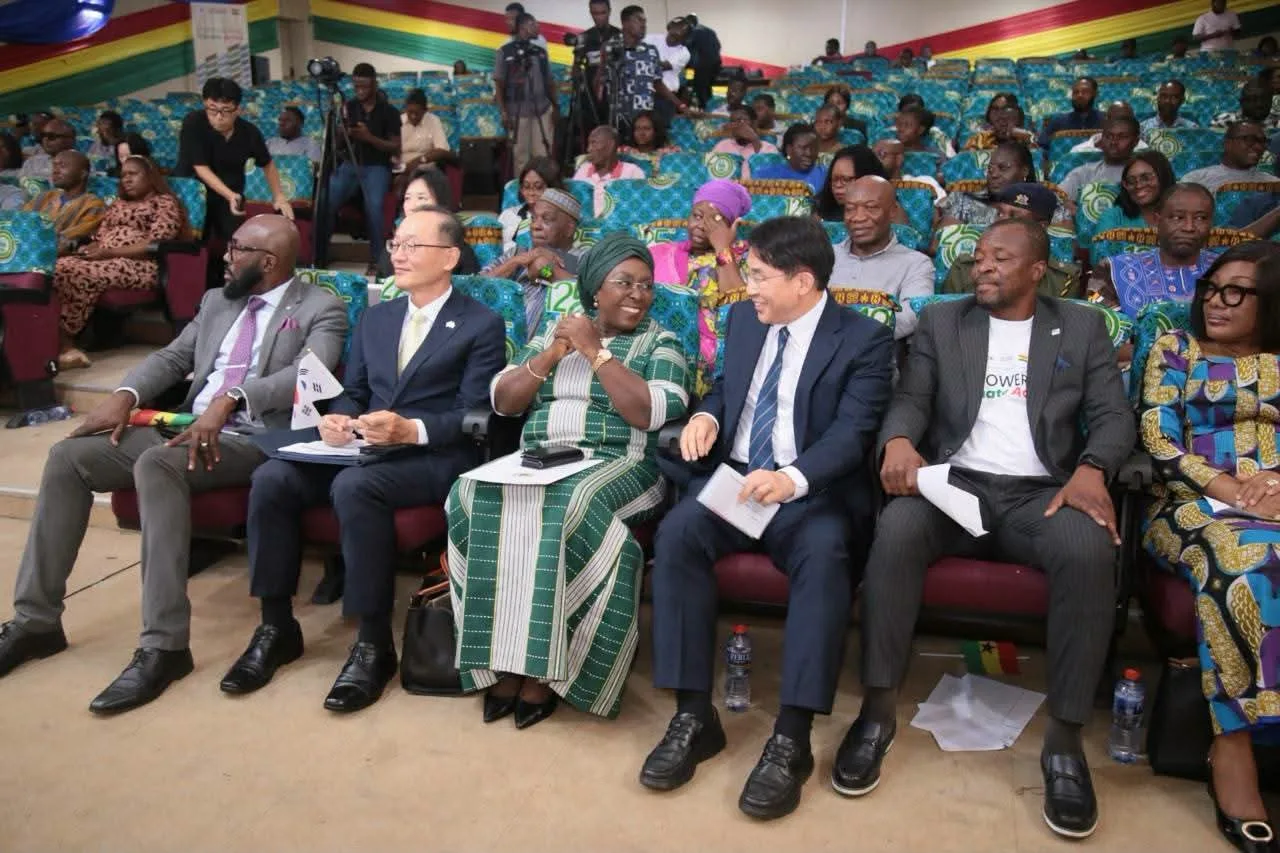
Ghana and the Republic of Korea have launched the Ghana–Korea Heritage Project, a five-year partnership aimed at protecting six historic forts and castles in Accra from the growing effects of climate change while strengthening Ghana’s capacity in heritage conservation, documentation, education and cultural tourism.
The initiative brings together Ghanaian and Korean institutions to combine conservation expertise, digital technology and scientific approaches to safeguard the historic sites for future generations.
The five-year partnership, running through 2030, is the first cultural heritage collaboration between Ghana and Korea and marks a new phase of cooperation between the two countries.
The selected sites are Ussher Fort, James Fort, Christiansborg Castle, Fort Augustaborg, Fort Vernon and Fort Fredensborg.
The project is expected to strengthen Ghana’s ability to sustainably manage and conserve the sites while complementing national efforts to improve heritage and history education in schools.

Tourism, Culture and Creative Arts Minister, Abla Dzifa Gomashie, said the partnership would provide practical interventions to address the effects of climate change on the selected forts and castles.
She identified coastal erosion and increased rainfall among the major threats confronting the historic properties.
The Minister said protecting the sites is not only about preserving old structures but also about safeguarding important parts of Ghana’s history and ensuring that future generations can understand and connect with the country’s heritage.
Under the partnership, Ghanaian officials have already undertaken specialised training aimed at improving local expertise in heritage conservation.
A policymakers’ programme is also helping to shape a Heritage and Climate Change Policy for Ghana’s World Heritage properties.
The policy component is expected to provide a stronger framework for responding to environmental threats while improving the long-term management of heritage sites.

Secretary-General of the Korean National Commission for UNESCO, Hong Hyunik, said Korea considers Ghana’s rich cultural heritage a potential engine for continued development.
He said culture has the capacity to contribute to community empowerment and sustainable progress, making heritage conservation an important part of national development.
The Ag. Secretary-General of the Ghana Commission for UNESCO, Professor Osman Damba Tahidu, said the project goes beyond preserving physical monuments.
He said the initiative will help preserve monuments, artefacts and traditions while also protecting Ghana’s identity, strengthening communities, empowering young people, advancing research and supporting cultural tourism.
The project is expected to promote the use of modern conservation methods, documentation and digital technology to improve knowledge and management of the selected sites.
It is also expected to create opportunities for stronger collaboration between Ghanaian and Korean experts and institutions in heritage research and conservation.
The partnership comes at a time when climate change is increasingly threatening coastal heritage properties, making preventive conservation and climate-responsive management essential.
The Ghana–Korea Heritage Project is therefore expected to leave Ghana with better-protected monuments, stronger heritage institutions and improved technical capacity to manage historic properties.
Beyond the physical preservation of the forts and castles, the partnership is intended to renew national interest in Ghana’s history and encourage greater appreciation of heritage among young people and communities.
The initiative is ultimately expected to strengthen the role of heritage in education, research, community development and cultural tourism while ensuring that Ghana’s historic legacy is protected for future generations.

More Stories Here
