


The Ghana Centre for Democratic Development (CDD-Ghana), with support from the British High Commission, has developed a Draft Model Political Finance Bill to strengthen transparency, accountability and fairness in political party financing in Ghana.
The draft bill proposes measures on transparency, expenditure limits, donation regulations, disclosure obligations and enforcement mechanisms, aligned with international best practices and Ghana’s commitments under the United Nations Convention Against Corruption.
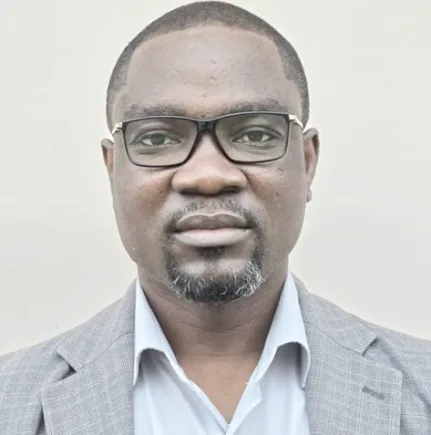
The Director of Programmes and Operations at CDD-Ghana, Frederick Adu-Gyamfi, said this in Accra last Monday when he addressed a media workshop on regulating political party financing in Ghana.
He said the initiative was in response to the rising and often unchecked cost of political competition, which posed a growing threat to the integrity and sustainability of Ghana’s democracy.
Rising costs
Mr Adu-Gyamfi said evidence from recent studies showed that campaign expenditure had increased sharply over successive electoral cycles.
He said the growing monetisation of politics created barriers to entry for capable but less-resourced citizens, while fuelling opacity, weakening accountability and increasing the risk of corruption.
Although Article 55 of the 1992 Constitution and the Political Parties Act, 2000, provide a basis for regulating political financing, he said gaps in enforcement, disclosure requirements, donation limits and expenditure ceilings had limited their effectiveness.
Those gaps, he noted, had created opportunities for unreported and potentially illicit funds to influence political processes and undermine public trust in elections.
Mr Adu-Gyamfi said CDD-Ghana had engaged political parties, civil society organisations, the private sector, university students, youth groups and other stakeholders across the country to solicit inputs and build broad support for the proposed reforms.
He said the media workshop was intended to equip journalists with a better understanding of the state of political party and campaign financing, key challenges and gaps in the existing legal and regulatory framework.
The workshop also introduced participants to the government’s position on the Constitution Review Commission’s recommendations on political financing and examined how the proposed model law could address existing gaps.
The Senior Political Officer at the British High Commission in Accra, Duke Mensah Opoku, said the rising cost of political campaigns and the sources of campaign funding posed significant challenges to Ghana’s democracy.
He said studies by CDD-Ghana and other partners indicated that the cost of contested presidential elections could exceed $100 million.
Mr Opoku said such costs created barriers, particularly for women and persons with disabilities, and could fuel monetisation and corruption, thereby undermining public trust.
He reaffirmed the UK’s commitment to supporting Ghana’s efforts to build a transparent, inclusive and accountable political finance system.
“Together, we can ensure that political parties serve the public interest, not private pockets,” he said.
Political money threat
The Director of Advocacy and Policy Engagement at CDD-Ghana, Dr Kojo Asante, in his closing remarks called for urgent reforms to reduce the cost of political campaigns and make public office accessible to people who were capable of serving without being wealthy.
He urged citizens to question the sources of funds used by politicians and candidates, stressing that the issue was not only a Ghanaian problem but a global challenge confronting democracy.
“We are running out of time,” he said, urging citizens to keep demanding accountability even as efforts were made to reform the law and regulate political financing.
