


By Lydia Kukua Asamoah
Accra, July 13, GNA –The Reverend Professor Eric Ofosu Antwi of the University of Energy and Natural Resources (UENR), Sunyani, has emphasised the importance of comprehensive national planning that incorporates the expressed needs and views of citizens to drive sustainable national development.
“Until we in Ghana stop listening to manifestos, we should forget it. There should be no political manifesto. The national development plan should be the manifesto of every political party and tell us how you are going to get us to that place …don’t bring us any different thing, he said.
“So that when somebody starts something and the person is off, when you come you will continue because there is a road map. When Ghana gets there, these things will work,” he added.
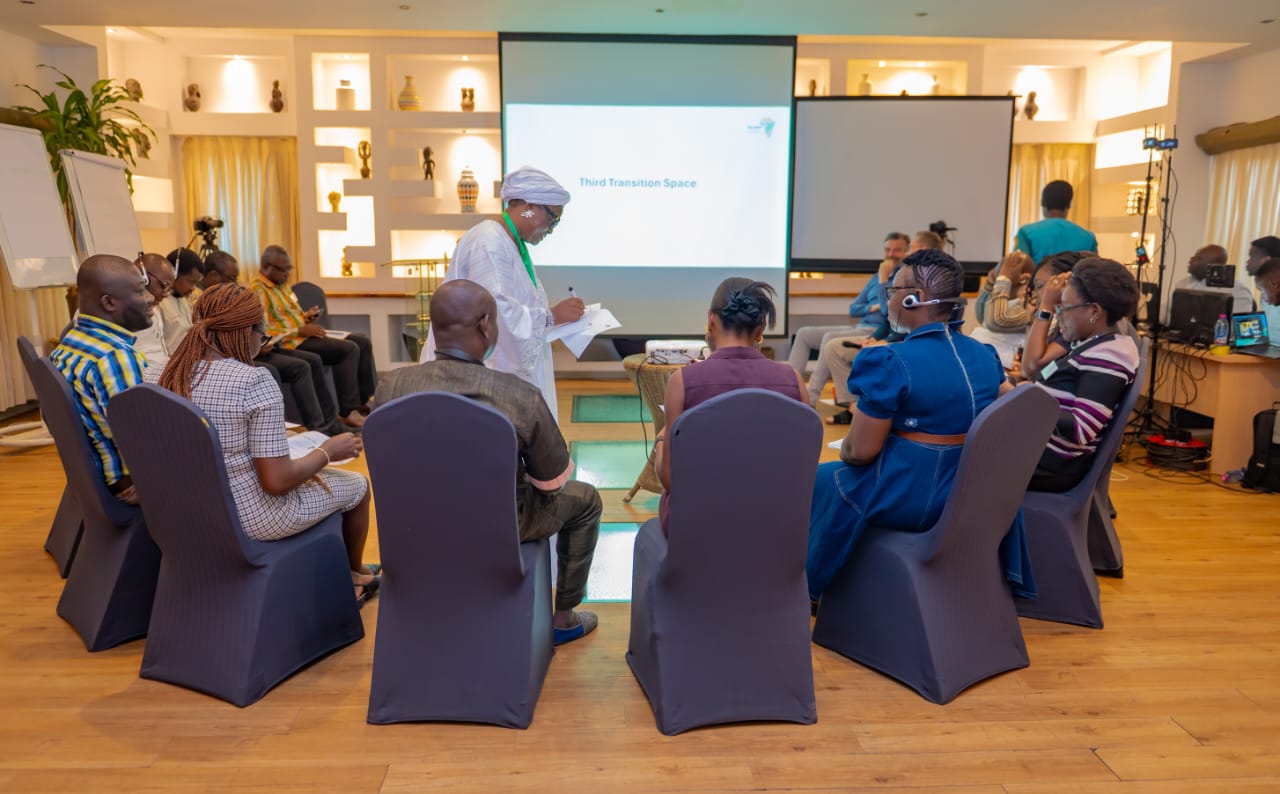
Prof Ofosu Antwi made the remarks in an interview with the Ghana News Agency (GNA) during the Second National Stakeholders Workshop of the EPIC Africa Project on the Water-Energy-Food (WEF) Nexus and Governance in the Volta Basin, held in Accra.
The three-day workshop was hosted by UENR in partnership with Delft University of Technology (TU Delft), Netherlands and other partners in Europe and Africa.
The EPIC Africa Project is a European Union-funded research initiative aimed at developing sustainable Water-Energy-Food pathways to address climate change, food security and energy access challenges in sub-Saharan Africa.
The workshop brought together participants from Ghana, Burkina Faso, Kenya, the Netherlands and Belgium to deliberate on strategies for sustaining energy generation, food production and water-resource management in the Volta Basin.
Representatives from the Bui Power Authority, National Development Planning Commission (NDPC), Volta Basin Authority, International Water Management Institute (IWMI), Water Resources Commission, as well as researchers from Ghana, Burkina Faso, Kenya, Belgium, Netherlands and Sweden, participated in discussions aimed at strengthening scientific knowledge, collaboration and innovative solutions among consortium members.
Prof Ofosu Antwi, who is also the Lead of EPIC Africa Project at UNER, noted that throughout the four-year lifespan of the EPIC Africa Project, stakeholders had continuously engaged in dialogue and knowledge-sharing on sustainable management of the Volta Basin in Ghana and the Tana Basin in Kenya, and that the outcome of discourse have helped inform policies and on how to sustainably manage infrastructure around water, energy and food in the countries.
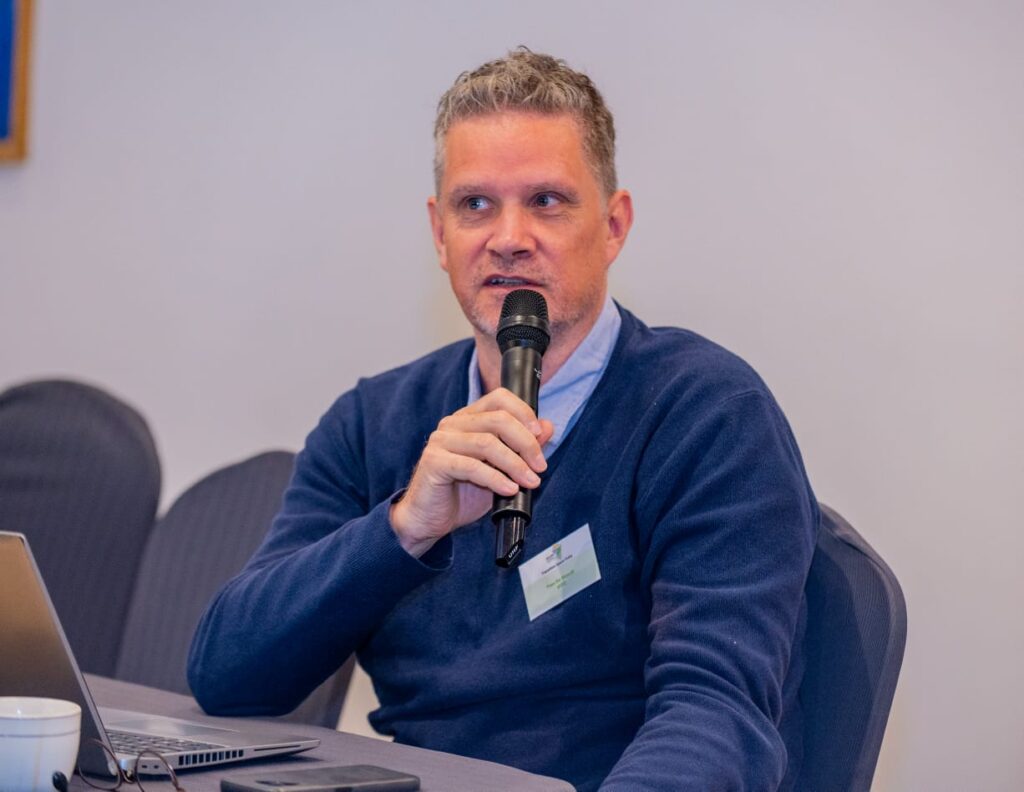
Dr Yves De Weerdt, Research Coordinator, Transition Space at VITO in Belgium, urged governments in the sub-region to adopt long-term planning approaches to avoid overlooking critical issues that may become significant in the future.
He said policymakers should engage in long-term visioning processes capable of responding effectively to climate change, rather than relying on short-term planning frameworks.
Dr De Weerdt further encouraged governments to increase investment in long-term infrastructure development and ensure more efficient use of public resources.
He expressed the hope that insights gained from the workshop and experiences shared among participants would inspire improved decision-making and contribute positively to development efforts in Ghana and Burkina Faso.
Dr Edo Abraham, Coordinator of EPIC Africa Project and Head of the Water Systems Engineering Section at Delft University of Technology in the Netherlands, explained that Ghana, Burkina Faso and Kenya serve as the main case-study countries under the project, with the Volta and Tana basins providing the focus for research and policy interventions.
He said discussions under the project centred on hydropower, wind energy, solar energy, irrigation infrastructure and crop-selection strategies that support sustainable development.
Dr Abraham noted that EPIC Africa adopts an innovative planning approach in which citizens directly contribute to shaping infrastructure visions and development priorities.
Under the initiative, citizens participate in structured dialogue platforms known as “transition spaces,” where they discuss and define their future development aspirations.
According to him, these engagements enable stakeholders to identify community values and priorities, helping to optimise infrastructure investments and policy decisions that reflect the needs and visions of local populations.
Meanwhile, as part of efforts to promote stakeholder inclusion and local participation, participants of the workshop visited Food Movement, an organisation that promotes the consumption and preparation of indigenous Ghanaian dishes, to solicit their inputs in the dialogue and also taste some locally prepared meals.
GNA
Edited by Benjamin Mensah
