


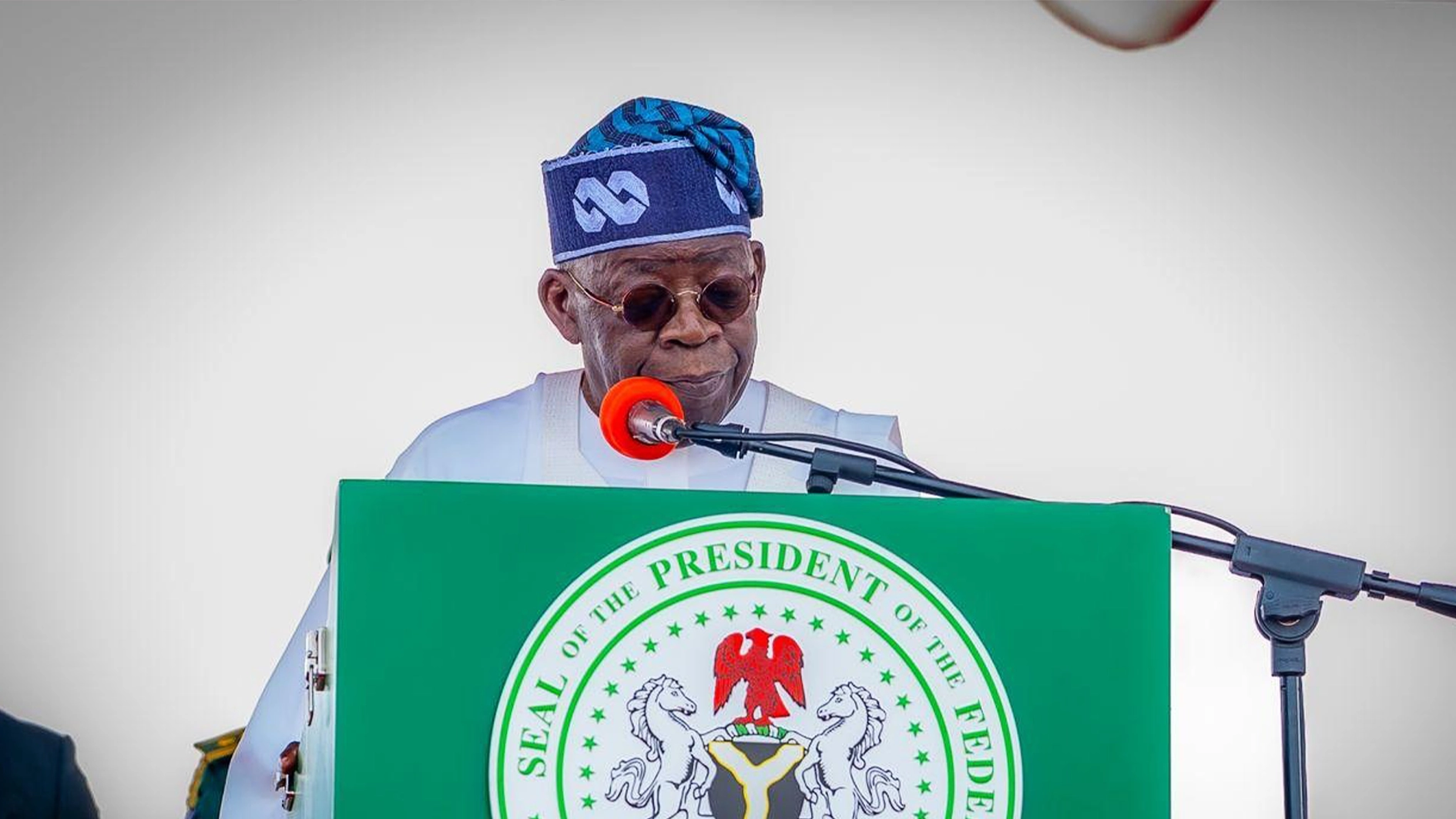
Nigeria and the United Arab Emirates (UAE) are intensifying their economic collaboration under the recently signed Comprehensive Economic Partnership Agreement (CEPA), with both nations focusing on expanding trade, investment, and sectoral cooperation. The renewed commitment was underscored during a high-level meeting between President Bola Tinubu of Nigeria and Sheikh Shakhboot Bin Nahyan Al Nahyan, UAE Minister of State for Foreign Affairs, held at the Presidential Villa in Abuja on Sunday.
Key Objectives of the CEPA: Expanding Trade and Investment
The discussions centered on strengthening bilateral ties across critical sectors, including agriculture, banking, energy, artificial intelligence (AI), industrialization, and infrastructure development. Nigerian officials emphasized that the agreement is a strategic step toward diversifying Nigeria’s economy beyond oil dependence while attracting foreign direct investment (FDI) into high-growth industries.
Bianca Odumegwu-Ojukwu, Nigeria’s Minister of State for Foreign Affairs, described the engagement as “constructive and forward-looking,” affirming that both governments are determined to translate diplomatic relations into tangible economic benefits. She highlighted that non-oil trade between Nigeria and the UAE has already reached approximately $5 billion, with expectations of further growth following the implementation of CEPA.
Tariff Reductions and Market Access Under CEPA
One of the most significant provisions of the agreement is the elimination of tariffs on over 7,000 Nigerian products entering the UAE market and more than 6,000 Emirati products being exported to Nigeria. This reduction in trade barriers is expected to stimulate cross-border commerce, making it easier for businesses in both countries to expand operations and access new markets.
Beyond tariff cuts, CEPA also facilitates greater business mobility, allowing companies from both nations to establish subsidiaries, joint ventures, and service providers with reduced regulatory hurdles. This aligns with Nigeria’s broader economic strategy to attract FDI in manufacturing, agriculture, and technology, sectors identified as key drivers of sustainable growth.
Sectoral Cooperation: Banking, Energy, and Beyond
The UAE’s financial sector is already making strides in Nigeria, with First Abu Dhabi Bank (FAB) planning to establish a presence in Lagos, further strengthening banking and financial services ties. This move is part of a broader trend where Gulf financial institutions are expanding into African markets, leveraging Nigeria’s large consumer base and economic potential.
In the energy sector, Nigeria’s Dangote Petroleum Refinery has taken a significant step toward diversifying its crude oil feedstock supply by purchasing its first cargoes from the UAE. This collaboration not only secures alternative energy sources but also reduces Nigeria’s reliance on traditional suppliers, enhancing supply chain resilience.
Artificial intelligence (AI) and digital innovation were also key discussion points, with both nations exploring joint research, technology transfer, and AI-driven industrial applications. The UAE, a global leader in AI and smart infrastructure, is well-positioned to support Nigeria’s Fourth Industrial Revolution (4IR) initiatives, particularly in smart cities, automation, and data-driven economic planning.
Infrastructure and Industrial Growth: A Shared Priority
Infrastructure development remains a critical focus for both countries. The UAE, with its expertise in logistics, ports, and aviation, is poised to contribute to Nigeria’s transportation and connectivity upgrades, including rail modernization, seaport expansion, and air travel infrastructure.
Industrialization is another priority, with discussions on establishing special economic zones (SEZs) where Nigerian and Emirati businesses can collaborate on manufacturing, value addition, and export-oriented production. Such initiatives could boost Nigeria’s industrial output, reduce import dependency, and create high-value employment opportunities.
Resolving Diplomatic Tensions: A Pathway to Economic Revival
Relations between Nigeria and the UAE have improved significantly since both nations resolved past diplomatic disputes that had disrupted travel and commercial activities. The restoration of full diplomatic engagement has paved the way for renewed investment discussions and economic cooperation, allowing businesses to operate without unnecessary restrictions.
The upcoming Nigeria-UAE Joint Commission Meeting is expected to identify new areas of collaboration, including:
– Infrastructure financing (roads, bridges, and energy grids)
– Innovation and technology transfer (AI, renewable energy, and digital finance)
– Financial services expansion (banking, insurance, and fintech partnerships)
– Industrial and agricultural value chains (food processing, agro-industry, and export promotion)
Nigeria’s Broader Gulf Strategy: Attracting Investment and Boosting Exports
Nigeria’s engagement with Gulf nations—particularly the UAE—is part of a larger strategy to diversify its economy, reduce oil dependence, and attract foreign capital. The UAE, in turn, is expanding its commercial footprint across Africa, investing in energy, logistics, ports, aviation, and financial services to strengthen its position as a regional and global economic hub.
By leveraging CEPA, Nigeria aims to:
✔ Increase non-oil exports (agricultural products, manufactured goods, and technology services)
✔ Attract FDI in high-growth sectors (renewable energy, telecommunications, and manufacturing)
✔ Enhance supply chain efficiency through UAE’s logistics and trade infrastructure
A Commitment to Long-Term Bilateral Relations
Both nations have reaffirmed their longstanding diplomatic ties and expressed determination to build on existing cooperation. Odumegwu-Ojukwu emphasized that Nigeria remains committed to strengthening relations with the UAE, viewing the partnership as a cornerstone of Africa-Gulf economic integration.
Sheikh Shakhboot Bin Nahyan Al Nahyan, in his remarks, underscored the UAE’s willingness to invest in Nigeria’s development, particularly in energy, technology, and infrastructure. The minister concluded by stating:
“Our two countries are moving to deepen bilateral ties and are expanding cooperation in agriculture, banking, energy, AI, industrialization, and infrastructure, with a Joint Commission meeting already in the pipeline.”
Conclusion: A Blueprint for Economic Growth
The Nigeria-UAE CEPA represents a strategic leap forward in economic cooperation, offering mutual benefits in trade, investment, and technological advancement. As both nations execute the agreement’s provisions, they are poised to accelerate industrialization, diversify exports, and create jobs, contributing to sustainable economic growth in Africa and the Middle East.
With infrastructure development, AI-driven innovation, and energy diversification at the forefront, this partnership could serve as a model for future Africa-Gulf economic collaborations, fostering regional integration and shared prosperity.
