The Base Party’s Bold Recruitment Push: Ken Agyapong’s Potential Shift Sparks NPP Leadership Debates
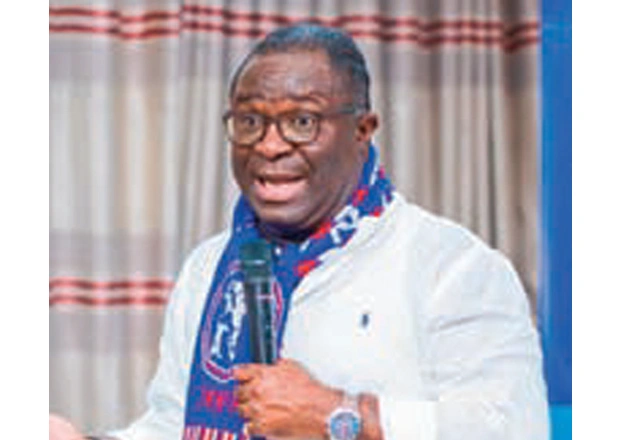
In a move that has sent ripples through Ghana’s political landscape, the Base Party has reportedly extended an open invitation to Ken Agyapong, a prominent figure within the New Patriotic Party (NPP), to join their ranks. The development comes at a time of heightened internal tensions within the NPP, with speculation mounting over Agyapong’s future political allegiance. This article explores the implications of the Base Party’s recruitment efforts, the broader context of NPP’s leadership challenges, and what such a shift could mean for Ghana’s political future.
The Base Party’s Strategic Outreach
The Base Party, led by John Mahama, has been actively courting high-profile defectors from the NPP in recent months. Their latest target appears to be Ken Agyapong, a former Minister of State in the NPP government and a respected figure within the party. Sources close to the Base Party have indicated that Agyapong was approached with a direct message: “Come and lead us.” The invitation underscores the Base Party’s ambition to strengthen its ranks with experienced political operatives, particularly those with deep roots in the NPP’s organizational structure.
Agyapong’s potential defection would not only bolster the Base Party’s leadership but also signal a significant blow to the NPP, which has been grappling with internal divisions since the 2020 presidential election. The NPP, traditionally a dominant force in Ghanaian politics, has faced criticism over its leadership style, perceived lack of unity, and struggles to maintain voter confidence. The Base Party’s recruitment push reflects a broader trend of political realignment, where disaffected members of major parties seek alternative platforms to advance their political careers.
Ken Agyapong: A Key Figure in NPP’s Leadership Crisis
Ken Agyapong’s political journey has been marked by both loyalty and occasional dissent within the NPP. As a former Minister of State for Local Government and Rural Development, he played a crucial role in government initiatives aimed at decentralizing governance. However, his public statements and actions in recent years have occasionally clashed with the party’s official stance, particularly on issues of economic policy, governance transparency, and internal party democracy.
His potential departure from the NPP would not only weaken the party’s leadership but could also embolden other disgruntled members to reconsider their allegiance. The NPP has already seen defections to smaller parties, including the New Patriotic Congress (NPC) and the People’s National Convention (PNC), but Agyapong’s profile is significantly higher, making his move a potential game-changer.
NPP’s Internal Struggles and the Rise of the Base Party
The NPP’s current leadership, under President Nana Addo Dankwa Akufo-Addo, has faced mounting pressure from rank-and-file members who argue that the party has lost its way. Key issues include:
– Economic Challenges: Despite promises of economic recovery, Ghana continues to grapple with inflation, debt sustainability, and currency depreciation, which have eroded public trust in the government.
– Leadership Succession: With Akufo-Addo’s term nearing its end, questions persist about who will succeed him. The absence of a clear successor has led to infighting, with factions vying for influence.
– Perceived Authoritarian Tendencies: Some NPP members and critics argue that the party has become less inclusive, with dissenting voices being sidelined in favor of a more centralized leadership approach.
The Base Party, by contrast, has positioned itself as an alternative that prioritizes grassroots democracy, economic justice, and political inclusivity. Their recruitment of Agyapong aligns with this narrative, framing the move as an opportunity to bring fresh, experienced leadership to a party that has been criticized for stagnation.
What a Defection Would Mean for Ghana’s Political Landscape
If Ken Agyapong were to join the Base Party, the implications would be far-reaching:
-
Weakened NPP Leadership:
The NPP would lose one of its most prominent voices, potentially deepening its internal divisions. Agyapong’s departure could further demoralize supporters who may question the party’s ability to retain talent. -
Strengthened Base Party:
The Base Party would gain a high-profile figure who could help bridge the gap between the party’s grassroots base and the national political establishment. Agyapong’s experience in government could provide the party with much-needed credibility in policy formulation. -
Shift in Political Narratives:
The NPP’s struggle to retain key members could reinforce perceptions of instability within the party. Conversely, the Base Party’s recruitment efforts could position them as a viable alternative, particularly among voters disillusioned with the status quo. -
Impact on the 2024 Elections:
Should Agyapong join the Base Party, it could alter the political dynamics leading up to the 2024 general elections. The NPP might face an uphill battle in retaining its traditional voter base, while the Base Party could emerge as a formidable challenger, particularly in regions where Agyapong has strong support.
Agyapong’s Motivations: Loyalty vs. Ambition
While the exact reasons behind Agyapong’s potential defection remain speculative, several factors could be at play:
– Dissatisfaction with NPP Leadership: If Agyapong believes the party is drifting from its core principles, he may seek a platform that aligns better with his political vision.
– Personal Ambitions: As a seasoned politician, Agyapong may see the Base Party as a strategic move to position himself for higher office, either within the party or in future elections.
– Ideological Alignment: Reports suggest that Agyapong has expressed concerns over the NPP’s economic policies and governance approach, potentially making the Base Party’s more progressive stance more appealing.
The Broader Implications for Ghana’s Political Future
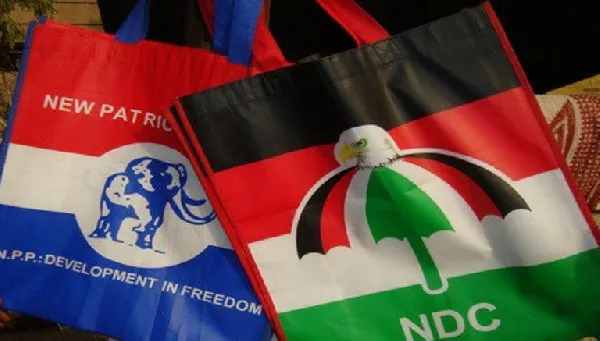
Ghana’s political landscape is increasingly fragmented, with smaller parties gaining traction by offering alternatives to the two dominant forces—the NPP and the National Democratic Congress (NDC). The Base Party’s recruitment of Agyapong is a clear indication that this trend is accelerating.
For Ghana’s democracy, such realignments can be both positive and negative:
– Positive: They introduce competition, force established parties to improve their governance, and give voters more choices.
– Negative: They can also lead to instability, with parties losing experienced leaders and struggling to maintain cohesion.
Conclusion: A Turning Point for Ghana’s Politics?
The Base Party’s outreach to Ken Agyapong marks a pivotal moment in Ghana’s political trajectory. Whether Agyapong ultimately joins the party remains uncertain, but the very fact that such a high-profile figure is being courted underscores the shifting dynamics within the NPP and the broader political ecosystem.
As Ghana approaches another election cycle, the fate of Agyapong’s political allegiance will be closely watched. His decision could redefine the political landscape, influencing not just the NPP’s future but also the trajectory of Ghana’s democratic journey. One thing is clear: the political landscape is evolving, and the next few months will determine whether this realignment accelerates or stabilizes.