


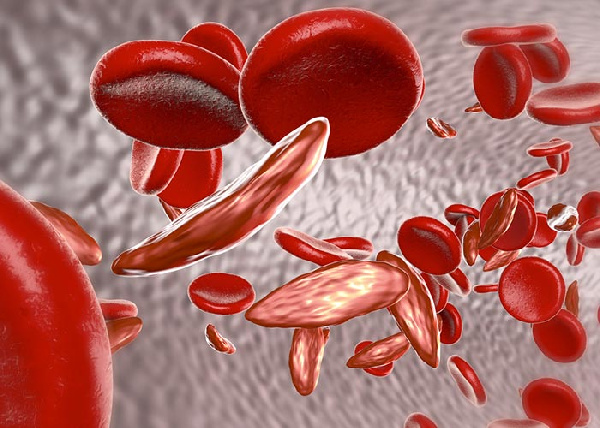
 Sickle cell in Ghana is often discussed around pain crises, hospital care, and daily limits
For many years, discussions about sickle cell disease in Ghana have centered on pain crises, hospital admissions, and the limitations the condition places on education and employment.
While these challenges are undeniable, Co-founder of Haele and a health practitioner, Dr Enam Bankas believes the country is overlooking another critical aspect of the disease, the emotional and psychological toll it takes on patients.
In her view, wellness and self-care must become central to conversations about sickle cell disease.
According to her, the focus on physical symptoms has left little room for addressing the mental health struggles that often accompany the condition.
“We are talking about wellness and self-care because as you might have heard in the program, often we focus on the physical aspects of sickle cell disease. Everybody is talking about the pain and the admission and not being able to do your work or school and stuff like that. But every time when we talk about it, most people are thinking about the physical aspect, but then there’s a huge emotional and psychological toll of these physical things,” she explained.
Dr Bankas argues that the country’s response to sickle cell disease must be more holistic, incorporating mental health support as an essential component of patient care.
For many patients, the stress of managing chronic pain, frequent hospital visits, and social limitations can have lasting psychological consequences that are rarely discussed.
Beyond mental health, she believes Ghana has failed to make sufficient progress in early detection and coordinated care.
Speaking on the sidelines of Sickle Cell Awareness Day, she expressed concern that despite 30 years of newborn screening initiatives, the programme remains confined largely to pilot projects rather than being implemented nationwide.
To Dr Bankas, this represents a missed opportunity to save lives.
She points out that without early diagnosis and intervention, a significant number of children born with sickle cell disease may not survive into adulthood.
“We need a national program that helps us to coordinate all these things. It’s quite unfortunate that Ghana has been doing newborn screening for sickle cell disease for 30 years, but after all this time it is still only happening in pilot projects. It is not national,” she noted.
Her position is clear: Ghana must move beyond fragmented interventions and establish a comprehensive national strategy for sickle cell disease.
Such a strategy, she argues, should include universal newborn screening, coordinated healthcare services, and stronger mental health support systems.
Dr Bankas also maintains that the current care system is too disjointed, making it difficult for patients and families to access the full range of services they require.
In her opinion, a more integrated approach is needed one that addresses both the physical and psychological realities of living with sickle cell disease.
As Ghana joined the rest of the world in marking World Sickle Cell Day, Dr Bankas’ remarks serve as a reminder that effective sickle cell care goes beyond treating symptoms.
It requires a national commitment to early detection, comprehensive care, and recognition of the often-overlooked mental health challenges faced by those living with the condition.
