


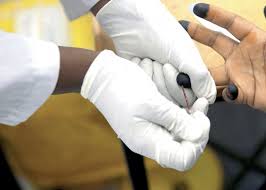
 HIV testing.
Kenya has a target of reducing new
HIV infections among adults to fewer than 1,000 and those among
children to below 200 by 2030 as part of a new strategy aimed at ending AIDS as
a public health threat.
The targets, outlined in the Kenya AIDS Integration
Strategic Framework (KAISF) 2026-2030, seek to consolidate gains made in
the fight against HIV while addressing emerging challenges in prevention,
treatment and financing.
The framework also aims to reduce AIDS-related deaths by
50 per cent, achieve full domestic financing of the HIV response and integrate services into Kenya’s broader healthcare system across all counties.
At the heart of the strategy is a vision of a healthcare
system where HIV services are fully integrated into routine care and less
reliant on external donor support.
Kenya’s goal is to create “a
Kenya free of new infections, preventable deaths, and stigma from HIV and other
syndemic diseases.”
The ambitious targets come despite the country
continuing to record thousands of new infections annually, although recent
figures indicate significant progress.
Preliminary 2026 HIV estimates show Kenya recorded
13,936 new HIV infections this year, including 10,540 among adults aged 15
years and above and 3,396 among children under the age of 15.
The report notes that while the figures highlight
continuing programme and structural gaps, they also represent a 56 per cent decline
from the 32,027 infections recorded in 2020, suggesting that expanded
prevention efforts are producing results.
However, the epidemic continues to disproportionately
affect certain groups.
According to the report, adolescent girls and young
women remain among the most vulnerable, underscoring the need for targeted and
age-responsive prevention programmes.
Children also remain a major concern. In 2026, those
aged between zero and 14 years accounted for 3,396 of new infections, representing
nearly a quarter of all new HIV infections recorded.
The report says the figures highlight the urgent need to
strengthen Prevention of Mother-to-Child Transmission (PMTCT) programmes,
eliminate vertical transmission to below five per cent and accelerate paediatric
HIV care.
Young people continue to bear a significant burden of
the epidemic. About 4,321 new HIV infections were recorded among adolescents
and young people aged 15 to 24 years, accounting for 41 per cent of all adult
infections in 2026.
Combined, children, adolescents and young people account
for 55 per cent of all new HIV infections in Kenya.
Health officials say these trends must be reversed if
the country is to achieve its 2030 goals.
Despite the challenges, the latest estimates show
substantial progress over the past five years. Total new infections declined
from 32,027 in 2021 to 13,936 in 2026. Adult infections fell from 26,826 to
10,540, while infections among children dropped from 5,201 to 3,396 over the
same period.
The most significant improvement was recorded among
adolescents and young people aged 15 to 24 years, whose infections declined by
61.5 per cent, from 11,229 in 2021 to 4,322 in 2026. In contrast, infections
among children recorded the smallest decline at 34.7 per cent.
Mother-to-child transmission remains one of the biggest
obstacles to achieving the country’s targets. Although transmission rates have
fallen from 9.3 per cent in 2024 to 8.04 per cent in 2026, they remain above
the target of less than five per cent.
The report notes that about 38 per cent of new HIV
infections among children resulted from mothers discontinuing antiretroviral
treatment during breastfeeding.
As donor funding becomes increasingly uncertain, the framework acknowledges
that Kenya is entering a critical phase in its HIV response. It calls for the
creation of a resilient, integrated and domestically financed system capable of
sustaining gains already made while accelerating progress towards ending AIDS
as a public health threat by 2030.
