


The Ghana National Chamber of Commerce and Industry (GNCCI) is targeting a reduction in energy-related expenditure for businesses to about 20 percent as part of efforts to improve competitiveness, lower production costs, and strengthen Ghana’s industrial growth agenda.
The Chamber says energy currently accounts for between 30 and 40 percent of operating costs for many businesses in Ghana, with manufacturers among the hardest hit.
Through its newly launched Energy and Climate Desk, established in collaboration with GIZ, the Chamber hopes to support businesses in adopting more affordable and reliable energy solutions.
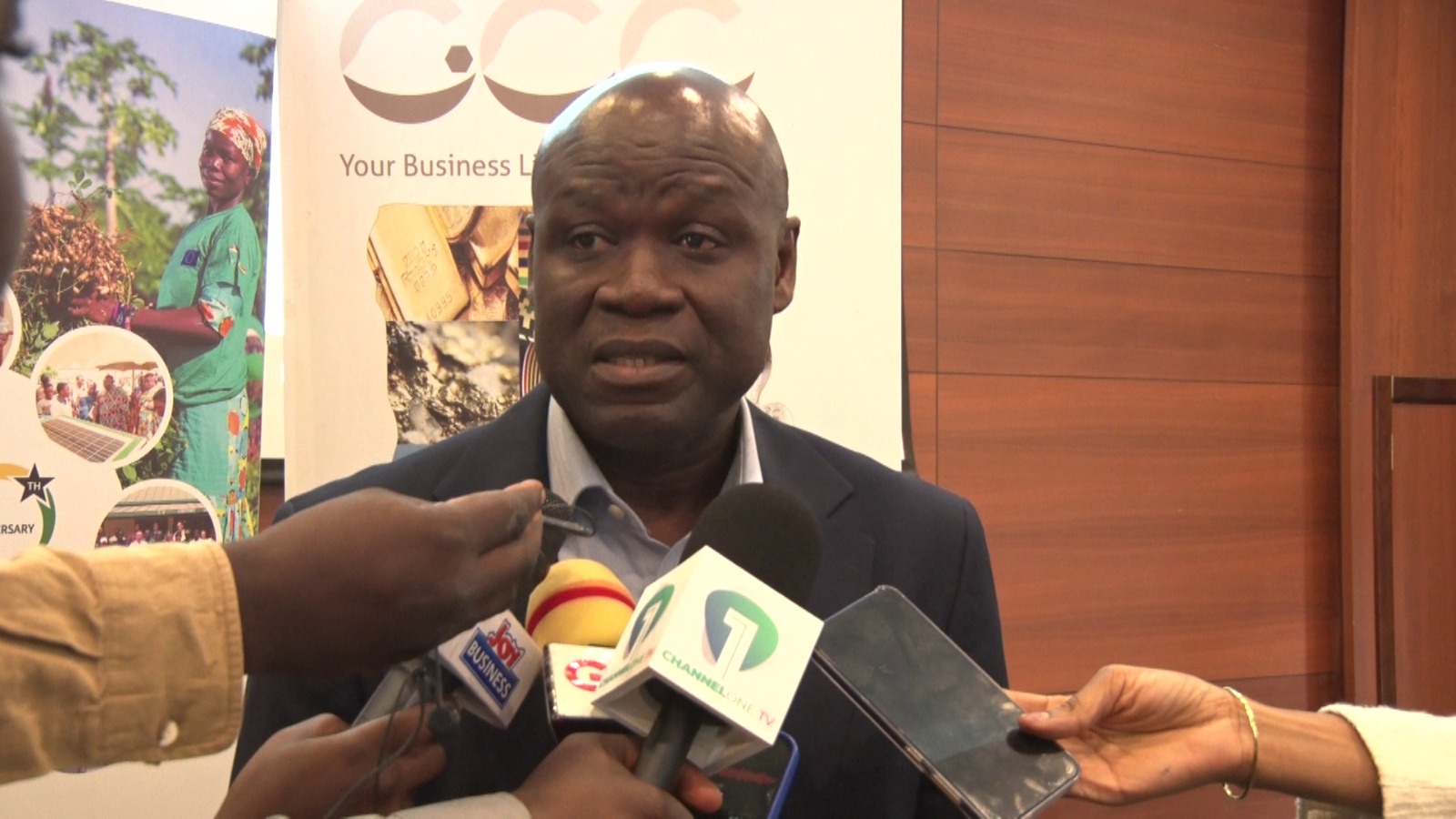
Chief Executive Officer of the Chamber, Mark Badu-Aboagye, speaking to the media on the sidelines of the event, said the current cost of energy remains a major obstacle to productivity and competitiveness for businesses operating in Ghana.
According to him, energy costs for manufacturers in Ghana remain significantly higher than in competing economies, placing local businesses at a disadvantage in both domestic and international markets.
“In a typical case, the cost per kilowatt hour in Ghana is about 18 cents, while competitors such as China and other industrialized economies are doing less than five cents,” he said.
He argued that high energy costs continue to drive up production expenses, reducing profitability and weakening the ability of local firms to compete effectively.
“When energy prices increase, the cost of production also increases, making businesses highly uncompetitive and highly unprofitable,” he noted.
Mark Badu-Aboagye said the target of reducing energy costs to around 20 percent will take time, but remains a key objective.
“What we are seeking to do is to drastically reduce it to close to 20 percent. It might not be overnight. It is a process. It may take some time, but that is where we are heading, to make sure that the cost of energy for a typical business will go down, and for consumers, we also benefit.
“When energy cost is high, the cost of production is high, and businesses cannot afford to take all these costs. So a chunk of it is also transferred to consumers in the form of higher prices. When we have a lower energy cost, lower cost of production, prices of goods and services will also go down,” he said.
Mark Badu-Aboagye also detailed that the newly established Energy and Climate Desk will provide practical support to businesses seeking to cut energy costs and improve efficiency.
The initiative will offer energy audits, capacity-building programmes and assistance in accessing financing for alternative energy projects.
A major focus of the initiative will be encouraging businesses to adopt renewable energy sources, particularly solar power, which the Chamber sees as a viable option given Ghana’s solar potential.
The Chamber also sees the initiative as critical to Ghana’s broader trade ambitions under the African Continental Free Trade Area framework.
Meanwhile, Component Manager for Sustainable Energy for Climate Protection at GIZ, Raymond Ahiadorme, says the initiative will also contribute to Ghana’s broader climate agenda, including efforts toward achieving net-zero.
“Once the energy cost is reduced, there is increased profitability and then there will be savings. Energy cost savings can be extended to other areas. For instance, expansion of the business’s productive capacity. There will be job creation because then there will be money saved for additional recruitment or employment and then by so doing, businesses will thrive.
“The economy will grow and then we will all see the effects. Then also Ghana will be contributing a quota to climate action so that the global climate goals can be achieved. Ghana can play its role. Ghana wants to achieve net zero by 2070,” he remarked.
