



Kenya Blockchain Conference 2026
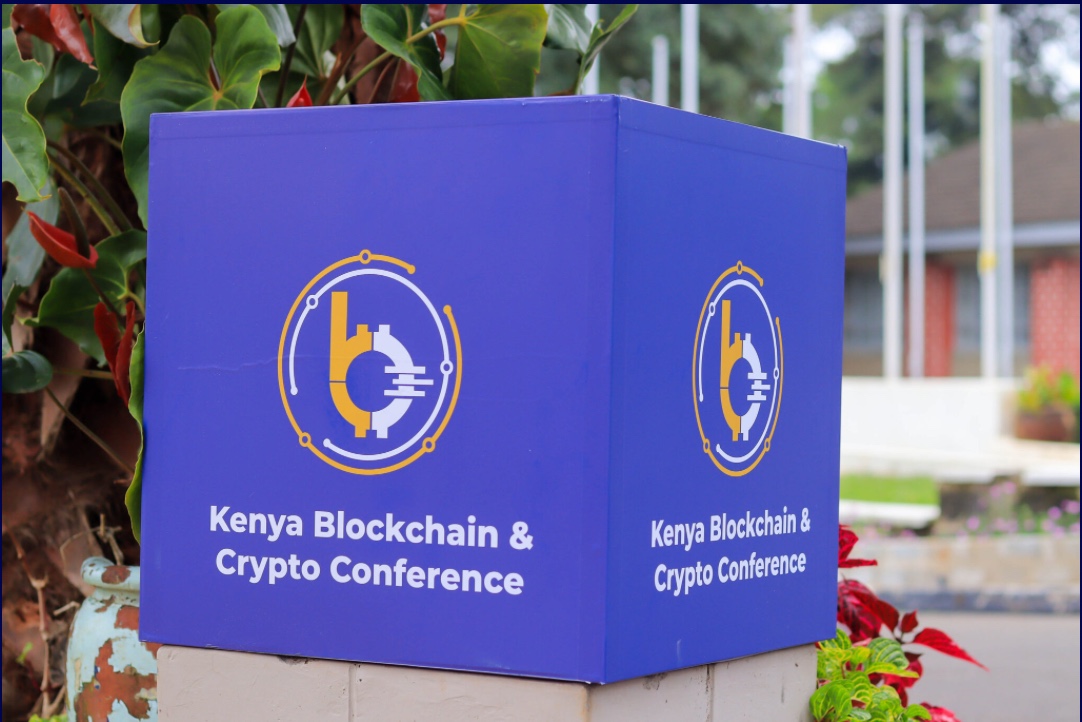
Among the most leading blockchain and digital finance conferences, the Kenya Blockchain & Crypto Conference 2026 was hosted in Nairobi. It was attended by blockchain innovators, investors, fintech companies, policy makers, developers, and regulators from all around Africa and beyond.
Blockchain, stablecoins, Web3 innovations, and digital payments were the main points of discussion during the conference, all of which are having a significant impact on the digital economy in Africa.
The event, which took place at the A.S.K. Dome on May 14–15, 2026, focused on the following topics: blockchain integration with current financial systems, such as mobile money and banking services; regulation of digital assets; cross-border payments; and actual blockchain implementation.
Participating parties in the fight for long-term digital finance and technical innovation in Africa were able to meet face-to-face, share ideas, and learn about new policies at the conference.

The Digital Economy in Kenya: The Crypto Betting Link
Key Points Speakers Covered
1. Global Money Transfers Made Easier with Stablecoins
Traditional banking systems still make transferring funds across African countries a costly, time-consuming, and inefficient ordeal, according to the speakers. They conjectured that stablecoins might enable:
- Better in accessing U.S. dollar liquidity
- Quicker money transfers across borders
- Quick and easy reimbursement
- Decrease in the cost of transaction
Rather than viewing stablecoins as speculative digital assets, panellists emphasised their growing utility as a payment infrastructure component in Africa.
More and more, established Financial systems are incorporating stablecoins
Stablecoins, according to several fintech CEOs, aren’t displacing banks or mobile money, but rather integrating with them.
Dave Evans stated that the integration of stablecoin flows into Africa’s digital wallet ecosystem is an inevitable next step.
The speakers argued that mobile wallets and systems like M-Pesa provide a solid basis for financial services driven by blockchain technology.
Significant Issues Persist in Africa’s Payment System
Mobile money is great for retail transactions, but it can take days for institutions, merchants, and banks to make payments.
The Future Is Here with Real-Time Payments
Despite customers’ expectations for instant digital services, Ali Hussein, CEO of AHK Growth Partners, stated that numerous financial institutions are continuing to use obsolete “end-of-day processing” systems.
“Customers are operating in real time,” he said.
Blockchain infrastructure, according to the speakers, may back up real-time financial systems that operate around the clock.
Crypto Speculation Is Becoming Less Important in the Industry
There was a consistent theme among the speakers that blockchain technology in Africa will soon be used for more practical commercial purposes rather than for retail cryptocurrency trading.
Country Manager for Kenya at VALR, Peter Mwangi, stated that the country should prioritize:
- Institutional blockchain infrastructure
- Trade settlement
- Operations in Foreign Exchange
- Managing the treasury
Further, he emphasized the importance of Kenya’s role in shaping international standards for cryptocurrency regulation.
VACC: Crypto stakeholders call for better policies, lower taxes in digital assets market
Financial Inclusion Could Be Supported by Stablecoins
Blockchain payment systems, according to the speakers, might be useful for:
- People without bank accounts
- Freelancers
- Individuals engaging in trading across international borders
- Small businesses
by offering them quicker and lower-cost access to global financial systems and digital payments.
2. Regulation Regarding Blockchain in Africa
Blockchain regulations that offer consumer protection without slowing investment and technological advancement are necessary, according to the speakers. These policies should be innovation-friendly and balanced.
Key Points Explored
Importance of Clearly Regulated Frameworks
According to the speakers, many African countries do not have clear laws that regulate:
- Blockchain payment systems
- Digital assets
- Stablecoins
- Crypto
They stated that institutions, banks, and investors are hesitant to fully engage in the blockchain industry due to the inherent unpredictability.
Innovation Should Be Supported by Regulation
A few of the speakers on the panel cautioned against regulations that are too stringent.
Kenya, according to Peter Mwangi, should strive to be “the global benchmark for institutional Web3 adoption and regulatory integrity.”
The speakers explained the need for regulations to:
- Permit Institutional participation
- Prevent fraud by protecting users
- Encourage innovation
- Support fintechs and startups
in place of regulations that severely limit or even ban blockchain technology.
Crypto’s Popularity in Kenya Today
Blockchain Regulation in Kenya Could Set the Standard for Africa
According to several speakers, Kenya has all the makings of an African leader in blockchain policy development and digital finance due to:
- Common use of digital payment methods
- Currently available fintech innovations
- Its robust system for mobile money
The conference brought attention to the fact that Kenya has the makings of a major regional hub for blockchain infrastructure and regulated digital finance.
Institutional Finance and Stablecoins Require Regulation
The main points of discussion revolved around regulating:
- VASPs, or virtual asset service providers
- Providers of Digital payment
- Cryptocurrency exchanges
- Stablecoins
Appropriate regulations, according to the speakers, are essential for:
- A secure financial future
- Trust within institutions
- Cross-border payments
- The integration of banking
Important points emphasized by industry leaders and regulators were:
- Compliance with anti-money-laundering mechanisms
- Protecting investors
- Standards for cybersecurity
- Steps to prevent fraud
According to them, blockchain adoption in Africa cannot happen without the public’s trust.
Africa Should Take Part in Global Blockchain Policy
African nations shouldn’t blindly follow American or European regulations, according to some speakers.
“Kenya should not just participate in Web3,” Peter Mwangi stated. We need to lay down the ground principles for crypto regulations and integrity standards fit for institutions.
This was indicative of a more general theme on the need for Africa to develop its own digital finance policies in response to regional economic realities.
Africa Forex Trading Expo 2026 opens in Nairobi with bold vision for Africa’s role in global finance
Teamwork Between Industry and Regulators
Participating in the conference were:
- Financial institutions
- Developers of blockchain technology
- Agencies run by the state
- The telecommunications firms
- Central banks
- Fintech companies
In order to create blockchain laws that are both practical and effective, speakers stressed the need for private firms and regulators to work together.
3. Blockchain Technology for Mobile Money and Financial Institutions
Instead of replacing mobile money platforms like M-Pesa and banks, speakers emphasized how blockchain technology may complement them in order to modernize Africa’s payment systems.
Key Points Speakers Covered
Blockchain Technology Integrating with Current Financial Systems
Blockchain technology, according to the speakers, is quickly becoming an integral part of Africa’s digital payment ecosystem.
“The addition of stablecoin flows is a natural extension” of Africa’s digital wallet ecosystem, according to PawaPay’s Dave Evans.
It became clear throughout the conversations that M-Pesa and similar mobile money systems have established solid digital payment infrastructures across Africa, which makes the integration with blockchain a more realistic prospect.
Blockchain and Mobile Money Can Solve Issues with Cross-Border Payments
The speakers all agreed that mobile money is great for local retail payment, but there are still problems with international payments as they are:
- Fragmented
- Slow
- Quite costly
Spot Trading on OKX: A Beginner-Friendly Guide
The Connectivity Between Blockchain and Financial Institutions Must Improve
Many African banking systems, according to the speakers, are still using obsolete settlement processes.
A number of the panellists, including Ali Hussein, spoke about the potential uses of blockchain technology, including:
- Better management of treasury
- Quicker settlement systems
- Real-time payment
- Mobile wallets and banks are now more compatible with one another
Blockchain technology, according to the conference’s proponents, can update the monetary backend without displacing traditional institutions like telecom operators and banks.
The Proposed Stablecoin Payment System
Stablecoins were characterized by speakers as tools for:
- Enterprise payments
- Foreign exchange operations
- Management of liquidity
- Trade settlement
Cryptocurrency retail speculation needs to take a back seat to banking integration and institutional finance, according to VALR’s Peter Mwangi.
M-Pesa Was Featured as a Foundation for Online Money Transfers
The success of the mobile money system in Kenya has been brought up in multiple talks as evidence that Africans have faith in digital financial systems.
Speakers at the conference included Vinod Sharma, chief technology officer of M-PESA Africa, who delivered a talk on “AI, Blockchain & the Future of Intelligent Financial Systems in Africa.”
According to the speakers, blockchain systems have a better chance of succeeding in Africa if they are integrated with well-known platforms like M-Pesa.
How OKX Is redefining Crypto investing for the next billion users in Africa
4. Kenya as a Digital Finance Hub
Due to its robust fintech ecosystem, increasing legal framework, and widespread adoption of mobile money, speakers positioned Kenya as a top contender among Africa’s potential blockchain innovation and digital finance hubs.
Key Points Speakers Covered
Presenting Kenya as a Gateway to Africa
The presentation was titled “Kenya as a Gateway to Africa: Setting Up and Scaling Digital Asset and Fintech Businesses.” It was delivered by Daniel Mainda, CEO of the Nairobi International Financial Centre Authority.
Digital asset companies, blockchain startups, and fintech companies seeking to expand across Africa find Nairobi, Kenya, an attractive location, according to speakers. Nairobi is a regional financial and technological center.
Regulated Digital Finance: Kenya Could Take the Lead in Africa
A number of people spoke about how Kenya is trying to regulate blockchain technology and digital assets.
Speakers stated that clear regulations for:
- Digital payments
- Stablecoins
- Transactions involving digital currencies
- VASPs, or virtual asset service providers
might position Kenya as a reliable hub for blockchain-related investments and innovations.
The City of Nairobi Was Championed as a Hub for Regional Innovation
According to many who attended the conference, Nairobi is becoming a major hub for:
- Blockchain infrastructure
- Cross-border financial technology
- Enterprise digital payments
- Fintech startups
International investors in digital finance and Web3 companies were courted by the Nairobi International Financial Centre Authority to set up shop in Kenya.
Speakers Highlighted Real-World Use of Blockchain Technology
The conference’s overarching theme was that, moving forward, Kenya’s blockchain ecosystem should prioritize real-world financial applications over crypto speculation trading.
Things covered by the speakers included:
- Treasury operations
- Enterprise blockchain systems
- Trade settlements
- Financial inclusion
- Cross-border payments
The focus of KBCC 2026 was on the fact that Africa is transitioning from blockchain testing to actual implementation.
Conclusion
The increasing importance of digital finance, stablecoins, and blockchain technology in determining Africa’s economic future was brought to light during the 2026 Kenya Blockchain & Crypto Conference.
Digital payments, financial inclusion, practical blockchain applications, and the building of balanced regulatory frameworks were some of the topics covered during the conference, which brought together policymakers, investors, regulators, developers, and fintech leaders.
It highlighted the reality of blockchain technologies being used in enterprise systems, trade, banking, and supply chain management, as opposed to speculative cryptocurrency activity. Also showcased at the event was Kenya’s growing prominence as an African center for Web3 innovation and fintech.
The conference aimed to promote responsible blockchain technology growth across the continent and sustainable digital transformation through innovation, collaboration, and policy talks.
Related
 WhatsApp
Comments (0)
No comments yet. Be the first to share your opinion!