


By James Amoh Junior – [email protected]
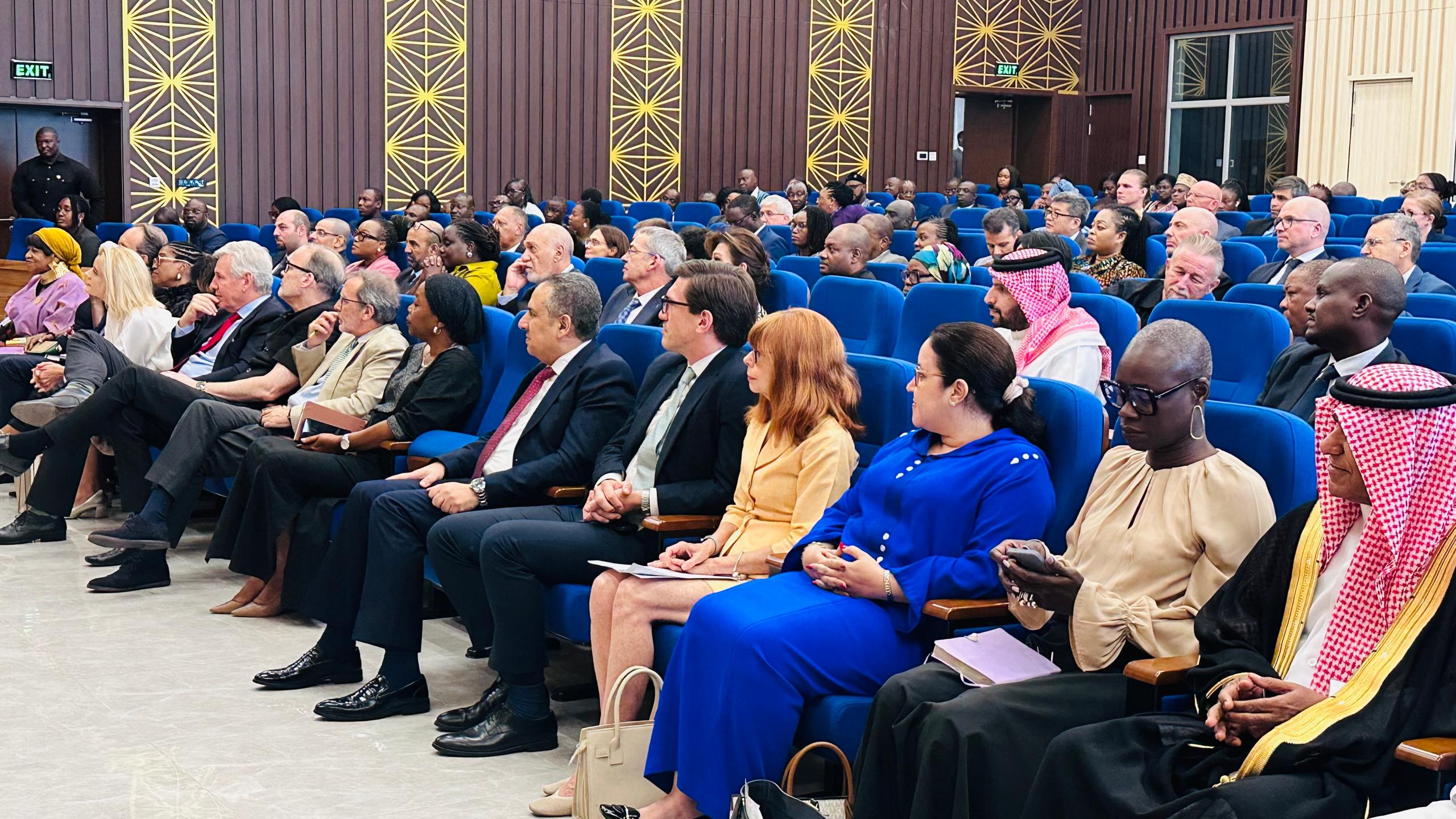
Accra, April 30, GNA – Members of the Diplomatic Corps in Ghana have expressed strong support for the country’s leadership in advancing global reparatory justice.
This follows the adoption of a landmark United Nations resolution declaring the transatlantic slave trade and enslavement of Africans as crimes against humanity.
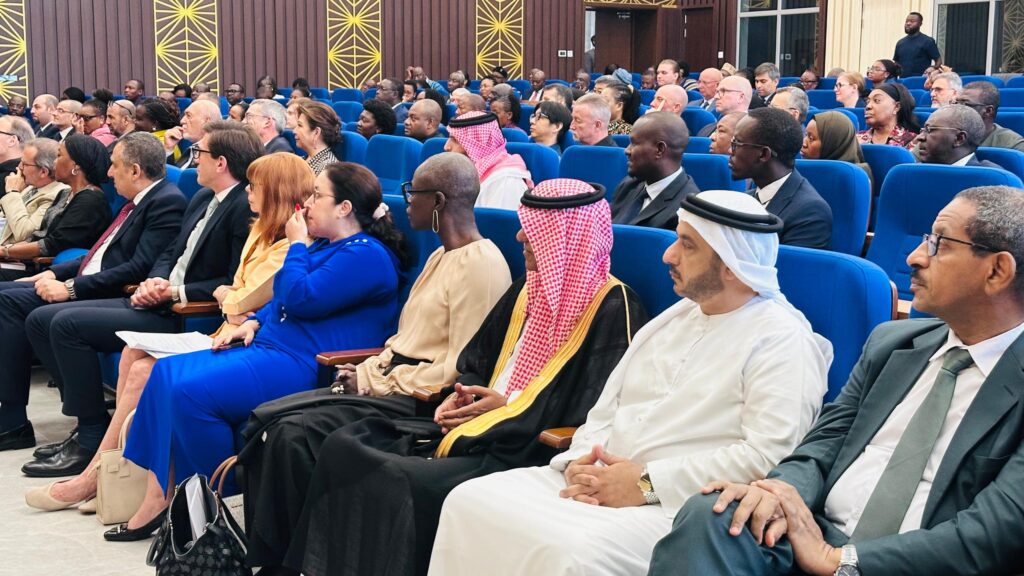
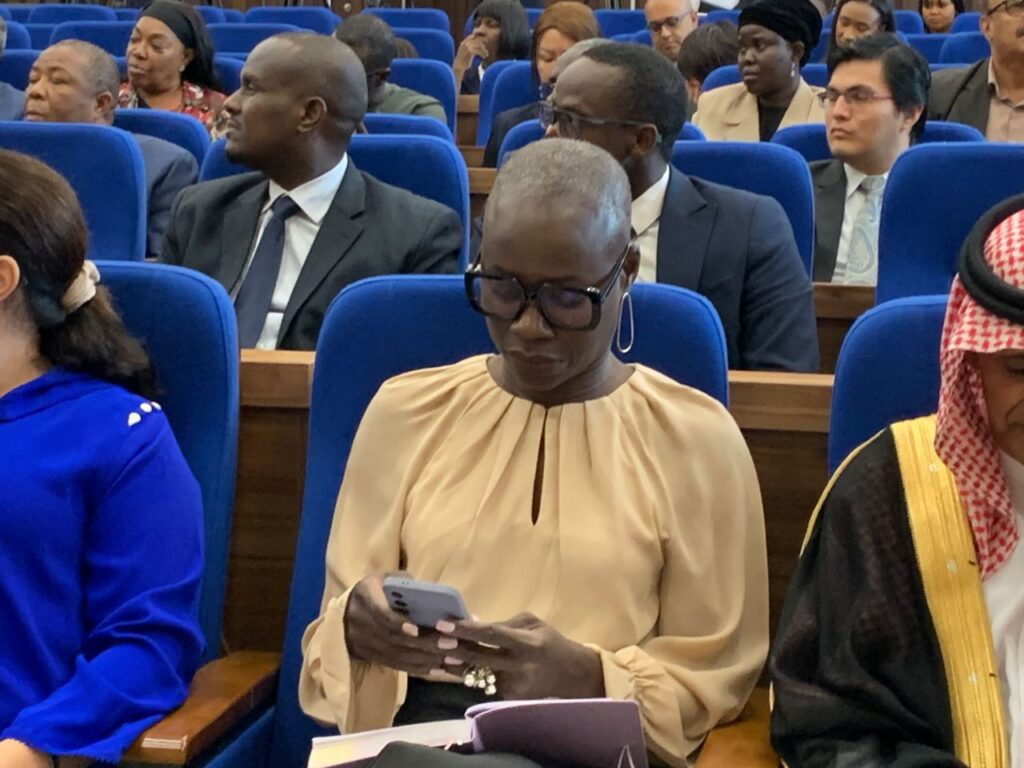
The endorsement came at a high-level briefing convened by the Minister of Foreign Affairs, Mr Samuel Okudzeto Ablakwa, who engaged ambassadors and representatives of international organisations on the implications of the resolution and the roadmap for sustained global action.
The resolution, adopted on March 25, 2026, by the United Nations General Assembly with an overwhelming majority, marks the first time in the UN’s history that the trafficking of enslaved Africans and racialised chattel enslavement has been formally recognised as the gravest crime against humanity.
Mr Ablakwa, addressing the gathering, described the development as a “moral, historical and symbolic milestone” that affirmed decades of advocacy by African states, scholars, and descendants of enslaved people.
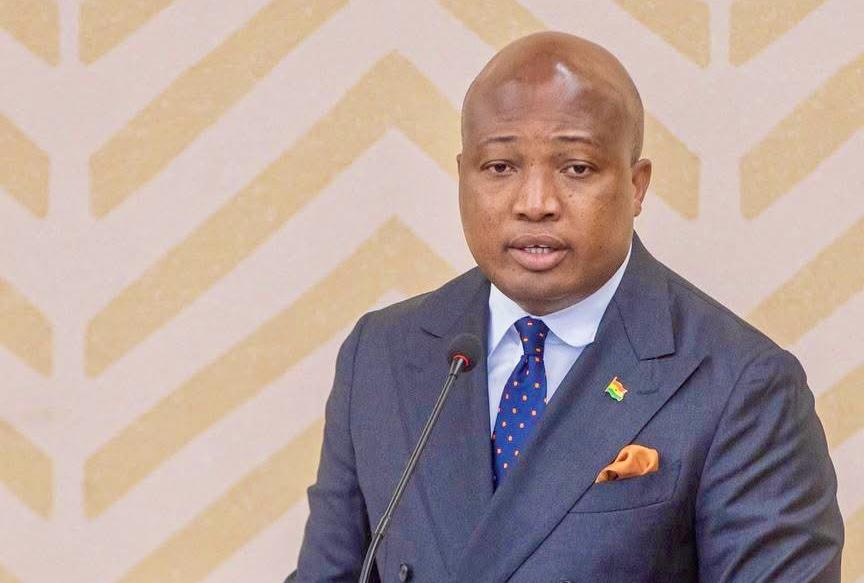
He noted that the resolution not only acknowledged the scale and brutality of slavery but also highlighted its enduring consequences on global inequalities, economic structures and racial hierarchies.
“This moment cannot be overstated. It affirms that crimes against humanity do not expire with time, and their consequences persist until meaningfully addressed,” he said.
The Minister conveyed Ghana’s appreciation to member states that supported the resolution, commending their commitment to justice, truth and moral clarity in international relations.
He emphasised that Ghana’s next priority was to translate the symbolic victory into concrete international action through inclusive dialogue, institutional frameworks and measurable commitments.
Central to that effort is a high-level consultative conference scheduled to take place in Accra from June 17 to 19, 2026, under the leadership of President John Dramani Mahama, who also serves as the African Union Champion on Reparatory Justice.
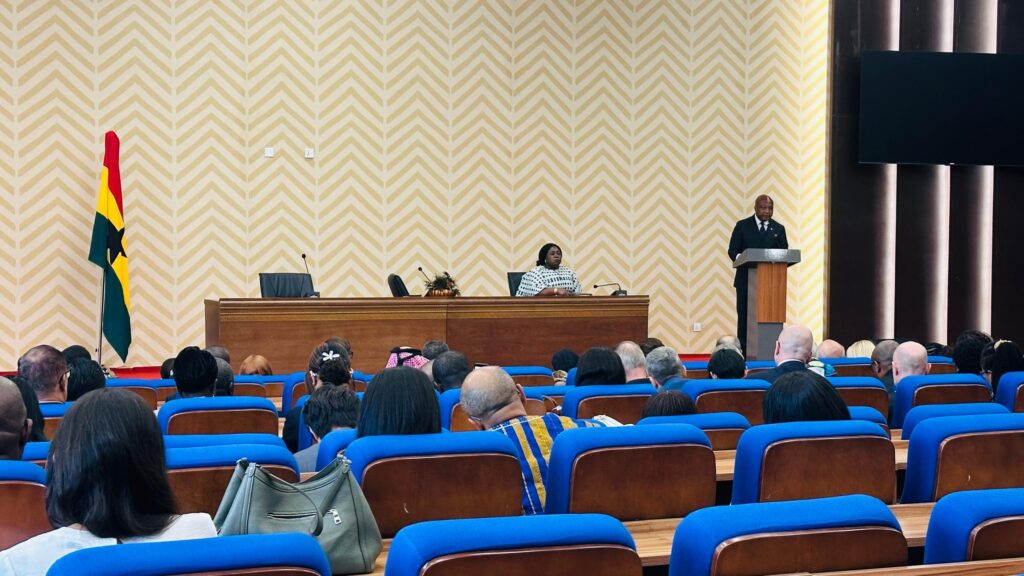
The conference is expected to bring together heads of state, foreign ministers, diplomats, scholars, civil society actors and representatives of the African diaspora to deliberate on implementation strategies and develop a unified global framework for reparations.
Mr Ablakwa said the event would focus on key areas including reparatory justice, restitution of cultural heritage, legal pathways and systemic reforms, while also establishing global advisory and technical panels to guide the process.
Significantly, the conference will coincide with Juneteenth, marking the emancipation of enslaved African Americans in the United States, and will feature a symbolic commemoration at the Osu Castle, a historic site linked to the transatlantic slave trade.
Responding to Ghana’s initiative, members of the Diplomatic Corps underscored the importance of maintaining a reconciliatory and inclusive approach to the reparations discourse.
Mr Rune Skinnebach, Ambassador of the European Union to Ghana, commended the tone of engagement adopted by the Government, describing it as critical to ensuring that the process fosters unity rather than division.
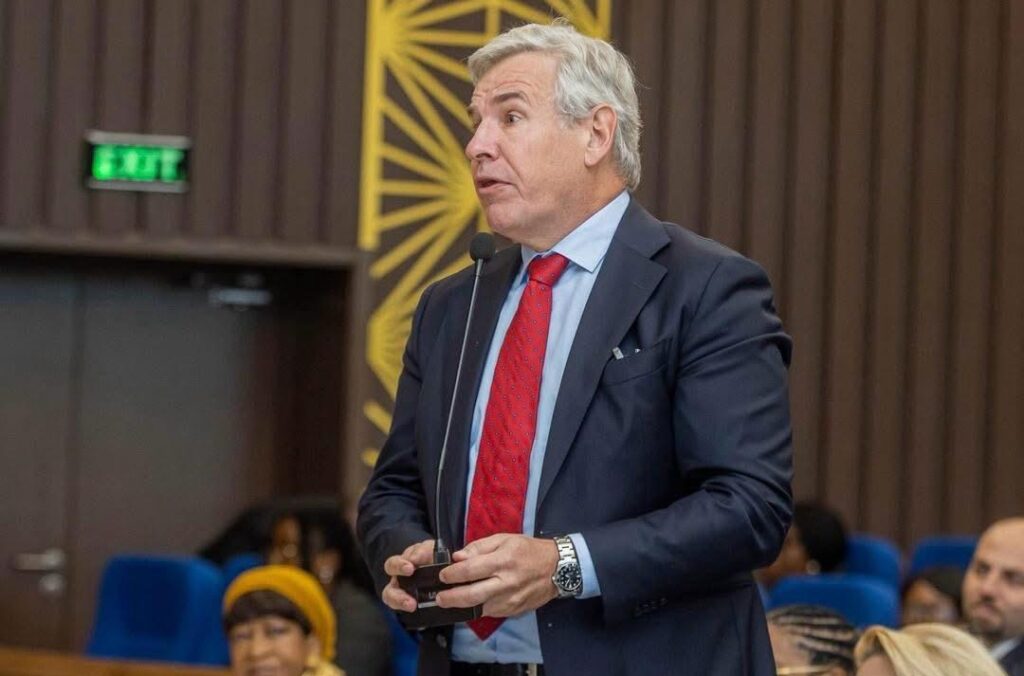
“There is a lot of goodwill, and it is important that this goodwill is harnessed constructively so the process does not become polarising,” he said, adding that the European Union supported Ghana’s efforts towards healing and dialogue.
Similarly, Madam Juliette Bynoe-Sutherland, High Commissioner of Barbados to Ghana, reaffirmed her country’s commitment to deepening cooperation with Ghana in areas of education, cultural awareness and advocacy on the legacy of slavery.
She indicated that Barbados, through the CARICOM Reparations Commission, stood ready to contribute expertise and collaborate on frameworks such as the CARICOM 10-point plan, while also supporting broader global initiatives on equity and justice.
“Reparatory justice requires a critical look at issues of fairness and the international financial order, and we are prepared to work collectively to advance these goals,” she said.
Dr. Erieka Bennett, Founder and Head of Mission of the Diaspora African Forum (DAF), Embassy of the Diaspora, pledged the Forum’s support for Ghana’s leadership on reparatory justice, stressing the critical role of the African diaspora in advancing the global conversation.
She noted that the resolution resonated deeply with descendants of enslaved Africans across the world and underscored the need for structured engagement that centres their voices, experiences and aspirations.
Dr Bennett said the Diaspora African Forum stood ready to collaborate with the Government of Ghana and international partners to strengthen diaspora participation in the upcoming Accra conference, promote cultural reconnection and support initiatives aimed at restitution, healing and long-term development.
The United Nations Educational, Scientific and Cultural Organisation (UNESCO) also reaffirmed its commitment to Ghana’s leadership, highlighting decades of work in documenting the history and legacy of slavery and promoting global understanding.
Mr Edmond Moukala N’Gouemo, UNESCO Representative to Ghana, said the resolution provided an opportunity to transform historical pain into a platform for reconciliation and global cooperation.
He stressed that addressing the legacy of slavery was essential to achieving sustainable development goals, particularly in tackling persistent inequalities affecting people of African descent worldwide.
“Unless this issue is addressed, we will not be able to attain the global development agenda, because the roots of inequality are deeply linked to this history,” he noted.
On the part of France, Ambassador Diarra Dimé-Labille reiterated her country’s willingness to engage in constructive dialogue, despite abstaining during the UN vote.
She referenced discussions between President Emmanuel Macron and President Mahama, emphasising France’s openness to participate in the upcoming conference and contribute to shaping the global conversation.
Responding to concerns about inclusivity, Mr Ablakwa clarified that Ghana’s proposed coalition on reparatory justice remained open to all United Nations member states, regardless of their voting position on the resolution.
He stressed that the initiative was not intended to create divisions between the Global North and South but to build consensus around shared principles of justice, restitution and equality.
“This is a growing coalition, and we welcome all who believe in justice and shared humanity. Our objective is to find common ground and move forward together,” he said.
The Minister expressed optimism that the strong support and constructive engagement demonstrated by the diplomatic community signalled a positive pathway for global cooperation.
The Accra conference is expected to produce a global post-adoption framework that will guide international action and feed into the United Nations Secretary-General’s report ahead of the 82nd session of the General Assembly.
GNA
Edited b George-Ramsey Benamba
April 30, 2026
