
BY VALENTIA TETTEH
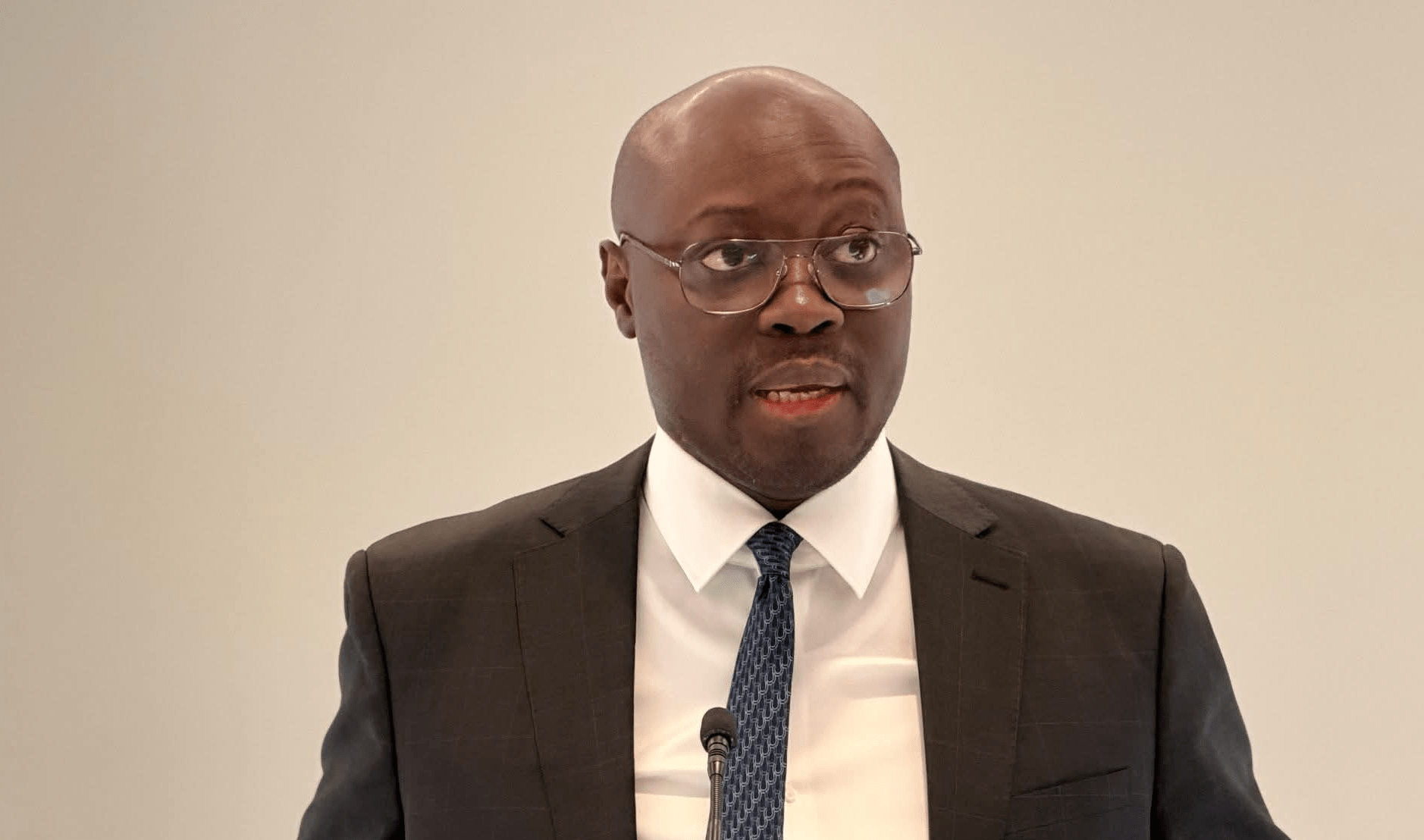
The Minister for Finance, Cassiel Ato Forson, has accused the previous administration of relying heavily on Eurobond borrowing to build Ghana’s international reserves, describing the approach as costly and unsustainable.
Delivering a statement on the floor of Parliament on Wednesday, February 25, 2026, Dr. Forson said the strategy resulted in significant interest payments that placed a heavy burden on the state.
“Between 2018 and 2021, Ghana relied heavily on external borrowings to support reserve build-up. In total, the Eurobond borrowings during the period cost the taxpayer about 2.5 billion dollars in interest payments alone,” he told Parliament.
High cost of reserve accumulation
Presenting a cost-benefit analysis of the Ghana Accelerated National Reserve Accumulation Policy (GANRAP), the Finance Minister explained that the Bank of Ghana had, in recent years, relied on swaps, sale and buy-back arrangements, and other short-term facilities to build reserves at high cost.
According to him, between 2022 and 2024, the Bank of Ghana accumulated about 5.65 billion dollars in reserves through such arrangements, at an interest cost of approximately 1.16 billion dollars.
He further indicated that the government also borrowed from international commercial banks, including JP Morgan, Standard Chartered and Citi Bank, to support reserve accumulation.
“Evidently, all these borrowings from 2017 to 2022 were not enough to stabilise the Ghana cedi, leading to depletion of reserves and significant depreciation of the currency,” Dr. Forson said.
The Finance Minister added that Ghana continues to service these debts, noting that the country is expected to pay about 1.5 billion dollars in debt service to Eurobond holders in 2026 alone.
Dr. Forson said the government’s new strategy under GANRAP seeks to reduce reliance on expensive borrowing by using alternative mechanisms, including the operations of the Ghana Gold Board, to build reserves more sustainably.
He disclosed that the Gold Board generated about 10 billion dollars in foreign exchange in 2025 at a significantly lower cost compared to previous borrowing models.
“Borrowing to support reserve accumulation is unsustainable and leads to high debt distress. The Ghana Gold Board model has proven to be a more cost-effective approach,” he stated.
The Finance Minister said the new approach has already contributed to improvements in macroeconomic stability, including increased reserves, appreciation of the cedi, declining inflation, and improved debt sustainability.
Government says the policy forms part of broader efforts to strengthen Ghana’s external position and reduce vulnerability to global economic shocks.
More stories here

