

Ghana needs a new path for development. The nation’s progress is not limited by its potential — it is limited by its mindset. For years, Ghana has suffered under layers of ignorance that have slowed its advancement. This ignorance shows itself in many forms: self‑hate, the pull‑him‑down mentality, the urge to destroy rather than build, the painful legacy of the slave trade, hostility toward the nation’s first president, corruption, mismanagement, insolence, environmental destruction, and the hidden traps of external financial dependence and short political cycles.
Ghana possesses the resources, the talent, and the capacity to rise. Yet progress is repeatedly hindered by the attitudes, habits, and leadership culture that shape national decision‑making. True transformation does not begin with a new administration alone; it begins with a renewed mind — a shift in how leaders think, how citizens behave, and how the nation understands its purpose.
If sacrifices are not made now to fix the country, the cycle of hatred and harm will continue to drag the nation away from its true path. Ghana cannot rise on convenience, comfort, compromise or complacency. Every great nation was built on the willingness of its people to confront hard truths, abandon destructive habits and embrace a higher vision. Without intentional sacrifice in mindset, in behavior and in leadership culture, the same patterns that have weakened Ghana for generations will persist. But if the nation chooses renewal over rivalry, discipline over disorder and unity over division, Ghana can finally break free from the forces that have held it back and step boldly into the future it deserves.
For decades, political leadership in Ghana has operated with patterns that slow progress: rivalry instead of collaboration, competition instead of nation‑building, and personal ambition overshadowing collective responsibility. Public discourse often reflects this tension — from parliamentary debates filled with conflict to public commentary shaped by suspicion and division. These patterns reveal a deeper issue: development cannot flourish where the mindset resists unity, discipline, fairness and long‑term vision.
Leadership in Ghana is frequently treated as a title rather than a responsibility. Many aspire to be called “Honorable,” yet fewer embrace the weight of leading with integrity, humility and national purpose. When leadership becomes a badge instead of a burden, systems weaken, institutions suffer and citizens lose trust.
Ghana has experienced economic hardship, public frustration, and governance challenges. These realities have shaped public sentiment and influenced electoral decisions. Many citizens express hope that new leadership teams — made up of individuals they believe can bring discipline, accountability, and direction — will help steer the nation toward stability. This hope reflects a deeper longing: Ghanaians want leadership that listens, learns, and leads with wisdom.
Some people interpret political transitions through a spiritual or symbolic lens, believing that certain leaders emerge at specific moments to redirect the nation’s path. Whether viewed spiritually or practically, the desire is the same: a Ghana that moves from struggle to stability, from frustration to progress, from stagnation to transformation.
But leadership alone cannot change a nation. Ghana must confront the cultural patterns that weaken unity: envy, internal sabotage, division, and the “pull‑him‑down” mentality. These traits have historical roots — from internal conflicts to the painful legacy of exploitation — and they continue to influence modern behavior. When citizens undermine one another, celebrate failure, or prioritize personal gain over national progress, development becomes impossible.
Ghana is rich in wisdom, talent, and potential. The nation has brilliant chiefs, educated professionals, entrepreneurs, innovators, and visionaries. Yet potential without unity becomes scattered energy. Intelligence without integrity becomes manipulation. And leadership without nationalism becomes self‑preservation.
A nation cannot rise when it praises corruption, normalizes selfishness, or rewards destructive behavior. Nor can it progress when public discourse is dominated by insults, baseless accusations, and partisan hostility. These patterns drain national energy and distract from the real work of building systems, strengthening institutions, and shaping a future worthy of the next generation.
Ghana’s transformation requires more than political change — it requires a mindset revolution. A shift from rivalry to responsibility. From suspicion to collaboration. From personal ambition to national purpose. From short‑term thinking to long‑term vision. Only then can Ghana rise into the nation it is capable of becoming.
President Mahama, save Ghana. A Proposed Framework for Ghana’s Long‑Term National Reset:
- Constitutional Reform. A modern nation requires a modern constitution. This proposal calls for a comprehensive review of Ghana’s constitution to address outdated clauses, strengthen accountability, reduce loopholes and create a governance structure that supports long‑term development. Constitutional reform would ensure that national progress is not hindered by structural limitations.
- President Mahama should lead the next 15-year leadership. A 15‑Year Pause on National Elections. Frequent elections can disrupt long‑term planning and drain national resources. This proposal suggests a fixed 15‑year governance window to allow uninterrupted development, reduce political tension, and focus national energy on rebuilding institutions, infrastructure and the economy. The intention is stability, not authoritarianism.
- Appoint Two Younger Vice Presidents. Introducing younger leaders into high office injects innovation, energy, and generational balance. This proposal suggests selecting two younger vice presidents to support national transformation with fresh ideas and modern perspectives.
- Retain Ato Forson at the Ministry of Finance. Economic stability requires consistent leadership. Keeping the same finance minister ensures continuity in fiscal policy, debt management, and economic reforms. This reduces uncertainty and builds investor confidence.
- Maintain Current Leadership Structures. To avoid administrative resets, this point proposes retaining MPs, DCEs, MCEs, and CEOs for continuity. Long‑term leadership stability can help maintain momentum, reduce policy reversals, and allow leaders to focus on results rather than campaigning.
- Remove Ex‑Gratia Benefits. Eliminating ex‑gratia payments for MPs and public officials reduces government expenditure and promotes a culture of service rather than entitlement. It signals fairness and restores public trust in leadership.
- Reduce MP Salaries and Reallocate Funds. Cutting MP salaries to two‑thirds of their current amount frees resources to increase the salaries of teachers, soldiers, and police officers — groups essential to national security, education, and stability. This reallocation prioritizes frontline workers.
- Introduce Price Controls on Essential Goods. To protect citizens from inflation and exploitation, this proposal suggests setting regulated price ranges for key commodities. Price controls can stabilize the cost of living and prevent sudden economic shocks.
- Increase Government‑Led Importation. Allowing government agencies to import essential goods helps regulate prices, reduce middle‑man inflation, and ensure affordability. This approach can stabilize markets and prevent artificial scarcity.
- Strengthen Law Enforcement and Judicial Fairness. A nation cannot progress without justice. This point calls for enforcing laws consistently, improving court efficiency, and ensuring unbiased judgments. A strong justice system builds discipline, trust, and national order.
- Reform the Education System. Education must match national needs. This proposal calls for updating curricula to emphasize technology, entrepreneurship, agriculture, engineering, and practical skills. The goal is to produce problem‑solvers, not just certificate holders.
- Accelerate Industrialization. Ghana has the resources to industrialize rapidly. This point calls for building factories, processing raw materials locally, and reducing dependency on imports. Industrialization creates jobs, boosts exports, and strengthens the economy.
- Form a 20‑Member National Business Advisory Council. This council would consist of top business minds who understand industry, innovation, and economic growth. Their role would be to guide national strategy, support industrialization, and provide practical solutions for economic transformation.
- Strengthen Laws Against Sabotage and Obstruction. National progress often faces resistance from individuals or groups who benefit from chaos. This proposal calls for strict laws against sabotage, misinformation, and actions that undermine development efforts.
- Establish Refinery Companies for Oil and Minerals. Instead of exporting raw materials, Ghana can refine oil, gold, bauxite, and other minerals locally. This increases revenue, creates jobs, and keeps value within the country.
- Reform Operational Laws for Fairness and Efficiency. This point calls for updating business and governance laws to ensure transparency, fairness, and efficiency. Clear laws reduce corruption, speed up processes, and attract investors.
- Expand Road Infrastructure. Good roads connect markets, reduce transportation costs, and improve trade. This proposal calls for constructing and upgrading roads nationwide to support economic activity and regional development.
- Develop and Modernize Beaches. Ghana’s coastline is an untapped economic asset. Developing beaches into tourism hubs can create jobs, attract foreign visitors, and boost the hospitality industry.
- Build Regional Manufacturing Plants for Construction Materials. Each region would have factories producing cement, tiles, roofing sheets, and other materials. This reduces construction costs, creates jobs, and promotes regional equality.
- Promote Mass Production Across Industries. Mass production reduces costs, increases availability, and strengthens local industries. This proposal calls for scaling up production in agriculture, manufacturing, textiles, and technology.
- Enforce Bylaws Against Workplace Sabotage. Factories and industries must operate efficiently. This point calls for strict regulations to prevent internal sabotage, laziness, theft, and behaviors that slow production.
- Expand Technology‑Driven Farming. Modern agriculture requires irrigation, mechanization, drones, improved seeds, and digital tools. This proposal aims to increase food production, reduce imports, and strengthen food security.
- Expand Renewable Energy and Power Stability. Stable electricity is essential for development. This point calls for investing in solar, wind, hydro, and other renewable sources to reduce power outages and support industrial growth.
- Strengthen National Security and Border Protection. A secure nation attracts investment and protects its people. This proposal calls for modernizing the military, police, and intelligence services, and improving border control to prevent smuggling and crime.
- Build a National Data and Technology Infrastructure. A digital nation is an efficient nation. This point calls for national databases, cybersecurity systems, digital IDs, and tech hubs to support innovation, governance, and economic growth.
- Strengthen Public Health Systems. This proposal calls for upgrading hospitals, training more medical staff, improving emergency services, and ensuring access to essential medicines. A healthy population is a productive population.
- Expand Affordable Housing and Urban Development. Building modern, affordable housing reduces slums, improves living conditions, and supports urban planning. This includes sanitation, water systems, and green spaces.
- Develop a National Transportation Network. Railways, modern buses, improved airports, and efficient public transit reduce travel time, boost trade, and support industrialization.
- Promote Tourism Through Cultural and Historical Development. Ghana’s culture and history are global treasures. This proposal calls for preserving heritage sites, improving tourist facilities, and promoting Ghana internationally to boost tourism revenue.
- Establish a National Innovation and Research Fund. Innovation drives national progress. This fund would support universities, inventors, and entrepreneurs to create solutions in agriculture, health, energy, and technology. It positions Ghana for long‑term competitiveness.
Conclusion
Ghana’s future will not be transformed by resources alone, nor by leadership titles, nor by political cycles. True national progress begins with a renewed mind — a shift in attitude, character, and collective purpose. When unity replaces rivalry, integrity replaces corruption, and responsibility replaces self‑interest, the nation will rise. Ghana has everything it needs to become great; what remains is the courage to change the mindset that has held it back. The moment that change begins, Ghana’s true development will finally unfold. A nation advances when its people put Ghana first.
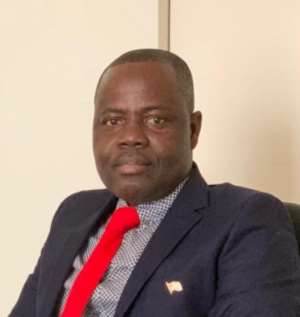
Am, Gaddiel Ackah.
I am US Navy Veteran with a thoughtful voice on leadership, national mindset and spiritual transformation. My writings blend social insight, moral clarity and a deep desire to see individuals and nations rise into their full potential. With a passion for truth, responsibility and renewal, I do challenge readers to think beyond politics and embrace the mindset required for lasting progress. My work calls people to higher values, deeper reflection and a commitment to building a better future.

