
1
El Ameen Ibrahim
Nigeria’s ability to produce world-class athletes and sustain grassroots programmes is under threat unless the government backs the National Institute for Sports (NIS) with significantly larger funding, its Director-General has warned.
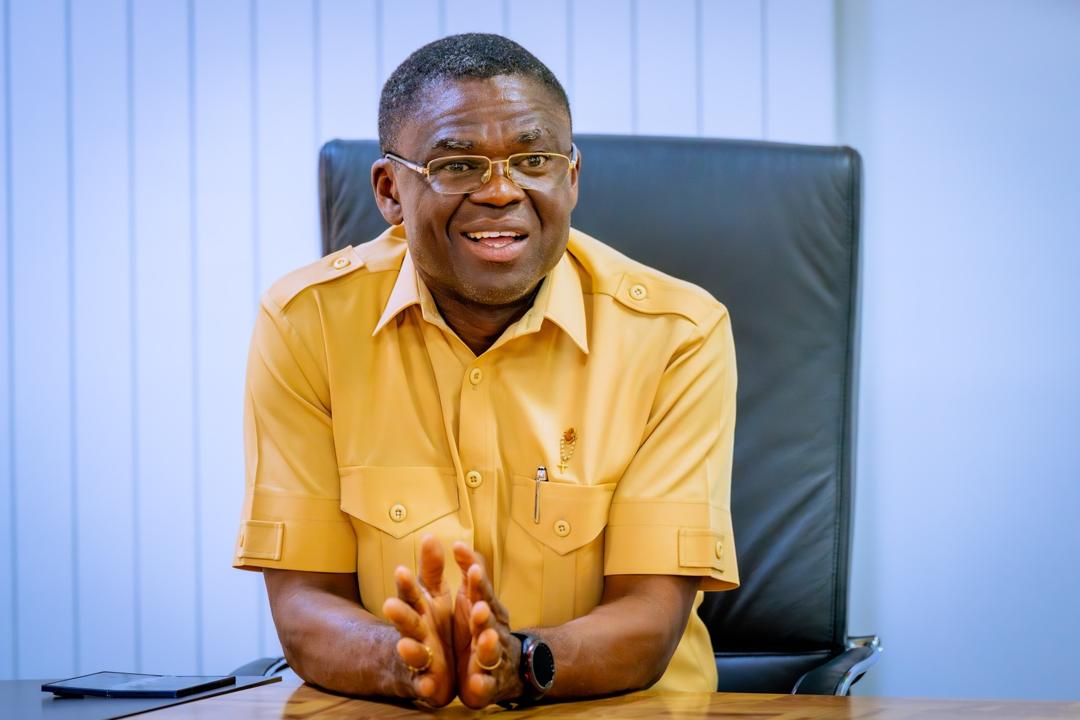
Appearing before lawmakers in Abuja on Wednesday for a budget defence session, Comrade Philip Shuaibu framed the institute’s funding gap as a strategic risk to the country’s sporting future.
He stressed that without immediate fiscal commitment, the NIS will struggle to train coaches, develop talent at community level and extend its presence across the federation.
The DG’s appeal was issued in a statement signed by the S. A. Media, Office of the DG/CEO NIS, Ben Ogbemudia. Shuaibu made clear the institute remains focused on building the sports workforce and expanding grassroots programmes but said those goals are unattainable without adequate resources.
“Our mandate is to train manpower for the sports ecosystem and promote sports from the grassroots,” he said.
“But we cannot achieve this without adequate government funding. We need a budget that reflects our vision and mission to improve sports in Nigeria.”
Shuaibu — the immediate past Deputy Governor of Edo State — thanked President Bola Tinubu and the House Committee on Sports for their continued support, while pressing for the speedy constitution of the National Sports Commission board.
He argued a fully constituted board would bring strategic direction and the institutional stability needed for long-term development.
Describing NIS as the lifeline of sports development in Nigeria, Shuaibu urged that premium attention be given to the institute to enable the country to climb higher in both local and international competitions.
He pointed to the institute’s limited visibility in many states as evidence of chronic underfunding, saying that constrained budgets have hampered expansion and outreach.
Responding, the Chairman of the House Committee on Sports, Rep. Kabiru Amadu, lamented the poor financing of the institute and reiterated that the NIS is a critical pillar for national sports progress.
He called for larger budgetary allocations so the institute can effectively discharge its responsibilities and pledged the committee’s support in working with stakeholders to improve funding.
Established in 1974, the National Institute for Sports is Nigeria’s premier training and research centre for sport. Its mandate is to produce qualified coaches, sports administrators and technical personnel who will drive excellence across the nation’s sporting programmes.

