

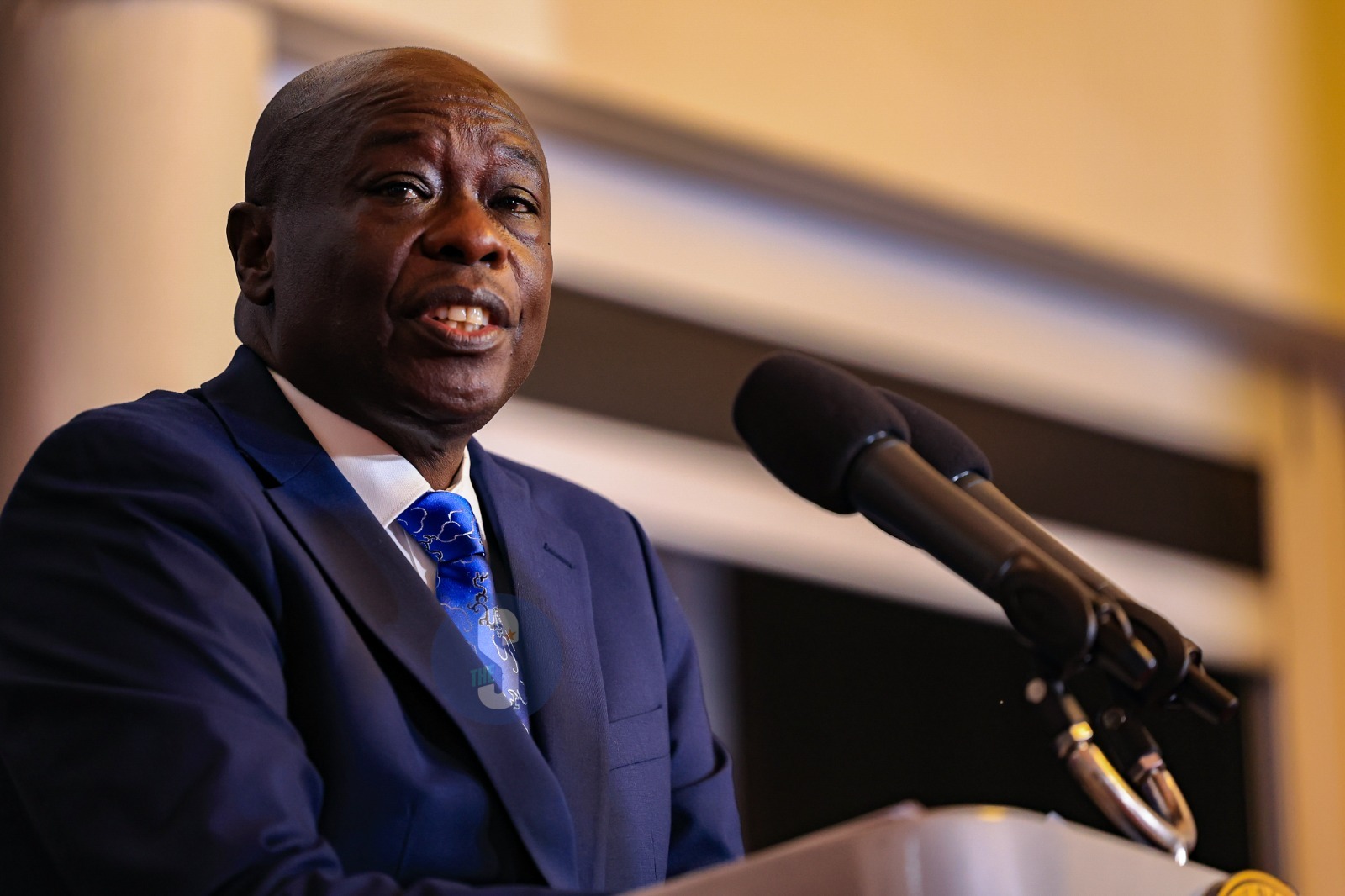
Former Deputy President Rigathi Gachagua has warned that Kenya is facing a deepening drought and food security crisis that requires urgent national attention.
He said current assessments indicate that about 3.3 million people are already experiencing high levels of acute food insecurity, a figure he said is expected to rise as below-average rains, rising temperatures, and declining harvests continue to strain livelihoods.
Speaking on Tuesday during a press release, Gachagua highlighted the humanitarian toll, noting that “as of December 2025, the crisis was particularly severe among the most vulnerable, with more than 741,000 children under the age of five years acutely malnourished, and over 109,000 pregnant and lactating women in need of treatment, underscoring the scale of the humanitarian emergency.”
The Democracy for Citizens Party Leader also pointed to the growing problem of water scarcity. “Women and children bear the greatest burden, walking long distances, missing school and facing increased risks of disease and malnutrition,” Gachagua said.
He added that this suffering is particularly harsh as it unfolds during Ramadan, when many families already fasting endure hunger and thirst imposed by circumstances.
In light of these realities, Gachagua called on President William Ruto to act decisively.
“William Ruto must declare the drought in northern Kenya a national disaster,” he said.
According to Gachagua, such a declaration would unlock both national and international support needed to save lives, protect livelihoods, and restore the dignity of affected communities.
He emphasised the importance of preparedness in mitigating disasters. “Before a drought reaches the emergency phase, a responsible leadership does preparedness,” Gachagua said.
He cited the impact of three failed rainy seasons and the urgent need for proactive measures, including the construction of water pumps, dams, and the timely allocation of emergency funds to those in need.
The former deputy president’s remarks underscore growing concern over the worsening conditions in northern Kenya, where prolonged dry spells, failing crops, and insufficient water supplies continue to threaten food security and community wellbeing.
The warning comes as the government announced that it will spend Sh4 billion every month to procure food and non-food items, livestock feeds, and water as part of ongoing drought response measures.
The funds are aimed at supporting people, livestock, and wildlife in drought-affected areas.
In addition to the monthly allocation, development partners have been asked to contribute an additional Sh2 billion, which the government says will strengthen the effectiveness of the interventions.
Speaking on Monday, Deputy President Kithure Kindiki said up to 23 counties currently require drought response measures.
“We also need food to reach schools to ensure that learning is not interrupted,” he said, adding that ongoing interventions have been reviewed to ensure food supplies address the needs of “sensitive and special sections of society.”
Kindiki noted that county drought steering committees will be fully activated to improve coordination and address delays in aid delivery.
“Food is taking too long to reach the population. We have directed that the committees be activated to deal with last-mile delivery,” he said, adding that water interventions are also being scaled up and procurement processes expedited.

