Close Menu
  • Home
  • Latest News
  • Top stories
  • Local News
  • Politics
  • Business
  • Entertainment
  • More
    • Sports
    • Nollywood
    • Tech
    • Editorial
    • Health
    • World
    • Lifestyle
  • Africa
    • Kenya
    • Nigeria
    • South Africa
Sports

New Signings: Ghana FA confirms 2026-27 player and coach transfers

September 2, 2026

GPL 2026-27: Kwesi Appiah sends a goodwill message to Asante Kotoko

September 1, 2026

Messi Retires From Int’l Football

September 1, 2026
Facebook X (Twitter) Instagram
Ghanamma.comGhanamma.com
  • Home
  • Latest News

    McTominay out for a month with heart issue

    September 2, 2026

    South Africa vs New Zealand: Rassie Erasmus and Dave Rennie's war of words escalates with series finely poised – Sky Sports

    September 2, 2026

    News Comments Kenya Simbas back-rower joins French club – Mozzart Sport Kenya

    September 2, 2026

    ‘I didn’t go there for a beauty contest’ – Asiedu Nketiah on wearing wife’s coat to Germany

    September 2, 2026

    New Signings: Ghana FA confirms 2026-27 player and coach transfers

    September 2, 2026
  • Top stories
  • Local News
  • Politics
  • Business
  • Entertainment
  • More
    • Sports
    • Nollywood
    • Tech
    • Editorial
    • Health
    • World
    • Lifestyle
  • Africa
    • Kenya
    • Nigeria
    • South Africa
Facebook X (Twitter) Instagram Pinterest Vimeo
Subscribe
Ghanamma.comGhanamma.com
Home»Business»Ghana Limits Offshore Investments to Protect Cedi and Strengthen Economic Stability
Business

Ghana Limits Offshore Investments to Protect Cedi and Strengthen Economic Stability

Ghana NewsBy Ghana NewsFebruary 8, 2026No Comments3 Mins Read
Facebook Twitter Pinterest LinkedIn Tumblr Email
Share
Facebook Twitter LinkedIn Pinterest Email Copy Link

Get real time updates directly on you device, subscribe now.

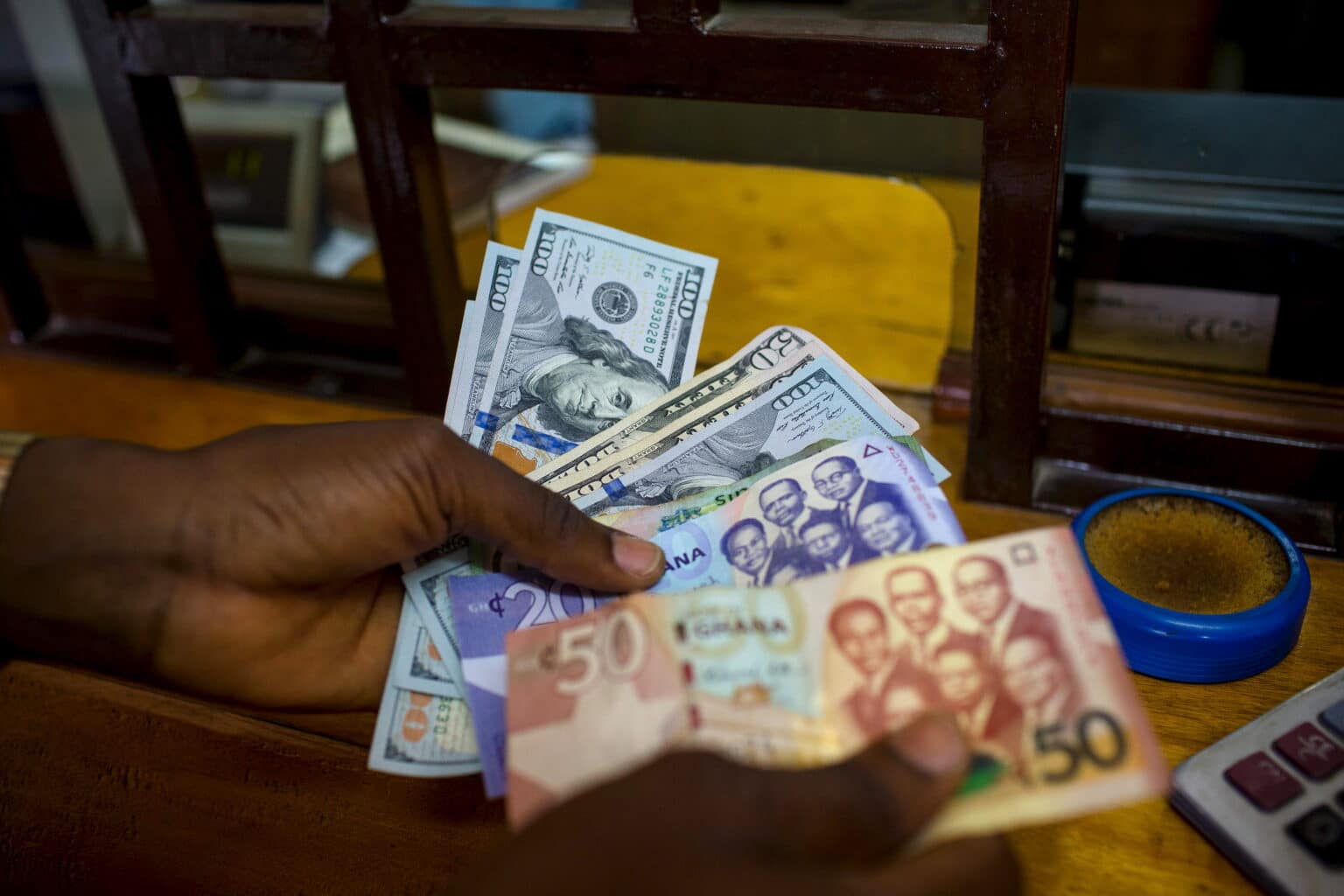
Ghana’s Securities and Exchange Commission has ordered local fund managers to reduce offshore investments in a move designed to protect the cedi and reinforce macroeconomic stability as the country continues recovering from one of the toughest economic periods in its recent history.

Under the new directive, local fund managers are now restricted to investing a maximum of 20 percent of funds under management in foreign securities. Previously, some funds were allowed to place the majority or even all of their capital offshore. Those funds are now capped at 70 percent exposure to foreign assets.

The regulator also introduced an additional layer of oversight. Any foreign investment must now be placed only in countries that share financial information with Ghana’s Securities and Exchange Commission. The measure is aimed at improving transparency, monitoring capital flows and limiting exposure to external financial shocks.

The policy shift comes as Ghana works through a three year International Monetary Fund support programme which is expected to conclude in August. The country, one of the world’s leading producers of gold and cocoa, has been rebuilding confidence in its financial system following currency pressure, inflation challenges and debt restructuring.

For policymakers, the logic is straightforward. Limiting capital flight keeps more liquidity inside the domestic economy. It supports the currency and helps stabilize inflation expectations. It also signals to global investors that Ghana is prioritizing financial discipline and regulatory control during a sensitive recovery phase.

For fund managers, the adjustment means recalibrating portfolio strategies that previously relied heavily on foreign assets for returns and currency hedging. In the short term, some investment houses may see reduced diversification flexibility. In the long term, however, the policy could deepen Ghana’s local capital markets by forcing more capital to circulate domestically.

Across Africa, similar conversations are happening quietly inside central banks and finance ministries. The balance between global capital access and domestic currency protection is becoming one of the defining policy debates of this decade. Countries want foreign investment but also want control over capital flows that can destabilize local economies during global shocks.

Ghana’s move signals a phase where African regulators are becoming more assertive, not to isolate their economies but to manage globalization on their own terms. The question is not whether Africa participates in global markets. The question is how Africa participates and who controls the pace and structure of that participation.

The deeper story is about economic sovereignty. Nations emerging from crisis often shift toward tighter capital management before reopening more aggressively once stability is secured. Ghana appears to be following that playbook.

The reality is that economic rebuilding is rarely linear. Currency protection policies can slow capital movement in the short term but can also create stronger financial foundations over time. For a country rebuilding investor trust, currency stability often comes first.

What matters now is execution. If domestic markets deepen, local investment opportunities grow and macro stability holds, these restrictions could be remembered as a transition phase rather than a permanent wall against global finance.

And regardless of current pressures, the bigger trajectory remains clear. Many African economies are still early in their institutional and financial lifecycle compared to nations with centuries of accumulated capital infrastructure. The momentum being built today is laying foundations for decades ahead, and the continent’s long term story is still being written with energy, resilience and forward momentum.

Related

Share. Facebook Twitter Pinterest LinkedIn Tumblr Email
Ghana News
  • Website

Related Posts

From Kayayei to Green Enterprise: Unlocking commercial value in Ghana’s circular economy – thebftonline.com

September 2, 2026

Non-interest banking not religious doctrine – Governor Asiama

September 2, 2026

Education Ministry postpones placement results to September 4

September 2, 2026
Leave A Reply Cancel Reply

You must be logged in to post a comment.

Top Posts

Ghana’s One Million Coders Programme Begins ICT Trainers’ Training

September 1, 20260 Views

Prof Peprah urges MMDAs to leverage technology, build adolescent friendly cities  

August 31, 20260 Views

Innovation at Scale: Ghana’s Ed-Tech Leaders Convene to Reshape Digital Learning

August 31, 20260 Views

Sena Institute of Technology moves towards university status

August 28, 20261 Views

Ghana must tap AfCFTA for climate finance, green technology – Zanetor

August 27, 20261 Views
About Us
About Us

Ghanamma is an independent digital news platform delivering timely updates and reliable information across politics, business, technology, health, entertainment, sports, and world affairs, helping readers stay informed through trustworthy journalism and meaningful insights.

Facebook X (Twitter) Pinterest YouTube WhatsApp
World News

South Sudan’s leader sacks aides after dead man appointed

February 4, 2026

South African white separatists claim land acquired from Zulu king then lost to British

February 2, 2026

Muhoozi’s outbursts expose Uganda’s unease with funding Somalia war

February 2, 2026
Top stories

University of Ghana Attributes Fee Increases to Student Leadership Charges

January 2, 20263 Views

Sam Jonah, 3 Others Cleared Of Criminal Charges In River Park Estate Dispute In Nigeria

January 2, 20264 Views

GCNH donates health logistics to Ho Municipal Health Directorate  

January 2, 20261 Views
  • About Us
  • Contact Us
  • Cookies Policy
  • Privacy Policy
  • Terms & Conditions
  • Disclaimer
© 2026 Ghanamma. Designed by Ghanamma.

Type above and press Enter to search. Press Esc to cancel.