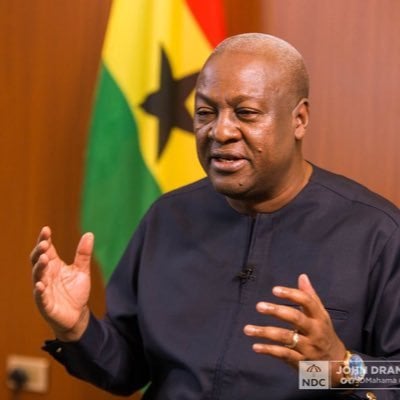
 His Excellency John Dramani Mahama
President John Dramani Mahama’s New Year message was more than a ceremonial address. It was a statement of direction, confidence, and shared responsibility. Declaring that Ghana is “rising again,” the President situated the past year as a turning point, one marked by deliberate reforms, prudent economic management, and a renewed belief in the resilience of the Ghanaian people.
He reminded the nation of the difficult inheritance his administration faced: an economy under severe strain, inflation soaring above 23 percent by the end of 2024, rising unemployment, deteriorating infrastructure, weakened public trust, and a general sense of hopelessness. Many believed recovery would take decades. Yet, one year on, the narrative has shifted.
Inflation is projected to fall to single digits, around 5 percent by the end of 2025. The cedi has shown relative stability and is on course to be ranked among the world’s better-performing currencies. Economic growth is gradually picking up, investor confidence, both domestic and foreign is returning, and Ghana has regained credibility with international partners. The renegotiation of debt obligations and the dignified exit path from the IMF programme further signal a country reclaiming control of its economic destiny.
But beyond the statistics and policy milestones lies a deeper leadership philosophy, one that President Mahama consistently communicates through his choice of words. When he speaks, he says “we.” That simple pronoun is not accidental. It reflects an understanding that national recovery is not the work of one man, but the outcome of competent, accountable, and collaborative leadership.
If Ghana is to truly rise again, the President’s appointees must be more than title holders; they must be active drivers of reform. Governance succeeds or fails at the level of execution, and execution rests squarely on those entrusted with authority.
Among all appointees in 2025, the following individuals stand out by every measure. They are widely acknowledged for earning strong public approval, and their leadership roles have had a direct and positive impact on economic stability, institutional credibility, and overall social progress:
Finance Minister Dr. Cassiel Ato Forson, whose stewardship of fiscal discipline, debt restructuring, and inflation control remains central to the recovery story.
Governor of the Bank of Ghana, Dr. Johnson Asiamah, whose role in stabilizing the currency and restoring confidence in monetary policy cannot be overstated.
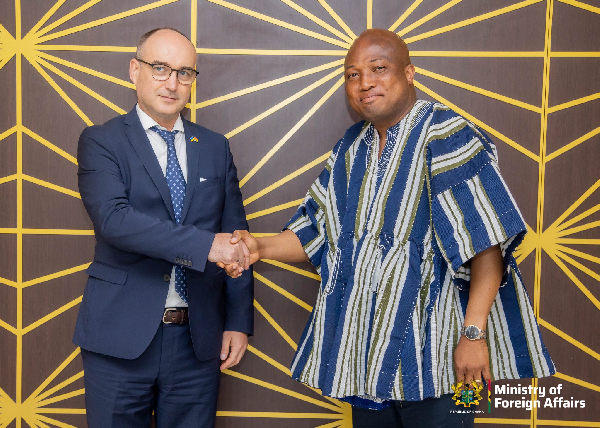
Samuel Okudzeto Ablakwa, Minister for Foreign Affairs, strengthening Ghana’s diplomatic engagement and international standing.
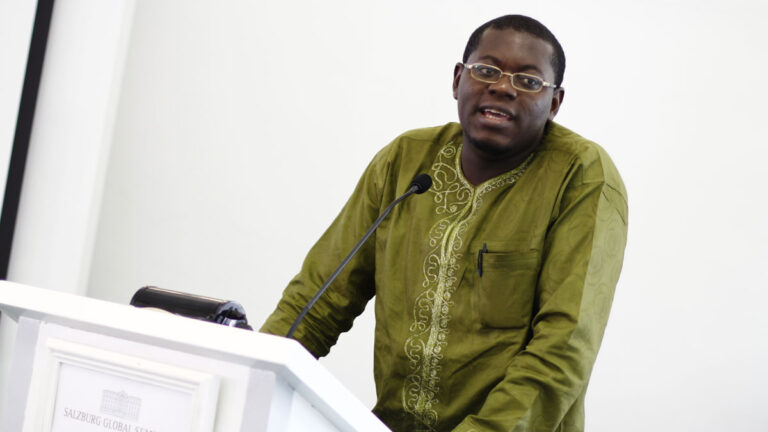
Prof. Ransford Gyampo, CEO of the Ghana Shippers Authority, contributing to trade efficiency and port-sector reforms.
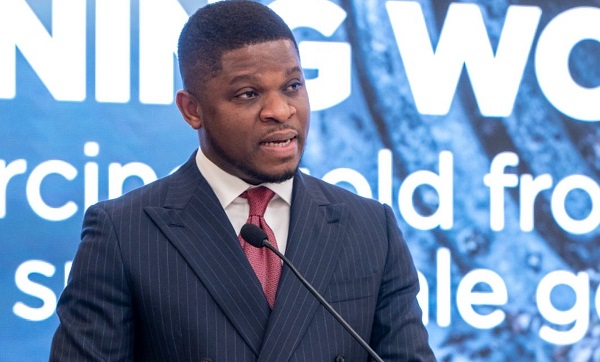
Sammy Gyamfi, CEO of GoldBod, positioned at the heart of value addition, transparency, and national benefit from Ghana’s mineral wealth.
Professor Klutse, CEO of the Environmental Protection Agency, whose leadership is crucial in balancing development with environmental sustainability, especially in the fight against galamsey.
Edmond Kombat, Managing Director of Tema Oil Refinery, overseeing a strategic national asset vital to energy security.
Malik Basintale, CEO of the Youth Employment Agency, carrying the hopes of a generation seeking dignity through work.
Michael Kpakpo Allotey, Mayor of Accra, whose performance directly affects urban governance, sanitation, transport, and public order.
Dr. Frank Amoakohene, Ashanti Regional Minister, managing one of the country’s most politically and economically significant regions.
Armah Kofi Buah, Minister for Lands, at the frontline of land administration reform and the battle against illegal mining.
Dr. Dominic Ayine, Attorney General, tasked with restoring faith in justice, accountability, and the rule of law.
Raymond Acher, head of EOCO, whose effectiveness is measured by how boldly economic crime is confronted.
Edudzi Tamakloe, CEO of the National Petroleum Authority, safeguarding transparency and stability in the downstream petroleum sector.
Governs Kwame Agbodza, Minister for Roads, whose work must be visible, durable, and impactful across communities.
Haruna Iddrisu, Minister for Education, shaping the future through policy, infrastructure, and relevance of education to national development.
Eric Opoku, Minister for Food and Agriculture, whose success will be seen in food security, farmer livelihoods, and reduced import dependence.
Dr. John Jinapor, Minister for Energy, steering a sector critical to industry, households, and investor confidence.
These appointees, among others, form the backbone of the President’s “we.” When they perform, Mahama succeeds. When Mahama succeeds, Ghana succeeds.
Yet, progress at the top must be matched by effectiveness on the ground. Nowhere is this more urgent than in galamsey-prone areas. Metropolitan, Municipal, and District Chief Executives (MMDCEs) are the first line of defense. If they cannot control their territories, protect water bodies, and enforce the law, then no national policy will succeed. Incompetence or complicity at the local level should attract immediate consequences, including removal from office.
One lesson from past administrations is clear: arrogance erodes public trust. Ghanaians respond to humility, responsiveness, and results. Appointees must remain accessible, grounded, and proactive. Authority is not a privilege; it is a responsibility.
One year is gone. Three years remain. Momentum must not slow, it must accelerate. 2026 is a year of heightened expectations. Some appointees are excelling; others are yet to make their impact felt. Titles alone will not reset the system. Initiative, courage, and hard work will.
The President has set the tone. The people are watching. Praise will be given where it is due, and criticism will follow where performance falls short. This is not hostility but a civic responsibility.
If Ghana is truly rising again, then every appointee must rise to the occasion. The reset agenda depends on it.