Ghana’s cocoa industry faces mounting pressure from the European Union as Brussels cautions the country could lose global market share without accelerated reforms addressing sustainability, deforestation and labor concerns.
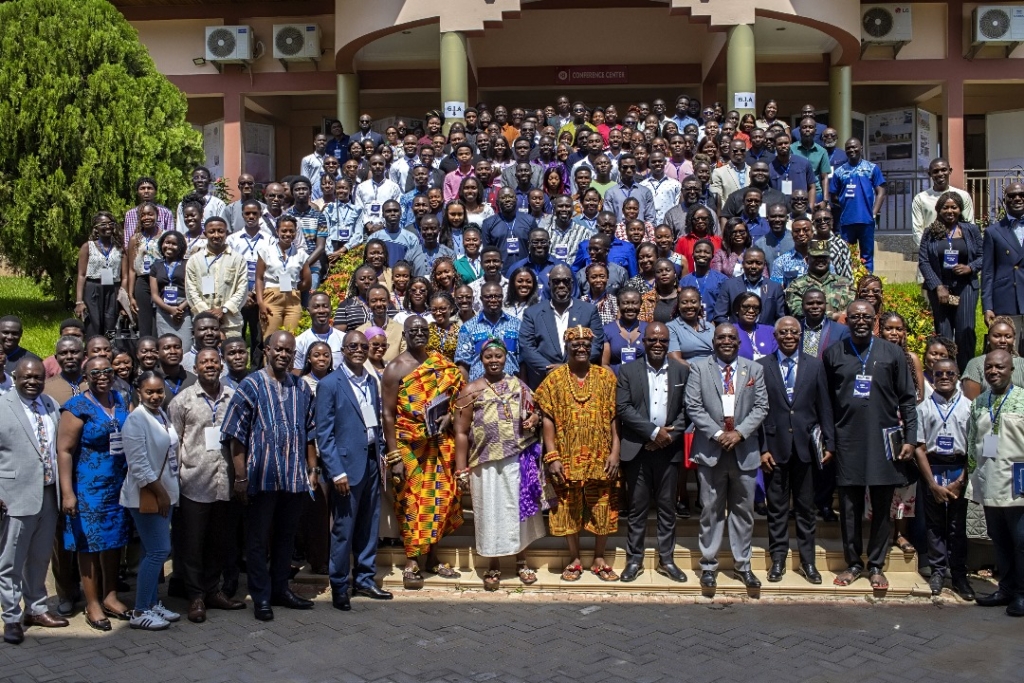
The warning emerged during a two-day Cocoa4Future feedback workshop in Accra, where researchers presented findings from a five-year project funded by the EU and France’s Agence Française de Développement (AFD). The study examined agroforestry, disease control, certification, farmer livelihoods and climate resilience in Ghana and Côte d’Ivoire.
EU officials delivered stern messages at the gathering. “Unless agroforestry adoption accelerates, deforestation is curbed, and labour related risks addressed, West African cocoa could face growing barriers under new European sustainability rules and tighter buyer standards,” they stated.
Research findings revealed that many Ghanaian farmers continue favoring low or no-shade production systems because they boost short-term yields. However, workshop participants noted these approaches undermine forest recovery and leave cocoa-growing areas highly vulnerable to climate change impacts.
Cocoa Swollen Shoot Virus Disease (CSSVD) remains widespread across Ghana’s plantations. In severely affected farms, the virus slashes yields by as much as 202 kilograms per hectare, according to researchers. Farmer-led control methods, including pruning and chemical application, prove largely ineffective against the disease.
Researchers recommend scaling up rehabilitation efforts, producing CSSVD-resistant seedlings and strengthening early detection through farmer training programs. The workshop also advocated reforms to strengthen cooperatives, extend agricultural extension services, provide affordable credit, diversify buyer networks, clarify tree tenure rights and incentivize hybrid cocoa varieties.
Illegal small-scale mining, known locally as galamsey, emerged as a critical concern. EU-backed researchers argue that without stronger measures to curb deforestation, cocoa farms remain exposed to environmental degradation. This warning arrives amid broader EU regulatory changes.
The EU’s Deforestation Regulation (EUDR), which prohibits imports of commodities linked to deforestation, will apply to cocoa from 2025. To support producers, the EU recently launched a two million euro Deforestation Free Cocoa Project in Ghana. The initiative targets 5,000 farmers and aims to rehabilitate more than 1,000 hectares of old plantations using agroforestry between 2025 and 2028.
A consortium of Ghanaian civil society organizations, including Solidaridad West Africa and Tropenbos Ghana, is implementing the project.
Ghana’s cocoa sector faces a parallel crisis through massive smuggling losses. The Ghana Cocoa Board (COCOBOD) revealed that 160,000 tonnes of cocoa were lost to smuggling in the 2023/24 season, representing more than a third of national output.
Charles Amenyaglo, COCOBOD’s Director of Special Services who leads its anti-smuggling task force, said smuggling losses more than tripled during that season. He described how traffickers conceal cocoa in tipper trucks covered by quarry chippings and even inside fuel tankers with original seals intact. COCOBOD intercepted approximately 250 tonnes that season, up sharply from just 17 tonnes the previous year.
Abubakar Omae, General Secretary of Ghana’s Cocoa and Coffee Farmers Association, called the figures alarming.
COCOBOD estimates it has lost over 1.1 billion US dollars to cocoa smuggling between 2022 and 2025. In the Volta and Oti regions alone, authorities documented 7,128.13 tonnes smuggled between 2020 and 2025.
Jake Kudjo Samahar, COCOBOD’s Director of Special Services, identified two smuggling categories in these areas: local smuggling where cocoa beans move directly into Togo, and transit operations that use corridors to reach Togo through various routes.
Economic pressures partly drive the smuggling surge. Farmers turn to traffickers offering higher prices due to delayed payments and low farmgate rates in Ghana. The Supreme Consultative Council of COCOBOD has indicated that a new pricing arrangement could reduce smuggling by 80 percent if implemented.
EU policymakers warn that without meaningful reforms, Ghana’s cocoa could face exclusion from lucrative European markets. The Cocoa4Future project concludes that evidence-based recommendations are now critical as global markets shift decisively toward traceable, climate-resilient and ethically sourced cocoa, standards that Ghana risks falling behind.
Dutch Ambassador to Ghana Jeroen Verheul has echoed similar concerns. He cautioned that without rapid investment to boost productivity and comply with EU sustainability directives, Ghana may face competition from emerging producers like Ecuador and Brazil.
Ghana is responding with efforts to digitize traceability through a Ghana Cocoa Traceability System (GCTS), linking every bag to specific farms, farmers and purchasing clerks. However, time pressures mount as the EUDR will hold cocoa destined for EU markets to rigorous traceability and deforestation-free standards.
The convergence of environmental regulations, disease challenges and smuggling losses presents a complex threat to Ghana’s position as a major cocoa supplier. Industry stakeholders face pressure to implement reforms quickly while maintaining farmer livelihoods and production volumes in an increasingly competitive global market.

































 The Requiem Mass, attended by Former President Nana Akufo Addo, Rebecca Akufo Addo Former First Lady, Majority Leader Mahama Ayariga, family, friends, and sympathisers, marked another solemn step in the preparation toward her final funeral rites. The gathering reflected the widespread grief that followed her passing on October 23, 2025.