Close Menu
  • Home
  • Latest News
  • Top stories
  • Local News
  • Politics
  • Business
  • Entertainment
  • More
    • Sports
    • Nollywood
    • Tech
    • Editorial
    • Health
    • World
    • Lifestyle
  • Africa
    • Kenya
    • Nigeria
    • South Africa
Sports

“There is no money to pay salaries” – Ghana Sports Fund administrator

July 21, 2026

Anyone who says Kotoko will win the GPL next season is being dishonest – Kotoko supporters’ leader Solomon Ofosu-Ware

July 21, 2026

Spain Hailed As Worthy World Cup Champions

July 21, 2026
Facebook X (Twitter) Instagram
Ghanamma.comGhanamma.com
  • Home
  • Latest News

    Ghana’s Parliamentarians Express Growing Frustration: Key Issues Fueling Public Outrage and Legislative Tensions

    July 26, 2026

    Ghana and India Aim for $6 Billion Trade Boost Through Strategic Economic Partnerships

    July 26, 2026

    Ghana’s Economic Reset Under Scrutiny: Six Critical Tests for Sustained Stability Beyond the IMF’s Watchful Eye

    July 26, 2026

    Germany Invests €1.7 Billion in Digital Railway Modernization to Revolutionize Rail Transport

    July 26, 2026

    The Hidden Wealth Gap: Why Ghana’s Politicians Must Face Mandatory Lifestyle Audits for True Accountability

    July 26, 2026
  • Top stories
  • Local News
  • Politics
  • Business
  • Entertainment
  • More
    • Sports
    • Nollywood
    • Tech
    • Editorial
    • Health
    • World
    • Lifestyle
  • Africa
    • Kenya
    • Nigeria
    • South Africa
Facebook X (Twitter) Instagram Pinterest Vimeo
Subscribe
Ghanamma.comGhanamma.com
Home»Top stories»Economy loses US$1.9bn annually through post-harvest losses
Top stories

Economy loses US$1.9bn annually through post-harvest losses

Ghana NewsBy Ghana NewsJanuary 15, 2026No Comments3 Mins Read
Facebook Twitter Pinterest LinkedIn Tumblr Email
Share
Facebook Twitter LinkedIn Pinterest Email Copy Link

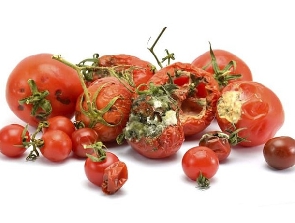
File photo of rotten tomatoes File photo of rotten tomatoes

Over the decades, the country has continued to experience significant post-harvest losses, year after year.

Currently, these losses are estimated at about US$1.9billion annually, almost equivalent to the value of food imports into the country.

The nation imports about US$2billion worth of food each year, yet wastes nearly US$1.9billion worth of locally produced food.

This is disheartening, as farmers go through a tedious production process only for much of their produce to spoil due to the lack of proper storage facilities.

In the 2026 Budget, when allocations for agricultural infrastructure, such as irrigation, electricity, roads, mechanisation services and buffer stock are combined, government spending on agriculture and agribusiness stands at about US$13billion.

This amount is more than six times the value of annual post-harvest losses. While the allocation shows commitment to the sector, the challenge remains how effectively it addresses post-harvest losses, which currently cost the country US$1.9billion each year.

Programmes Officer at the Alliance for a Green Revolution in Africa (AGRA), Basiru Musah, disclosed this in an interview at a regional dialogue organised in Tamale by the Ministry of Trade, Agribusiness and Industry (MoTAI) in collaboration with Agri-Impact Limited, with support from the Mastercard Foundation, PwC and the Development Bank Ghana (DBG).

Farmers in Oti Region struggle as dried cassava chips pile up, buyers scarce.

He stressed the need to prioritise agro-processing and post-harvest management. Ironically, he said the value of post-harvest losses in yam alone is about US$320million annually, despite the labour-intensive process involved in producing the crop.

“Every single year, Ghana loses about US$320million from post-harvest losses in yam alone. This is unacceptable. If we do not invest in storage infrastructure, warehousing and good connecting roads, any attempt by government to increase production will only increase the volume of post-harvest losses,” he warned.

He also referred to the recent experiences of farmers who suffered heavy losses in the past few months and welcomed government’s decision to allocate US$200million to the Buffer Stock Company to purchase excess produce. He said this should be turned into a clear and consistent policy.

According to him, if senior high schools and other government institutions are required by policy to purchase made-in-Ghana food products, it would help the private sector to plan ahead and invest with confidence.

He, therefore, called for policies that would make such interventions more sustainable and attractive to investors.

Musah expressed concern about the low level of investment in storage infrastructure for yam in particular, and urged government to partner the private sector to invest in preservation and storage facilities.

Drawing a comparison with the Ghana Education Trust Fund (GETFund), he said the fund has played a crucial role in supplying skilled labour by supporting educational infrastructure.

“When we train our young people, we must also create opportunities to absorb the skills they acquire. We cannot invest in education and then allow graduates to sit at home without jobs. If GETFund represents the supply side of skilled labour, then we should also establish an AgriFund to drive demand for that skilled labour through agribusiness and agro-processing,” he said.

Share. Facebook Twitter Pinterest LinkedIn Tumblr Email
Ghana News
  • Website

Related Posts

Ghana and India Aim for $6 Billion Trade Boost Through Strategic Economic Partnerships

July 26, 2026

Ghana Advocates for Unified African Reparations Movement Amid Global Recognition of Historical Injustices

July 25, 2026

Ghana’s Government Clarifies No Immediate Recapitalization Plans for Struggling Savings and Loans Firms

July 25, 2026
Leave A Reply Cancel Reply

You must be logged in to post a comment.

Top Posts

Germany Invests €1.7 Billion in Digital Railway Modernization to Revolutionize Rail Transport

July 26, 20264 Views

Telecel Group Boosts Network Expansion in Ghana: A Strategic Leap in Digital Infrastructure for Africa’s Fastest-Growing Market

July 25, 20263 Views

Seamless Technologies Makes Strategic Entrance into Ghana, Pioneering AI-Driven Solutions to Redefine Work, Business, and Daily Life

July 25, 20263 Views

Village Capital Invests $850,000 in Ghana’s Startup Ecosystem, Empowering Five Innovators with Strategic Growth Capital

July 24, 20265 Views

Village Capital Invests $850,000 in Ghana’s Startup Ecosystem, Empowering Five Innovative Companies with Development-Focused Capital

July 23, 20267 Views
About Us
About Us

Ghanamma is an independent digital news platform delivering timely updates and reliable information across politics, business, technology, health, entertainment, sports, and world affairs, helping readers stay informed through trustworthy journalism and meaningful insights.

Facebook X (Twitter) Pinterest YouTube WhatsApp
World News

South Sudan’s leader sacks aides after dead man appointed

February 4, 2026

South African white separatists claim land acquired from Zulu king then lost to British

February 2, 2026

Muhoozi’s outbursts expose Uganda’s unease with funding Somalia war

February 2, 2026
Top stories

University of Ghana Attributes Fee Increases to Student Leadership Charges

January 2, 20261 Views

Sam Jonah, 3 Others Cleared Of Criminal Charges In River Park Estate Dispute In Nigeria

January 2, 20261 Views

GCNH donates health logistics to Ho Municipal Health Directorate  

January 2, 20260 Views
  • About Us
  • Contact Us
  • Cookies Policy
  • Privacy Policy
  • Terms & Conditions
  • Disclaimer
© 2026 Ghanamma. Designed by Ghanamma.

Type above and press Enter to search. Press Esc to cancel.