


By The COAST Reporter
Email, [email protected]
Diesel import costs fell 23.9% in Kenya’s last pricing cycle, yet the pump price of diesel did not move.
The estimated Ksh8.02 per litre of relief that could have gone to diesel was used instead to keep petrol and kerosene prices unchanged.
EBC Financial Group (EBC) says that gap is exactly what transport operators, farmers and other diesel-dependent businesses should watch for again in Kenya’s August 14 fuel price review.
Whether diesel actually gets the relief this time, or whether it is redirected to petrol and kerosene once more, a pattern EBC has tracked in past pricing cycles.
The window for counting the fuel shipments behind that review closed on 9 August. EBC analysts note that the review should be judged not by the oil price headline, but by three factors: (1) what Kenya actually paid for each fuel, since diesel, petrol and kerosene can move in different directions even off the same crude number; (2) how much of any relief is shifted between fuels instead of reaching the one it was meant for; and (3) how much of the final price comes from government support rather than a genuine drop in cost. Only those checks may show whether diesel users end up better off.
With transport costs already 15.6% higher than a year ago, how that plays out could matter for far more than just drivers, since diesel costs move through freight rates, farm-to-market transport and public transport fares before they reach food prices and the wider cost of living.
Kenya’s fuel costs have been under pressure for months because of the renewed conflict involving the US, Israel and Iran, which eased briefly in April before flaring up again and disrupting shipping through the Strait of Hormuz, one of the world’s key oil routes.
David Precious, senior market analyst at EBC Financial Group, said, “Oil prices have put a lot of pressure on costs in Kenya this year, but the latest market move doesn’t tell us what will happen at the pump next.
The cargo window has now closed, so the real question is what Kenya actually paid for petrol, diesel and kerosene during that time, and how much of any relief reaches the people who rely on each one.
More direct relief on diesel prices could ease pressure on transport-heavy industries, while shifting more of that relief to other fuels would spread the benefit more widely instead.”
Why Cheaper Crude Oil Does Not Always Mean Cheaper Fuel at the Pump
Murban crude oil dropped 7.3% in the week to 6 August, while the Kenyan shilling stayed roughly steady against the US dollar. Both trends can ease the pressure on import costs. A steady shilling also means Kenya is less exposed to currency swings when paying for imports priced in US dollars.
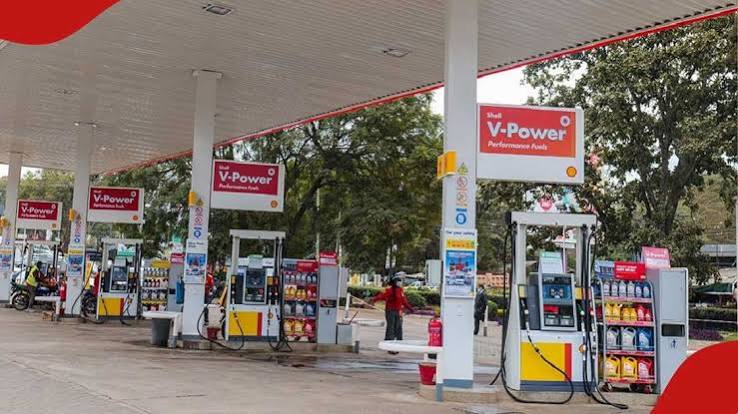
But neither trend tells us exactly how much each fuel will change at the pump. Kenya imports fuel that’s already been refined, and the Energy and Petroleum Regulatory Authority (EPRA), the regulator that sets Kenya’s fuel prices, bases those prices on the average cost of the petrol, diesel and kerosene that arrived during the pricing window.
These three fuels can move in cost very differently, even when the crude oil behind them is getting cheaper. Any change in oil prices after 9 August may only affect future reviews, not this one, as EPRA’s formula runs on the actual cost of the cargoes that arrived in that window, not on the crude price on the day the review is announced.
Last Month’s Diesel Gap Shows How Relief Can End Up Elsewhere
The last pricing cycle shows exactly this kind of divergence. The cost of importing diesel fell 23.9% to USD984.37 per cubic metre, while the cost of importing petrol fell by roughly 1%, to USD886.92.
As EPRA’s formula caps the pump price at a level tied to that import cost, a bigger drop in cost can create more room for the price cap to fall too, and diesel’s much larger decline may have given it far more of that room than petrol could have.
Yet pump prices in Nairobi stayed the same: Ksh214.03 per litre for petrol, Ksh222.86 for diesel and Ksh191.38 for kerosene. That Ksh8.02 per litre of room on diesel went toward holding petrol and kerosene prices where they were, and a further Ksh945 million from the Petroleum Development Levy Fund topped up the support.
Although pump prices did not move, the costs behind them had moved very differently, and part of diesel’s improvement may have ended up benefiting people who buy other fuels instead.
Why Diesel Prices are Important for Freight, Farming and Household Costs
Diesel is used widely in road freight, farming, public transport, industry and power generation. Hence, diesel prices affect the cost of moving goods, running machinery and offering transport services.
Transport prices in July were 15.6% higher than a year earlier, compared with overall inflation of 6.5% and food inflation of 9.0%. Transport alone accounted for about 1.5 percentage points of that overall inflation rate.
Lower diesel prices may not automatically bring consumer prices down, but relief that lasts could ease costs in freight and distribution, and lower the risk of transport pushing prices up further.
Tax Relief and Fuel Support Affect Who Actually Benefits
Fuel will continue to carry an 8% Value Added Tax (VAT) until October 14 which lowers the tax burden. On top of that, money from the levy fund can cover part of a price change, and relief can also be shifted from one fuel to another to help keep prices stable.
A steady or lower pump price can hide two very different stories: a genuine drop in import costs passed straight to consumers, or government and cross-fuel support quietly doing the work instead.
“Diesel deserves its own attention because it’s a direct cost for freight operators, farmers and public transport providers.” the analyst added, “When diesel relief is shifted to other fuels, those industries get less benefit from cheaper imports. With transport costs still rising fast, giving more direct relief on diesel could ease some of that pressure, although how much it helps overall depends on how long the lower costs last, and whether businesses pass the savings on to their customers.”
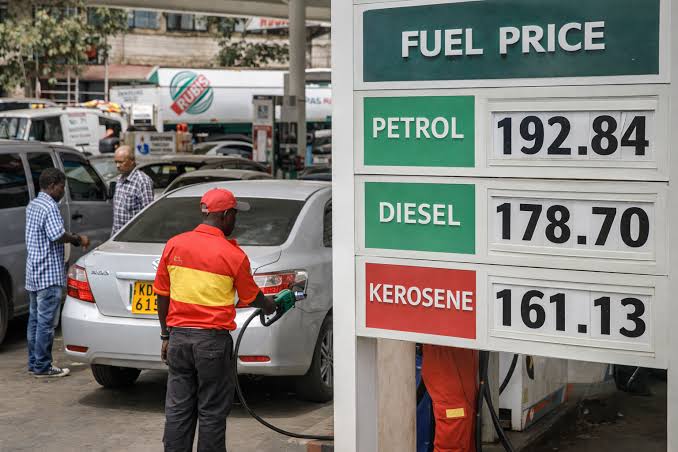
This is why the next EPRA notice needs to be read fuel by fuel rather than as a single announcement: a single unchanged or lower price can still hide diesel’s relief being funnelled into petrol or kerosene, just as it was this time.
Comparing each fuel’s import cost, any relief shifted from other fuels, support from the levy fund, and the final pump price can be the only way to show whether cheaper imports are actually reaching the industries that depend on diesel, or whether they’re being used instead to hold other fuel prices steady.
About The Author

