


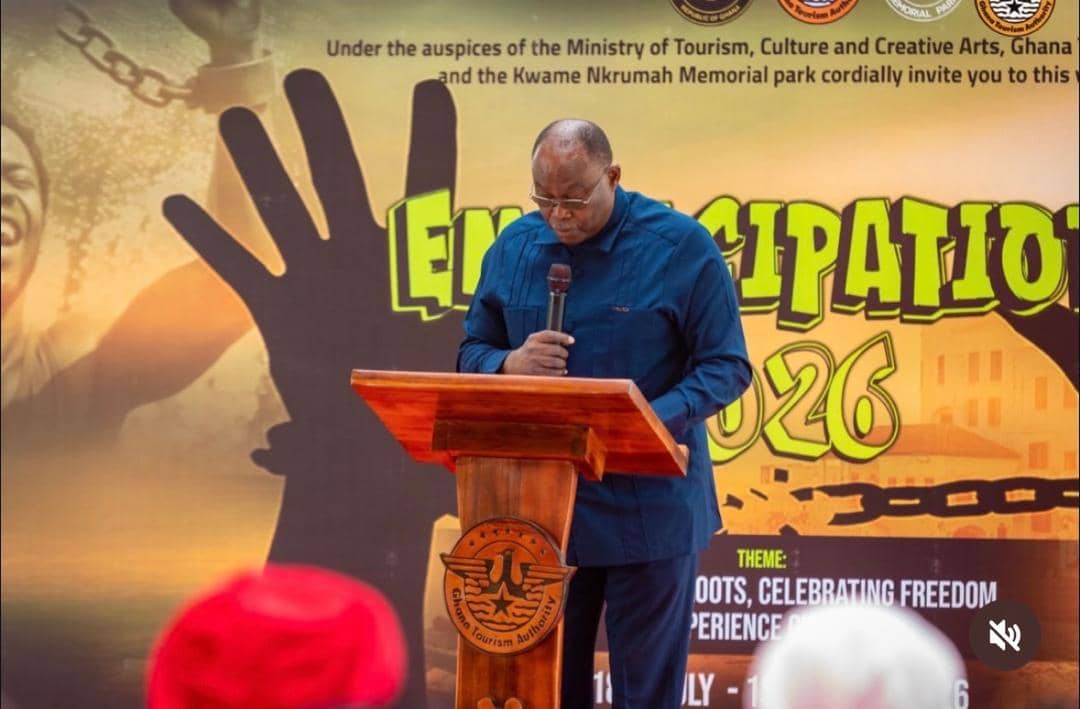
Accra, July 25 – Ghana has intensified its advocacy for a coordinated African reparations agenda, emphasizing that reparatory justice must transcend symbolic gestures and instead focus on truth, restoration, and human dignity rather than mere financial aid. The government’s stance underscores a broader push for systemic accountability to address the lingering effects of slavery and colonialism, which continue to shape economic and social disparities across the continent.
At the 2026 Emancipation Day wreath-laying ceremony held at the Kwame Nkrumah Memorial Park in Accra, Mr. Ekow Spio-Garbrah, Presidential Special Envoy on Reparations, delivered a powerful address that framed reparations not as a plea for charity but as a moral and historical imperative. He stressed that while remembrance of the transatlantic slave trade remains critical, it must be accompanied by concrete, actionable measures to dismantle the structural inequalities inherited from that era.
A Call for Structural Justice Over Symbolism
Spio-Garbrah’s remarks highlighted that emancipation extends beyond the abolition of physical chains—it demands freedom from the systemic inequities those chains perpetuated. He articulated that the reparations movement is rooted in “truth, justice, restoration, and shared human dignity,” rather than pity or one-sided concessions.
“Today, remembrance is not enough. Memory must inspire action. Emancipation is not only about freedom from chains; it is also about freedom from the enduring structures of inequality that those chains created.”
The envoy’s speech aligned with Ghana’s broader strategy of evidence-based advocacy, collaborating with African nations, the African diaspora, and international partners to construct a reparations framework that prioritizes healing, reconciliation, and sustainable development.
Global Recognition and the Path Forward
A key milestone in this effort was the adoption of United Nations General Assembly Resolution A/RES/80/250, which formally recognized the transatlantic slave trade and racialized enslavement of Africans as among the most grave crimes against humanity. The resolution also acknowledged reparations as a necessary step toward rectifying historical injustices.
Spio-Garbrah used this recognition to push for comprehensive reparatory justice, advocating for:
– Formal apologies from nations and institutions complicit in slavery and colonialism.
– Restitution and compensation to address economic disparities.
– Rehabilitation programs to mitigate psychological trauma.
– Guarantees of non-repetition to prevent future systemic oppression.
– The return of African cultural artifacts looted during colonialism, a demand that has gained traction globally.
[IMAGE_1]
President Nana Akufo-Addo lays a wreath at the Kwame Nkrumah Memorial Park during the Emancipation Day ceremony.
Strengthening Diaspora Engagement for Continental Unity
Beyond reparations, Ghana is leveraging its diaspora relations as a strategic tool for economic and cultural empowerment. Mr. Kofi Okyere Darko, Executive Director of the Diaspora Affairs Office, emphasized that meaningful engagement requires institutional frameworks, policy alignment, economic partnerships, and cultural exchange.
Darko noted that Ghana’s approach to diaspora engagement extends far beyond heritage tourism, encompassing:
– Education initiatives to foster historical awareness.
– Investment opportunities in Ghana’s growing economy.
– Cultural diplomacy to reinforce shared African identity.
– People-to-people ties that strengthen continental unity.
He urged young Africans and diaspora members to harness their collective history to drive economic development, cultural pride, and pan-African solidarity. By doing so, they can contribute to a future where reparations are not just a historical correction but a springboard for African prosperity.
A Multifaceted Approach to Reparations
Ghana’s reparations strategy is multidimensional, integrating legal, economic, and diplomatic efforts. Key components include:
1. Historical Documentation – Compiling evidence of colonial atrocities and economic exploitation to strengthen legal claims.
2. Economic Reparations – Seeking financial restitution to fund infrastructure, education, and healthcare in Africa.
3. Cultural Repatriation – Pressuring museums and governments to return stolen artifacts, including [IMAGE_2] the Benin Bronzes and other looted treasures.
4. Psychosocial Support – Implementing programs to address intergenerational trauma stemming from slavery.
5. Institutional Reform – Advocating for policy changes in former colonial powers to ensure non-repetition of historical injustices.
[IMAGE_3]
African dignitaries and diaspora representatives participate in discussions on reparations at a recent summit in Accra.
Challenges and the Road Ahead
While progress has been made, significant hurdles remain. Former colonial powers, including Britain, France, Portugal, and the Netherlands, have shown limited willingness to engage in meaningful reparations. Some nations have offered symbolic apologies but have resisted financial or material restitution.
Ghana, however, remains undeterred. By amplifying its voice on the global stage, collaborating with Pan-African organizations, and mobilizing the diaspora, the country is positioning itself as a leader in the reparations movement. The goal is not just compensation for past wrongs but a transformative shift toward equitable global relations.
Conclusion: A Legacy of Resilience and Justice
As Ghana marks Emancipation Day each year, the nation reaffirms its commitment to breaking the chains of historical oppression—not just in memory, but in action. The reparations agenda is not merely a demand for the past; it is a blueprint for a fairer future, where Africa’s contributions to global civilization are acknowledged, restored, and celebrated.
With unwavering determination, Ghana continues to push for a unified African reparations framework, ensuring that the voices of descendants of enslaved Africans are heard, respected, and acted upon. The journey ahead is arduous, but the stakes—justice, dignity, and a shared future—are too high to abandon.
