


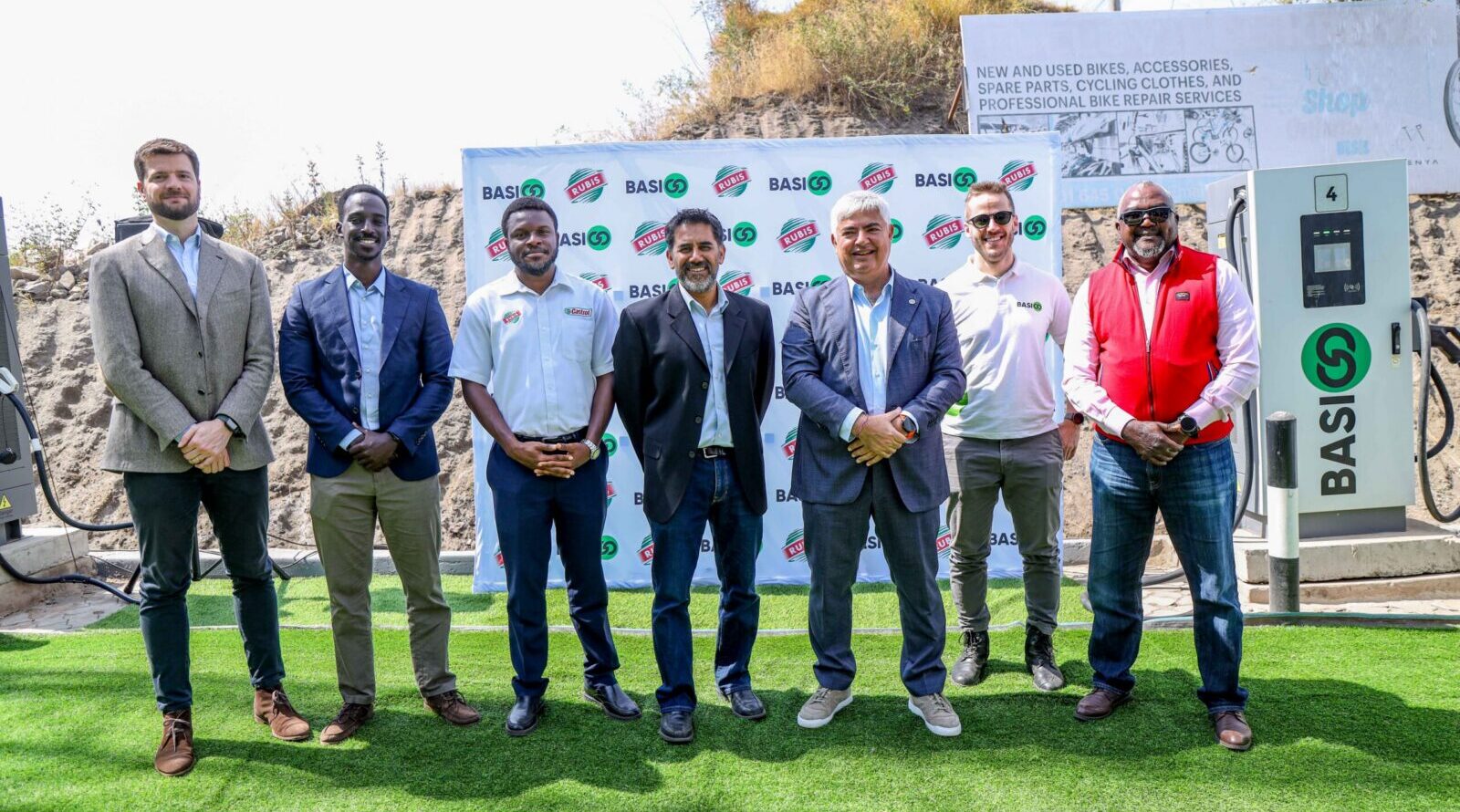
Kenya has long been recognized as a global leader in renewable energy adoption, particularly in solar power, yet its progress in electric vehicle (EV) infrastructure—especially for personal vehicles—remains uneven compared to other emerging markets. While the country’s electric bus sector has surged ahead, driven by innovative business models like pay-as-you-drive programs, the broader EV ecosystem faces critical challenges, particularly around charging accessibility. However, recent collaborations between industry leaders are poised to transform this landscape, ensuring that Kenya’s growing fleet of electric buses can eventually support the adoption of electric cars, vans, and commercial vehicles alike.
The Electric Bus Revolution and Its Ripple Effect
One of the most notable advancements in Kenya’s EV sector has been the rapid expansion of electric buses, spearheaded by companies like BasiGo. Unlike traditional diesel buses, BasiGo’s pay-as-you-drive model decouples vehicle ownership from battery ownership, offering operators a subscription-based service that includes battery rental, charging, maintenance, and real-time fleet analytics. This approach has made electric buses financially competitive with diesel alternatives, reducing upfront costs while ensuring seamless operations.
The success of this model has created a captive charging infrastructure—a network of fast-charging stations primarily designed for electric buses. As the bus fleet expands, these charging hubs are strategically positioned along major transport corridors, making them naturally scalable for public EV charging. This dual-purpose infrastructure addresses a key pain point for potential EV adopters: range anxiety. By ensuring reliable charging options for buses, the same network can gradually accommodate private EVs, vans, and commercial vehicles, fostering broader adoption.
A Game-Changing Partnership: BasiGo and Rubis Energy Kenya
To accelerate this transition, BasiGo has partnered with Rubis Energy Kenya, a leading energy solutions provider with an extensive network of fuel stations across Kenya and East Africa. The collaboration aims to expand fast-charging infrastructure along key transport routes, ensuring that electric mobility becomes practical, accessible, and cost-effective for all road users.
The first charging station under this partnership is now operational at Rubis’ fuel service station in Sabaki, Athi River, with additional sites scheduled for Meru, Nanyuki, and Nyeri later this month. These stations will be open to the public, catering to electric buses, vans, trucks, and passenger vehicles, thereby bridging the gap between commercial and personal EV adoption.
Technical Specifications and Cost Efficiency
The Sabaki charging station is equipped with dual fast-charging standards:
– CCS2 (Combined Charging System 2), the global standard for European and many international EVs.
– GB/T DC 100kW, a high-power charging protocol increasingly adopted by Chinese EV manufacturers, reflecting Kenya’s growing market for vehicles from this region.
These chargers can fully charge a typical passenger vehicle in under an hour, making them ideal for intercity travel. All stations under the partnership will operate at an indicative rate of KES 48 per kWh, ensuring consistency and affordability across the network. This pricing strategy aligns with Kenya’s energy costs while remaining competitive with traditional fueling options, further incentivizing EV adoption.
Why This Partnership Matters
The collaboration between BasiGo and Rubis Energy Kenya is a testament to the power of industry synergy. Rubis, with its 300+ fuel stations across Kenya and East Africa, provides an unparalleled distribution network, while BasiGo’s expertise in DC fast-charging infrastructure ensures high-quality, scalable solutions. Together, they are creating a seamless charging ecosystem that supports both commercial and personal EVs, reducing reliance on diesel and accelerating Kenya’s energy transition.
Moses Nderitu, Managing Director of BasiGo Kenya, emphasizes the shift in mindset: “The question is no longer whether operators and the public want to go electric, but whether the infrastructure is in place to support them at scale. Every charging station we deploy strengthens the business case for electric mobility, making it more practical and commercially viable.”
Similarly, Frederic Maupetit, Managing Director of Rubis Energy Kenya, highlights the broader impact: “This partnership is a pivotal step in powering Kenya’s sustainable future. By integrating our retail network with next-generation mobility, we are making EV travel accessible along major transport corridors—a clear signal of Rubis’ commitment to leading the energy transition in Africa.”
The Road Ahead: Scaling EV Infrastructure Across Kenya and Beyond
This initiative is just the beginning. With additional charging sites planned along key transport corridors, the partnership aims to create a continent-wide EV charging network. By leveraging Rubis’ extensive fuel station network and BasiGo’s charging expertise, Kenya is positioning itself as a regional hub for electric mobility, potentially influencing neighboring countries in East and Southern Africa.
The success of this model hinges on three critical factors:
1. Public-Private Collaboration – Government incentives, such as tax breaks for EV manufacturers and subsidies for charging infrastructure, will be essential to sustain growth.
2. Standardization of Charging Protocols – The inclusion of both CCS2 and GB/T ensures compatibility with a diverse EV market, accommodating vehicles from Europe, China, and beyond.
3. Cost-Effective Charging Solutions – Affordable pricing (KES 48/kWh) makes EV ownership viable for businesses and individuals alike, reducing the financial barrier to entry.
Conclusion: A Blueprint for Africa’s EV Future
Kenya’s electric bus sector has already demonstrated that innovative business models and strategic partnerships can drive rapid adoption of clean transportation. By extending this infrastructure to support private EVs, the country is setting a precedent for Africa’s energy transition. The BasiGo-Rubis Energy Kenya collaboration is not just about charging stations—it’s about building trust, reducing range anxiety, and making electric mobility a realistic alternative to fossil fuels.
As more charging hubs emerge along Kenya’s highways, the nation moves closer to a future where electric vehicles are not just an option, but the standard. This progress underscores the importance of scalable, inclusive, and well-funded infrastructure in accelerating Africa’s shift toward sustainable transportation.
