


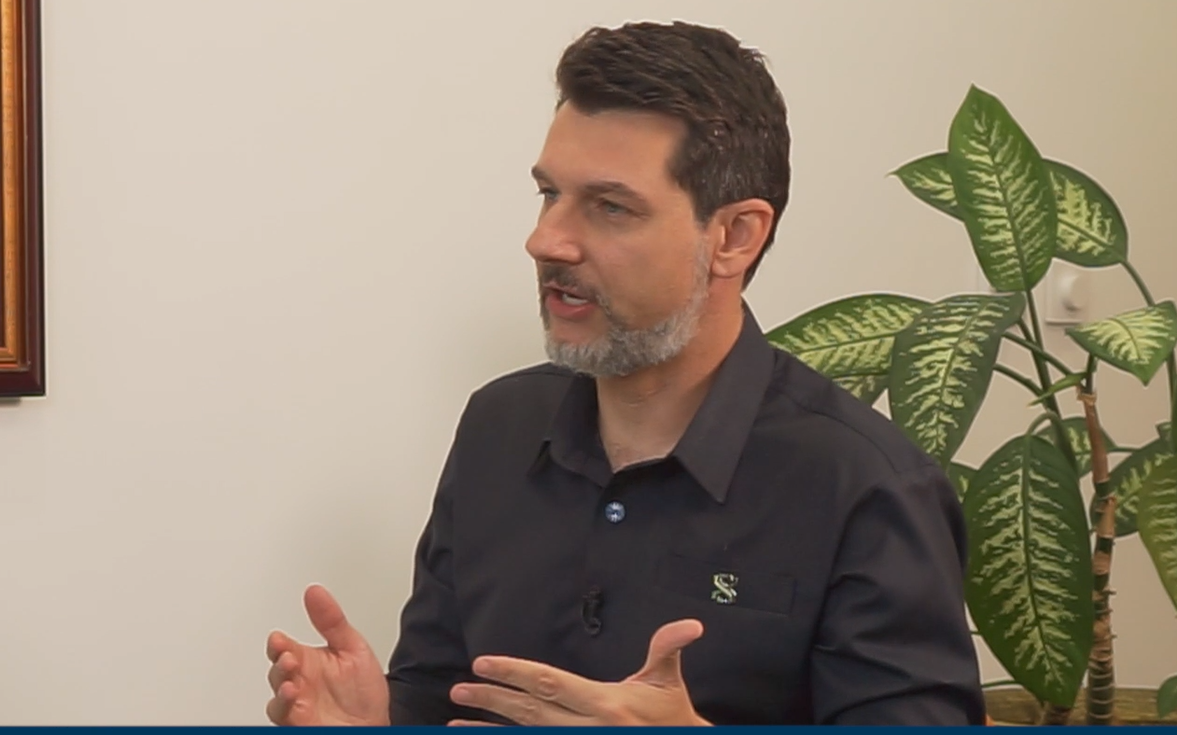
The International Monetary Fund (IMF) has warned that policy complacency is the biggest risk to Ghana’s economic recovery, urging the government to sustain the pace of reforms to protect the gains made so far.
The IMF Resident Representative in Ghana, Dr Adrian Alter, said the private sector should take the lead in creating jobs and expanding economic activity, with government focused on creating the conditions for businesses to grow.
Speaking in an interview with Bernard Avle on Channel One TV’s The Point of View on Monday, August 24, Dr Alter said the recent increase in private sector credit was an encouraging sign of improving economic activity.
However, he cautioned that complacency could undermine the progress made so far.
“I would say the key risk is policy complacency. That’s the number one risk. The private sector should be the one creating jobs and boosting growth,” he said.
He noted that private sector credit had recently increased by about 40% year-on-year, based on the latest statistics from the Bank of Ghana.
Dr Alter said Ghana’s economic recovery could remain sustainable if the government maintained the momentum of its reforms.
“I would say that the recovery is sustainable if the reform momentum continues,” he said.
Dr Alter also identified weaker commodity prices, particularly gold and cocoa, as potential risks to Ghana’s economic outlook.
He said changes in commodity and energy prices could affect the country’s current account balance, while climate shocks and geopolitical tensions could further expose the economy to external pressures.
“Other risks obviously include weaker commodities, gold in particular, but also it could be cocoa prices, it could be energy prices, which are all jointly affecting the current account balance,” he said.
He added that geopolitical tensions could tighten global financial conditions and push up energy prices, creating additional pressure on the economy.
Dr Alter said Ghana’s heavy reliance on gold exports made diversification particularly important.
“Gold, because of the concentration on the export side, gold prices are a relevant risk for the economy, and that’s why diversification is key,” he said.
He urged Ghana to expand agro-processing, manufacturing and other service sectors to make the economy more resilient to external shocks.
He also called for continued efforts to build both domestic and external economic buffers.
