



Why scapegoating foreign nationals will not fix South Africa
The Venerable Sizwe Ngcobo|Published


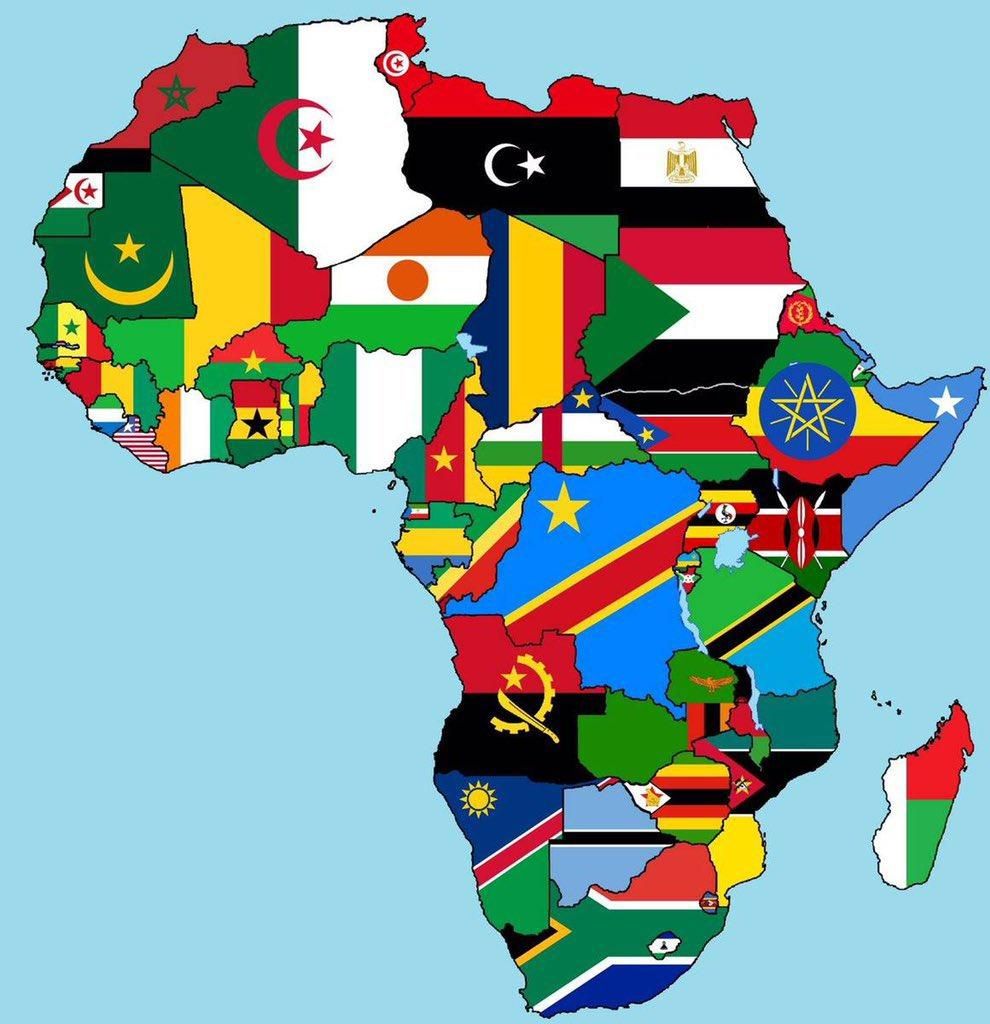
As the continent celebrates its unity and its promise, South Africa finds itself at a crossroads — and the road we choose matters deeply. We are tired.
Tired of unemployment, drugs, violent crime, crumbling infrastructure and the sight of children sleeping on cold pavements.
That exhaustion is real, and it is righteous. But exhaustion, left unchecked, can curdle into something dangerous — into the scapegoating of fellow Africans who share our soil, our struggles, and our sky. Africa Day was born from the conviction that this continent’s people are stronger together. It was forged in the fire of liberation, in the wisdom of Ubuntu — I am because we are.
It is a painful irony, then, that some voices among us now call for foreign nationals to be driven from their homes “before buildings are burned.”
Such rhetoric does not honour Africa. It betrays her. Take the crisis of children on our streets — a heartbreaking and urgent reality. Some have sought to blame this on foreign fathers, on migrants, on the outsider. But the data tells a different story.
Research shows that approximately 70% of South African children — around 14 million — grow up without their biological fathers consistently present. The causes are woven into our own history: poverty, labour migration, incarceration, substance abuse, generational trauma from apartheid’s long shadow, and the devastating collapse of community structures. Nearly 2.4 million South African households live in informal dwellings.
This is our wound, and it demands our honesty. Africa’s greatest lesson to the world has always been its capacity for moral courage. From Nelson Mandela choosing reconciliation over revenge, to Wangari Maathai planting trees to restore both land and dignity, to the ordinary mothers across this continent who hold communities together with bare hands and unshakeable faith — Africa has always known how to love the vulnerable.
We must not unlearn that now. The foreign nationals living among us are not a monolith of criminals. Many are doctors, teachers, engineers, traders, clergy, and students. Many have fled war, famine, and state collapse in their own countries — countries that are also African countries. They are our brothers and sisters.
Scripture commands us plainly: “The foreigner residing among you must be treated as your native-born. Love them as yourself” (Leviticus 19:34). This is not a suggestion. It is a moral foundation. This does not mean South Africa must abandon the rule of law.
Every sovereign nation must manage its borders, prosecute crime, and hold the corrupt to account — including corrupt officials who enable lawlessness. The Church has always spoken prophetically against state failure. But there is a world of difference between lawful governance and inflaming a crowd with ultimatums that place lives at risk.
History has shown us, on this very continent, how swiftly public anger becomes lethal violence against the innocent — the poor, the refugee, the street trader, the woman, the child. On this Africa Day, let us also speak honestly about how we help our most vulnerable children. Good intentions are not enough.
Any intervention involving children must be grounded in South Africa’s Children’s Act, in the constitutional principle that “a child’s best interests are of paramount importance” — and in the deep African understanding that a child belongs to a community, not to a saviour. Rehabilitation without social workers, family tracing, psychological care, educational continuity and legal oversight is not rescue. It is risk.
The children on our streets are not props for our compassion. They are human beings with dignity, agency, and the right to shape their own futures. True ubuntu-centred development does not stand above the vulnerable; it stands alongside them.
Social healing, for South Africa and for Africa, will not come through fear-driven narratives or the scapegoating of the weak. It will come through justice, repentance, strong families, education, economic opportunity, and the kind of moral transformation that has always been Africa’s gift to a watching world. As peacemakers, as people of faith, as Africans, we are called to be that transformation — not to set it ablaze.
“Do not be overcome by evil, but overcome evil with good.” — Romans 12:21
Nkosi sikelel’ iAfrika!
God bless you.
(The Venerable Ngcobo is Archdeacon of Pinetown, Rector of the Parish of Kloof, Anglican Diocese of Natal. His views do not necessarily reflect those of the Sunday Tribune or IOL)
For more from the Sunday Tribune, follow us on Facebook, Instagram and X
 WhatsApp
Comments (0)
No comments yet. Be the first to share your opinion!