
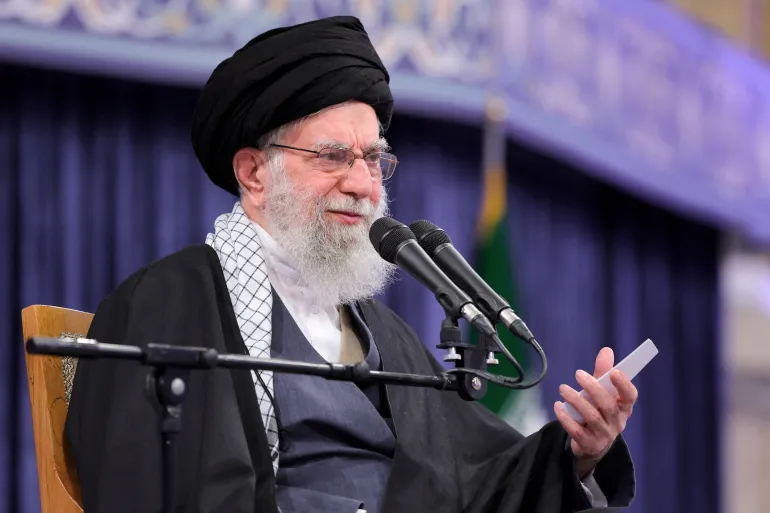
The Embassy of the Islamic Republic of Iran in Accra has announced the opening of a book of condolence following the death of Iran’s Supreme Leader, Ali Khamenei, in recent military attacks involving the United States and Israel.
In a diplomatic note circulated to Ghana’s Ministry of Foreign Affairs, diplomatic missions and international organisations accredited to Ghana, the embassy said the condolence book would allow the diplomatic community to express sympathy after what it described as a tragic loss.
“The Embassy of the Islamic Republic of Iran in Accra… has the honour to inform that, following the heinous large-scale armed attacks perpetrated by the United States of America and the Israeli regime against Iran which led to the tragic martyrdom of the Supreme Leader of the Islamic Republic of Iran… a book of condolence will be opened at the Embassy,” the statement said.
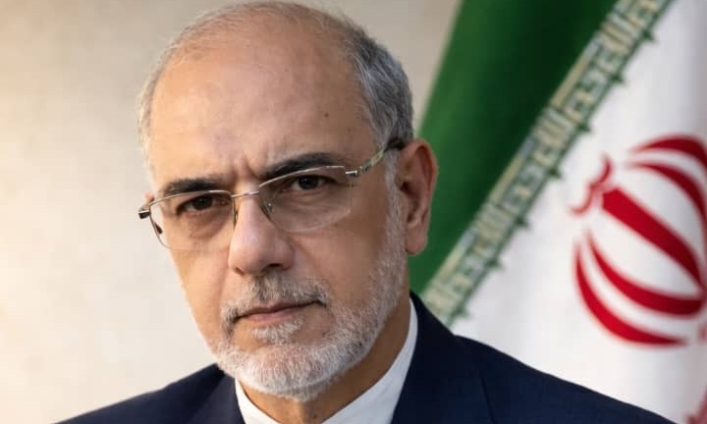
According to the embassy, the condolence book will be opened from Monday, 9 March to Tuesday, 10 March 2026, between 10:00 a.m. and 2:00 p.m.
The mission said the initiative was intended for Ghana’s foreign ministry, diplomatic and consular missions, and international organisations accredited to the country.
“The Embassy of the Islamic Republic of Iran avails itself of this opportunity to renew… the assurances of its highest consideration,” the statement added.
Background to the conflict
The announcement comes amid an escalating regional war involving Iran, Israel and the United States that began on 28 February 2026 after joint U.S.–Israeli airstrikes on Iranian military and strategic targets.
The coordinated strikes reportedly targeted Iran’s missile systems, air-defence networks, nuclear-related facilities and senior leadership. The initial wave of attacks killed Iran’s Supreme Leader, Ayatollah Ali Khamenei, along with other officials.
In response, Iran launched retaliatory missile and drone attacks against Israeli territory, U.S. military bases and strategic facilities across parts of the Middle East.
The conflict is widely seen as the culmination of years of rising tensions linked to Iran’s nuclear programme, ballistic missile development and regional proxy activities, which Israel and its allies consider a major security threat.
The current escalation follows earlier confrontations, including strikes on Iranian nuclear facilities in 2025 and ongoing hostilities across the region.
Recent reports indicate that the conflict has already caused significant casualties and damage across several countries in the region, with retaliatory strikes affecting military installations and strategic infrastructure.
Against this backdrop, diplomatic missions around the world, including the Iranian Embassy in Ghana, have begun organising mourning and condolence activities following the death of the country’s long-time leader.
DISCLAIMER: The Views, Comments, Opinions, Contributions and Statements made by Readers and Contributors on this platform do not necessarily represent the views or policy of Multimedia Group Limited.
DISCLAIMER: The Views, Comments, Opinions, Contributions and Statements made by Readers and Contributors on this platform do not necessarily represent the views or policy of Multimedia Group Limited.

