


By Hannah Awadzi
Dodowa (GAR), Sept. 2, GNA – Disability advocacy in Ghana has largely focused on employment opportunities and social inclusion for adults with more visible disabilities, leaving children with cerebral palsy and other neurodevelopmental conditions at the margins of national discussions, an Advocate has said.
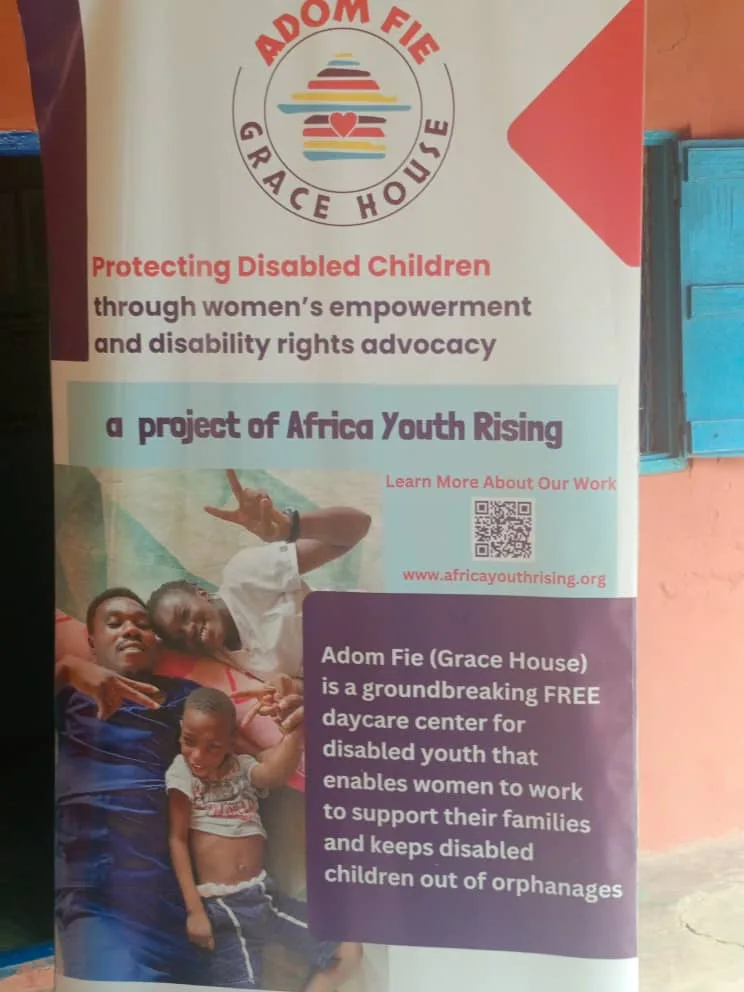
Ms Mandie Case, Chief Executive Officer of Adom Fie (Grace House), who made the observation, was speaking in an interview with the Ghana News Agency (GNA) during an open day organised by Adom Fie, a disability support centre at Obom near Dodowa, to showcase its activities and services.
She said while advocacy initiatives had contributed significantly to advancing inclusion for adults with disabilities, children with cerebral palsy and their families continued to face considerable challenges due to inadequate support systems.
“Much of the advocacy has been about jobs and opportunities for adults. But children with cerebral palsy are often left out. Their parents need respite, therapy, education, and affordable day-care services. These are not luxuries; they are essential,” she stressed.
Ms Case explained that Adom Fie provides a safe and supportive environment where children with disabilities receive care and therapy while their parents engage in economic activities, education or other responsibilities.
She said the centre operated a unique model that actively involved parents in its daily activities, with one parent serving on duty each day alongside caregivers and therapists.
According to her, parents also make modest monthly contributions towards the upkeep of the facility to support the continuity of its services.
Ms Case noted that an annual investment of approximately GH¢10,000 could enable the centre to expand its operations and reach more children in need of specialised care and support.
She therefore appealed to philanthropists, corporate organisations and benevolent individuals to support the centre’s work.
Many parents who participated in the open day also highlighted the urgent need for affordable, accessible and safe services for children living with cerebral palsy.
They said the lack of such services often compelled mothers to remain at home to provide full-time care, limiting their ability to work, pursue education or engage in other productive activities.
The parents called for increased investment in disability support services and greater attention to the needs of children with cerebral palsy and their caregivers.
GNA
Edited by Lydia Kukua Asamoah
Writer: Hannah Awadzi
email: [email protected]
