


Tuesday 01st September, 2026 10:35 PM|

Kenya’s transport costs rose sharply in August even as diesel prices fell, creating a striking divergence in the latest cost-of-living data from the Kenya National Bureau of Statistics (KNBS).
The Transport division recorded annual inflation of 15.7 per cent in August 2026, the highest increase among Kenya’s 13 major expenditure divisions. Overall annual inflation stood at 6.6 per cent, driven mainly by food and non-alcoholic beverages, transport, and housing, water, electricity, gas and other fuels.
The KNBS report says annual inflation means the general price level was higher than a year earlier, while the Consumer Price Index (CPI) measures changes in the prices consumers pay for a fixed basket of goods and services.
The latest figures raise a question for households and businesses: why are Kenya transport costs rising when diesel prices are falling?
KNBS data shows that between July and August, diesel prices declined by 2.2 per cent, falling from Ksh224.04 to Ksh219.04 per litre. At the same time, transport-related services became more expensive.

“Local flight fares rose by 4.1 per cent while country bus and matatu fares for inter-town travel increased by 2.1 per cent,” KNBS said in its August Consumer Price Index report.
That divergence is the defining feature of the latest transport data. Diesel became cheaper over the month, but the prices of several transport services measured by KNBS increased.
Transport prices as a division rose 0.7 per cent between July and August, compared with a 0.4 per cent increase in the overall CPI. The division carries a 9.6468 per cent weight in the national consumption basket.
The annual increase also makes transport one of the most important sources of pressure on the cost of living.
KNBS estimates that transport contributed 1.5 percentage points to Kenya’s overall 6.6 per cent annual inflation in August. Food and non-alcoholic beverages contributed 2.6 percentage points, while housing, water, electricity, gas and other fuels contributed 0.6 percentage points.
Travel costs diverge
The KNBS data shows that individual transport prices did not all move in the same direction.

The average price of a Nairobi-Mombasa return flight increased to Ksh27,000 in August, from Ksh26,600 in July. However, the fare remained below the Ksh29,000 recorded in August 2025, representing a 6.9 per cent decline over the year.
This specific figure should be distinguished from the 4.1 per cent monthly increase in local flight fares that KNBS identifies among the drivers of the wider Transport division.
The distinction matters because the Nairobi-Mombasa return ticket is one selected item in the national average retail price table, while the 4.1 per cent figure relates to local flight fares within the broader transport index.
Diesel also remains substantially more expensive than it was a year ago.
KNBS recorded the average diesel price at Ksh219.04 per litre in August, compared with Ksh172.75 in August 2025, an annual increase of 26.8 per cent. Petrol remained unchanged at Ksh214.95 per litre during August and was 15.3 per cent higher than a year earlier.
The report therefore presents two different price movements: diesel declined every month, but remained significantly more expensive than a year earlier, while transport inflation remained high.
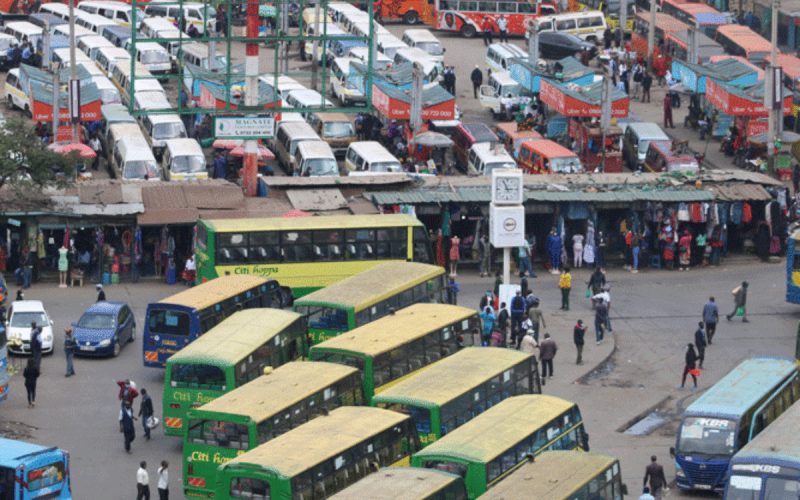
Cost pressure persists
The wider inflation basket helps explain why transport matters to Kenyan households.
KNBS says food and non-alcoholic beverages, transport, and housing, water, electricity, gas and other fuels together account for more than 57 per cent of the total weight across the 13 major expenditure categories.
The report’s figures show that transport is therefore not a marginal part of the inflation story. Its 15.7 per cent annual increase was more than five times the 2.9 per cent rise recorded in furnishings, household equipment and routine household maintenance and substantially above the 3.6 per cent increase in housing-related costs.
The fuel-tax outlook could add another dimension to the transport-cost debate.
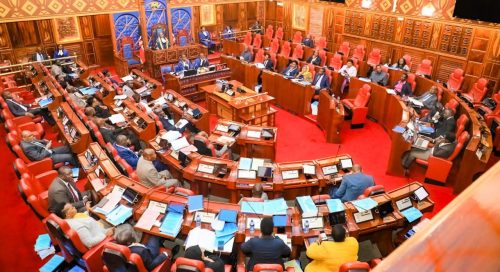
The temporary 8 per cent VAT rate on petroleum products is due to expire on October 14, according to the policy context provided. If the rate returns to 16 per cent under the existing pricing structure, motorists could face additional pressure at the pump, depending on the policy adopted by the government.
The Senate Energy Committee has separately proposed changing the VAT formula so that the tax is charged only on the landed cost of fuel.
But the immediate message from the August KNBS report is already clear.
“Over the twelve months until August 2026, the Transport division inflation rose to 15.7 per cent in August 2026,” KNBS said.
That increase came despite the monthly decline in diesel prices, underscoring the gap between fuel-price movements and the wider cost of transport services.
For Kenyan households and businesses, the latest figures mean cheaper diesel has not yet translated into cheaper travel.
And with transport contributing 1.5 percentage points to overall inflation, Kenya’s transport costs remain one of the key pressure points shaping the country’s cost of living.
