Kenya’s growing reputation as a host of major sporting events is being backed by a wave of investment in sports infrastructure like stadiums, training facilities and talent development programmes aimed at giving athletes better platforms to compete and earn a living.
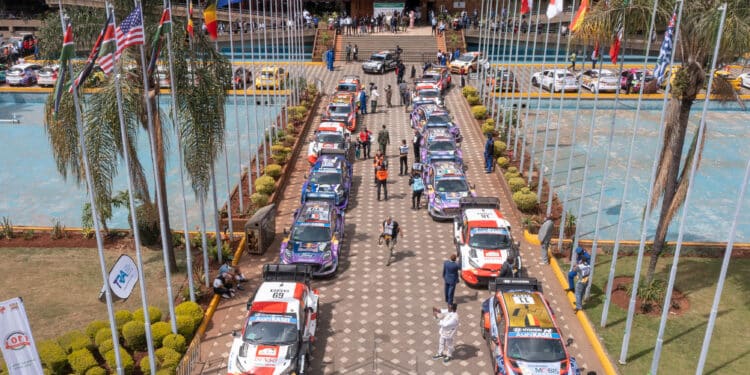
Over the past four years, events such as the Kip Keino Classic, Safari Rally and Magical Kenya Open have strengthened Kenya’s position on the international sporting calendar, while preparations for the 2027 Africa Cup of Nations have accelerated investment in sporting facilities.
The country will co-host AFCON 2027 with Uganda and Tanzania after the three East African neighbours won the hosting rights. Kenya, Uganda and Tanzania also used the 2025 African Nations Championship (CHAN) to test their ability to stage a major continental tournament.
For Kenya, the preparations have gone beyond the competition itself.
They have brought renewed attention to the condition of stadiums, training grounds, accommodation and other facilities required to host athletes, teams and spectators.
Talanta Stadium Leads Kenya’s Sports Infrastructure Drive
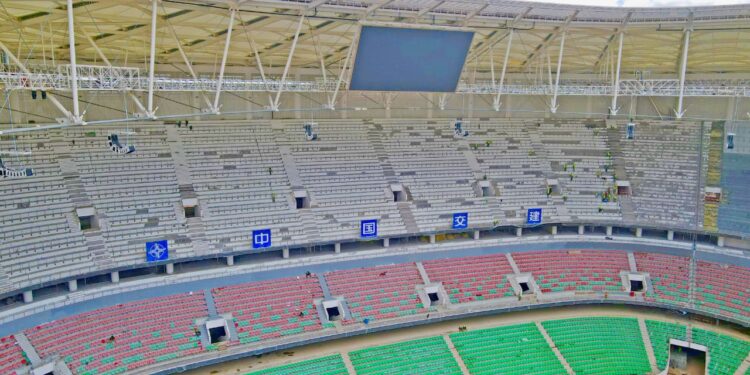
At the centre of the infrastructure programme is the Raila Odinga Talanta City Stadium in Nairobi, a 60,000-seater facility that is nearing completion.
The stadium is being built as the flagship of Kenya’s plans to develop a sports economy that goes beyond hosting competitions to include training, employment and the manufacture of sports equipment and apparel.
The facility is expected to host AFCON matches in 2027 and has been designed with its own electricity substation to provide a reliable power supply during events.
The pitch is ready, while work on three training grounds attached to the stadium is continuing.
But Talanta is only one part of a wider stadium construction programme.
The Government is developing 32 modern stadiums across the country, aiming the bring better sporting facilities closer to young athletes and communities.
In Kisii, Gusii Stadium is undergoing a Sh1 billion upgrade that will turn it into a 14,000-seater facility with a FIFA-standard pitch, VIP pavilion and covered terraces.
The project is also expected to provide employment during construction and support businesses operating around the facility.
In Nyamira, President William Ruto has promised a new stadium estimated at Sh950 million.
In Thika, construction of a 10,000-seater stadium is underway at a cost of Sh850 million. The project is replacing an ageing facility with a sports complex featuring a new playing surface, changing rooms, swimming pool, basketball courts, improved spectator terraces and floodlights.
The Government is also working on stadium projects in Mombasa, Vihiga, Murang’a and Wajir.
In Vihiga, construction of the 10,000-seater Kidundu Stadium is underway.
In Murang’a, work began last December on the Sh800 million Mumbi Stadium.
Wajir’s new Sh900 million stadium hosted this year’s Madaraka Day celebrations after the county received a new 10,000-seater facility.
Kitui’s Ithookwe Stadium was completed last year and hosted the national Mashujaa Day celebrations.
The spread of facilities across counties is significant for athletes who have traditionally had to travel to established sporting centres to access suitable training and competition venues.
Grassroots Talent Gets New Pathways
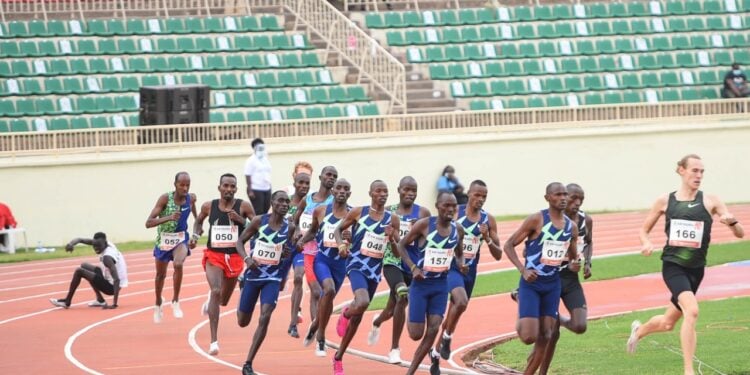
For athletics, the country’s most successful sport at the international level, efforts are also underway to identify talent before young competitors are lost because of limited opportunities.
Athletics Kenya is working with the Ministry of Education to identify promising athletes through school competitions and direct them to regional training hubs.
The programme is intended to widen the traditional talent pipeline beyond areas that have historically dominated Kenyan athletics.
Young athletes from places such as Amboseli, Kilifi and Turkana can now be identified and channeled towards structured training.
Athletics Kenya Youth Development Committee chairman Barbara Korir says the objective is to ensure that a young athlete does not have to come from a recognized athletics centre to get an opportunity.
The infrastructure push is also changing the outlook of sports that have struggled with limited facilities.
Kenya Rugby Union vice-chairman Moses Ndale believes Talanta Stadium could give Kenyan rugby a venue that can host major international matches.
For years, the union has relied heavily on the RFUEA ground, which has not offered the same facilities available in some of the countries competing at the highest level of the sport.
“This is massive for the sport,” Ndale says, arguing that Talanta will provide an additional venue for top-flight rugby.
Nyayo Stadium hosted the HSBC Sevens Challenger in February, and the union is considering Talanta as a possible venue for future competitions.
But the availability of modern facilities does not automatically solve the problem.
Ndale says sporting federations will need affordable charges to make regular use of the new stadiums possible.
Also Read: Kenya Marks Golden Year in Sports with CHAN Success, Stadium Upgrades and Soaring Athlete Rewards
Athletes Welcome Investment as Financial Rewards Hike
Athletes share that concern, saying access to quality training facilities remains uneven.
Malkia Strikers captain Meldinah Sande, who plays for Kenya Prisons at club level, has spent the past two seasons with Rwanda Police in Kigali.
Her experience has given her a close view of how facilities can influence an athlete’s career.
Sande says some Kenyan athletes still train on grass, even though they eventually compete in modern facilities at international tournaments.
She wants more training venues and programmes that can help athletes understand how their talent can become a sustainable career.
The infrastructure investment has been matched by greater support for national teams.
Ndale says the Ministry of Sports now provides accommodation at the Kasarani hostels for teams during preparations and covers some of their costs.
Technical personnel can also receive support when required.
He credits the Sports Fund, launched six years ago, with helping cushion rugby teams from financial pressure, including during the Covid-19 period and competitions such as the Under-20 World Rugby tournament and Barthes Cup.
Financial rewards for the athletes have also increased.
Olympic allowances have risen from $60 to $200 per day for athletes competing in international championships following recommendations by the Salaries and Remuneration Commission.
Athletes who break world records can receive Sh5 million, while gold, silver, and bronze medallists receive Sh3 million, Sh2 million, and Sh1 million, respectively.
World-record holders can also receive houses, with Olympic and world champion Faith Kipyegon among the athletes to benefit from the reward.
At the domestic level, sponsorship has increased prize money at events that have become important fixtures on the international athletics calendar.
The Kip Keino Classic, Sirikwa Classic World Cross Country Tour, Great Chepsaita Cross Country Run and Nairobi City Marathon have all benefited from increased commercial interest.
The growth of these competitions has created more opportunities for athletes to compete at home while attracting international competitors to Kenya.
Also Read: Mvurya Reveals Talanta Stadium Completion Timeline Ahead of AFCON 2027
AFCON 2027 and the 2029 World Athletics Bid
The sports infrastructure drive comes as Kenya seeks an even bigger role on the international sporting stage.
After securing AFCON 2027, the country is bidding to host the 2029 World Athletics Championships in Nairobi.
President William Ruto has backed the bid, with the Government pointing to Kenya’s athletics tradition, favourable climate, high-altitude training environment, hospitality and established sports audience as some of its advantages.
A successful bid would put further pressure on Kenya to maintain and expand facilities that meet international standards.
It would also provide another test of whether the investment in stadiums and training grounds can translate into lasting benefits for athletes and communities.
Follow our WhatsApp Channel and X Account for real-time news updates.