


By: Benjamin Nii Nai Anyetei
Economic hardship, limited access to education and inadequate knowledge of child labour laws are leaving many children in Ghana’s cocoa-growing communities vulnerable to harmful work.
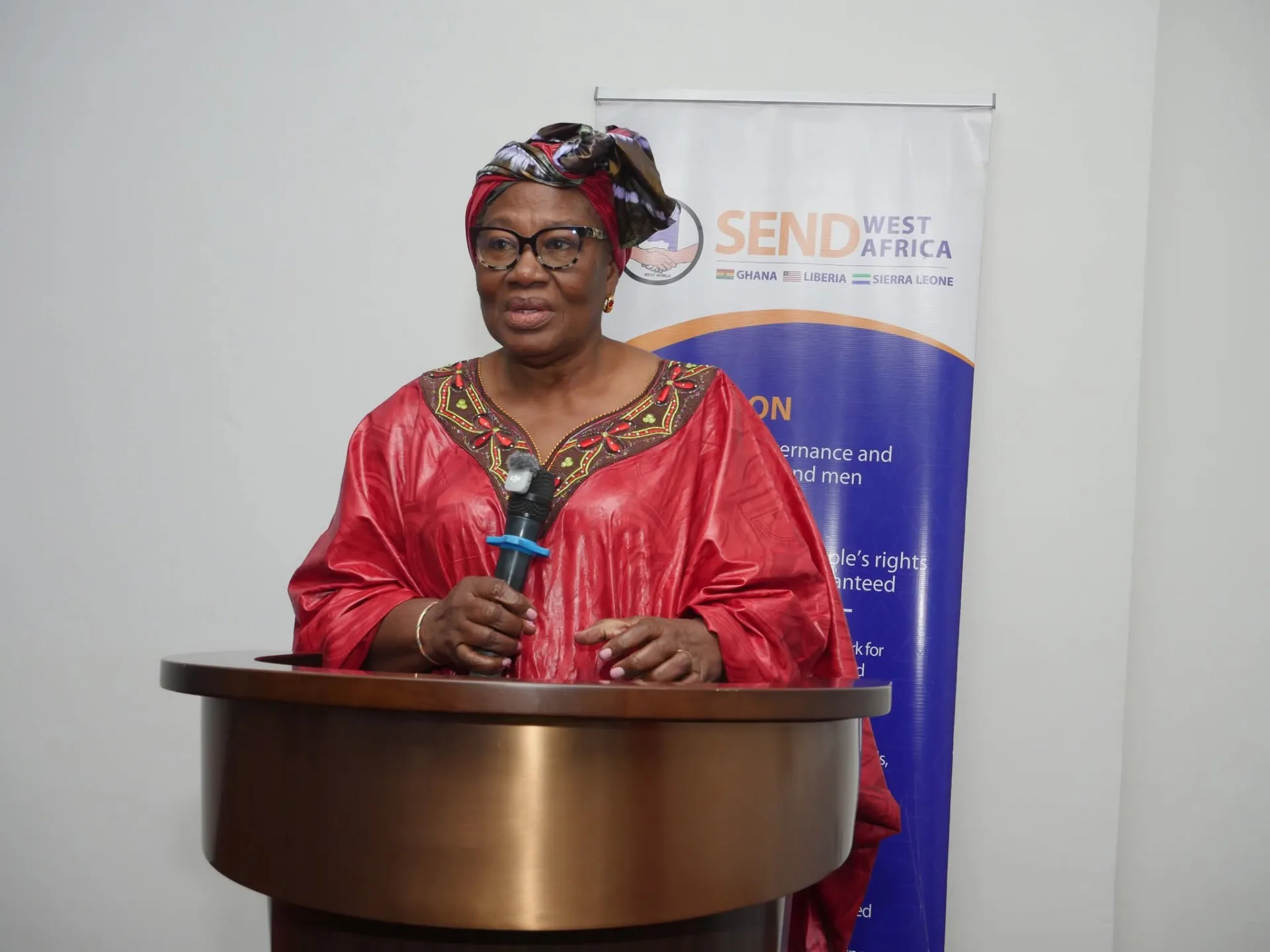
The issue came to the fore at a National Dialogue on Child Labour in Ghana’s Cocoa Sector, organised by SEND Ghana with support from DKA Austria.
The dialogue focused on the need for stronger community education, improved enforcement of child protection laws and greater investment in education and livelihoods to address the factors pushing children into labour.
A NORC study commissioned by the United States Department of Labor illustrates the scale of the challenge.
The study estimates that 1.56 million children were engaged in child labour in cocoa production across Ghana and Côte d’Ivoire during the 2018/19 cocoa season.
In Ghana’s cocoa-growing areas, 55 percent of children aged five to 17 in agricultural households were found to be involved in cocoa-related child labour, while 51 percent were engaged in hazardous work.
For cocoa farmer Sarah Andoh from the Central Region, the fight against child labour must go beyond simply keeping children away from farms.
She believes communities must create conditions that make education attractive and worthwhile for children.
Mrs Andoh, who has ten children, said she and her husband have ensured that all their children attend school because they want to protect them from the hardships they have experienced.
She said education offers children an opportunity to build a different future instead of being pushed prematurely into demanding adult responsibilities.

Board Chair and Acting Chief Executive Officer of SEND Ghana, Janet Adama, said children need adequate space to grow, learn and enjoy their childhood.
She said society must be careful not to push children into adulthood through work and responsibilities that deprive them of their right to education, development and childhood.
According to her, the persistence of child labour in cocoa-growing communities means the response must address the underlying conditions that make children vulnerable.
She said community education is essential to helping parents, farmers and community leaders understand the dangers of child labour and the importance of keeping children in school.
Member of Parliament for the Keta Constituency, Kwame Dzudzorli Gakpey, also called for a review of Ghana’s existing legal framework on child protection.
He said the review should identify gaps in the current system and strengthen measures designed to protect children from exploitation and harmful work.
The concerns raised at the dialogue highlight the connection between poverty, access to education, community awareness and child protection.
While legislation remains an important tool in combating child labour, the speakers stressed the need for communities to understand and actively support the laws protecting children.
The dialogue also called attention to the responsibility of parents and communities to ensure that children are given opportunities to remain in school and develop their potential.
SEND Ghana, which has more than 26 years of experience promoting good governance, equity and livelihood security, says stronger and coordinated measures are needed to protect children in cocoa-growing communities.
The organisation believes sustained community education, stronger legal protection and improved socio-economic conditions can help reduce children’s exposure to hazardous work and ensure that cocoa-growing communities become safer places for children to grow and learn.
The National Dialogue is therefore seeking to strengthen the national conversation around child labour and encourage practical measures that will place the education, safety and well-being of children at the centre of efforts to develop Ghana’s cocoa sector.

More Stories Here
