


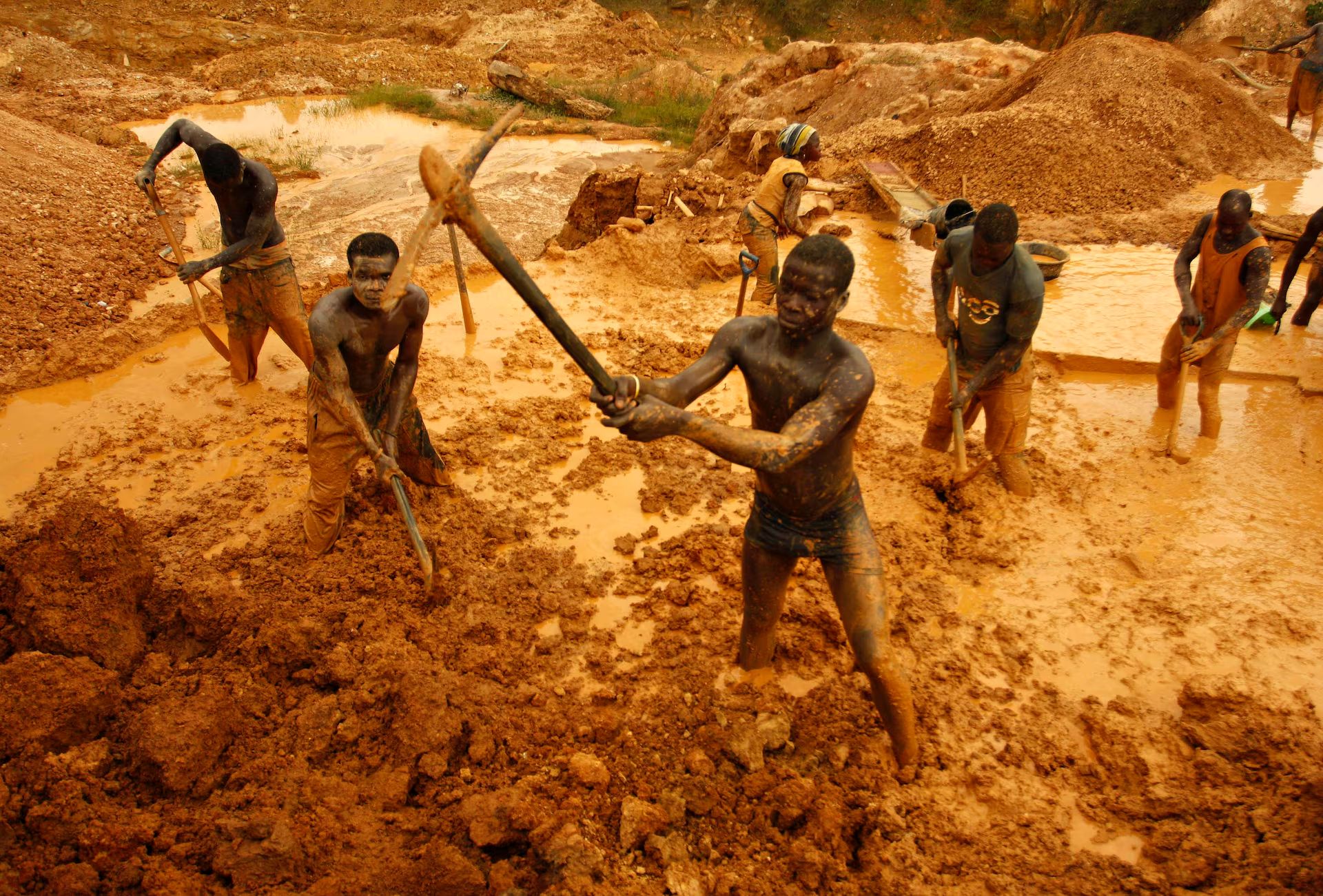
Ghana’s artisanal and small-scale mining (ASM) sector is on track to achieve another milestone in 2026, with the Gold Board (GoldBod) reporting that output from this critical industry is likely to surpass the record-breaking 104 metric tons produced in 2025. According to the state-owned entity’s CEO, Samuel Gyamfi, the first half of 2026 alone saw the Gold Board purchasing up to 54 metric tons of gold from ASM operators—a trend that suggests the sector’s momentum will continue into the latter half of the year.
This projected growth underscores Ghana’s position as Africa’s largest gold producer, where ASM has increasingly become a dominant force in the nation’s economic landscape. For years, large-scale mining operations were the primary contributors to Ghana’s gold output, but recent reforms have shifted the balance, with ASM now outperforming its industrial counterpart for the first time in the country’s mining history.
A Record-Breaking Year for ASM
The surge in ASM production is not merely a statistical anomaly but a reflection of systematic sector reforms implemented to combat illegal gold smuggling and enhance foreign exchange earnings. In 2025, Ghana’s ASM sector generated nearly $11 billion in foreign exchange—exceeding the $9 billion contributed by large-scale mining. This financial influx has been instrumental in stabilizing Ghana’s economy, which has been grappling with its worst financial crisis in decades, including high inflation, currency depreciation, and debt sustainability concerns.
Gyamfi emphasized that the Gold Board’s purchasing activity—averaging 2.5 metric tons per week—has been a key driver of this growth. If current trends persist, the sector could match or even exceed last year’s record output, further solidifying Ghana’s role as a major global gold supplier.
Economic Implications and Market Challenges
While the outlook for Ghana’s ASM sector remains optimistic, the global gold price volatility presents both opportunities and challenges. Gyamfi noted that the Gold Board’s 2026 forecasts were based on an average gold price of approximately $5,000 per ounce, a figure that has since declined from earlier projections. Despite this downturn, Ghana remains well-positioned to generate higher export earnings than 2025, thanks to consistent ASM output and relatively stable bullion prices—though not at the levels initially anticipated.
The decline in gold prices has reduced earnings expectations, but the sector’s resilience lies in its increased efficiency and formalization. The reforms have not only reduced smuggling losses but also expanded the formal participation of ASM miners, ensuring that more of the country’s gold reaches international markets through regulated channels.
Strengthening Ghana’s Economic Resilience
Ghana’s gold sector, particularly ASM, has emerged as a critical pillar of economic recovery. The sector’s growth contributes to foreign exchange reserves, supports government revenue through taxes and royalties, and provides employment opportunities for thousands of Ghanaians—many of whom operate in rural and underserved communities.
The Gold Board’s strategic role in purchasing and processing ASM gold has been pivotal in ensuring transparency and value realization for miners. By formalizing transactions and enforcing stricter controls, the government has minimized revenue leakage while maximizing the sector’s economic impact.
Looking Ahead: Sustainability and Future Growth
As Ghana’s ASM sector continues to expand, sustainability remains a key focus. The government and industry stakeholders are increasingly prioritizing environmental protection, labor rights, and community development to ensure long-term viability. Initiatives such as mercury-free mining techniques, artisanal miner cooperatives, and infrastructure investments are being implemented to enhance productivity while mitigating negative social and environmental impacts.
With global demand for gold remaining strong, particularly in investment and industrial applications, Ghana’s ASM sector is well-positioned to maintain its upward trajectory. If current trends continue, the country could consistently surpass previous records, further cementing its status as a leading African gold producer and a key player in the global precious metals market.
The success of Ghana’s ASM sector also serves as a model for other African nations grappling with similar challenges in informal mining. By combining policy reforms, technological innovation, and stakeholder collaboration, Ghana has demonstrated how artisanal mining can be transformed from a marginalized activity into a major economic driver**—one that strengthens national economies and improves livelihoods across communities.
