


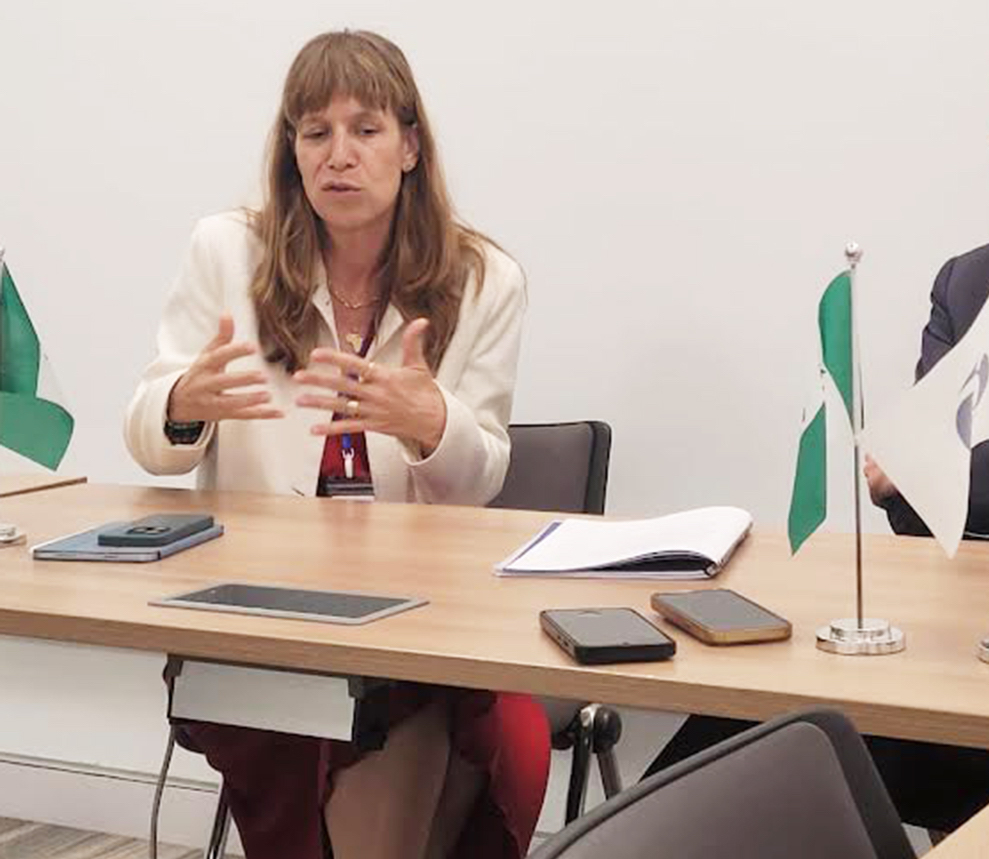
Nigeria’s economic landscape is a testament to the indomitable spirit of its entrepreneurs, who continue to drive growth and innovation despite persistent challenges. Among these challenges, soaring electricity costs stand out as a formidable barrier, yet businesses across the country persist in thriving. Heike Harmgart, a seasoned observer of Nigeria’s business environment, recently shared her astonishment at how Nigerian enterprises not only survive but flourish under such daunting conditions.
The Power Crisis: A Persistent Challenge
Nigeria’s electricity sector has long been plagued by instability, with frequent blackouts, unreliable grid supply, and exorbitant tariffs. The National Electric Power Authority (NEPA), now rebranded as the Transmission Company of Nigeria (TCN), has struggled to meet demand, leaving businesses—especially small and medium enterprises (SMEs)—vulnerable to operational disruptions. Despite government efforts to improve infrastructure, such as the National Integrated Power Projects (NIPP) and the Off-Grid Solar Program, the cost of electricity remains a significant burden for businesses.
For many Nigerian firms, electricity tariffs have risen sharply, often exceeding N100 per kilowatt-hour (kWh) in commercial zones, while industrial consumers face even higher rates. This financial strain forces businesses to allocate a substantial portion of their budgets toward power, leaving little room for reinvestment in growth initiatives.
Innovative Solutions: How Nigerian Businesses Adapt
Despite these challenges, Nigerian entrepreneurs have demonstrated remarkable adaptability and creativity in managing power costs. Here are some key strategies they employ:
1. Investment in Alternative Energy Sources
Many businesses have turned to renewable energy solutions to mitigate the impact of high electricity costs. Solar power has emerged as a popular alternative, with companies installing rooftop solar panels to supplement or replace grid electricity. For instance, agribusinesses in northern Nigeria, such as those in Kano and Kaduna, now rely heavily on solar-powered irrigation systems to sustain crop production during prolonged power outages.
Similarly, off-grid solar microgrids have become a lifeline for rural and semi-urban enterprises. Companies like M-KOPA and SunKing provide solar home systems (SHS) to households and small businesses, reducing dependence on the unreliable national grid. This shift not only cuts costs but also enhances operational efficiency, particularly for businesses operating in remote areas.
2. Energy Efficiency and Cost Optimization
Some businesses focus on reducing overall energy consumption rather than solely relying on alternative sources. This involves:
– Upgrading to energy-efficient equipment, such as LED lighting and high-efficiency motors.
– Implementing smart energy management systems that monitor and optimize power usage in real time.
– Adopting shift work schedules to align production with periods of lower electricity demand, thereby benefiting from discounted tariffs.
For example, manufacturing firms in Lagos and Abuja have reported up to 30% reductions in energy bills by adopting these measures, allowing them to reinvest savings into expansion.
3. Strategic Partnerships and Bulk Purchasing
Larger enterprises often negotiate bulk electricity contracts with power distributors to secure lower rates. Some businesses have also formed energy cooperatives, pooling resources to purchase solar panels or generators at discounted rates. This collaborative approach helps distribute the financial burden, making alternative energy more accessible.
4. Government Incentives and Policy Leverage
While Nigeria’s energy sector remains underdeveloped, certain government initiatives have provided relief for businesses. The Federal Government’s Power Sector Recovery Program (PSRP) and Nigerian Electricity Market Stabilization Fund (NEMSF) have offered subsidies and tariff adjustments to ease the burden on consumers. Additionally, tax incentives for renewable energy investments have encouraged more businesses to explore solar and other clean energy options.
Case Studies: Businesses Thriving Despite High Costs
Several Nigerian companies serve as inspiring examples of resilience in the face of power challenges:
Flour Mills Nigeria (FMN):
One of Africa’s largest food processing companies, FMN has invested heavily in on-site power generation, including solar farms and backup diesel generators. This strategy ensures uninterrupted production, allowing the company to maintain its dominance in the flour and pasta markets.Dangote Cement:
Nigeria’s largest cement producer has implemented energy-efficient kilns and waste heat recovery systems, significantly reducing its electricity consumption. The company also sources power from its own gas-fired plants, ensuring cost stability despite grid volatility.Local SMEs in Lagos’ Informal Sector:
Even small businesses, such as tailors, mechanics, and food vendors, have adapted by using portable solar chargers and low-power appliances. For instance, a tailor in Ikeja reported that switching to a solar-powered sewing machine reduced her monthly electricity bill by 60%, allowing her to expand her operations.
The Human Factor: Entrepreneurial Spirit Overcomes Obstacles
Heike Harmgart’s observation highlights a broader truth: Nigerian businesses thrive not despite the high cost of electricity, but because of the innovative mindset and relentless drive of their owners. Unlike in many developed economies where businesses might fold under similar pressures, Nigerian entrepreneurs pivot, innovate, and persevere.
This resilience is partly due to the lack of alternative options—businesses have no choice but to find solutions. It is also a reflection of Nigeria’s dynamic and entrepreneurial culture, where creativity often outweighs structural limitations.
Looking Ahead: The Path to Sustainable Energy Solutions
While Nigerian businesses have shown remarkable adaptability, the long-term solution lies in systemic improvements to the country’s energy infrastructure. Key areas for focus include:
– Expanding renewable energy integration through government-backed solar and wind projects.
– Improving grid reliability with investments in transmission and distribution networks.
– Encouraging private sector participation in power generation, such as through Independent Power Producers (IPPs).
– Simplifying regulatory frameworks to attract foreign and local investment in clean energy.
Until these challenges are addressed, businesses will continue to rely on hybrid energy models—combining grid power, solar, and backup generators—to sustain operations. However, the proactive measures already being taken by Nigerian entrepreneurs suggest that the country’s business sector is well-positioned to navigate and overcome even the most daunting obstacles.
Conclusion: A Model of Resilience
Heike Harmgart’s astonishment at Nigerian businesses’ ability to thrive amid high electricity costs underscores a fundamental truth: when faced with adversity, innovation becomes the greatest asset. Nigeria’s entrepreneurs are not just surviving—they are redefining what it means to do business in a challenging environment.
As the country continues to evolve, the lessons from these businesses—adaptability, resourcefulness, and strategic foresight—will remain critical in shaping a more energy-resilient and economically robust Nigeria. The journey is arduous, but the determination of Nigerian business owners ensures that progress is not just possible—it is inevitable.
