


Nigeria’s Youth: The Untapped Force Shaping the Nation’s Destiny
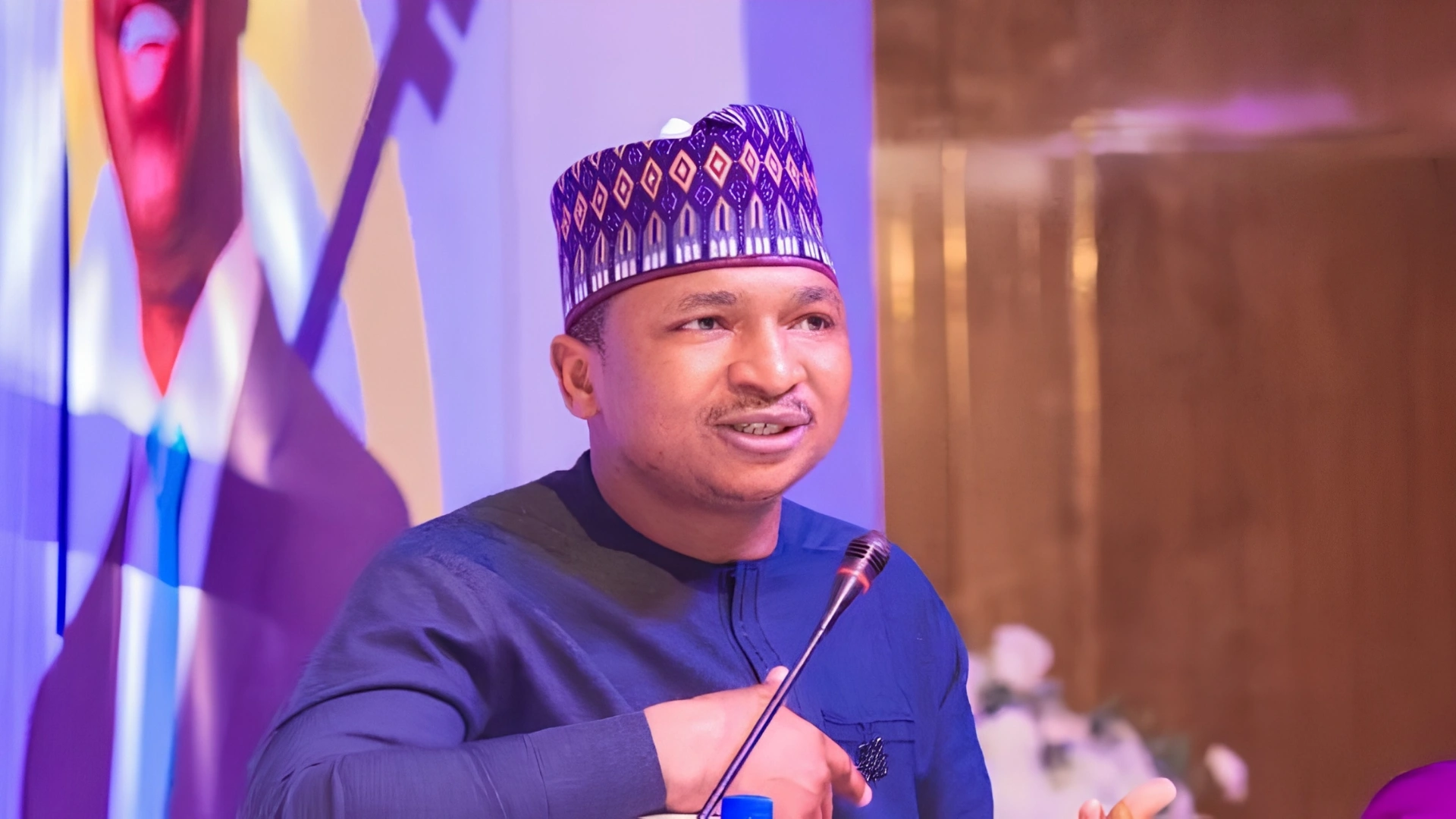
On June 20, 2026, during a Democracy Day dialogue hosted by the Cambridge University Nigerian Society, civic activist and governance advocate Hamzat Lawal delivered a powerful message to Nigerian youth—both at home and in the diaspora. His address, titled “Beyond the Ballot: Leadership, Youth Participation, and Nigeria’s Future,” challenged the nation’s young generation to transcend passive political observation and actively reshape Nigeria’s democratic trajectory. Lawal, the founder of Follow The Money and Connected Development (CODE), emphasized that Nigeria’s youth—comprising over 60% of the population under 35—hold the demographic power to redefine the country’s political and governance landscape. Yet, despite this overwhelming numerical advantage, young Nigerians remain woefully underrepresented in leadership roles, decision-making structures, and institutional power.
Lawal’s call to action was rooted in decades of firsthand experience as an activist, where he witnessed both the failures of systemic neglect and the transformative potential of organized citizen action. His journey began with a tragic yet eye-opening encounter in Bagega, Zamfara State, where widespread lead poisoning affected hundreds of children, yet the crisis received minimal government attention. Upon returning to Abuja, Lawal launched the #SaveBagega campaign, leveraging social media to mobilize public outrage and demand accountability. The campaign’s success—ultimately leading to increased government intervention and funding for affected communities—proved that collective citizen action could force systemic change.
This experience became the foundation for Follow The Money, an accountability initiative dedicated to tracking public expenditure and ensuring that taxpayer funds reach their intended beneficiaries. For Lawal, transparency in public finance remains the cornerstone of governance reform. He posed critical questions that every Nigerian should demand answers to:
“Where are the funds coming from? Where are they going? And most importantly, how are our leaders using this money responsibly?”
His message extended beyond Nigeria’s borders, addressing the diaspora community—a group that sends billions in remittances annually but often lacks engagement in governance. Lawal argued that while financial contributions are vital, accountability and political participation must accompany them. He urged Nigerians abroad to use their influence not just through remittances, but by advocating for transparency, demanding policy reforms, and holding leaders accountable for the nation’s development.
The “Not Too Young To Run” Campaign: A Decade of Youth-Led Advocacy
A significant portion of Lawal’s address highlighted the 10-year campaign that led to Nigeria’s Not Too Young To Run constitutional reforms. Initially met with skepticism and resistance, the movement sought to lower the age requirements for elective offices, allowing younger Nigerians to contest for political positions that were previously off-limits to them. Lawal recounted how years of advocacy, coalition-building, and relentless engagement with lawmakers ultimately secured the constitutional amendments, creating a legal pathway for youth participation in governance.
“A lot of people thought it just happened. No, it took about 10 years of persistent effort,” he stated.
This campaign stands as one of the most successful examples of youth-led civic advocacy in Nigeria’s modern political history. However, Lawal warned against complacency, cautioning that activism alone cannot sustain systemic change. He reflected on his evolution as an advocate, noting that while protests and public campaigns are essential, lasting transformation requires participation within political institutions.
“Power is not just taken—it is created. And to ensure justice, you must share power,” he asserted.
Lawal’s words resonate deeply in today’s political climate, where youth engagement in civic movements, digital activism, and voter mobilization has grown significantly. Yet, electoral representation remains disproportionately low, with young Nigerians still underrepresented in elected offices. The challenge, he argued, is no longer whether youth have the numbers to influence outcomes, but whether they are willing to sustain their engagement beyond elections.
From Activism to Institutional Power: The Path Forward
Lawal’s final appeal was a call to arms for Nigerian youth to overcome their hesitation toward politics and embrace leadership responsibilities. Drawing parallels to the young nationalists who played pivotal roles in Nigeria’s independence movement, he challenged the younger generation to step into leadership—whether through activism, public service, policy advocacy, or elected office.
“Why are we scared of politics? Isn’t it better that we die and leave a legacy?”
His message was clear: Nigeria’s democratic future depends not only on the decisions of current leaders, but on the willingness of a new generation to actively shape what comes next. Lawal’s vision for change is multi-faceted:
1. Expanding Youth Representation – Ensuring younger voices are not just heard, but seated in decision-making bodies.
2. Strengthening Accountability Mechanisms – Using tools like Follow The Money to expose corruption, track funds, and demand transparency.
3. Institutional Participation – Moving beyond street protests to running for office, joining governance bodies, and influencing policy.
4. Diaspora Engagement – Leveraging the economic and social capital of Nigerians abroad to drive governance reforms and hold leaders accountable.
For Lawal, the time for passive observation is over. The youth must claim their rightful place in Nigeria’s political narrative, ensuring that their numbers translate into real power. As he concluded, the legacy they leave behind—whether through policy changes, social reforms, or leadership—will determine whether Nigeria fulfills its potential as a democratic nation.
Final Thought:
Nigeria’s youth are not just the future—they are the present. The question now is: Will they rise to the challenge?
