


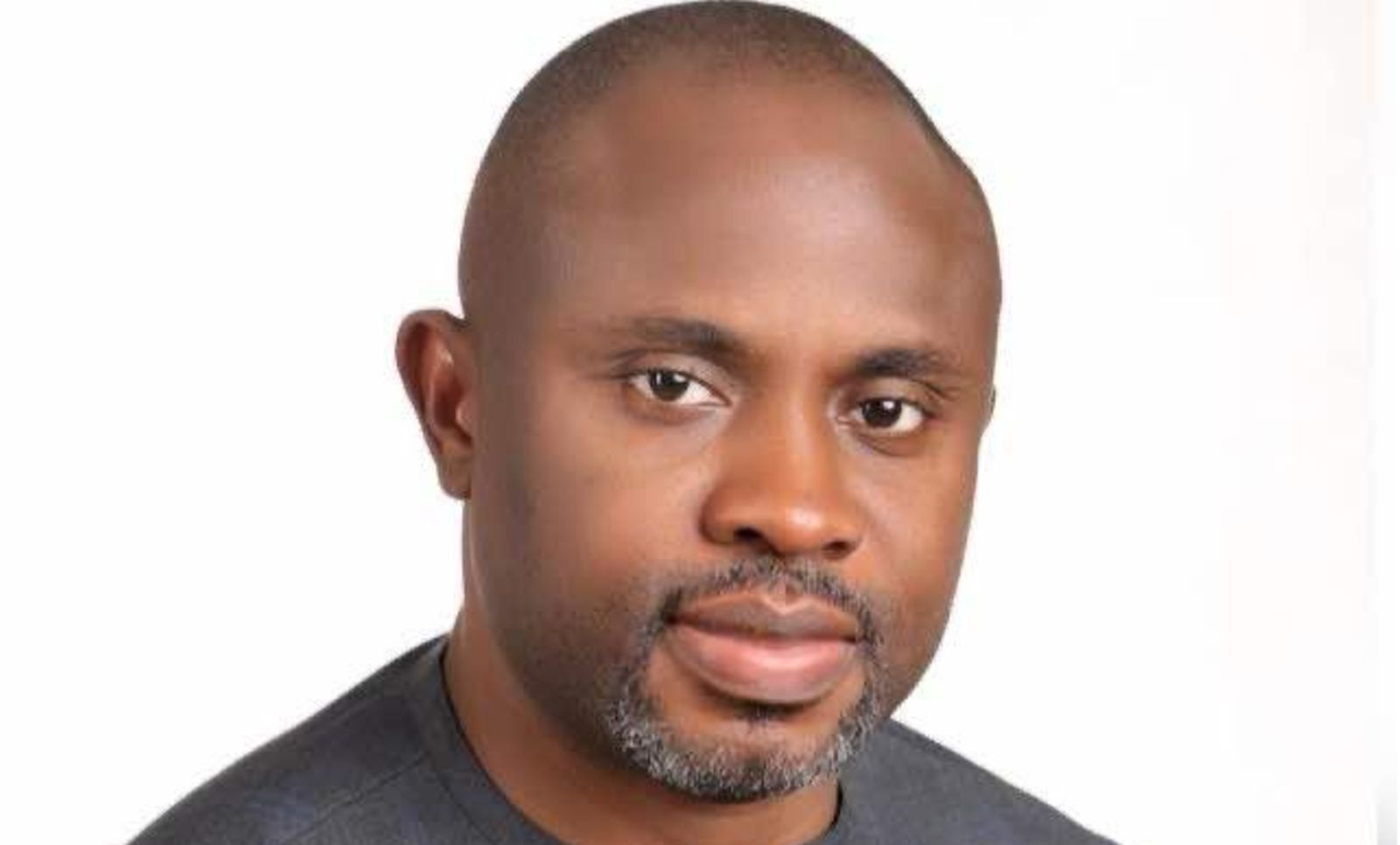
Chukwuemeka B. Eze, Director
As the Economic Community of West African States (ECOWAS) prepares for a leadership transition in July 2026, the region stands at a defining moment in its history.
The transition comes at a time when West Africa faces converging political, security, economic, and social challenges that have tested the resilience of regional institutions and shaken confidence in the promise of integration. For ECOWAS, this is not merely a routine change of leadership; it is an opportunity to rethink its role, restore its legitimacy, and renew its commitment to the people of West Africa.
For nearly five decades, Economic Community of West African States has been a pillar of regional cooperation, promoting economic integration, conflict prevention, democratic governance, and free movement across West Africa. It has played critical roles in resolving conflicts, supporting democratic transitions, and advancing regional trade. Yet the organization now faces perhaps its greatest test since its creation in 1975.
The most visible challenge is the growing fragmentation of the regional community. The departure of Mali, Burkina Faso, and Niger from ECOWAS has exposed deep divisions over governance, security, sovereignty, and the future direction of regional cooperation. What was once considered one of Africa’s most successful regional blocs now faces difficult questions about its cohesion and relevance.
At the same time, democratic governance across the region is under pressure. Military coups, constitutional manipulation, contested elections, shrinking civic space, and declining trust in political institutions have contributed to a broader democratic recession.
While ECOWAS has consistently championed constitutional order, many citizens increasingly question whether democratic systems are delivering security, economic opportunity, and accountable governance. This growing disconnects between democratic ideals and lived realities present a profound challenge not only for national governments but also for regional institutions.
Security threats continue to compound these concerns. Violent extremist groups have expanded their reach across the Sahel and increasingly threaten coastal states. Organized crime, illicit trafficking, communal conflicts, and climate-induced resource competition have further complicated the security landscape. Despite significant military efforts, insecurity persists, underscoring the need for approaches that address not only armed violence but also the governance failures, social exclusion, and economic marginalization that fuel instability.
The economic outlook presents additional difficulties. Rising debt burdens, inflation, unemployment, and widening inequalities continue to affect millions of West Africans. Young people, who constitute the majority of the region’s population, face limited opportunities despite being among its greatest assets. Many view regional institutions as distant from their daily struggles and disconnected from their aspirations for dignity, inclusion, and prosperity.
Against this backdrop, the leadership transition offers an opportunity for strategic renewal. The next generation of ECOWAS leadership must recognize that the region’s challenges cannot be addressed through business-as-usual approaches. The task is not simply to preserve existing institutions but to adapt them to a rapidly changing political and geopolitical environment.
The leadership West Africa needs today is fundamentally different from the leadership that shaped ECOWAS during previous eras. The next leader must first be a bridge builder capable of rebuilding trust among member states while opening channels of dialogue with governments that have distanced themselves from the bloc. Regional integration cannot be sustained through isolation or confrontation alone. It requires patient diplomacy, mutual respect, and a shared commitment to collective interests.
Second, ECOWAS needs a principled pragmatist. The defense of constitutional governance and democratic norms remains essential. However, defending democracy requires more than condemning coups or enforcing sanctions. It demands confronting the underlying governance deficits, inequalities, and institutional failures that often create fertile ground for political instability. The next leadership must demonstrate that democratic governance can produce tangible improvements in people’s lives.
Third, the organization needs a citizen-centered regionalist. For too long, ECOWAS has often been perceived as an institution driven primarily by governments and political elites. The future of regional integration depends on bringing citizens closer to the project. Young people, women, entrepreneurs, civil society organizations, and local communities must be seen not as beneficiaries of regional policies but as active participants in shaping them.
Fourth, the region requires a security innovator. Military responses will remain necessary in some contexts, but they are insufficient on their own. Sustainable security depends on stronger institutions, inclusive governance, economic opportunities, climate resilience, and social cohesion. The next ECOWAS leadership must champion a broader vision of human security that places people, rather than states alone, at the center of regional policy.
Most importantly, the incoming leadership must be prepared to undertake institutional reform. Restoring confidence in ECOWAS requires improving transparency, strengthening accountability, enhancing policy implementation, and ensuring that regional decisions are responsive to emerging realities. Citizens are more likely to support regional integration when they can see its benefits reflected in improved mobility, trade opportunities, infrastructure development, and economic prospects.
The challenge before the incoming leadership is therefore both immediate and historic. It must rebuild trust where trust has eroded. It must reconnect ECOWAS to citizens whose confidence has weakened. It must defend democratic values while addressing the structural conditions that undermine them. It must respond to insecurity without losing sight of the broader development and governance agenda. And it must demonstrate that regional cooperation remains the most effective path toward collective prosperity and stability.
As ECOWAS approaches the next fifty years of its existence, the leadership transition presents an opportunity not only to respond to current challenges but also to reimagine the future of regional integration itself. Consistent with its long-standing vision of an “ECOWAS of the Peoples,” the organization must move beyond state-centric approaches and place citizens at the center of its agenda. This requires a critical review of its protocols, institutional architecture, decision-making processes, and operational models to ensure they are fit for purpose in a rapidly changing regional and global environment. From democratic governance and peace and security frameworks to trade integration, youth engagement, digital transformation, and citizen participation, ECOWAS must adapt its institutions to better reflect contemporary realities and aspirations. The next generation of leadership should seize this moment to build a more responsive, accountable, and people-driven community capable of restoring confidence in regional cooperation and delivering tangible benefits to the millions of West Africans whose future depends on its success.
The true test of the next ECOWAS leadership will not be measured by the number of summits convened or declarations issued. It will be measured by whether West Africans once again believe that regional integration can improve their lives, strengthen their democracies, and secure their collective future. In an era of fragmentation and uncertainty, that may be the most important leadership challenge of all.
By: Chukwuemeka B. Eze, PhD, Director, Democratic Futures in Africa, Open Society Foundations
DISCLAIMER: The Views, Comments, Opinions, Contributions and Statements made by Readers and Contributors on this platform do not necessarily represent the views or policy of Multimedia Group Limited.
DISCLAIMER: The Views, Comments, Opinions, Contributions and Statements made by Readers and Contributors on this platform do not necessarily represent the views or policy of Multimedia Group Limited.
