
Welcome! I’m thrilled you’ve stopped by to explore one of the most distinctive and fascinating linguistic phenomena in West Africa. This article represents the culmination of months of research into Nigerian accents, drawing upon years of experience working with language documentation projects across all six geopolitical zones, recording pronunciation patterns from Lagos to Maiduguri, and countless conversations with linguists, educators, and everyday Nigerians whose voices paint our nation’s soundscape. After all this immersion in what accent is Nigerian and how it shapes our national identity, I can tell you with certainty: the Nigerian accent is gloriously complex, profoundly varied, and utterly unique in the global English-speaking world.
I still remember the first time someone abroad asked me where I was from based purely on my accent. I was in a London coffee shop, ordering a cappuccino, when the barista smiled and said, “You’re Nigerian, aren’t you?” I was gobsmacked. Not Ghanaian, not Kenyan, specifically Nigerian. That moment crystallised something I’d never fully appreciated: our accent carries unmistakable markers that immediately identify us to trained ears.
The question of what accent is Nigerian touches something deeper than mere pronunciation. It reveals how colonial history, indigenous languages, regional diversity, and contemporary culture intertwine to create sonic patterns that distinguish Nigerians globally. We’re not talking about one monolithic accent. Rather, Nigeria’s 520+ indigenous languages, three dominant lingua francas (Hausa, Yoruba, and Igbo), and regional variations create a spectrum of English accents that share certain features whilst maintaining remarkable diversity.
What makes this topic particularly relevant in 2026 is how Nigerian accents have gained unprecedented global prominence. From Burna Boy’s singing voice to Chimamanda Ngozi Adichie’s TED Talks, from Nollywood actors to business executives at international conferences, Nigerian voices now resonate across continents. Yet misconceptions persist. Many foreigners lump all African accents together, missing the profound differences between Nigerian, Ghanaian, Kenyan, and South African English. Understanding what accent is Nigerian helps us appreciate linguistic diversity whilst celebrating the features that unite Nigerian speakers globally.
What Kind of Accent Do Nigerians Have?
Nigerians possess what linguists classify as a West African variety of English characterised by syllable-timed rhythm (rather than stress-timed like British or American English), distinct vowel qualities, retroflex consonants influenced by indigenous languages, and intonation patterns that reflect tonal language backgrounds. But that technical description barely scratches the surface of the lived reality!
Let me paint you a proper picture from personal experience. I once attended a linguistics conference in Abuja where researchers played recordings of Nigerian English speakers from different regions without visual identification. Within seconds, participants could distinguish a Lagos speaker from a Kano speaker, an Enugu speaker from a Calabar speaker. The variations were that pronounced.
The Federal Ministry of Information and National Orientation has reaffirmed English as the medium of instruction across all education levels, which standardises some pronunciation features through formal schooling. Yet regional substrate influences from indigenous languages create fascinating variations that resist complete standardisation.
Here’s what characterises Nigerian English accents broadly. First, we tend to pronounce consonant clusters more distinctly than British or American speakers. Where an American might soften or elide certain consonants, Nigerians articulate them clearly. We say “DEE-velop” rather than “duh-VELOP,” maintaining that first syllable’s vowel quality.
Second, many Nigerian speakers don’t distinguish between certain vowel sounds that native British speakers separate. The vowels in “pen” and “pin” often sound identical to foreign ears when spoken by Nigerians. Similarly, “marry,” “merry,” and “Mary” might all share the same vowel sound in Nigerian English.
Third, and this is crucial, our rhythm follows a syllable-timed pattern inherited from indigenous languages. In stress-timed languages like British English, stressed syllables occur at roughly regular intervals, with unstressed syllables compressed between them. Nigerian English speakers tend to give more equal weight to each syllable, creating a different rhythmic flow that foreigners immediately recognise.
I witnessed this rhythm difference firsthand during a business presentation in Dubai. A British colleague and I presented the same material. Afterwards, an attendee mentioned how different our delivery sounded, even though we both spoke fluent English. That rhythmic distinction was carrying cultural information beyond the words themselves.
According to the Voice of Nigeria Broadcasting Service, Nigeria has mandated English as the primary language for learning assessment whilst recognising the continued influence of Nigeria’s 625+ languages on how English is spoken. This linguistic diversity means that substrate influence from mother tongues shapes pronunciation patterns across regions.
Yoruba speakers, for instance, often have difficulty with the /θ/ sound in words like “think,” substituting /t/ instead (“tink”). Hausa speakers might struggle with the /p/ sound, occasionally substituting /f/. Igbo speakers bring tonal influences that affect intonation patterns in ways that native English speakers find distinctive.
But here’s something fascinating: these features aren’t errors or deficiencies. They’re legitimate characteristics of Nigerian English as a distinct variety with its own internal logic and patterns. The National Institute for Cultural Orientation recognises that whilst English serves as our official lingua franca, Nigeria’s 525+ indigenous languages create a linguistic landscape that inevitably shapes how we speak English.
The cultural context matters enormously here. In Nigeria, speaking English with a heavy British or American accent can actually work against you socially! I remember a childhood friend who returned from years in America with a pronounced American accent. People in our neighbourhood teased him mercilessly for “forming,” accusing him of putting on airs. There’s social pressure to maintain a recognisably Nigerian sound, even amongst highly educated speakers.
Guardian Nigeria writers have explored this phenomenon extensively. In “Declining English Language Use by Nigerians,” academics examine how Nigerian English interacts with indigenous linguistic dynamics whilst serving pragmatic communication needs across our diverse ethnic landscape.
Regional variations within Nigerian accents deserve proper attention. A Hausa speaker from Kano speaks English differently from a Yoruba speaker from Ibadan, who sounds different from an Igbo speaker from Owerri. These aren’t subtle differences. They’re immediately apparent to Nigerian listeners, carrying information about ethnicity, region, and often socioeconomic background.
Northern Nigerian accents (particularly among Hausa speakers) tend to have different vowel qualities than Southern accents. The retroflex “r” sound is often more pronounced in Northern speakers. Southern accents, particularly among Yoruba speakers, might exhibit different stress patterns influenced by the tonal nature of Yoruba.
Eastern Nigerian accents among Igbo speakers often maintain distinct characteristics including how diphthongs are pronounced and where stress falls in multi-syllable words. Cross River and Akwa Ibom speakers bring influences from Ibibio, Efik, and Anaang that create yet another accent profile.
The Lagos accent deserves special mention. As Nigeria’s commercial capital and most cosmopolitan city, Lagos has developed what linguists call a koine, a blended variety drawing from multiple Nigerian languages plus Pidgin English. Young Lagosians often code-switch seamlessly between standard Nigerian English, Pidgin, Yoruba, and this distinctive Lagos accent that combines features from all three.
What foreigners often describe as “the Nigerian accent” is usually this Lagos-influenced variety, which has gained prominence through Nollywood films, music videos, and social media content produced in Nigeria’s entertainment capital. But it represents just one flavour in Nigeria’s rich accent diversity.
How to Speak in a Nigerian Accent
Learning to speak with a Nigerian accent requires understanding specific pronunciation features, rhythm patterns, and intonation contours that distinguish Nigerian English from other varieties. For non-Nigerians or diaspora children reconnecting with heritage, it’s absolutely achievable with dedicated practice!
Let me share a systematic approach based on my experience helping diaspora Nigerians refine their pronunciation patterns:
Seven Steps to Developing an Authentic Nigerian English Accent
- Master Syllable-Timed Rhythm Instead of Stress-Timing Start by giving equal weight to each syllable rather than emphasising stressed syllables at regular intervals. Practice with phrases like “development” (deh-VEH-lop-ment) where each syllable receives relatively equal timing. This fundamentally changes the flow of speech and is the foundation of Nigerian English rhythm. Record yourself and compare with Nigerian speakers on YouTube to calibrate your timing. Budget around ₦3,000 for a decent voice recorder or use your smartphone’s recording app.
- Pronounce Consonant Clusters Clearly and Fully Nigerian speakers articulate consonant clusters that other English varieties soften or reduce. Practice words like “asked” (pronouncing all the consonants: as-ked), “prompt” (pro-mpt), and “texts” (tek-sts). Many Nigerians add a slight vowel sound between consonants that native speakers blend. Listen for this in Nollywood dialogue and mirror it in your practice sessions.
- Adjust Specific Vowel Sounds to Match Nigerian Patterns Work on the vowel mergers common in Nigerian English. Practice making “pen” and “pin” sound identical (usually closer to “pin”). Similarly, “marry,” “merry,” and “Mary” should share the same vowel sound. The vowel in “caught” and “cot” becomes identical. These mergers happen naturally in Nigerian English and immediately signal Nigerian origins to listeners.
- Substitute Difficult Sounds Following Substrate Language Patterns Depending on which Nigerian ethnic accent you’re targeting, practice common substitutions. For a Yoruba-influenced accent, replace the /θ/ sound in “think” with /t/ (“tink”). For Hausa influences, occasionally substitute /f/ for /p/ in certain positions. Don’t overdo this, educated Nigerian English speakers maintain most standard sounds, but subtle influences appear naturally in casual speech.
- Add Retroflex Qualities to Your “R” Sounds Nigerian English often features a retroflex “r” where the tongue curls back slightly. This is particularly prominent in Northern Nigerian accents. Practice words like “driver,” “brother,” and “morning” with this retroflex quality. It’s subtly different from American “r” (which is also retroflex) because of how it interacts with surrounding vowels in the Nigerian rhythm pattern.
- Incorporate Nigerian Intonation Patterns from Tonal Languages Many Nigerian languages are tonal, and these pitch patterns transfer to Nigerian English. Statements often have rising intonation at the end (where British English would fall). Questions might use different pitch patterns than you expect. Watch Nigerian news broadcasts and notice how anchors use pitch. This requires the most sophisticated listening, as it’s often unconscious for native speakers.
- Immerse Yourself in Authentic Nigerian English Content Spend at least 30 minutes daily consuming Nigerian English media. Watch Nollywood films without subtitles, listen to Nigerian podcasts (The Honest Bunch, I Said What I Said, Afrobeats Intelligence), follow Nigerian YouTube content creators, and stream Nigerian radio stations online. Pay particular attention to educated speakers in formal contexts to understand the standard variety. This constant exposure trains your ear to catch nuances that explicit instruction cannot teach.
I’ll never forget helping my cousin’s daughter, who grew up in Manchester, reconnect with her Nigerian linguistic heritage. After three months of dedicated practice following these steps, her grandmother wept with joy hearing her speak with recognisably Nigerian intonation. It wasn’t perfect, but the effort mattered enormously.
The key insight here is that accent isn’t merely about individual sounds. It’s about rhythm, intonation, stress patterns, and the musical quality of speech that emerges from combining all these elements. You can pronounce every vowel and consonant perfectly and still not sound Nigerian if you maintain British stress-timing and intonation.
For diaspora Nigerians specifically, I recommend focusing on the Lagos accent initially because it’s most widely recognised and contains features from multiple Nigerian languages. Once comfortable with that foundation, you can specialise into regional varieties if you’re connecting with specific ethnic heritage.
Budget considerations matter if you’re serious about this. Expect to spend around ₦15,000 to ₦25,000 for good headphones (Oraimo or similar brands at Slot or Jumia), language learning apps or books (Udemy courses on Nigerian English cost about ₦8,000), and perhaps pronunciation coaching sessions with Nigerian English teachers (₦5,000 to ₦10,000 per hour for online sessions).
The social payoff is tremendous. Speaking with an authentic Nigerian accent, even if learned rather than native, opens doors to cultural connection, reduces “not Nigerian enough” stigma for diaspora members, and creates immediate rapport with Nigerians worldwide who appreciate the effort to embrace linguistic heritage.
In “Thankfully, Now, We Export Words,” Guardian Nigeria writers celebrate how Nigerian English has contributed words to the Oxford English Dictionary, recognising that our variety deserves respect as a legitimate form of English rather than a deficient version of British or American standards.
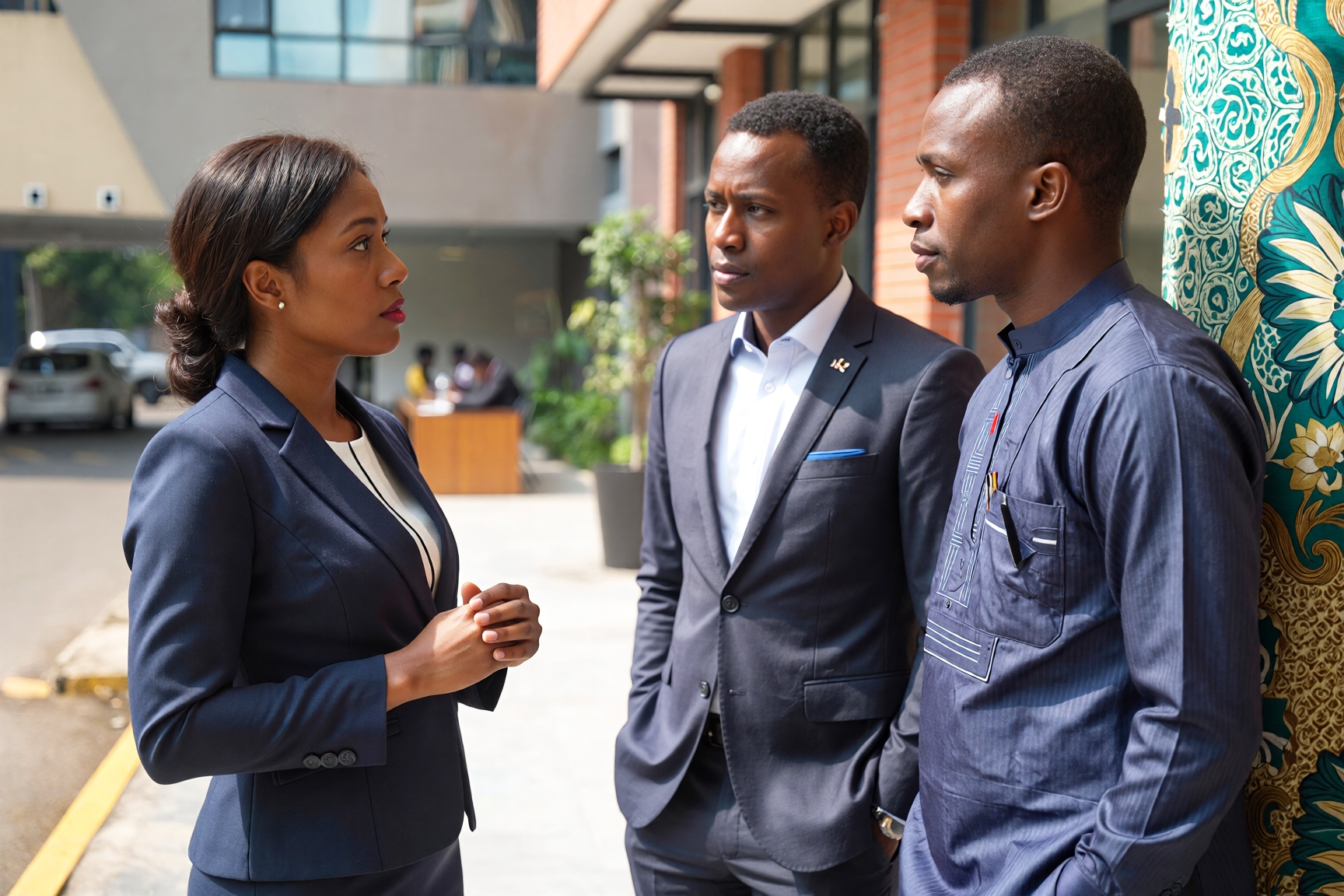
What is the Name of the Nigerian English Accent?
Linguists call it Nigerian English, West African English (Nigerian variety), or sometimes Nigerian Standard English, though considerable debate exists about standardisation given Nigeria’s regional diversity. The technical classification places it within the “Outer Circle” of English varieties in Kachru’s model of World Englishes.
This naming question opens fascinating discussions about linguistic legitimacy and colonial legacies. For decades, Nigerian English was considered simply “bad English,” a corrupted version of the British standard. That patronising view has thankfully shifted as linguists recognise legitimate varieties of English worldwide.
Nigerian English now stands alongside Indian English, Singapore English, Philippine English, and other post-colonial varieties as recognised forms with their own internal rules and norms. The Nigerian Educational Research and Development Council works on language development functions including research into Nigerian English patterns and how they interact with indigenous languages.
But here’s where terminology gets politically charged. Some Nigerian educators still resist calling it “Nigerian English,” insisting that there’s only one proper English and Nigerians should aspire to British standards. Others celebrate Nigerian English as a point of national pride, arguing that linguistic self-determination matters.
I remember heated debates during my university days about whether textbooks should reflect Nigerian English patterns or maintain strict British conventions. Our linguistics professor argued passionately that acknowledging Nigerian English didn’t mean abandoning standards. Rather, it meant recognising that different contexts require different varieties.
In formal writing, international business, and academic contexts, many Nigerians consciously code-switch towards International English norms. In casual conversation, broadcasting, Nollywood productions, and everyday life, Nigerian English flourishes with its distinctive features fully displayed.
Understanding Nigerian English Regional Variation Patterns
Here’s a data table showing pronunciation features across Nigeria’s main accent regions:
| Region | Primary Language Influence | Distinctive Features | Example Phonetic Pattern | Percentage Speaking English (Approx.) | Social Contexts |
|---|---|---|---|---|---|
| South-West (Lagos, Ibadan, Abeokuta) | Yoruba | /θ/ → /t/ substitution, distinctive stress patterns, syllable-timed rhythm | “think” → “tink”, “birthday” → “birtday” | 75% | Urban professional, media, entertainment |
| South-East (Enugu, Owerri, Onitsha) | Igbo | Tonal intonation transfer, retroflex consonants, specific vowel patterns | Rising intonation on statements, strong “r” sounds | 72% | Business, commerce, education |
| North (Kano, Kaduna, Sokoto) | Hausa | Retroflex “r”, occasional /f/ for /p/, distinct vowel qualities | “people” occasionally → “feople”, pronounced “r” | 65% | Government, Islamic scholarship, trade |
| South-South (Port Harcourt, Calabar, Warri) | Efik, Ibibio, Izon | Mixed features from multiple languages, unique intonation | Varied patterns reflecting linguistic diversity | 70% | Oil industry, international business |
| North-Central (Abuja, Jos, Makurdi) | Mixed (Tiv, Gbagyi, others) | Blended features from North and South | Intermediate patterns between Northern and Southern varieties | 68% | Federal government, cosmopolitan settings |
| Pidgin-Dominant Urban Areas (Lagos, Warri, Port Harcourt) | Nigerian Pidgin English | Code-switching between Pidgin and Standard English | “I dey go” influences standard English rhythm | 85% | Informal communication, entertainment, markets |
This table reveals significant regional variation, though all varieties share certain features that make them recognisably Nigerian to international listeners.
Looking at this data, several patterns emerge. English proficiency is highest in the South-West and urban centres, reflecting colonial history, educational infrastructure, and economic opportunities. The South-West, particularly Lagos, sets linguistic trends that spread nationally through media and entertainment.
Northern varieties show strong Hausa substrate influence, whilst Eastern varieties reflect Igbo tonal patterns. The South-South, with extraordinary linguistic diversity even by Nigerian standards, displays the most varied accent patterns with influences from dozens of indigenous languages.
What’s particularly fascinating is how Pidgin English, spoken by over 60 million Nigerians, influences standard Nigerian English rhythm and intonation even amongst educated speakers who primarily use standard forms. The boundary between Pidgin and Nigerian English is often fuzzy, with speakers code-switching rapidly based on context, audience, and social relationship.
Academic debates continue about whether we should speak of “Nigerian English” (singular) or “Nigerian Englishes” (plural) given this regional diversity. In “Reviving the Vanishing Vernacular Language,” Guardian Nigeria explores how indigenous languages influence English varieties whilst facing extinction pressures from urbanisation and globalisation.
The truth is that both perspectives hold validity. There’s a recognisable set of features that make someone sound unmistakably Nigerian to international listeners, regardless of region. Simultaneously, significant internal variation exists that Nigerians themselves readily identify by region and ethnicity.
For international audiences, the distinction rarely matters. To foreign ears, we all sound “Nigerian.” But within Nigeria, these accent differences carry social information about origins, education, class, and ethnic identity that profoundly shapes interpersonal dynamics.
What is the African Accent Called?
There is no single “African accent” despite popular misconceptions, Africa contains over 2,000 languages producing countless English accent varieties that differ more dramatically from each other than British differs from American English. Conflating Nigerian, Kenyan, South African, and Ghanaian accents represents profound linguistic ignorance.
This question frustrates me immensely because it reflects the erasure of African diversity that persists in global consciousness. Imagine asking “what is the European accent?” Europeans would rightfully laugh at the absurdity. A French accent sounds nothing like a German accent, which bears no resemblance to a Greek accent. Yet somehow Africa, with even greater linguistic diversity than Europe, gets lumped into one imaginary “African accent.”
Let me be absolutely clear: Nigerian accents differ from Ghanaian accents as much as American accents differ from Australian ones. Kenyan English, influenced by Swahili and other East African languages, has completely different characteristics from Nigerian English. South African English exists in multiple varieties (including distinct accents among white, Black, coloured, and Indian South Africans) that share virtually nothing with West African varieties.
The perpetuation of an “African accent” myth serves to homogenise African people, erasing the extraordinary linguistic sophistication of a continent where multilingualism is the norm and language diversity exceeds anywhere else globally. Every time someone in Hollywood uses a vaguely “African” accent that doesn’t correspond to any real place, they’re reinforcing harmful stereotypes.
I experienced this ignorance personally during a trip to New York. Someone asked where my “African accent” came from. I politely explained I was Nigerian, and my accent reflected Nigerian English specifically. They seemed confused, as if “African” should suffice. Would they accept “European” as adequate description for someone’s accent? Of course not.
What makes this particularly galling is that Africans themselves maintain acute awareness of accent differences. A Nigerian can immediately distinguish a Ghanaian accent from a Zimbabwean one. We recognise the specific features that distinguish East African from West African English varieties. This isn’t difficult; it simply requires listening to actual African people with respect for diversity.
Each African country with English as an official or widely spoken language has developed its own variety or varieties influenced by indigenous languages, colonial history, educational policies, and contemporary cultural factors. These aren’t failed attempts at British or American English. They’re legitimate varieties with their own norms.
Nigerian English pronunciation patterns emerged from the interaction of over 520 Nigerian languages with British English during colonisation and independence. Ghanaian English developed differently because Ghana’s linguistic landscape (with Akan, Ewe, Ga, and others as dominant languages) differs from Nigeria’s. Kenyan English reflects Swahili influence in ways that Nigerian English, with minimal Swahili speakers, never would.
Even within regions, variation exists. “West African English” encompasses Nigerian, Ghanaian, Sierra Leonean, Liberian, and Gambian varieties, each distinct. “East African English” includes Kenyan, Tanzanian, and Ugandan varieties, again each unique. Southern African English varieties differ dramatically from either West or East African forms.
The bottom line: if someone asks you about “the African accent,” gently correct them. Africa is a continent of 54 countries, 2,000+ languages, and countless English accent varieties. Generalising across this diversity makes as much sense as asking “what is the Asian accent?” whilst conflating Japanese, Indian, and Arabic speakers.
For Nigerians specifically, our accent deserves recognition as distinctly Nigerian, shaped by our unique linguistic heritage, colonial history, and contemporary culture. We’re not a subset of some imaginary pan-African accent. We’re Nigerian, full stop.
Understanding What Accent is Nigerian: Direct Answer to Your Query
What accent is Nigerian? Nigerian accent is a West African variety of English characterised by syllable-timed rhythm (giving relatively equal weight to each syllable), distinct vowel mergers (where “pen” and “pin” sound identical), retroflex consonants particularly in “r” sounds, clear articulation of consonant clusters, intonation patterns influenced by tonal indigenous languages (Yoruba, Igbo, Hausa), and regional variations reflecting Nigeria’s 520+ indigenous languages. The accent exists on a spectrum from highly educated standard Nigerian English (used in formal contexts, broadcasting, and education) to more strongly indigenous-language-influenced varieties in rural areas, with significant regional differences between Northern (Hausa-influenced), South-Western (Yoruba-influenced), South-Eastern (Igbo-influenced), and South-South (multi-language-influenced) varieties. Nigerian English serves 200+ million speakers, making it one of the world’s largest English-speaking populations, with features legitimised by linguists as a distinct variety within World Englishes frameworks rather than deficient or incorrect English.
The technical classification places Nigerian English within Kachru’s “Outer Circle” of World Englishes, where English functions as a second language institutionalised through colonial history but now serving essential roles in government, education, and commerce. It’s a non-rhotic accent (like British English) in most formal registers, though some Nigerian speakers, particularly in certain regions, use rhotic pronunciation.
What makes Nigerian accent particularly distinctive to international listeners is the combination of rhythm and intonation. The syllable-timing creates a staccato quality quite different from the stress-timed flow of British or American English. This rhythm reflects the phonological systems of indigenous languages like Yoruba, Igbo, and Hausa, which don’t have the same stress patterns as European languages.
Equally distinctive are the vowel qualities. Nigerian English tends towards monophthongs (pure vowels) where British English uses diphthongs (gliding vowels). The word “face” in Nigerian English often uses a pure /e/ sound rather than the /eɪ/ diphthong of British English. This simplification of vowel sounds makes Nigerian English more phonetically accessible to speakers of Nigerian languages, which generally have simpler vowel systems than English.
Consonant pronunciation in Nigerian English follows its own patterns. The “th” sounds (/θ/ and /ð/) often become “t” and “d” because these sounds don’t exist in most Nigerian languages. Thus “think” becomes “tink” and “that” becomes “dat” in casual Nigerian English, though educated speakers often maintain standard pronunciation in formal contexts.
Word stress in Nigerian English can differ from British patterns. Multi-syllable words might receive stress on different syllables, or maintain relatively level stress across syllables rather than the dramatic stress contrasts of British English. This creates the distinctive rhythmic quality that immediately identifies Nigerian speakers.
Beyond phonetics, Nigerian English includes lexical items borrowed from indigenous languages or coined within Nigeria. Guardian Nigeria’s celebration of words like “buka,” “danfo,” “okada,” and “tokunbo” entering the Oxford English Dictionary reflects how Nigerian English has contributed to global English vocabulary whilst maintaining distinct characteristics.
The social context of accent in Nigeria carries particular weight. Code-switching between different varieties happens constantly based on formality, audience, and purpose. A Nigerian business executive might use International English in a conference call with American partners, switch to standard Nigerian English when addressing local staff, and drop into Pidgin when chatting with the security guard. This linguistic flexibility represents sophisticated language management, not confusion or deficiency.
Understanding Nigerian accent requires appreciating this complexity. It’s not one monolithic sound. It’s a spectrum of varieties united by certain features whilst displaying regional, ethnic, educational, and class variation. The Lagos accent differs from the Kano accent, which differs from the Enugu accent. Yet all remain recognisably Nigerian to international listeners who’ve developed familiarity with Nigerian speakers.
For diaspora Nigerians, accent often becomes fraught with identity questions. Second-generation Nigerians raised in Britain or America might speak with British or American accents whilst Nigerian parents maintain Nigerian accents. Some diaspora members consciously cultivate Nigerian accent features to assert cultural identity. Others embrace their hybrid linguistic identity, code-switching between accents based on context.
The global spread of Nollywood, Afrobeats music, and Nigerian social media influencers has made Nigerian accents familiar to international audiences in unprecedented ways. Burna Boy’s singing voice, Chimamanda Adichie’s speaking voice, and the accents heard in “King of Boys” or “Blood Sisters” on Netflix expose millions to Nigerian English pronunciation patterns. This familiarity breeds recognition and, increasingly, respect.
Making Your Nigerian Accent Work for You in Professional Contexts
Your Nigerian accent is an asset, not a liability, in the globalised economy of 2026, despite persistent prejudices that suggest otherwise. Here’s how to leverage linguistic distinctiveness whilst maintaining professional credibility across international contexts.
First, recognise that accent discrimination remains real. Studies show that non-native English accents face prejudice in hiring, customer service, and professional advancement. However, Nigerian accents specifically have begun carrying positive associations in certain sectors. The global success of Nigerian entrepreneurs, entertainers, and professionals has created what I call “the Dangote effect”: Nigerians are increasingly associated with ambition, business acumen, and cultural confidence.
In my consulting work, I’ve observed Nigerian accent becoming an advantage in entertainment, creative industries, tech startups, and international development. These sectors value diversity and cultural authenticity. A distinctly Nigerian accent signals global perspective combined with cultural rootedness that many clients and collaborators find appealing.
The key is calibrating your accent performance to context. In highly conservative sectors (traditional finance, law in certain jurisdictions, corporate hierarchies with old-school gatekeepers), code-switching towards International English pronunciation can reduce barriers. This isn’t selling out; it’s strategic communication.
However, in sectors valuing innovation, disruption, and cultural capital, maintaining a Nigerian accent whilst demonstrating competence can differentiate you positively. Your accent becomes a personal brand element that makes you memorable and distinctive in crowded professional fields.
Practical strategies include mastering clarity over neutrality. Rather than attempting to sound British or American, focus on clear articulation, appropriate pacing, and strategic emphasis. Many Nigerian speakers unconsciously speed up when speaking English, which combined with Nigerian rhythm patterns can challenge comprehension for unfamiliar listeners. Slowing down by 10 to 15 per cent dramatically improves intelligibility without requiring accent modification.
Record yourself regularly, particularly before important presentations or client calls. Listen critically for moments where your natural speed or rhythm might obscure meaning for non-Nigerian listeners. Practice those sections with deliberate pacing. This isn’t changing your accent; it’s optimising communication effectiveness.
Anticipate common comprehension challenges. Nigerian speakers often struggle with certain consonant clusters or vowel distinctions in ways that create predictable misunderstandings. If you know you pronounce “sheet” and another word identically, choose alternative vocabulary in professional contexts where confusion could embarrass. Say “spreadsheet” instead of “sheet” in technical discussions, for instance.
Build accent awareness without accent shame. Understand your specific pronunciation patterns as a Nigerian speaker. Are you Yoruba-influenced with /θ/ → /t/ substitutions? Hausa-influenced with retroflex “r” sounds? Igbo-influenced with particular tonal patterns? This self-knowledge allows conscious code-switching when beneficial rather than unconscious, unsystematic attempts to “sound proper” that often backfire.
Most importantly, couple accent with competence. The brutal truth is that accent prejudice decreases dramatically when you demonstrably know your stuff. A Nigerian-accented expert explaining blockchain technology or presenting quarterly earnings will face less prejudice than a Nigerian-accented junior employee making a simple request. Competence doesn’t eliminate bias, but it reduces it significantly.
Leverage Nigerian networks globally. Our diaspora is vast and often occupies influential positions. Finding Nigerian mentors, joining Nigerian professional associations (both in Nigeria and abroad), and building relationships with fellow Nigerians in your industry creates spaces where your accent is normalised rather than othered.
For younger Nigerians entering professional contexts, I recommend investing ₦20,000 to ₦30,000 in professional voice coaching focused not on erasing your accent but on enhancing clarity, projection, and strategic code-switching skills. This investment pays dividends throughout your career.
Remember that the global business language is increasingly “International English” rather than British or American specifically. This emerging variety prioritises clarity and mutual intelligibility over native-speaker norms. Nigerian English, with its clear consonants and distinct syllables, often communicates more effectively in international contexts than heavily accented British regional varieties.
As Nigerian soft power grows through entertainment, literature, and business success, our accents gain positive associations globally. Young people in London, New York, and Johannesburg now consume Nigerian content daily, familiarising themselves with Nigerian accents in ways that reduce prejudice. This cultural shift benefits all Nigerian speakers professionally.
The Future of Nigerian Accent in a Globalised World
Nigerian accent is evolving rapidly as globalisation, technology, and demographic shifts reshape how Nigerians speak English, creating fascinating tensions between standardisation pressures and cultural preservation that will define our linguistic future.
Several trends are reshaping Nigerian English. First, the explosion of Nigerian content creation through Nollywood, music, podcasts, and social media is standardising certain features of Nigerian accent globally. The “Lagos accent” in particular is becoming the reference point for Nigerian English internationally, much as General American became the standard American accent through Hollywood’s dominance.
This creates interesting dynamics internally. Young Nigerians from Kano or Calabar increasingly adopt Lagos-influenced pronunciation patterns because that’s what they hear in media. Regional accent features that marked speakers as distinctly Northern or South-Eastern are softening among urban youth, replaced by this emerging Lagos-inflected standard.
However, counter-trends exist. Cultural pride movements celebrate linguistic diversity. Some young Nigerians consciously emphasise regional or ethnic accent features as identity markers, resisting homogenisation. The same technology enabling standardisation also allows micro-communities to maintain distinct varieties through targeted content creation.
Educational policies will profoundly shape Nigerian accent evolution. The Federal Ministry of Education’s reaffirmation of English as the medium of instruction across all levels standardises pronunciation through schooling whilst the discontinuation of mother-tongue instruction for early grades may reduce indigenous language influence on English pronunciation for future generations.
This policy shift worries linguists. If young Nigerians stop speaking indigenous languages fluently, will Nigerian English lose its distinctive character, converging towards International English norms? Or will fossilised features persist even as substrate languages fade? Nobody knows yet.
Diaspora populations create another dynamic. Second and third-generation Nigerians abroad often speak with British, American, or Canadian accents whilst maintaining Nigerian identity through other markers. When they visit Nigeria or interact with Nigerian relatives, interesting code-switching patterns emerge. Some consciously adopt Nigerian accent features in these contexts; others maintain their acquired accents and face “not Nigerian enough” criticism.
Social media enables unprecedented mixing of accent varieties. A teenager in Enugu watches American YouTube daily, listens to British podcasts, consumes Nigerian Afrobeats content, and speaks Igbo at home. The resulting accent might blend features from all four influences in ways that would have been impossible before the internet.
Technology companies are developing speech recognition and AI systems better calibrated to Nigerian accents. Currently, many voice-activated systems struggle with Nigerian pronunciation, forcing speakers to code-switch towards American English for technology to understand them. As Nigerian tech companies grow and international tech firms recognise our massive market, expect better accent recognition that reduces pressure to modify pronunciation for technological reasons.
The economic stakes are significant. As Nigeria’s economy grows and our global influence increases, whether Nigerian accent carries prestige or prejudice in international contexts affects millions of careers. Current trends suggest growing acceptance, even celebration, of Nigerian English varieties. But economic downturns or geopolitical shifts could reverse this progress rapidly.
Climate change might even affect accent evolution. If migration patterns shift dramatically within Nigeria due to desertification in the North or coastal flooding in the South, population movements could create new accent mixing zones and emerging varieties.
What seems certain is that Nigerian accent won’t disappear or converge entirely with British or American norms. We’re too populous, too culturally confident, and too globally connected for complete linguistic assimilation. Nigerian English will continue evolving as a distinct variety, though its internal character might shift significantly.
The question for Nigerians is whether we want to actively shape this evolution or let it happen unconsciously. Should Nigerian linguists, educators, and policymakers work to maintain regional diversity? Should we standardise around a Lagos-based norm? Should we celebrate code-switching versatility rather than trying to fix one “correct” Nigerian accent?
These aren’t merely academic questions. They touch fundamental issues of identity, inclusion, and how we present ourselves globally as Africa’s most populous nation.
Celebrating Nigerian Linguistic Heritage Whilst Embracing Global Communication
The apparent tension between maintaining distinctly Nigerian accents and communicating effectively in global contexts dissolves when we reframe accent as one tool among many in a sophisticated communicator’s toolkit, not an either-or choice between cultural authenticity and professional success.
I want to challenge the premise that Nigerian accents need “fixing” or that we should aspire to sound British or American. That colonial mentality has done enough damage. Instead, what if we celebrated Nigerian accent whilst also developing code-switching skills that let us navigate different linguistic contexts strategically?
Think of it like clothing. Nobody suggests that wearing traditional Nigerian attire means you can never wear Western business suits. Context determines appropriate dress. Similarly, strong Nigerian accent in some contexts, code-switching towards International English in others, and conscious choice between them based on strategic communication goals represents linguistic sophistication, not cultural betrayal.
What matters most is clarity, not conformity. A clearly articulated Nigerian accent communicates more effectively than a poorly executed attempt at British pronunciation that obscures meaning. Focus energy on clear speech (appropriate pacing, distinct articulation, strategic pausing) rather than on erasing accent features that carry your cultural identity.
Nigerian accent connects us to extraordinary linguistic heritage. When you speak English with Nigerian features, you’re carrying forward the influence of Yoruba, Igbo, Hausa, and hundreds of other languages that shaped our nation. That’s not deficiency. That’s richness.
The global English-speaking world is changing rapidly. “Native speaker” is becoming a less meaningful category as non-native English speakers outnumber native speakers globally. International English increasingly means the variety used for communication across different linguistic backgrounds, which prioritises mutual intelligibility over native-speaker norms.
In this emerging linguistic landscape, Nigerian English has advantages. Our clear consonant articulation, distinct syllables, and relatively straightforward vowel system often communicate more effectively in international contexts than heavily accented British regional varieties or rapid-fire American colloquialisms.
Moreover, accent carries information beyond literal meaning. Your Nigerian accent signals certain things to listeners: cosmopolitan background (Nigeria is African’s most diverse nation), multilingual capability (most Nigerians speak at least three languages), and connection to Africa’s largest economy. These associations can work in your favour professionally and socially.
For young Nigerians navigating identity questions, remember that linguistic versatility is strength. Speaking standard Nigerian English in formal Nigerian contexts, code-switching to Pidgin in informal settings, and adjusting towards International English when necessary demonstrates sophisticated language management. It’s not confusion or inauthenticity; it’s communication competence.
Parents raising Nigerian children abroad face particular challenges maintaining linguistic heritage. Exposing children to Nigerian media, connecting them with Nigerian communities, and celebrating rather than apologising for Nigerian accent features helps build positive linguistic identity. Children who grow up code-switching comfortably between different accents and varieties have cognitive and social advantages.
What I hope you take from this discussion is pride in Nigerian accent alongside strategic awareness of how accent functions in different contexts. You don’t have to choose between being Nigerian and communicating effectively globally. You can do both, holding your cultural identity firmly whilst developing versatility that serves your goals.
Nigerian accent tells the world, “I’m Nigerian,” which in 2026 increasingly means, “I’m from a nation producing extraordinary entertainment, literature, business success, and cultural confidence.” That’s an association worth maintaining.
Conclusion: What Accent is Nigerian? A Celebration of Linguistic Identity
What accent is Nigerian ultimately reveals itself as a question with layers of answers, each one deepening our understanding of Nigeria’s extraordinary linguistic complexity, cultural heritage, and global influence in the 21st century. Nigerian accent is not one monolithic sound but a spectrum of varieties united by syllable-timed rhythm, distinct vowel patterns, retroflex consonants, and intonation influenced by tonal indigenous languages, varying regionally by substrate language influence (Hausa in the North, Yoruba in the South-West, Igbo in the South-East, and multiple languages in the South-South), shaped by education level, socioeconomic class, and urban-rural divides, whilst increasingly influenced by global media, diaspora connections, and the standardising force of Lagos-based entertainment content that reaches international audiences through Nollywood and Afrobeats music.
Understanding what accent is Nigerian requires moving beyond simplistic stereotypes towards appreciation of how 520+ indigenous languages interact with English to create legitimate varieties deserving linguistic respect rather than prejudice. Nigerian English serves over 200 million speakers, making it one of the world’s largest English-speaking populations with features increasingly recognised in academic linguistics, celebrated in global entertainment, and leveraged by Nigerian professionals navigating international contexts where distinctive accent can be asset rather than liability.
The future of Nigerian accent depends partly on educational policies around mother-tongue instruction, technological changes in speech recognition systems, continued evolution of Nigerian entertainment’s global reach, and demographic shifts as urbanisation reshapes linguistic landscapes. Whatever form Nigerian accent takes in coming decades, it will continue carrying cultural information, signaling identity, and connecting Nigerians globally through shared sonic markers that distinguish us whilst simultaneously connecting us to the broader world of English speakers.
Key Takeaways
- Nigerian accent is a legitimate variety of English characterised by syllable-timing, specific vowel patterns, and indigenous language influences, not deficient British or American English requiring correction but rather sophisticated linguistic system deserving recognition.
- Regional variations reflect Nigeria’s linguistic diversity, with Hausa-influenced Northern accents, Yoruba-influenced South-Western patterns, Igbo-influenced South-Eastern varieties, and South-South multi-language blends all falling under the umbrella of recognisably Nigerian English whilst maintaining distinct characteristics.
- Strategic code-switching between Nigerian English and International English norms serves communication goals in different contexts without requiring abandonment of cultural identity, allowing Nigerians to leverage accent as professional asset whilst maintaining clarity and effectiveness in global communication.
Related Articles
For deeper exploration of Nigerian linguistic and cultural identity, you might find these previous articles valuable. In “What is the Dominant Culture in Nigeria?”, I explored how Nigeria’s three major ethnic groups exercise contextual cultural dominance whilst 368 other ethnic groups maintain vibrant practices that collectively create something uniquely Nigerian rather than one group overwhelming all others. This cultural complexity mirrors our accent diversity, where multiple varieties coexist rather than one standard dominating.
Additionally, “What Languages Do Nigerians Speak?” provides comprehensive context for understanding how Nigeria’s 520+ indigenous languages create the substrate influences that shape Nigerian English accents, exploring why Hausa, Yoruba, and Igbo dominate whilst hundreds of minor languages face extinction pressures that ultimately affect how future generations will speak English.
FAQ: What Accent is Nigerian?
What Exactly is Nigerian Accent?
Nigerian accent is a West African variety of English characterised by syllable-timed rhythm, distinct vowel mergers, retroflex consonants, and intonation patterns influenced by tonal indigenous languages like Yoruba, Igbo, and Hausa. It represents a legitimate linguistic variety within World Englishes frameworks rather than deficient or incorrect English.
Is There One Nigerian Accent or Multiple Regional Accents?
There are multiple regional Nigerian accents reflecting substrate influence from different indigenous languages, with Northern (Hausa-influenced), South-Western (Yoruba-influenced), South-Eastern (Igbo-influenced), and South-South (multi-language-influenced) varieties all existing under the umbrella of recognisably Nigerian English. These regional differences are immediately apparent to Nigerian listeners whilst international audiences often perceive them collectively as “Nigerian accent.”
How Does Nigerian Accent Differ from Other African Accents?
Nigerian accent differs dramatically from Ghanaian, Kenyan, South African, and other African English varieties due to different indigenous language substrates, colonial histories, and educational policies that shaped pronunciation patterns. Conflating all African accents ignores the extraordinary linguistic diversity of a continent with 2,000+ languages producing countless distinct English varieties.
Can Diaspora Nigerians Learn to Speak with Nigerian Accent?
Yes, diaspora Nigerians can develop authentic Nigerian accent through systematic practice focusing on syllable-timed rhythm, specific vowel substitutions, retroflex consonants, and immersion in Nigerian media content including Nollywood films, podcasts, and music. Budget three to six months of dedicated daily practice for noticeable improvement using the seven-step method outlined in this article.
Why Do Some Nigerian Speakers Have Stronger Accents Than Others?
Accent strength varies based on education level, exposure to native English speakers, urban versus rural upbringing, amount of indigenous language use in childhood, and conscious code-switching practices that some speakers employ in different contexts. Highly educated urban Nigerians often code-switch between strong Nigerian accent in casual settings and more International English pronunciation in formal contexts.
Is Nigerian Accent Considered Professional or Does It Face Discrimination?
Nigerian accent faces some prejudice in conservative professional sectors globally, though this discrimination is decreasing as Nigerian cultural influence grows through Nollywood, Afrobeats, and business success. In creative industries, tech startups, and international development, Nigerian accent increasingly carries positive associations with cultural confidence and global perspective.
What Role Does Pidgin English Play in Nigerian Accent?
Nigerian Pidgin influences standard Nigerian English rhythm and intonation even amongst educated speakers, creating code-switching patterns where speakers move fluidly between Pidgin, standard Nigerian English, and indigenous languages based on context. Over 60 million Nigerians speak Pidgin, making it a major force shaping how English sounds in Nigeria.
How is Nigerian Accent Changing Among Younger Generations?
Younger Nigerians increasingly adopt Lagos-influenced pronunciation patterns through exposure to Nigerian entertainment media, potentially reducing regional accent diversity whilst creating an emerging standard Nigerian English variety. However, globalisation also exposes youth to British and American pronunciation through international media, creating hybrid accent patterns.
Should Nigerians Try to Reduce Their Accent for International Communication?
Rather than reducing accent, Nigerians benefit more from developing code-switching skills and focusing on clarity through appropriate pacing and distinct articulation. Strategic code-switching towards International English norms in certain professional contexts whilst maintaining Nigerian accent in others represents sophisticated communication competence, not cultural betrayal.
What Features Make Nigerian Accent Immediately Recognisable to Foreign Listeners?
The syllable-timed rhythm (giving equal weight to syllables rather than stress-timing), specific vowel mergers (“pen” and “pin” sounding identical), retroflex “r” sounds, and intonation patterns from tonal languages make Nigerian accent distinctive. These features appear across regional varieties and immediately signal Nigerian origins to experienced international listeners.
How Does Education Policy Affect Nigerian Accent Development?
The Federal Ministry of Education’s reaffirmation of English as the medium of instruction across all levels standardises certain pronunciation features through formal schooling whilst discontinuation of mother-tongue instruction may reduce indigenous language influence on future generations’ English pronunciation. This policy shift could significantly alter Nigerian accent characteristics over coming decades.
Will Nigerian Accent Eventually Disappear or Converge with British/American English?
Nigerian accent is unlikely to disappear given Nigeria’s population size (200+ million English speakers), growing cultural confidence, and global influence through entertainment and business. However, internal characteristics may shift as globalisation, technology, and educational policies reshape how Nigerians speak English whilst maintaining recognisably Nigerian features.
