Japan’s Ambassador to Ghana, Yoshimoto Hiroshi, has called for strengthened institutional capacity, efficient trade systems and practical reforms to enable Ghana fully leverage opportunities under the African Continental Free Trade Area (AfCFTA).
Delivering opening remarks at a capacity-building workshop organised by the United Nations Development Programme (UNDP) with support from the Government of Japan, Ambassador Yoshimoto described AfCFTA as a landmark initiative with the potential to transform Africa into a single, competitive market.
He noted that the agreement holds significant promise for boosting intra-African trade, strengthening regional value chains and driving inclusive economic growth. For Ghana, he said, AfCFTA offers a pathway to deepen industrialisation, diversify exports and generate sustainable employment. For Japan, it presents opportunities to build long-term partnerships grounded in responsible investment, innovation and shared prosperity.
While acknowledging the importance of policy frameworks, the Ambassador stressed that their success depends on effective implementation. He highlighted the need for efficient trade facilitation systems, improved standards and quality infrastructure, transparent investment policies and strong institutions capable of engaging productively with the private sector.
He commended Ghana’s progress in strengthening financial services and regulatory systems but pointed to gaps in market competition, operational efficiency and dispute resolution mechanisms. He also underscored the urgency of improving port clearance processes to enhance Ghana’s competitiveness within the West African sub-region.
Drawing from Japan’s development experience, Ambassador Yoshimoto emphasised the importance of Kaizen a philosophy of continuous improvement in productivity and quality noting that sustained competitiveness is built on human resource development, institutional strengthening and a culture of learning by doing.
He reaffirmed Japan’s readiness to collaborate with Ghana in priority areas including agro-processing, light manufacturing, quality infrastructure, digital and green innovation, and the development of small and medium-sized enterprises (SMEs), with particular attention to women- and youth-led businesses.
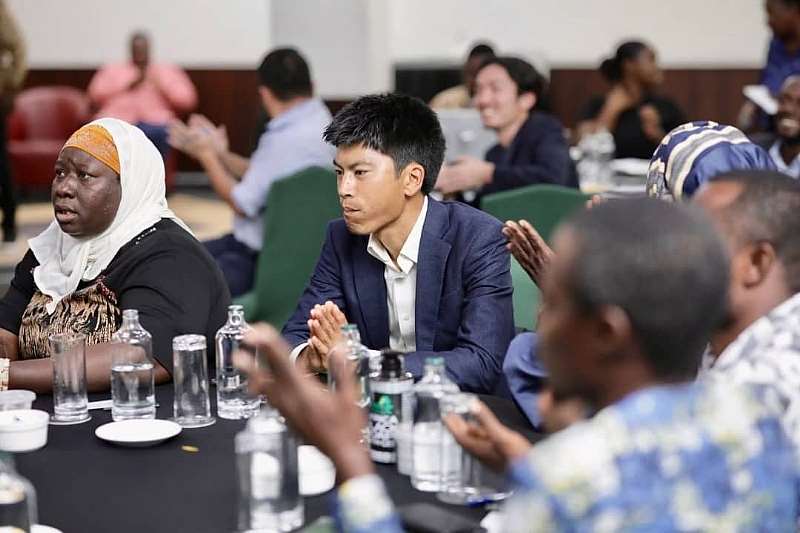
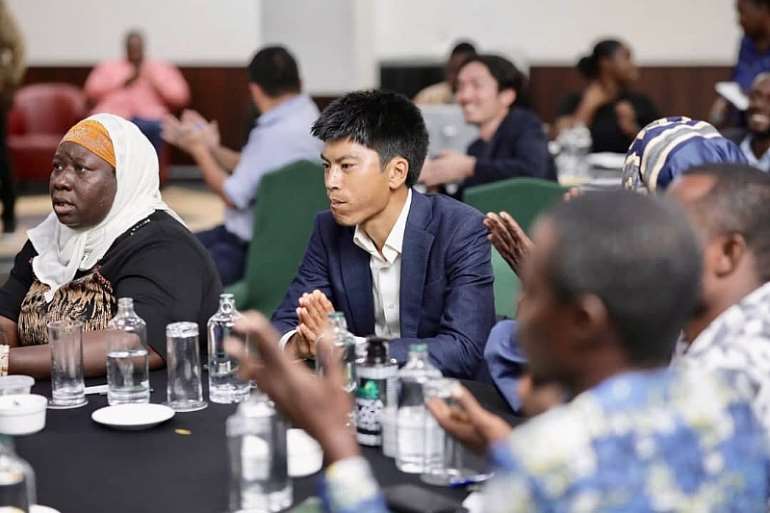
The three-day workshop, themed “Unlocking Trade and Investment Opportunities in the Context of the AfCFTA,” brought together Ghanaian micro, small and medium-sized enterprises (MSMEs), business associations, public institutions and Japanese companies.
Mr. Niloy Banerjee, UNDP Resident Representative in Ghana, stressed that capacity building remains a critical pillar in ensuring MSMEs benefit meaningfully from AfCFTA.
He warned that trade agreements alone cannot drive economic transformation unless businesses are empowered with the necessary knowledge, tools and market access.
“We are not leveraging AfCFTA fully yet,” he said, urging strengthened partnerships and sustained support for SMEs. “Agreements are agreements if we don’t empower SMEs to move, it will just remain on the shelves.”
The workshop featured structured training sessions to enhance export readiness, alongside business-to-business engagements between Ghanaian SMEs and Japanese enterprises to promote trade partnerships, technology transfer and stronger value chains.
Participants also engaged in dialogue sessions addressing practical challenges such as customs procedures, financial constraints and regulatory bottlenecks. Special attention was given to the unique barriers facing women- and youth-led enterprises.
Mr. Benjamin Kwaku Asiam, Acting Coordinator of Ghana’s AfCFTA National Coordination Office, highlighted the importance of domesticating the continental trade agreement into national legal frameworks.
He disclosed that about 25 African countries have so far mainstreamed and gazetted AfCFTA into domestic law, while several others are yet to complete the process. Full domestication, he explained, would significantly strengthen participation and enhance the effectiveness of the agreement across the continent.