
Published on
February 8, 2026

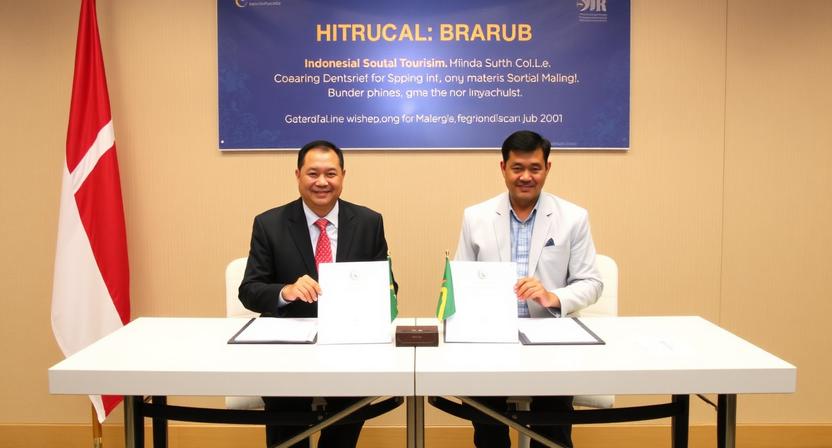
On 5th February 2026, Indonesia and South Africa concluded a Memorandum of Understanding (MoU) on tourism issues in Jakarta, which can be regarded as a major milestone that creates a crucial step towards the strengthening of the relationship between the two nations and the growth of the tourism sector. This MoU is the brainchild of the Tourism Minister of Indonesia, Widiyanti Putri Wardhana, and the Tourism Minister of South Africa, Patricia De Lille, who seek to promote cooperation between the two countries in the following sectors:
Strategic Areas of Cooperation for Sustainable and Inclusive Tourism Growth
The MoU highlights cooperation in the following key areas:
- Sustainable Tourism: Fostering tourism that minimizes environmental impact, promotes eco-friendly practices, and supports cultural preservation.
- Human Resource Development: Enhancing the skills and capabilities of tourism professionals through training, workshops, and knowledge-sharing programs.
- Marketing and Promotion: Joint efforts to promote both countries as tourism destinations, leveraging shared resources to attract international visitors.
- Tourism Investment: Encouraging investments in the tourism sector to improve infrastructure, create jobs, and enhance service offerings.
- Safety and Service Standards: Ensuring global safety standards and high-quality service, which are essential for maintaining trust and satisfaction among tourists.
- Research and Development: Conducting collaborative research to identify tourism trends and implement innovations.
- Other Sector Initiatives: Supporting joint ventures and projects aimed at strengthening the broader tourism industry.
Future Tourism Cooperation: Expanding Connectivity and Increasing Visitor Flows
A key priority for both nations under the MoU is to enhance connectivity between Indonesia and South Africa. The ministers emphasized the importance of visa facilitation, joint promotions, and direct flights to increase the flow of tourists in both directions. Minister Patricia De Lille specifically called for more direct flights between the two countries, which would simplify travel and create more opportunities for both leisure and business travelers.
In 2025, 36,548 South African visitors traveled to Indonesia, while approximately 3,000 Indonesians visited South Africa. This disparity highlights the significant growth potential for tourism between the two nations. By improving accessibility, both countries expect to see increased tourism and business exchanges, contributing to the overall growth of their tourism industries.
Advertisement
Advertisement
Strengthening Sustainable Tourism for Long-Term Growth
The MoU places a strong emphasis on sustainable tourism, aiming to balance growth with environmental preservation. By focusing on responsible tourism practices, both Indonesia and South Africa aim to ensure that tourism development does not come at the expense of local communities or natural ecosystems. This sustainable approach is expected to make both countries leaders in eco-tourism in their respective regions.
Future tourism growth between Indonesia and South Africa will likely be driven by sustainable initiatives that benefit local populations, create long-term employment opportunities, and support cultural tourism. As responsible tourism becomes increasingly popular among international travelers, both countries stand to gain from their commitment to sustainability.
Advertisement
Advertisement
Enhancing Economic and Cultural Exchange
The MoU’s focus on joint tourism promotions and cultural exchanges will help both countries attract international visitors who are eager to experience the unique cultural and natural offerings of each nation. By promoting their distinctive cultural heritage, iconic natural landmarks, and innovative tourism experiences, Indonesia and South Africa can capture a larger share of the global tourism market.
The partnership also holds the potential to diversify tourism offerings, creating new opportunities for both adventure tourism and cultural tourism. The increased flow of visitors will not only boost the tourism sectors but also lead to growth in industries such as hospitality, transportation, and local retail, creating a more dynamic and interconnected tourism economy.
Advertisement
Advertisement
Strengthening Future Tourism Cooperation in Africa and Asia
The Indonesia-South Africa tourism MoU serves as a foundation for future collaboration between Asia and Africa, two rapidly growing tourism markets. By combining their strengths and leveraging their unique cultural assets, both countries can develop a more resilient and adaptable tourism sector that can withstand global challenges, such as economic downturns or environmental crises.
Future tourism cooperation between the two nations could expand to include joint tourism festivals, cross-border events, and tourism innovations, which will not only strengthen their bilateral relationship but also enhance their global tourism visibility. As more tourists seek authentic and immersive travel experiences, both Indonesia and South Africa are poised to emerge as leading destinations for sustainable and culturally enriching tourism.
A New Era for Tourism Relations and Growth
The signing of the MoU on tourism between Indonesia and South Africa is a significant stride toward strengthening the relationship between the two countries and sets the stage for long-term tourism cooperation. Focusing their efforts on sustainable growth, inclusive development, and mutual prosperity, both countries are well-placed to take leading roles within the global tourism market.
This MoU will create a dynamic and resilient tourism ecosystem that benefits economies and brings gains to the local communities of both countries through targeted direct connectivity, cultural exchanges, and sustainable tourism practices. This cooperation will also open up opportunities to even more innovative tourism offerings at the cutting edge and lay a foundation for future tourism growth, thus contributing to the common vision of a sustainable and inclusive tourism sector that ensures benefits for all stakeholders.


