

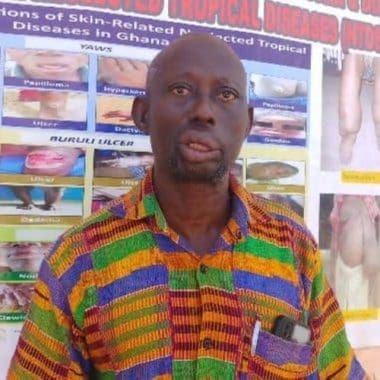
Leaders and victims of Neglected Tropical Diseases (NTDs) have appealed to President John Dramani Mahama to extend National Health Insurance Scheme (NHIS) coverage to include these conditions and to provide safe drinking water in affected communities. The call was made during a trainer-of-trainers workshop in Cape Coast.
Jackson Kofi Nyarko, a leprosy survivor, WHO board member, and president of the Association of Neglected Tropical Diseases in West Africa, stressed that diseases such as Buruli ulcer, elephantiasis, leprosy, yaws, trachoma, and river blindness are curable if detected early. He warned that delays in seeking treatment often lead to deformities and urged citizens to seek medical care rather than rely on unqualified herbalists.
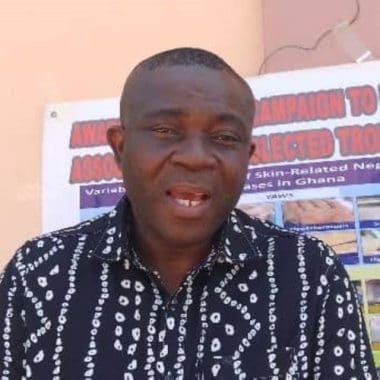
Humphrey Koufie, Executive Secretary of the Mental Health Society of Ghana, lamented the devastating impact of NTDs on families and productivity. He emphasized that stigma and lack of financial support force many victims to resort to ineffective herbal remedies. Koufie urged the government and the Ghana Health Service to prioritize NTDs under NHIS, citing constitutional and disability rights provisions that mandate protection for vulnerable citizens.
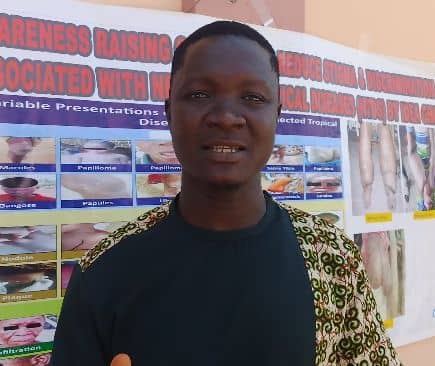
Francis Yaw Mensah of the Ankaful Leprosy General Hospital noted that workshop participants would return to their communities to educate residents on early detection. He condemned the widespread stigma against NTD patients, stressing that once treated, these diseases are not transferable.
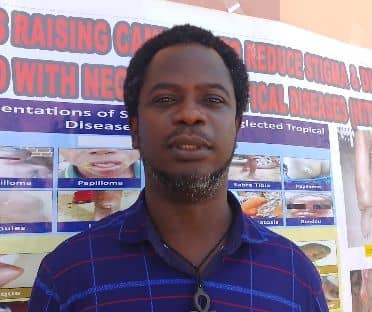
Patrick Ato Davies of Gate Foundation Ghana revealed that Ghana records 14 of the world’s 24 NTDs, underscoring the urgent need for government action. He highlighted the lack of clean drinking water in districts such as Twifo-Hemang Lower Denkyira and Atti Morkwa, where residents often compete with livestock for water, worsening disease prevalence.
Public Health Nurse Agyemang Abora added that empowering victims through training programs has been vital, but stronger government support is needed to integrate NTDs into NHIS and Ghana Health Service programs.
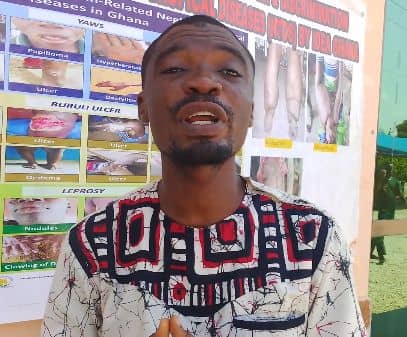
Victims at the workshop shared painful experiences, including amputations caused by delayed hospital visits. They called for legal action against herbal practitioners whose practices have worsened their conditions.

