The Ghana Private Road Transport Union (GPRTU) says it will only call off its planned sit-down strike if government resumes repair works on the severely deteriorated Pokuase–Nsawam road.
Speaking on the Channel One Newsroom on Saturday, August 16, the National Deputy Public Relations Officer of the union, Samuel Amoah, reiterated that the union is not backing down until contractors return to site.
“The only thing that will make us change our mind is to see the contractors going back to the road. That is the only thing because when we approached Honourable Agbodza he gave us his word that he is giving us only six weeks. That monies have been released. The question is what is the change,” he said.
Mr. Amoah explained that the union had already issued a one-week ultimatum to the government, which ends on Wednesday, August 20.
“If you check our release we said that we will park the vehicles till we see the government sending the contractors on the roads… We gave the government one week that will elapse on Wednesday so after Wednesday then we kick it off… It is not a demonstration, it is a sit down strike,” he added.
The GPRTU, together with the Ghana Road Transport Coordinating Council (GRTCC) and other stakeholders, earlier described the current condition of the road as “deplorable and dangerous.” The poor state of the stretch, they said, has led to rising vehicle maintenance costs, frequent breakdowns, and safety risks for passengers and drivers.
The Pokuase–Nsawam stretch is a major highway linking Greater Accra to the Eastern, Ashanti, and northern regions of Ghana. Transport operators argue that the road’s continued neglect is disrupting economic activity and placing undue burdens on commuters.
Despite assurances from the Roads and Highways Minister that the road would be fixed within six weeks, transport unions say no visible progress has been made — hence the planned strike.
The unions are calling on residents, commuters, and all road users affected by the poor road conditions to support their action as part of a broader civic push to hold the government accountable.
Read also
Commercial drivers to protest over deplorable Pokuase–Nsawam road
The African Center for Economic Transformation (ACET) is stepping into 2025 with a sharp focus on reshaping global finance for Africa, pressing for reforms on debt, concessional finance, and governance at major international platforms.
With South Africa holding the G20 Presidency this year, ACET sees an opening for Africa to set the agenda rather than merely respond to it. The think tank is working with finance ministers to push for the redirection of Special Drawing Rights to countries that need them most, and for a reworking of the Common Framework for debt, which many leaders argue has delivered too little, too late.
Another test comes with the 17th replenishment of the African Development Fund. ACET is backing governments in pressing for a strong package that secures resources for critical priorities such as jobs, health, education, and climate resilience. Its recent research on the “human costs” of current financing systems showed how high borrowing costs and scarce concessional funds directly limit school enrolment, strain health systems, and slow down sanitation improvements.
Beyond immediate battles, ACET is calling for longer-term reforms, from IMF quota adjustments to World Bank voting rights, so Africa’s demographic and economic weight is reflected in global decision-making. The organisation is also advising governments on how to engage credit rating agencies, arguing that transformation potential should be valued alongside fiscal metrics.
For ACET, the year is a pivotal one. With the G20 presidency, ADF-17 negotiations, and global reform debates converging, the message is clear: Africa is no longer content to wait for change. It intends to demand it.
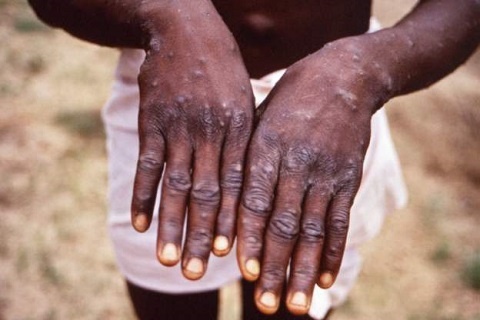
The Ghana Health Service (GHS) has confirmed 37 additional cases of Mpox, increasing the country’s total to 409 as of August 14, 2025.
Two patients are currently on admission, while the death toll remains at one
Mpox is a viral disease transmitted through close contact with infected individuals, animals, or contaminated materials. Common symptoms include fever, rash, swollen lymph nodes, muscle aches, back pain, headaches, and fatigue.
In response, health authorities are urging the public to observe strict preventive measures. These include frequent handwashing, avoiding physical contact with symptomatic individuals, especially those with unexplained rashes, and reporting suspected cases to the nearest health facility without delay.
The GHS has heightened surveillance and public education efforts nationwide to contain the spread of the virus.
Big Brother Naija star, Uriel Oputa, has taken to social media to address social commentator, Solomon Buchi, regarding his comments about media personality, Toke Makinwa’s pregnancy.
In a video shared on his social media pages, Buchi expressed his happiness for Toke but suggested that she should stop spiritualizing the situation. He stated that Toke did not adhere to God’s tenets, which emphasise that a woman should be married before becoming pregnant.
While he acknowledged Toke’s decision to have a baby, he criticised the idea of having a child out of wedlock, suggesting that it is not something a “Jesus girl” should celebrate.
In response, Uriel shared a post on Instagram, asserting that Buchi has no right to comment on Toke’s pregnancy, as he is unaware of the challenges she may have faced that led to her decision to have the child. She further questioned why a man would have such a strong opinion on issues that specifically pertain to women and their struggles.
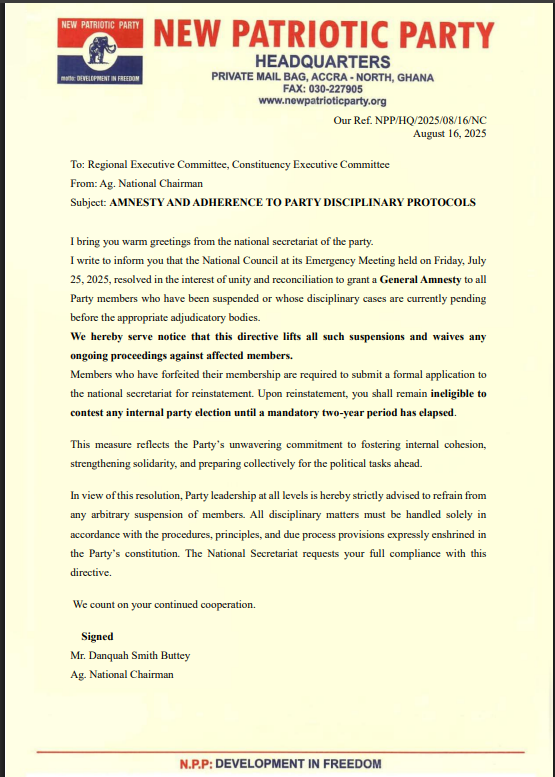
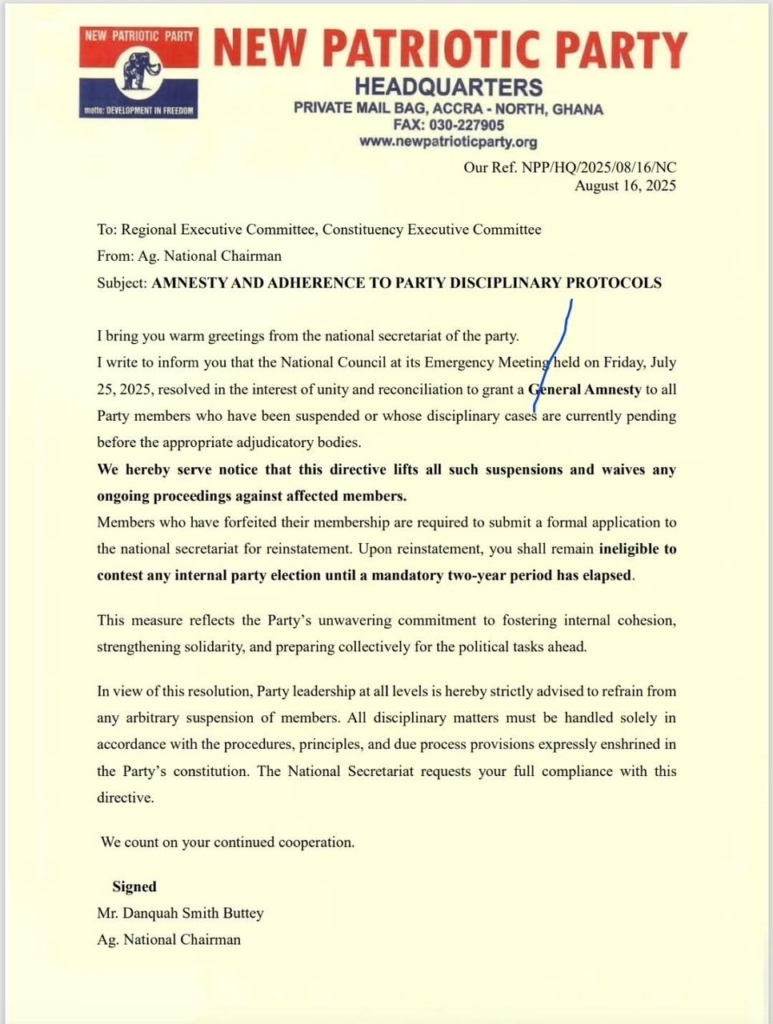
The New Patriotic Party (NPP) has granted a general amnesty to all members who have been suspended or have pending disciplinary cases.
In a statement dated August 16, 2025, and signed by the Acting National Chairman, Mr. Danquah Smith Buttey, the party said the decision was made during an emergency National Council meeting held on July 25.
The move, according to the party, is aimed at promoting unity and reconciliation.
“We hereby serve notice that this directive lifts all such suspensions and waives any ongoing proceedings against affected members,” he statement said.
However, members who forfeited their membership must reapply for reinstatement at the party’s national secretariat. Once reinstated, such individuals will not be eligible to contest any internal party elections for the next two years.
The party also warned regional and constituency executives to follow due process in all disciplinary matters and avoid arbitrary suspensions.
This decision, the statement noted, reflects the party’s commitment to internal cohesion ahead of future political activities.
Nurjahan Begum Health Advisor Interim Government Of Bangladesh
When Bangladesh’s students took to the streets last year, their demands were clear: dismantle the structures of fascism, restore democracy, and build a government that put the people before politics. Their movement culminated in a historic moment on August 8, when Nobel laureate and Grameen Bank founder Dr. Muhammad Yunus was sworn in as Chief Advisor to the interim government. The appointment followed the dramatic departure of former Prime Minister Sheikh Hasina to India on August 5 under army supervision, a move that signaled the end of her political era. The army chief, General Waqar-uz-Zaman, assured the public that this transition would serve the nation’s best interests.
However, one year later, optimism has given way to disappointment. The interim government, hailed as a product of the people’s movement, now stands accused of the very sins it pledged to eradicate-chief among them nepotism and cronyism. Nowhere is this more visible, or more damaging, than in the health sector, which teeters on the brink of collapse.
The root of the crisis lies in the appointment of Nurjahan Begum as Health Advisor. While she has been a long-time associate of Dr. Yunus, serving at Grameen Bank since its early days in 1976 and later becoming chairman in 2010, she has no academic background, professional training, or policy experience in health or medical administration. Her appointment appears to have been based solely on loyalty and personal history rather than merit or competence.
From the moment she assumed her role, critical decision-making slowed to a crawl. Experts say this lack of leadership has directly stalled progress in strategic planning, infrastructure development, disease prevention, and healthcare management. The situation has reached a breaking point with the unprecedented 18-month delay in approving the Operational Plan (OP) – the backbone of Bangladesh’s health service delivery.
Bangladesh’s health sector operates on rolling five-year strategies under the Health, Population and Nutrition Sector Programs (HPNSP). After the fourth programs ended, preparations for the fifth were underway, involving over a hundred Project Evaluation Committee (PEC) meetings. Yet, despite the groundwork, 38 operational plans remain unapproved-23 for the Health Services Department and 15 for the Health Education and Family Welfare Department.
This failure has brought crucial national health targets to a standstill. Efforts to expand healthcare access, lower maternal and child mortality rates, strengthen family planning services, and improve public health awareness have all stalled. The consequences are immediate and severe: over 25,000 health workers face the loss of their jobs, and many essential services have been either scaled back or shut down altogether.
The ripple effects are being felt across the country’s primary healthcare system. Payments have been halted for 3,855 paid peer volunteers, 1,086 Ansar members, and 350 OP employees under the Department of Family Planning for the past 18 months. The disruption has paralyzed key functions – from maternal and child care to vaccination drives, disease surveillance, and hospital management.
At the community level, shortages of birth control kits and essential medicines have left thousands without access to basic services. In a move that baffled health experts, the Ministry of Health and Family Welfare recently scrapped the existing operational plan in favor of a new two-year project. Officials warn that such a project is unworkable in the short term and will only deepen the crisis. Public health professionals have already sounded the alarm that this policy misstep could derail Bangladesh’s commitments to the Sustainable Development Goals (SDGs).
The issue is no longer confined to professional circles. In July, Hasnat Abdullah, the southern organizer of the pro-government National Citizen Party (NCP), openly called for Nurjahan Begum’s resignation, questioning her qualifications and capacity to manage the nation’s health system. Despite these public appeals, the interim government has taken no corrective action, further fueling suspicions that personal loyalty is valued above competence.
The Health Advisor’s perceived indifference became a national talking point following one of the country’s most heartbreaking tragedies. On July 21, a Bangladesh Air Force F-7 training jet crashed into Milestone School and College in Diyabari, Uttara, claiming the lives of students and injuring many others. While the nation grieved, Nurjahan Begum was reportedly focused on her own health issues and did not visit the scene. For many, this absence symbolized the government’s detachment from the realities facing ordinary citizens.
If the current trajectory continues, the damage to the health sector could be irreversible. Primary healthcare delivery, disease control programs, hospital administration, medical education, vaccination efforts, family planning initiatives, and public health campaigns are all at risk of grinding to a halt. Infrastructure projects could be abandoned mid-construction, and trained medical personnel may leave the sector entirely due to non-payment and lack of institutional support.
The public health crisis could spill over into economic and social instability. Poor health outcomes reduce workforce productivity, increase healthcare costs, and strain families already battling inflation and unemployment. Moreover, prolonged disruption risks undoing decades of progress in maternal and child health, immunization coverage, and communicable disease control.
Bangladesh stands at a crossroads. The interim government was meant to serve as a bridge toward stability, reform, and good governance. Instead, it has allowed nepotism to undermine its credibility and paralyze essential public services. Replacing unqualified political appointees with competent, experienced professionals in the health sector is no longer a matter of political preference – it is a national necessity.
Failure to act will not only erode public trust but also jeopardize the health of future generations. The people who once rallied to dismantle authoritarianism did not risk their lives and livelihoods to watch their healthcare system collapse under the weight of favoritism. For the sake of Bangladesh’s health, economy, and social stability, urgent reforms are needed – and they must begin with ending the culture of nepotism that has brought the nation’s health sector to the brink.
Author’s bio: Tajul Islam, a senior journalist and Special Correspondent of Weekly Blitz writes on a broad-range of issues in local and international media. Follow him on X @tajulraj1
Ghana pays $1million to keep students at University of Memphis
Featured
GraphicOnline
International News
2 minutes read
The University of Memphis has confirmed that a $1 million payment from the Ghanaian government will allow nearly 200 Ghanaian students to remain on campus, temporarily averting threats of eviction and possible deportation.
However, the institution warns that the payment only partially covers the $3.6 million debt owed under the Ghana Scholarship Secretariat (GSS) programme, leaving an outstanding balance of $2.2 million.
At a press conference in Accra on Wednesday, July 30, 2025, GSS Registrar Alex Kwaku Asafo-Agyei assured that Ghanaian students “will not be deported,” acknowledging that $400,000 had already been paid.
“We are now processing a $1 million payment,” he said, explaining that delays were due to an ongoing audit. The funds are being routed through Ghana’s Controller and Accountant General’s Department and the Bank of Ghana for final transfer to Washington.
The University of Memphis had earlier warned that students risked losing scholarships, campus housing, and legal residency if outstanding fees were not settled by August 9, 2025. University President Dr. Bill Hardgrave linked payment delays to Ghana’s recent political transition after the December 2024 elections, stating: “I think there was a regime change in Ghana, and that affected the budget, but we’re hopeful that gets corrected because we’d love to keep those students on campus.”
Most of the affected students are studying science, engineering, and business programmes. While awaiting full payment, the university has urged donations through its Gary Shorb International Student Support Fund to provide emergency assistance.
Shakul Samed stands as Ghana’s sole representative, and Africa’s last contender, at the WBC Grand Prix in Riyadh.
The middleweight Olympian secured a crucial semi-final spot last week, though not through a fight in the ring. Instead, Samed received his qualification medal directly and even presented one to an opponent in his weight class.
Returning to Accra, the boxer known as ‘Sharp Shooter’ radiated satisfaction at Bukom Boxing Arena. “Representing at this WBC event is a massive step,” Samed told The High Street Journal in an exclusive chat. His path remains active as the official alternate fighter. Should any qualified semi-finalist withdraw due to injury or failure to report, Samed steps into the fray.
The exposure alone marks a significant win. Samed highlighted meeting key WBC figures and securing a $100,000 insurance package through the Grand Prix. “The chance to fight for a WBC Championship is real if I perform,” he noted. The Tokyo 2020 Olympian credited his team: Dr. Addae Opoku Amoako of Ace Power Promotions, manager Edwin Theo Addo (CEO of Akotoku Academy), and his coaches. “Their support made this dream possible,” Samed stated.
He also reflected on resilience, recalling an early tournament bout where a disputed verdict was overturned in his favor. “That robbery turned lesson pushed me harder,” Samed shared.
Meanwhile, his older brother, former star Bastie Samir – once dubbed the ‘Beast’ of Ghana boxing and a past Floyd Mayweather sparring partner – hinted at a comeback. Speaking to The High Street Journal, Samir confirmed he remains in training. “I haven’t hung my gloves,” he declared. “I will return big and massively at the right time.”
Mr. Joseph Akurugu Adongo, the father of the 2025 Literacy Challenge champion, Adongo Naftali Atinga, has expressed deep joy and gratitude following his son’s victory at the grand finale in Accra.
Speaking after the event, held at Alisa Hotel on Saturday, August 16, 2025, Mr. Akurugu Adongo described the journey as challenging but fulfilling, crediting God, his son’s school, and the hard work of his twin boys for the remarkable achievement.
“I am very satisfied, and I feel honoured. I want to give thanks to God, because this was not an easy journey. Since the day my boy started with the essay, together with his twin brother, they have been writing the essay and conducting their research. I feel very happy. I also want to thank their school for the knowledge they have imparted to him so that he is able to come and contest,” he said.
Mr. Adongo encouraged parents to provide more opportunities for their children to participate in competitions such as the Literacy Challenge, which he believes help shape future leaders.
“Parents should know that our children are the future leaders when we are not around. So, I want to encourage all parents to give a chance to their children to contest in competitions such as this.
“The Literacy Challenge platform gives students confidence when they face the world one day. It also exposes them to the challenges that they face in the environment. So, parents and schools should encourage their children to participate in the next edition in 2026,” he advised.
He further revealed that his sons have aspirations of enrolling at PRESEC–Legon, and the experience in Accra had brought them closer to that dream.
“My boys have always been saying they want to come to Legon PRESEC, and I am sure this will bring them closer to that dream. Because they came all the way from Tamale, and they came to Accra to interact with the known schools we have been hearing about. It is an exposure to them,” he noted.
Looking ahead, Mr. Adongo pledged to work closely with teachers at Abe Halperin School Ltd to ensure that the Northern Region retains the trophy in future editions of the competition.
“Now that we have won, we will make sure that we work with the teacher in the school to ensure that we retain the cup in the Northern Region,” he affirmed.
Adongo Naftali Atinga walked away with GH¢10, 000, the first runner-up, for the competition, Ama Asantewa Atta-Duncan of Bishop Bowers School, was awarded GH¢3,000 and a package of sponsor gifts.
Edudzi Kofi Yeboah of Covenant Presby School placed third, earning GH¢2,000 along with additional prizes.
The annual competition is organised by Citi FM in partnership with Channel One TV, with sponsorship from BEL MOOO and GB Assessment.
A $10 million deal to supply processed onions to Senegal slipped through West African hands last year, landing with European exporters instead.
Why? Local growers couldn’t secure financing for basic processing equipment despite abundant raw harvests.
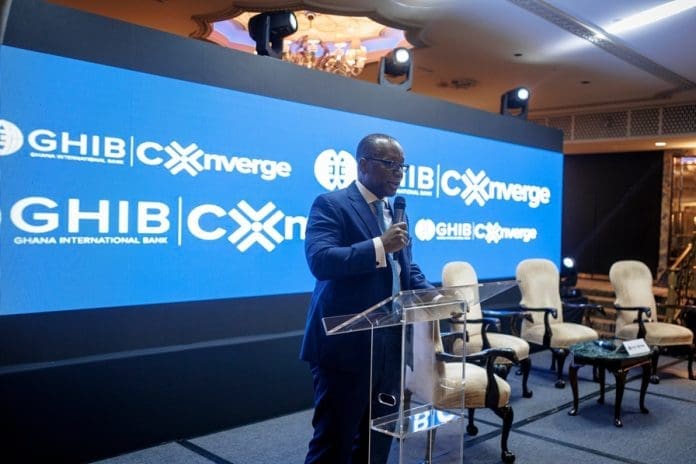
This painful snapshot captures Africa’s $80 billion trade finance gap, a barrier Ghana International Bank CEO Dean Adansi calls “industrialisation’s invisible wall.”
Speaking at London’s GHIB CONVERGE 2025 conference, Adansi revealed how raw material dependence costs Africa billions. While the continent supplies global commodities, its share of value-added exports languishes below 14%. “For every $1 of trade finance unlocked, we see $1.70 in GDP growth,” he told the BBC, stressing that closing the gap could inject $133 billion yearly into sub-Saharan economies.
Ghana-owned GHIB, operating from London for 65 years, has directed $14 billion toward African trade since 2020—including $8.5 billion to West Africa in 2024 alone. Yet Adansi notes traditional banks often reject multi-year processing plant loans, leaving factories starved of capital. His solution: tailored tools like pre-export financing against buyer contracts, inventory loans, and equipment leasing.
Proof exists where finance flows smartly. Ghana now processes 15% of its cocoa locally, while gold refining investments boost returns. Research suggests raising Africa’s value-added export share to 25% could create millions of jobs and $50 billion extra revenue.
“But money alone isn’t magic,” Adansi cautioned. Unreliable power, rickety transport, and skills shortages still choke progress. He champions AfCFTA as a springboard for regional processing hubs, with blockchain and carbon finance tools helping meet sustainability standards.
“Pilot projects in key sectors can show the payoff,” he urged, calling for partnerships between banks, governments, and development lenders. “When Africa processes its own goods, gains echo in wallets—not just spreadsheets.”
Ghana’s central bank is turning up the heat on commercial lenders to boost credit flow to businesses, but firms must tidy their financial records to catch the wave.
With inflation cooling, interest rates dipping, and the cedi holding steady, Bank of Ghana Governor Dr. Johnson Asiama declared the moment ripe for banks to back productive sectors. “This is where growth lives,” he signaled, pushing for loans that spur hiring and expansion.
Yet bankers aren’t rushing to write checks. Despite policy nudges, private credit growth remains sluggish. Why? Lenders still see landmines: nearly one in four loans turns sour here, far worse than Nigeria’s 4.2% or South Africa’s 1%.
Many small firms shoot themselves in the foot—shoddy bookkeeping, unaudited accounts, and weak governance scare off financiers. “Banks won’t gamble on messy balance sheets,” one analyst bluntly put it.
To thin the thicket of bad debt, the central bank just unleashed a new weapon: willful defaulters face up to five years in credit exile. Names will be blasted in newspapers and bank websites twice yearly. The message? Clean up or get locked out.
For ready businesses, though, the gates are creaking open. Firms with tidy records, clear governance, and clean repayment histories will feast first on fresh credit. Others risk watching the recovery pass them by.
Portugal’s government on Friday condemned the expulsion of reporting teams of state news agency Lusa and two African units of broadcaster RTP from Guinea-Bissau in the run-up to a postponed election scheduled to be held in November in the West African country.
The Foreign Ministry said in a statement it had “immediately summoned the ambassador of the Republic of Guinea-Bissau in Lisbon for explanations and clarifications” for a meeting that will take place on Saturday.
“The Portuguese government strongly condemns the decision of the government of the Republic of Guinea-Bissau to order the removal of Lusa, RTP Africa, and RDP Africa from that country and their respective termination of broadcasts,” it said, calling the move “highly reprehensible and unjustifiable”.
No explanations for the move were provided by either Guinea-Bissau, which announced the expulsion in a government decree earlier on Friday, or Portugal. The representatives of the media outlets have until August 19 to leave the country.
Guinea-Bissau’s President Umaro Sissoco Embalo said in March he would run for a second term, backtracking on earlier promises to step down and stoking tensions over postponed elections, with his opponents saying that his term expired in February.
A dispute over when Embalo’s presidential term, which began in 2020, should end has heightened tensions that risk unrest in the former Portuguese colony with a history of military coups.
On August 7, Embalo, a former army general, appointed by decree a new prime minister, Braima Camara – the third premier since Embalo took office in 2020 – replacing Rui Duarte de Barros.
In March, a political mission of the Economic Community of West Africa States (ECOWAS), deployed to help reach a consensus on how to conduct the election, said it had to leave “following threats by Umaro Sissoco Embalo to expel it”.
The presidential and legislative elections are scheduled to be held on November 23.
Government has begun fining MultiChoice GH₵10,000 daily for failing to submit subscription pricing data to the NCA.
The Ministry of Communications, Digital Technology and Innovation has begun imposing a statutory fine of GH₵10,000 per day on MultiChoice Ghana, operators of DStv, for failing to provide detailed pricing information demanded under the Electronic Communications Act.
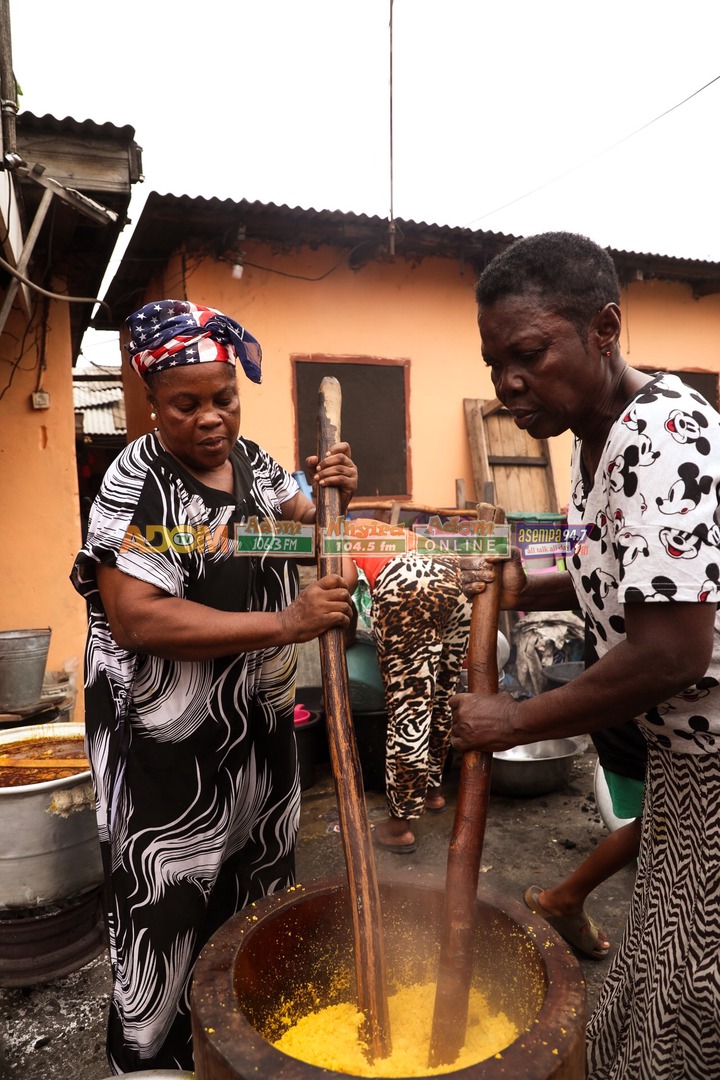
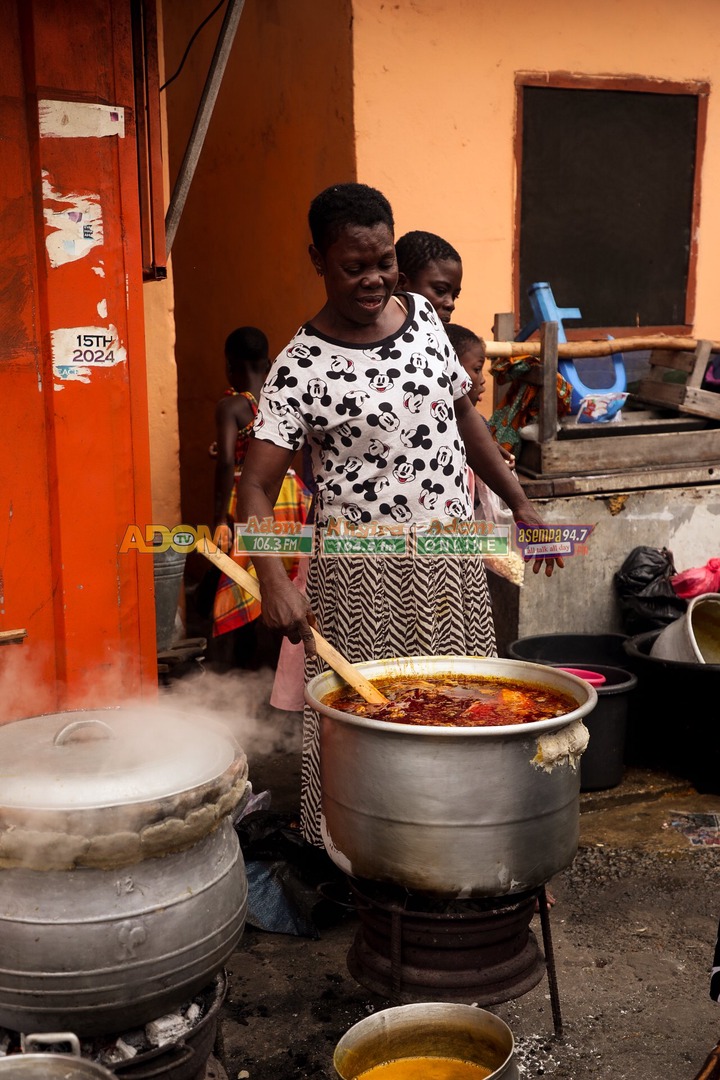
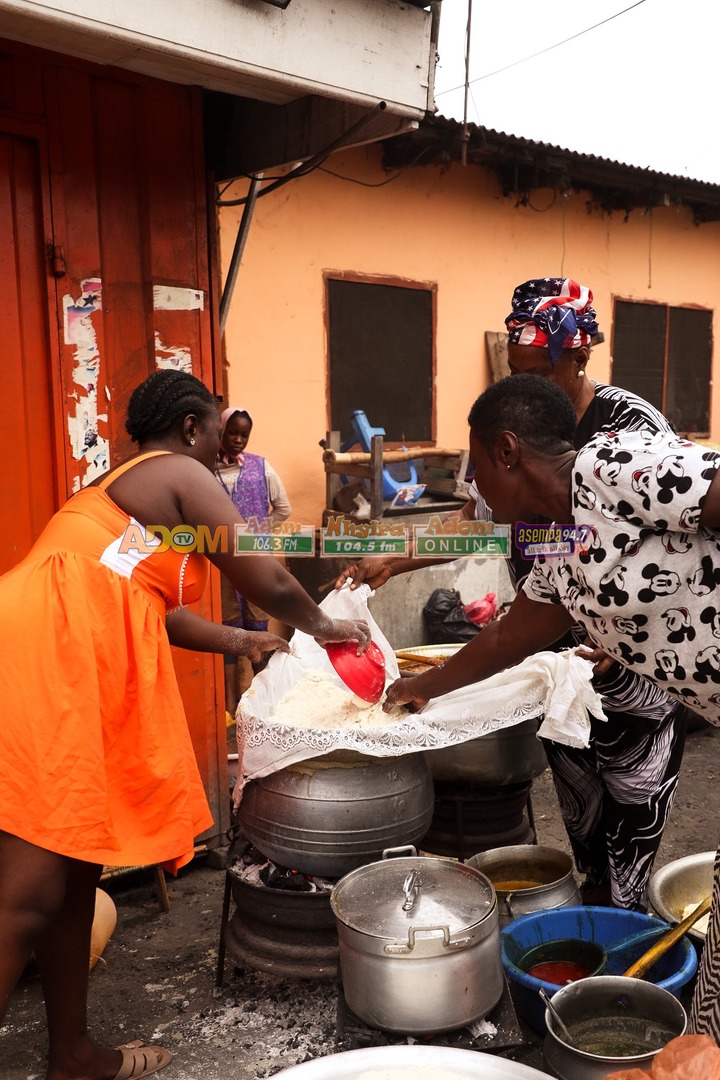
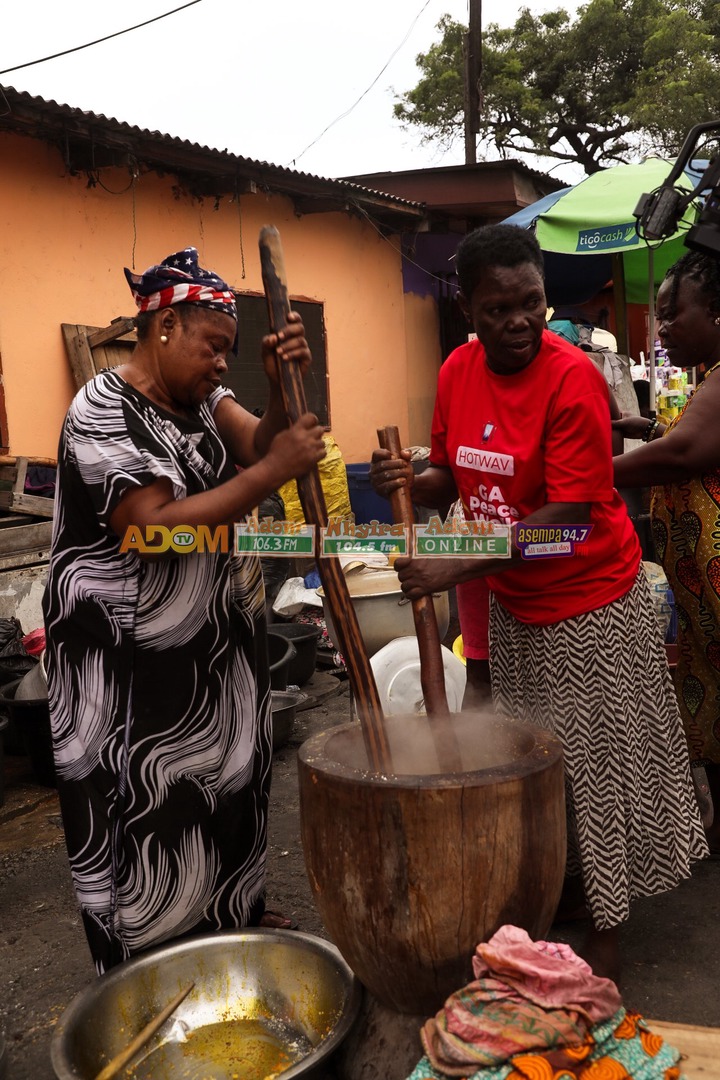
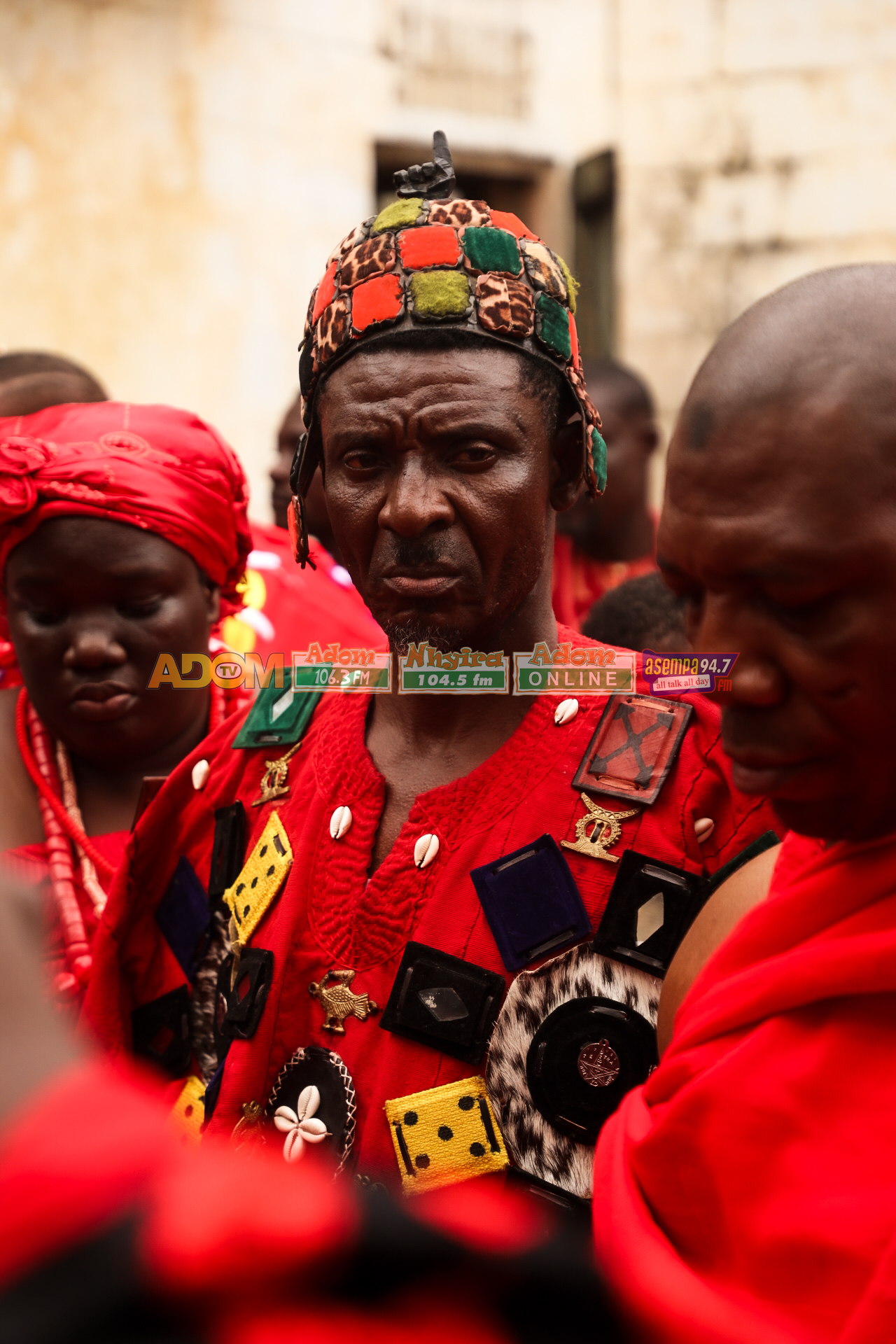
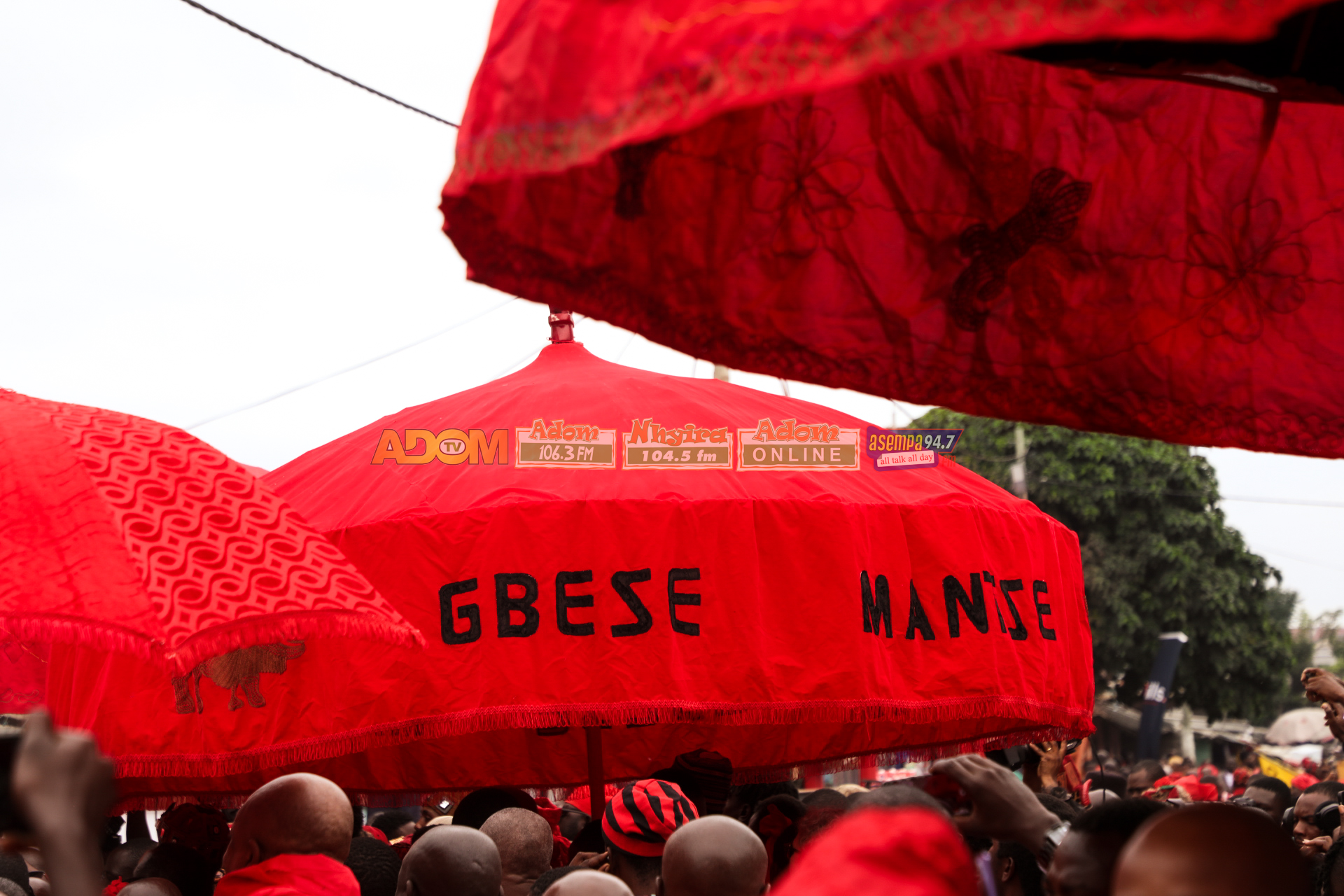
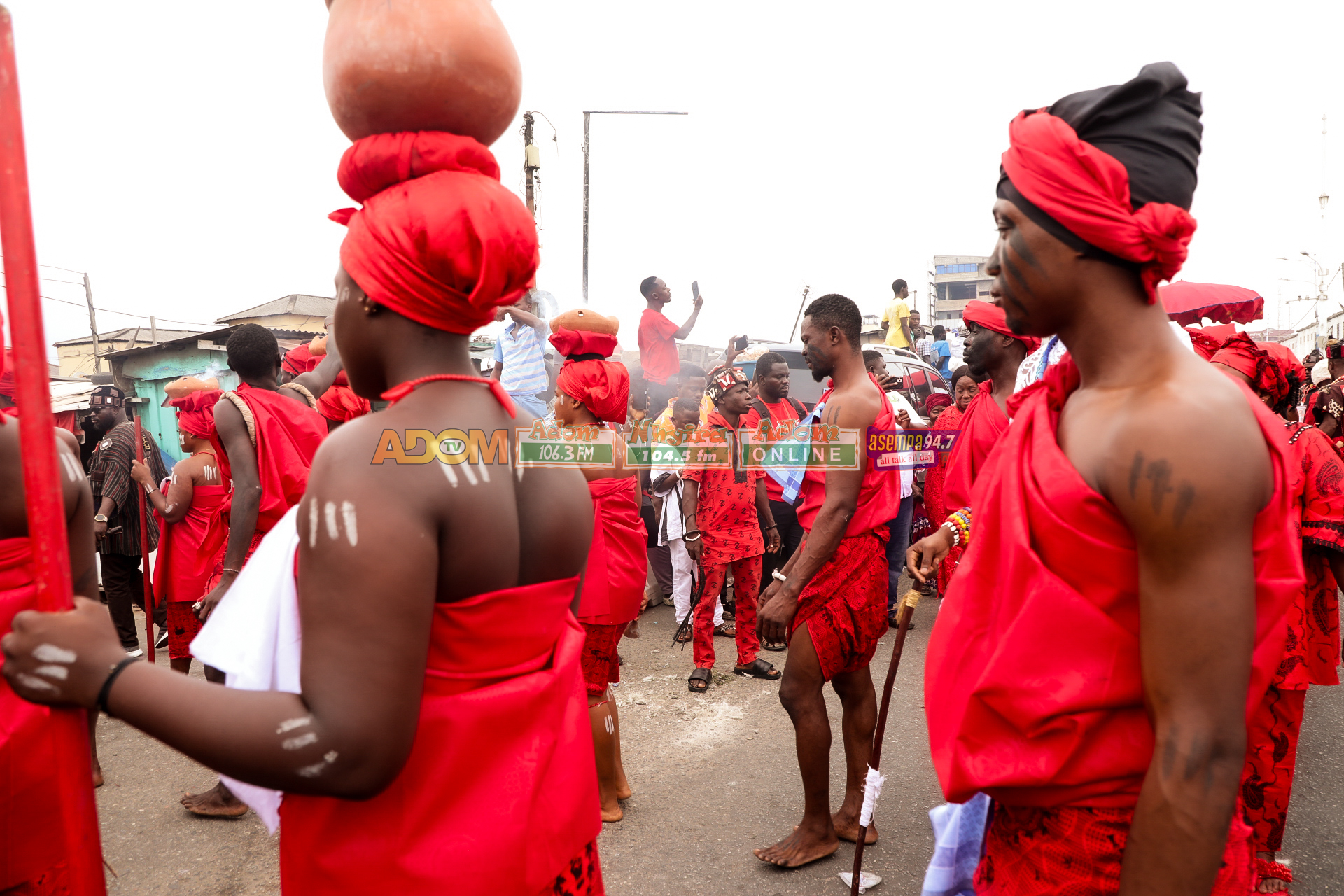
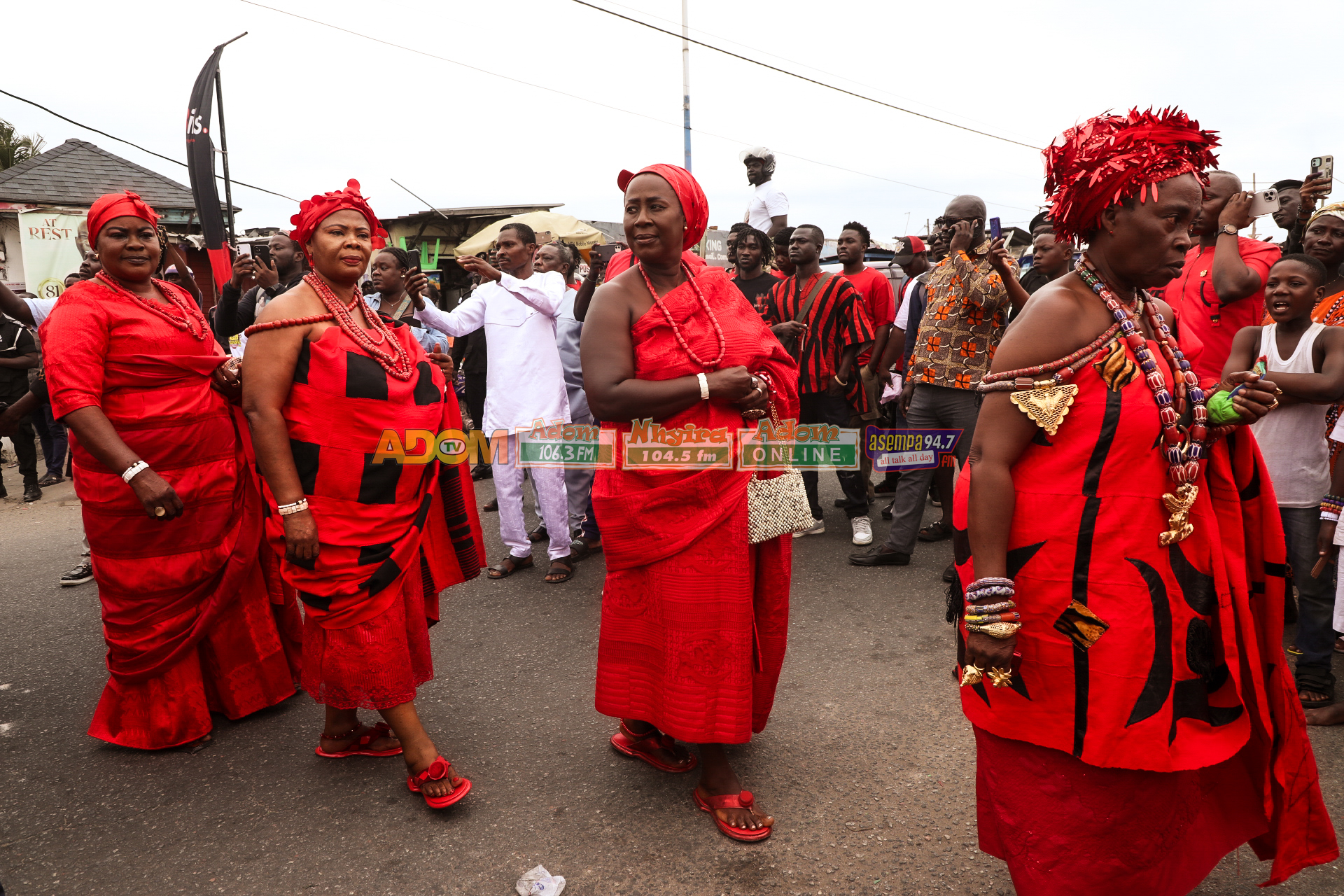
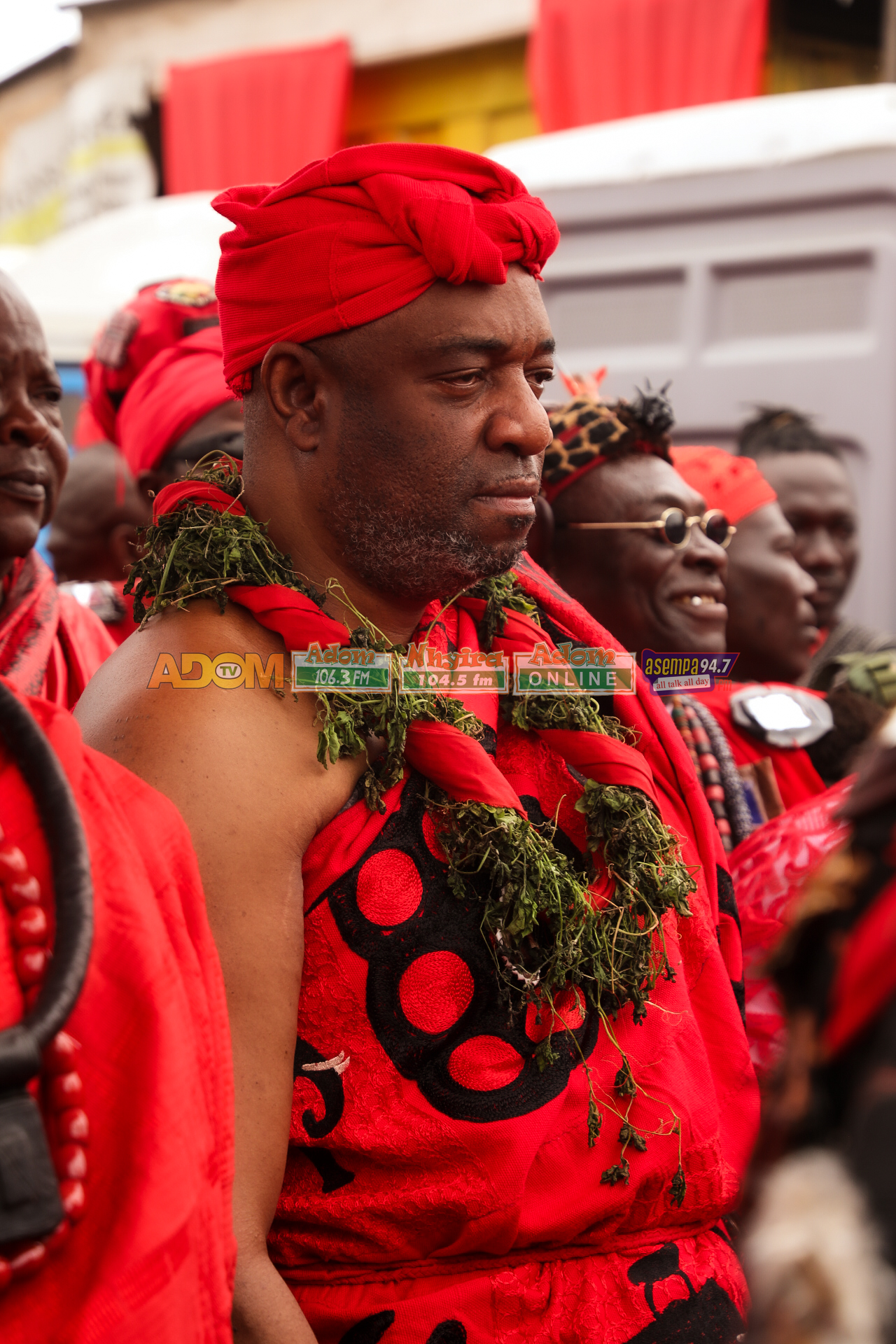
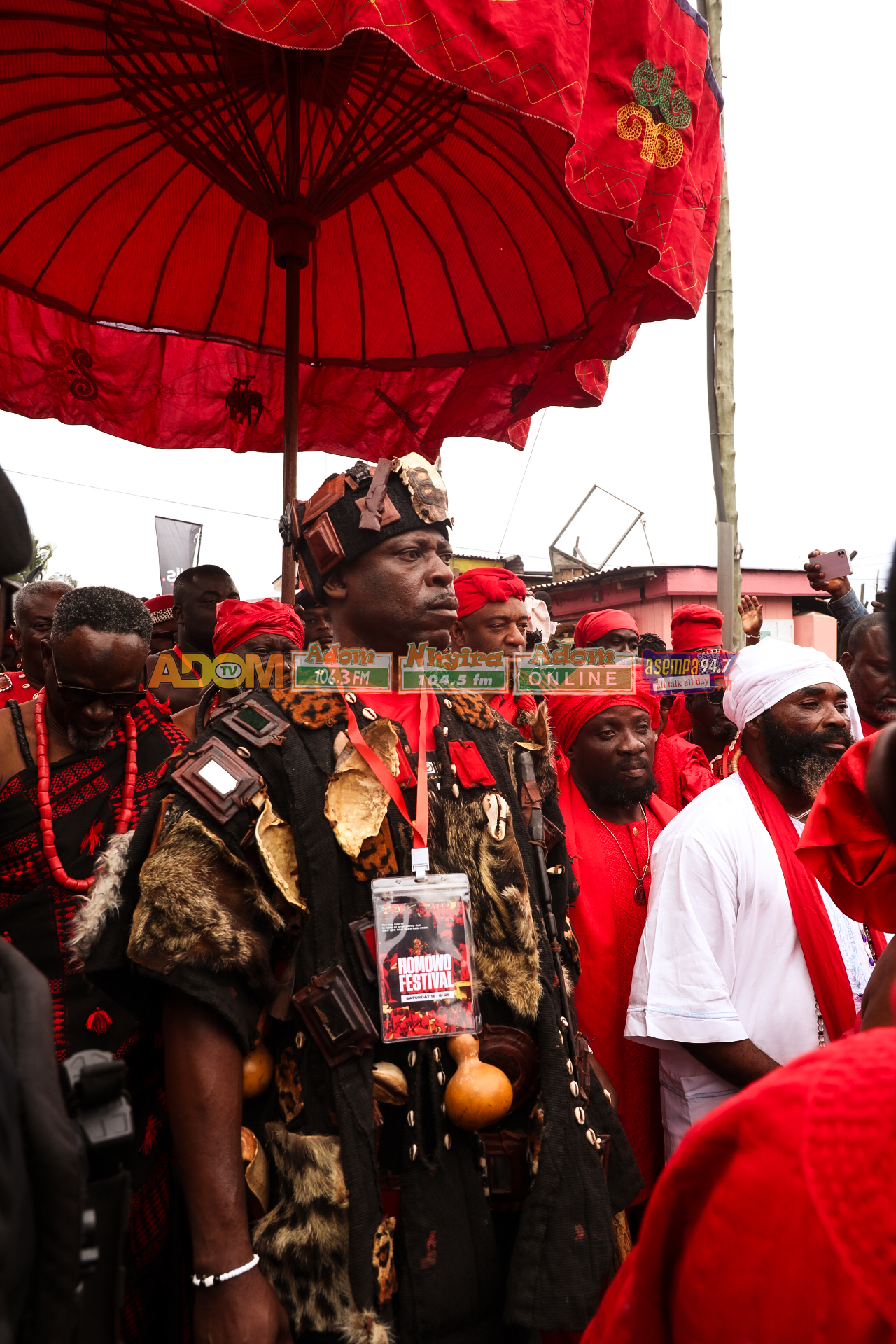
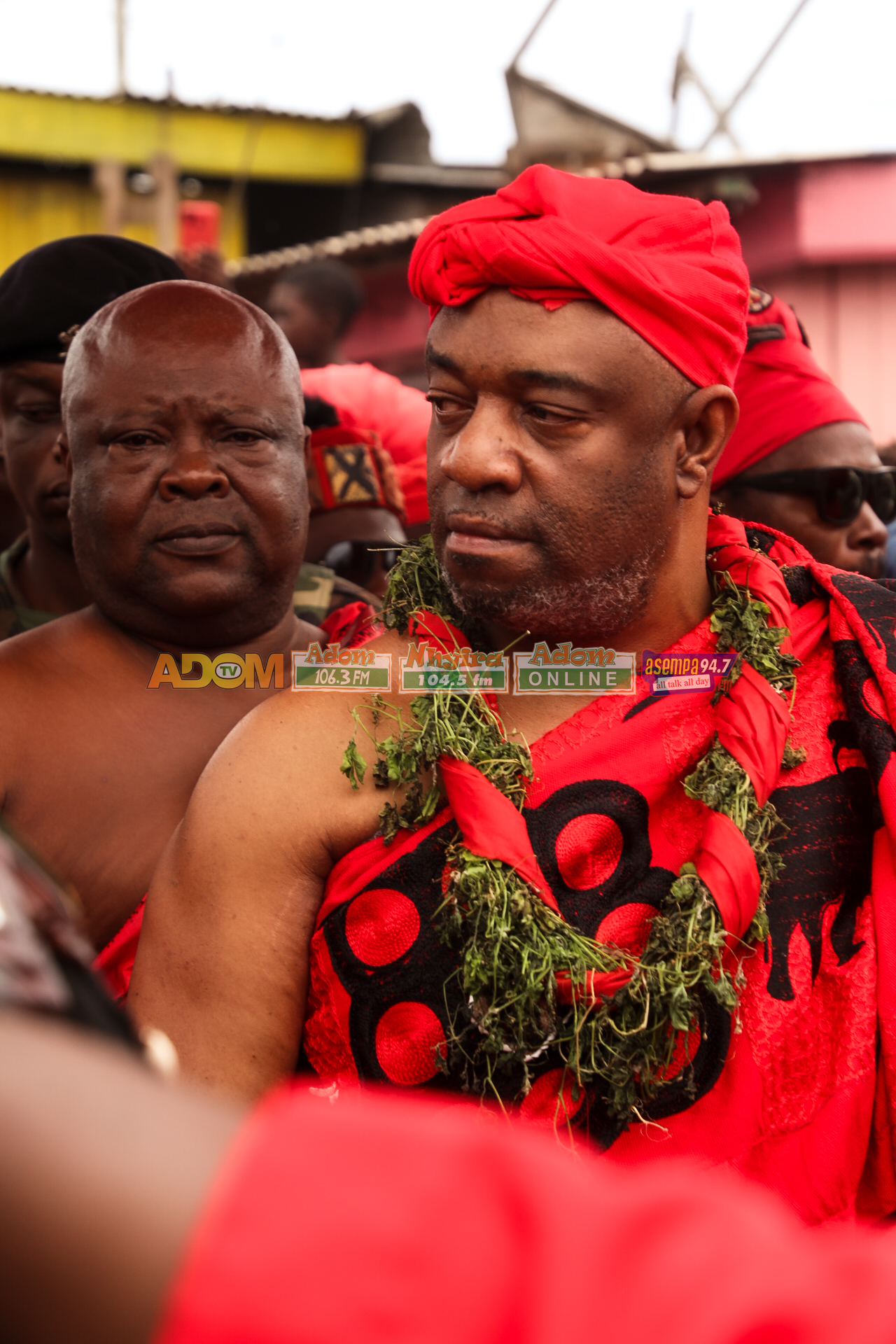
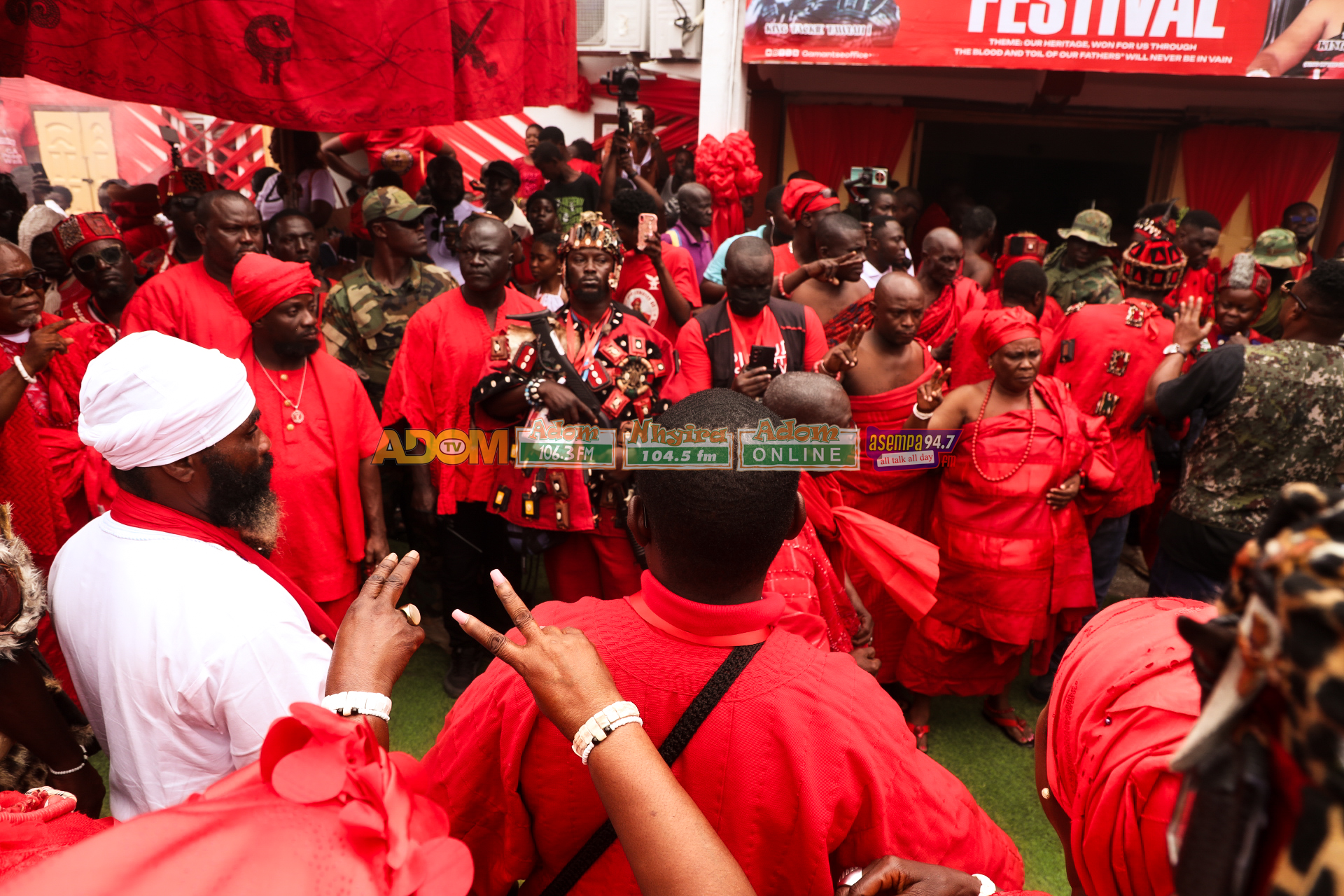
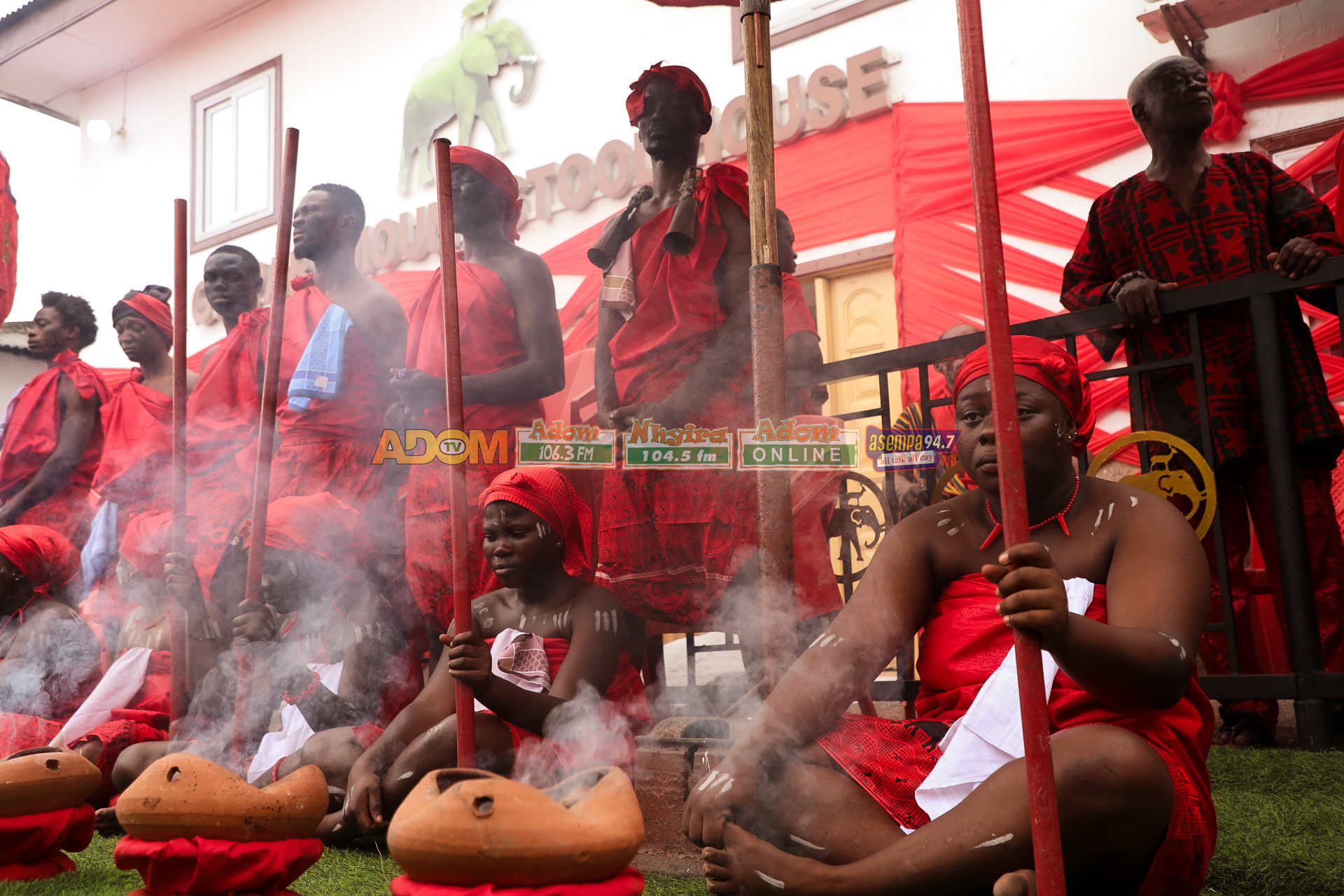
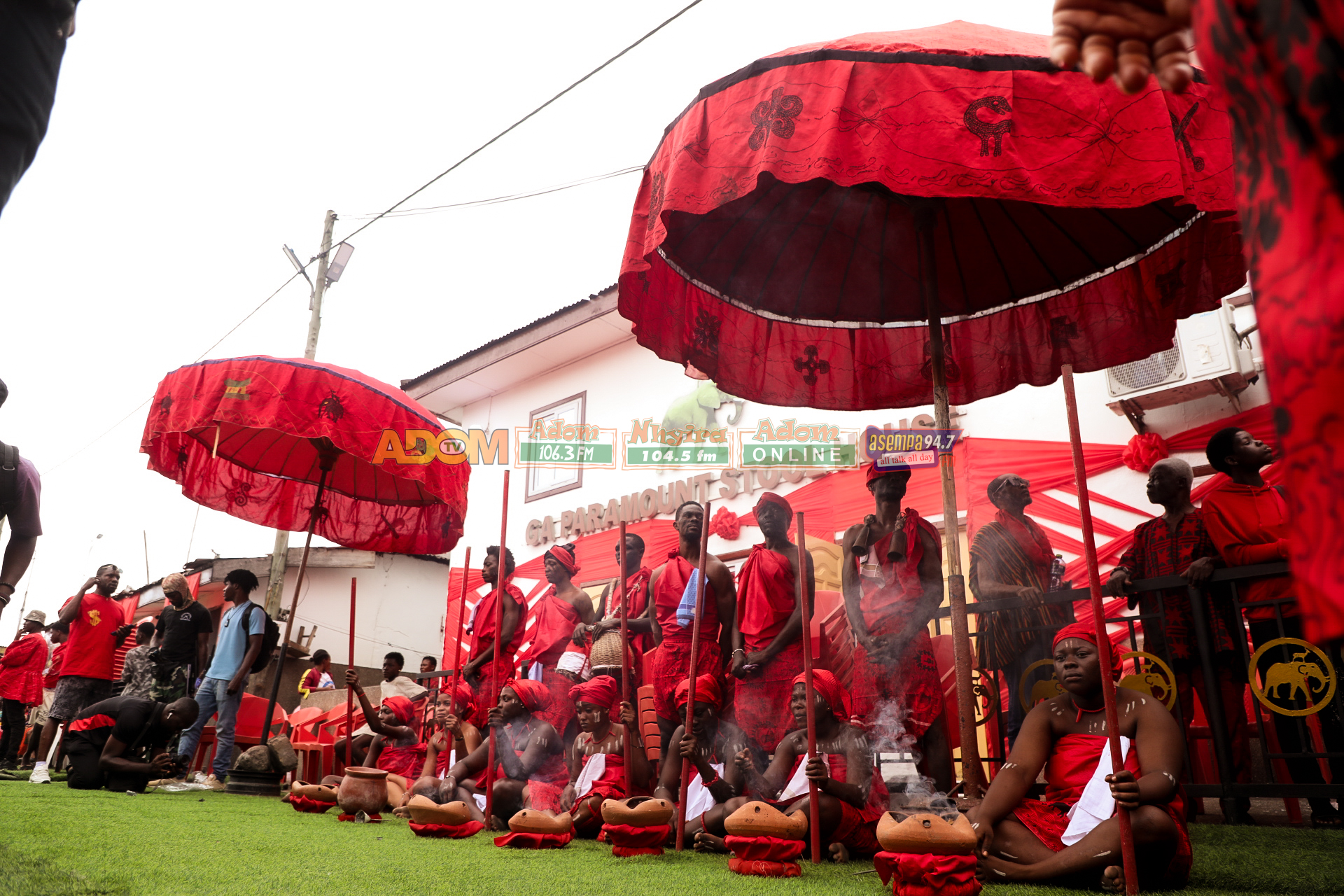
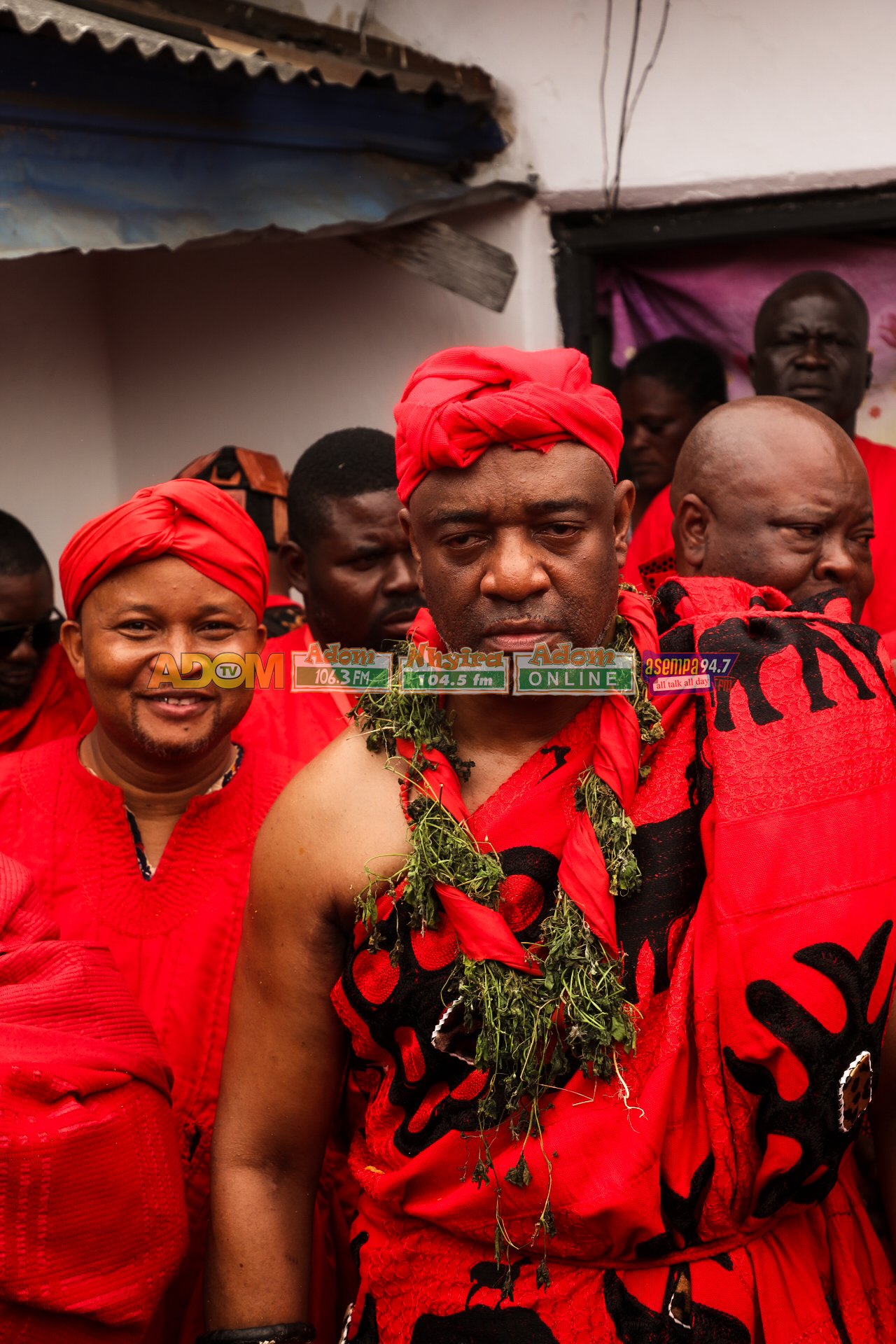
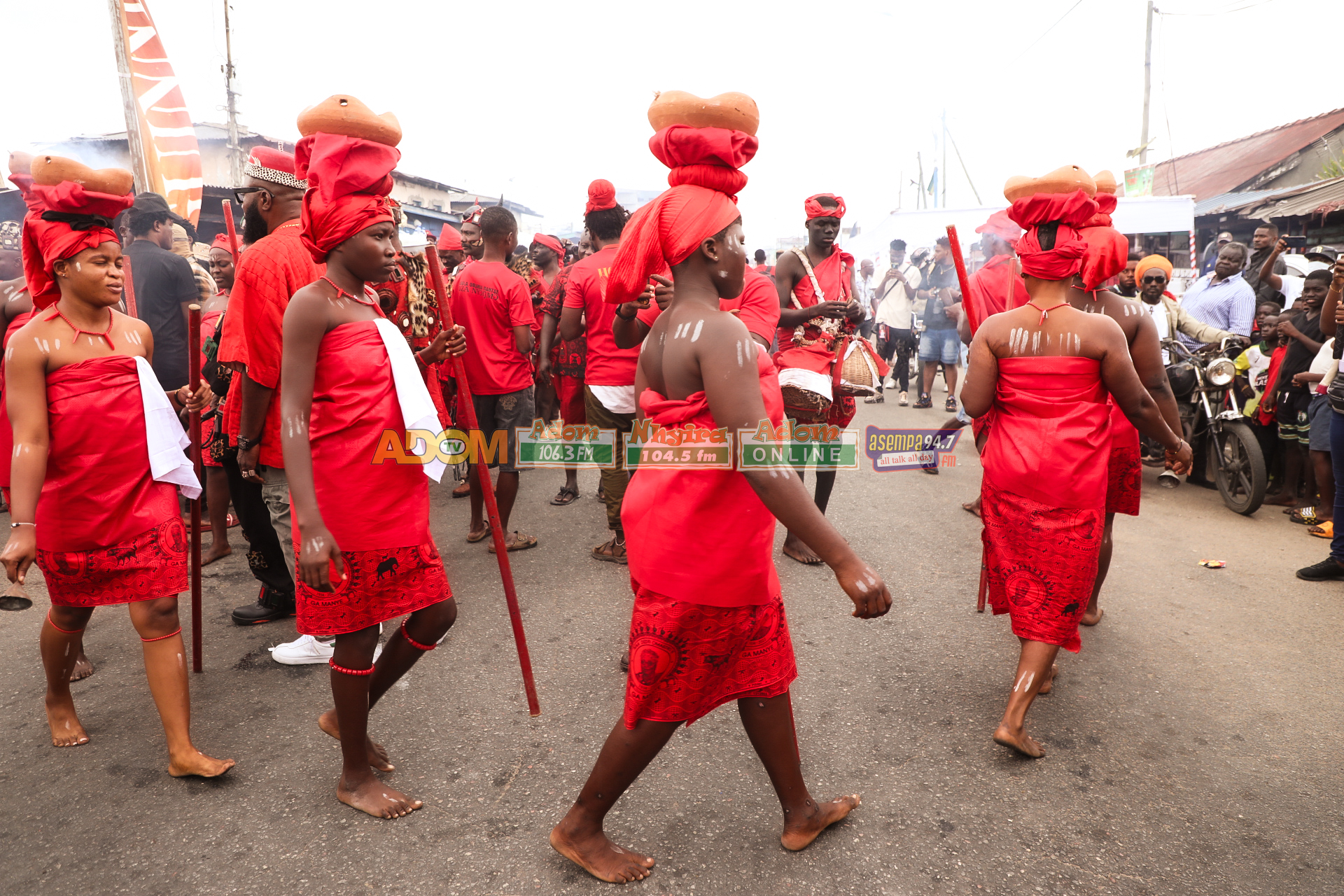
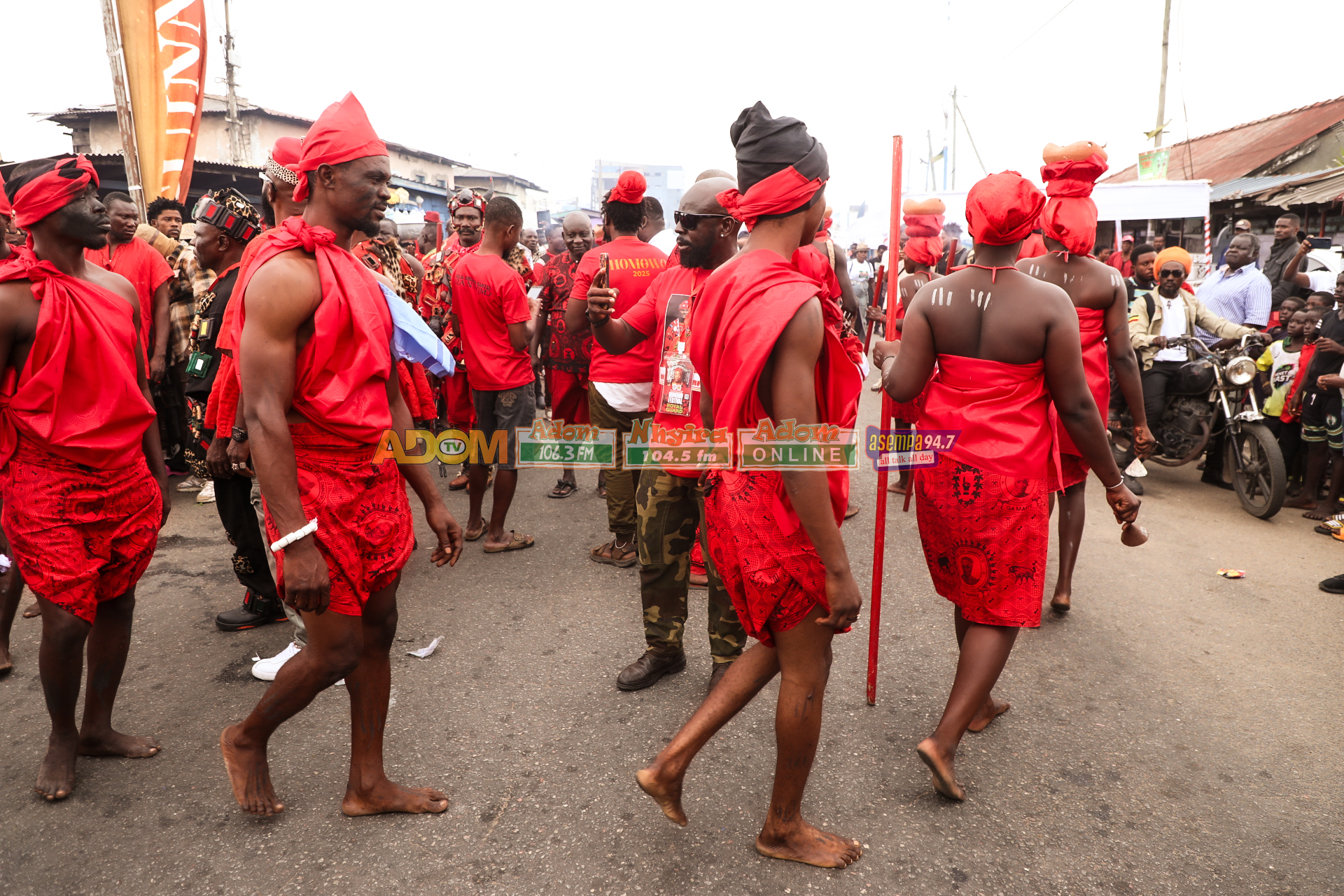
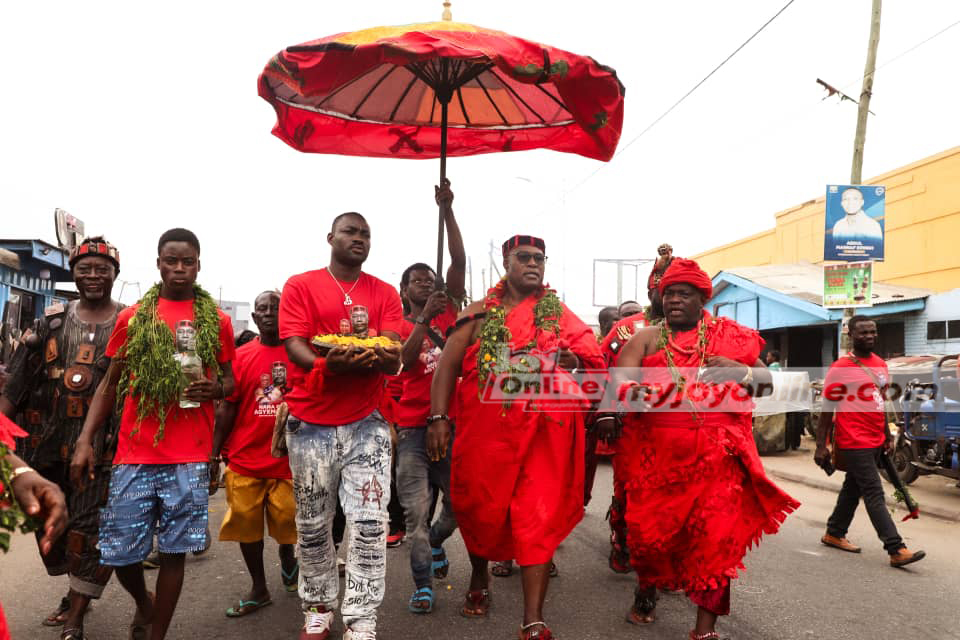
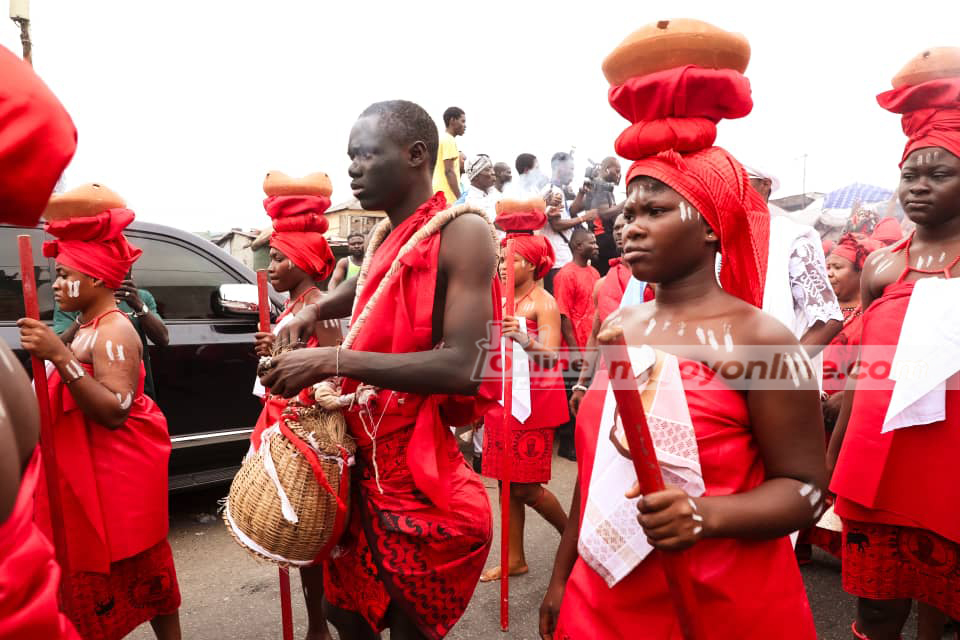
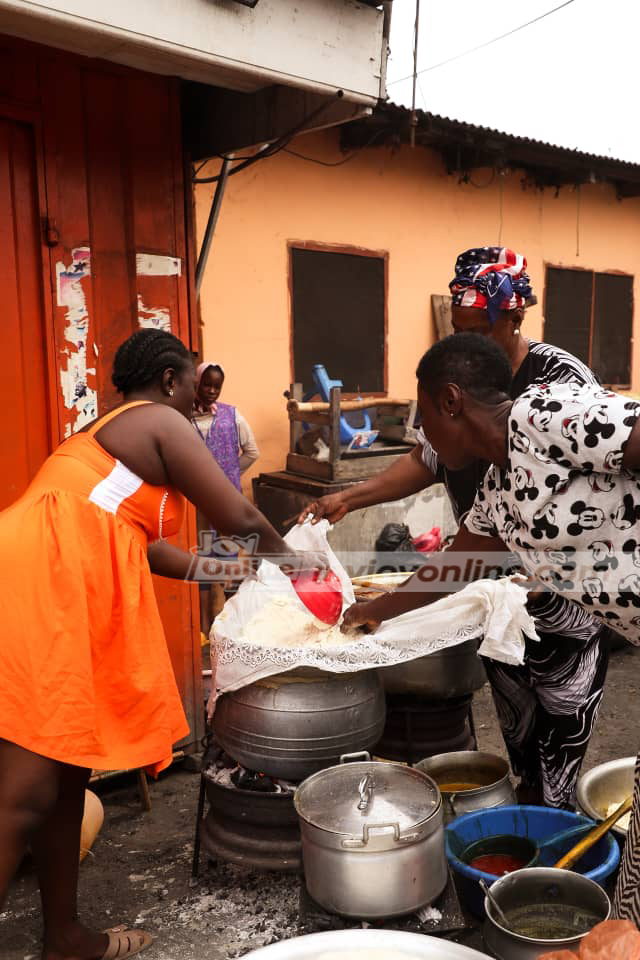
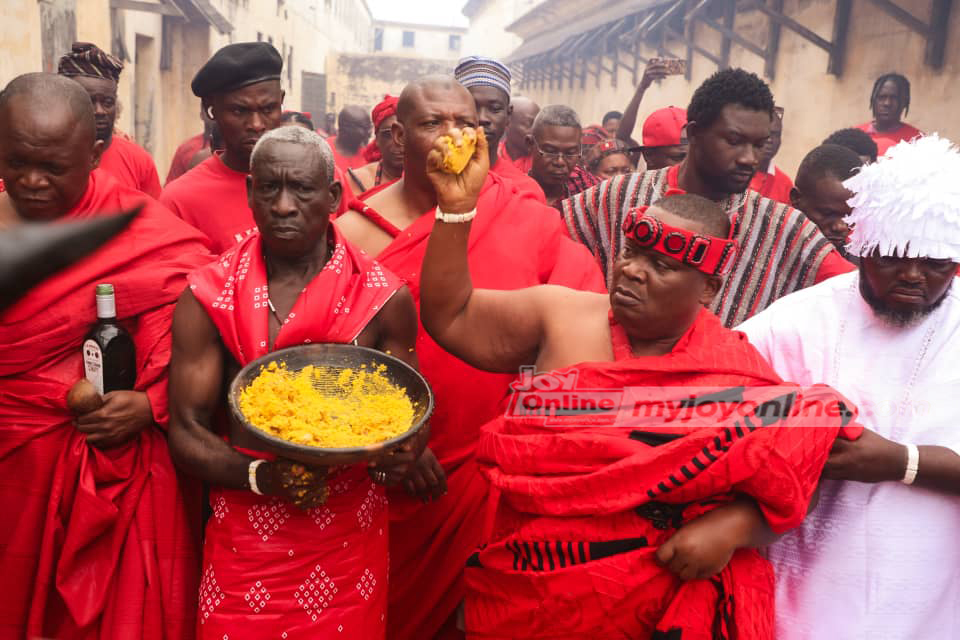
The Ga people have once again observed the annual Homowo Festival, a cultural celebration rooted in the remembrance of a historic famine that struck their ancestors in pre-colonial Ghana.
The festival, which symbolizes victory over hunger, serves as a reminder of the resilience, heritage, and identity of the Ga State.
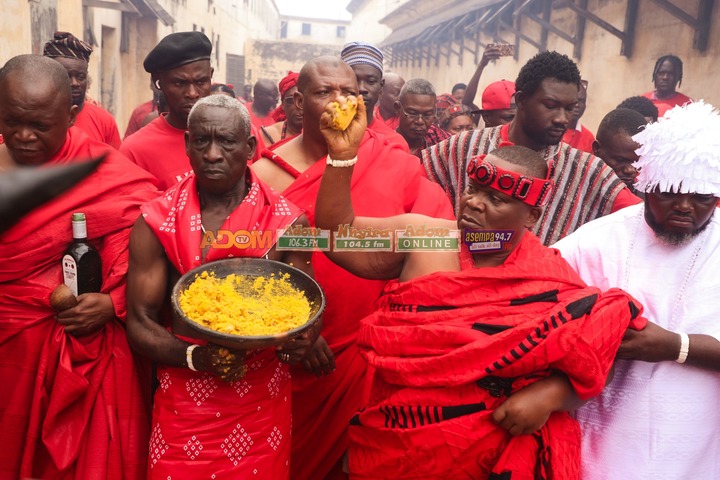
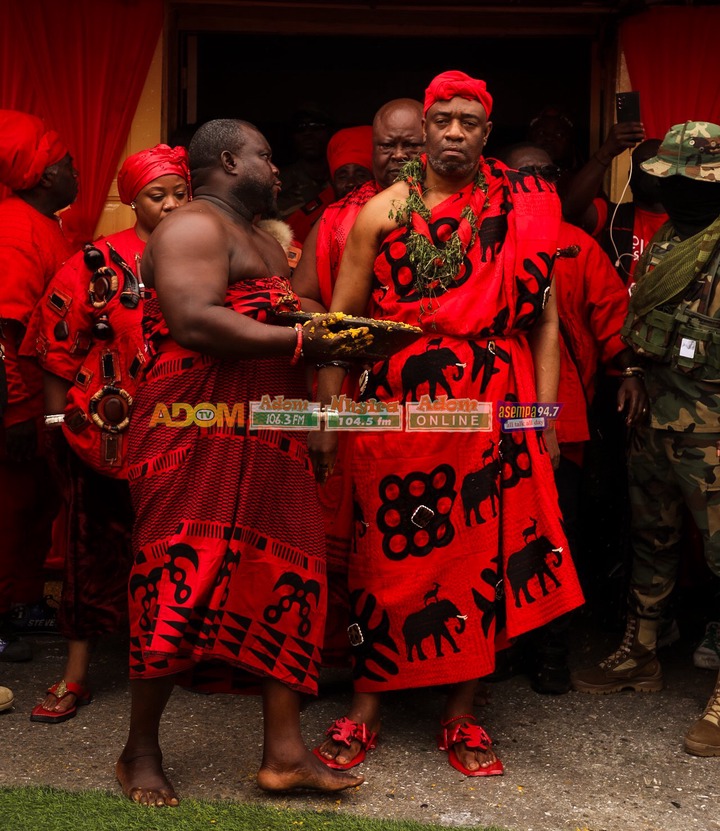
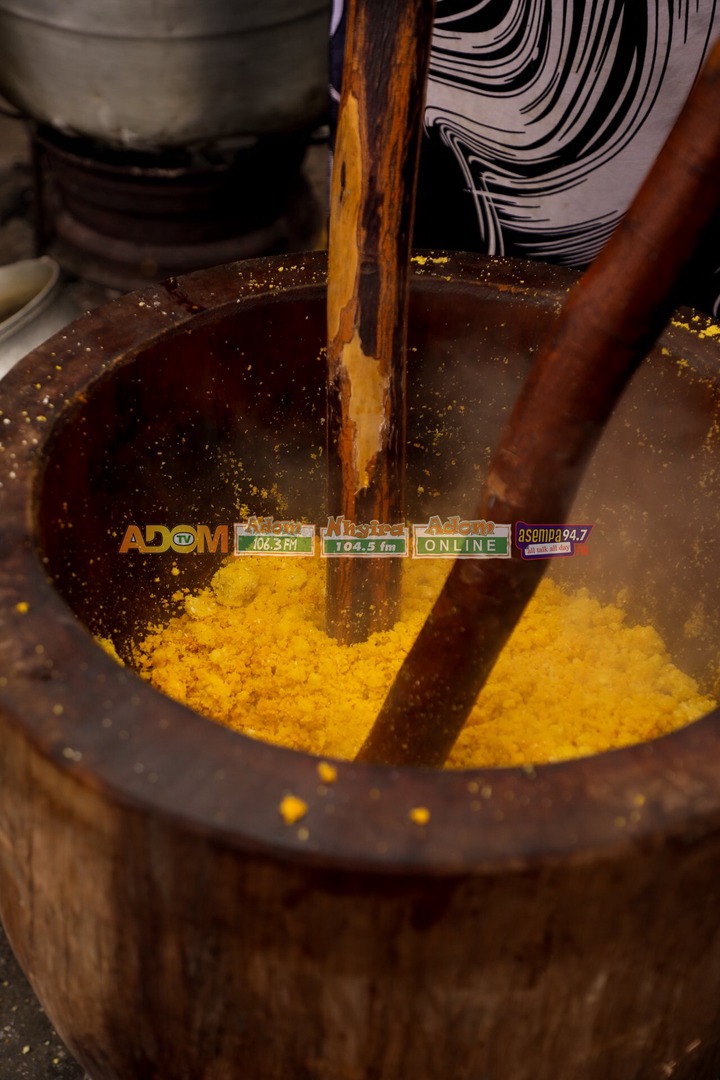
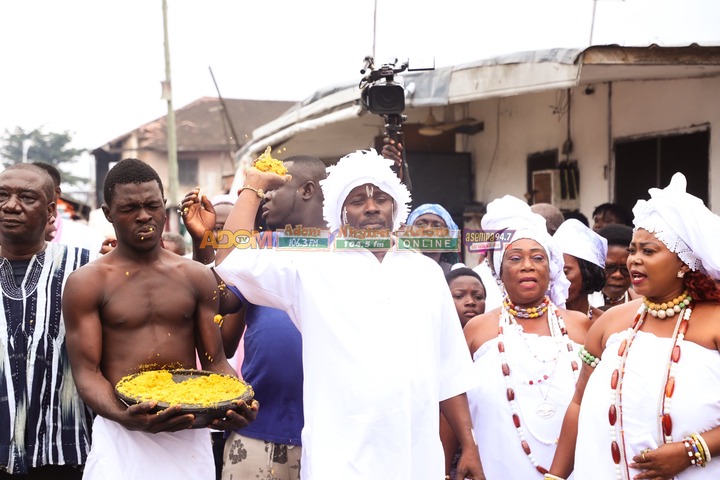
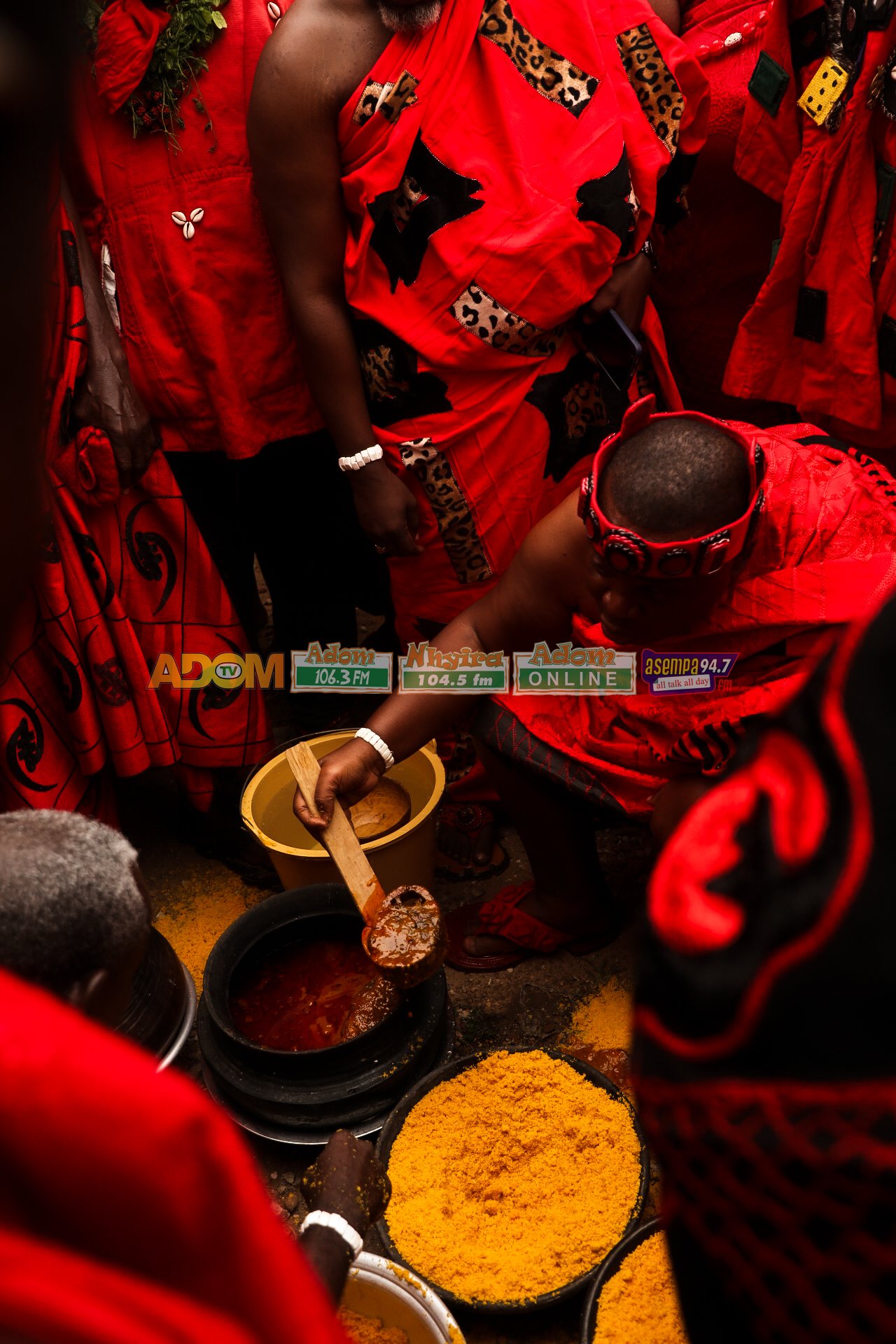
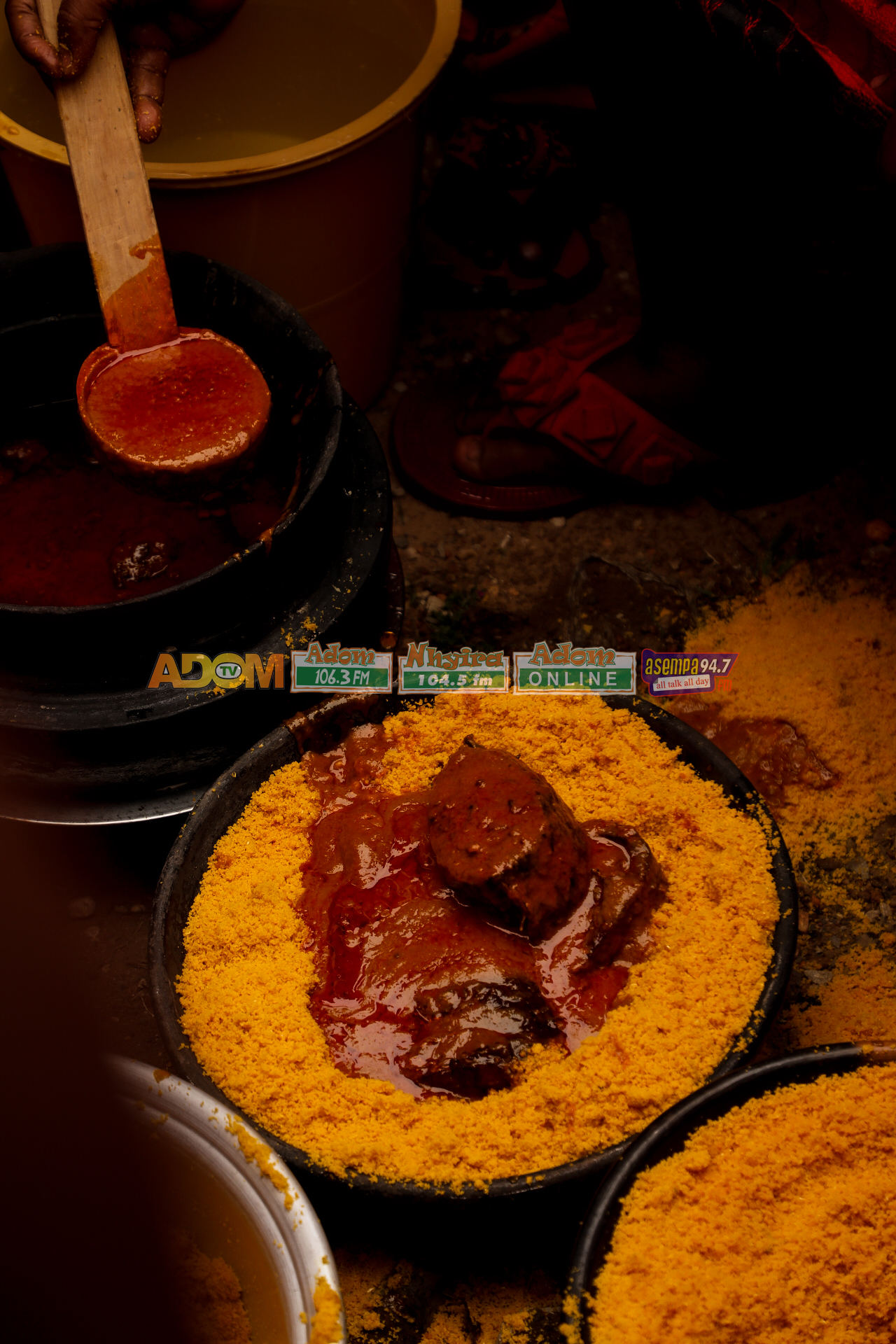
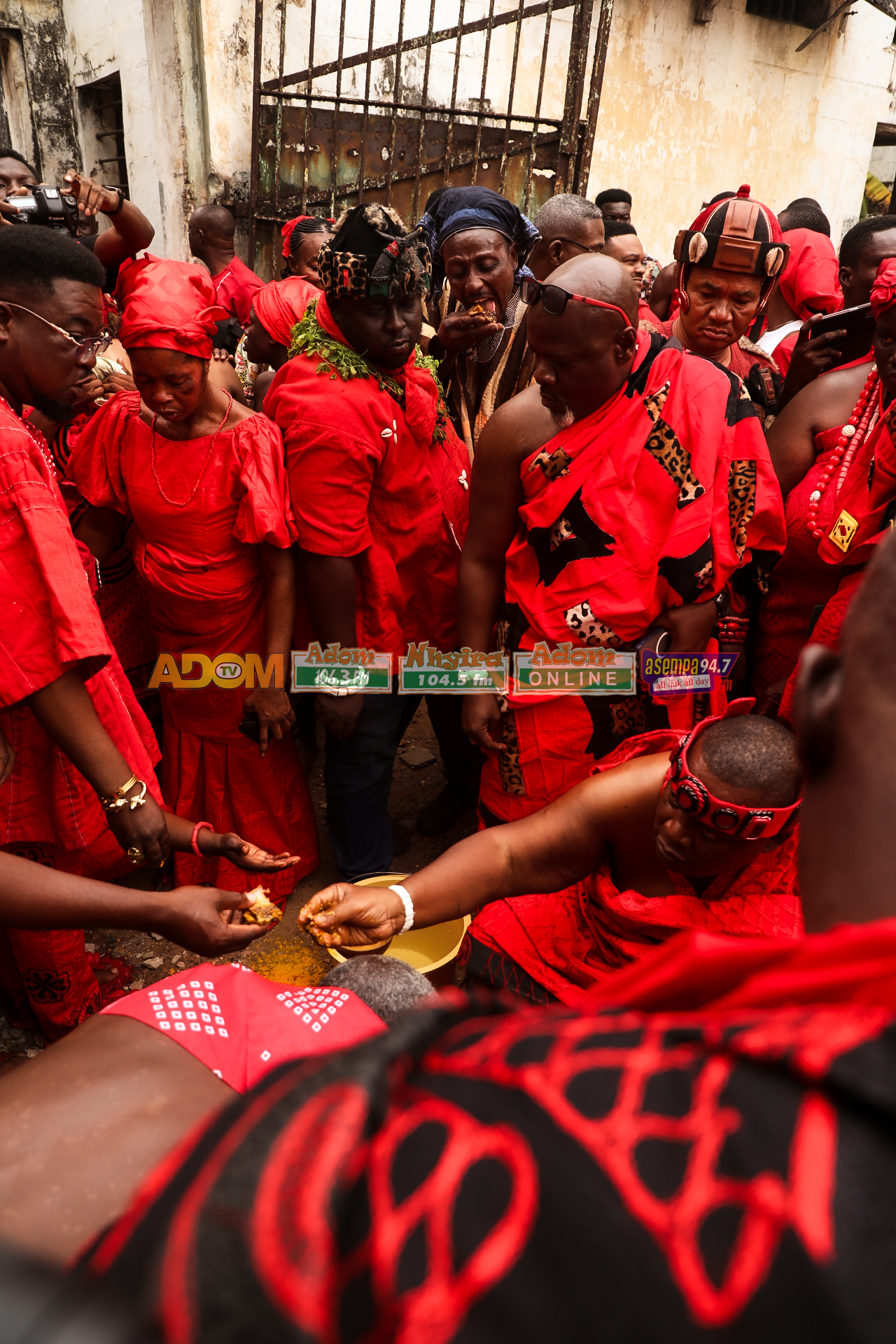
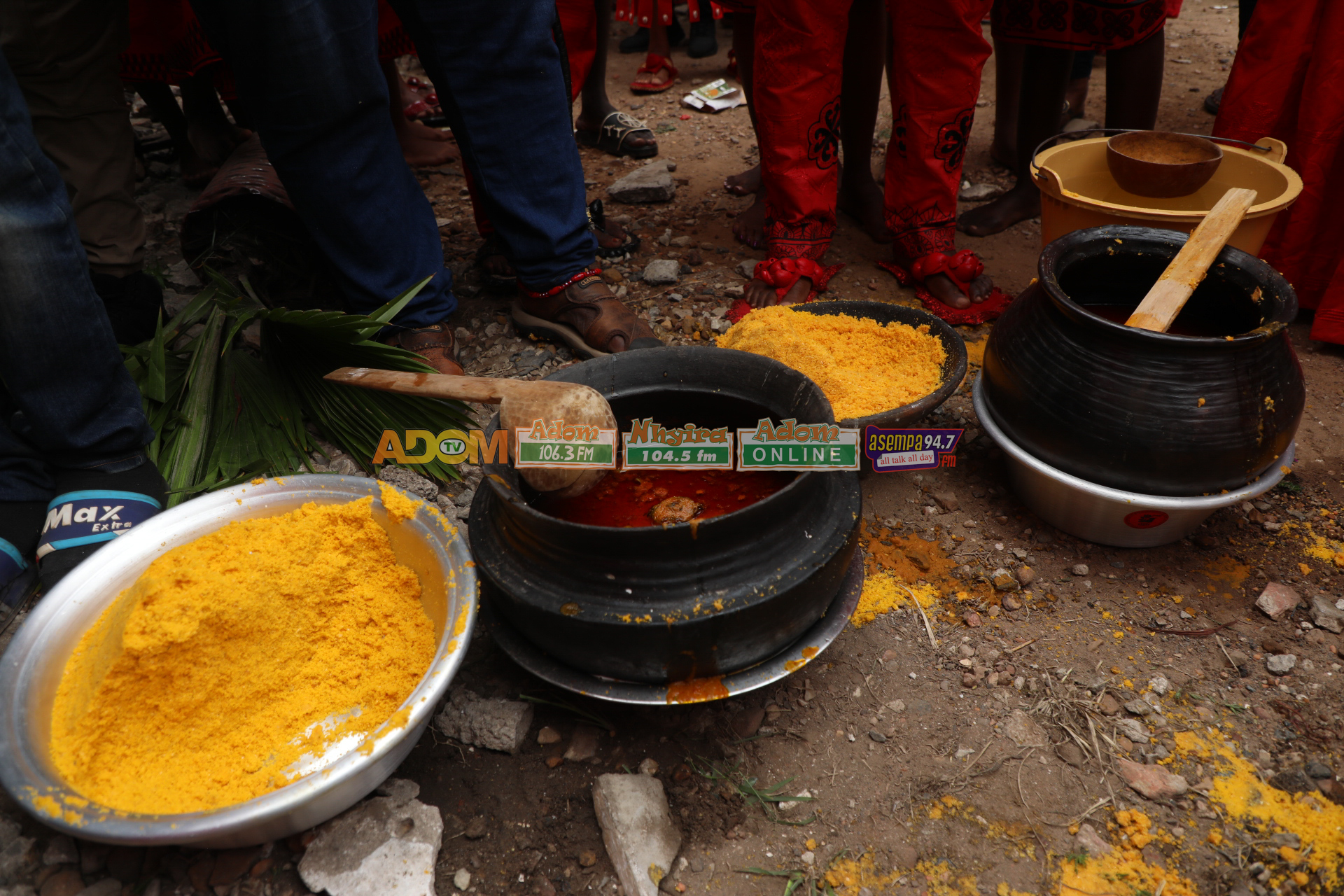
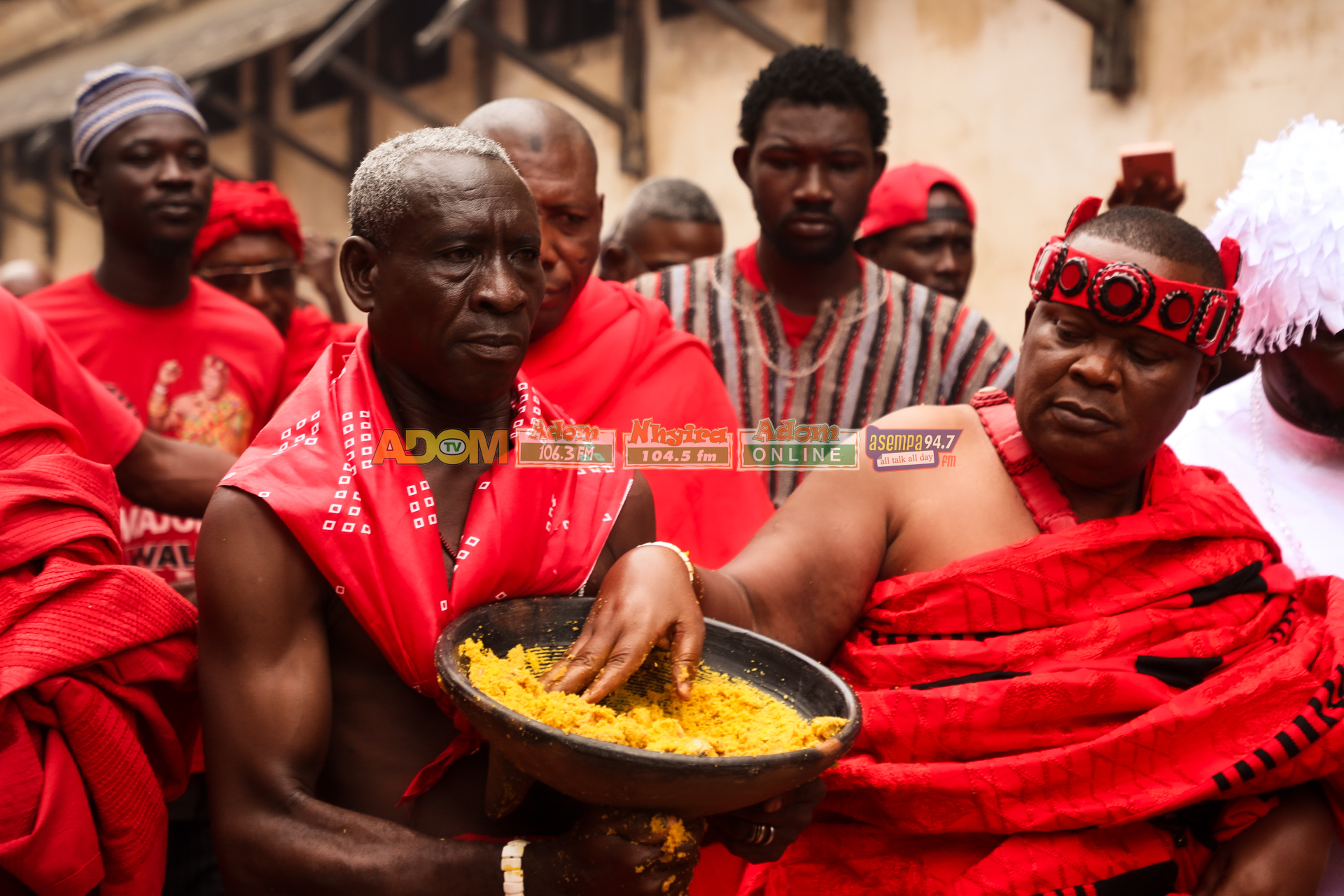
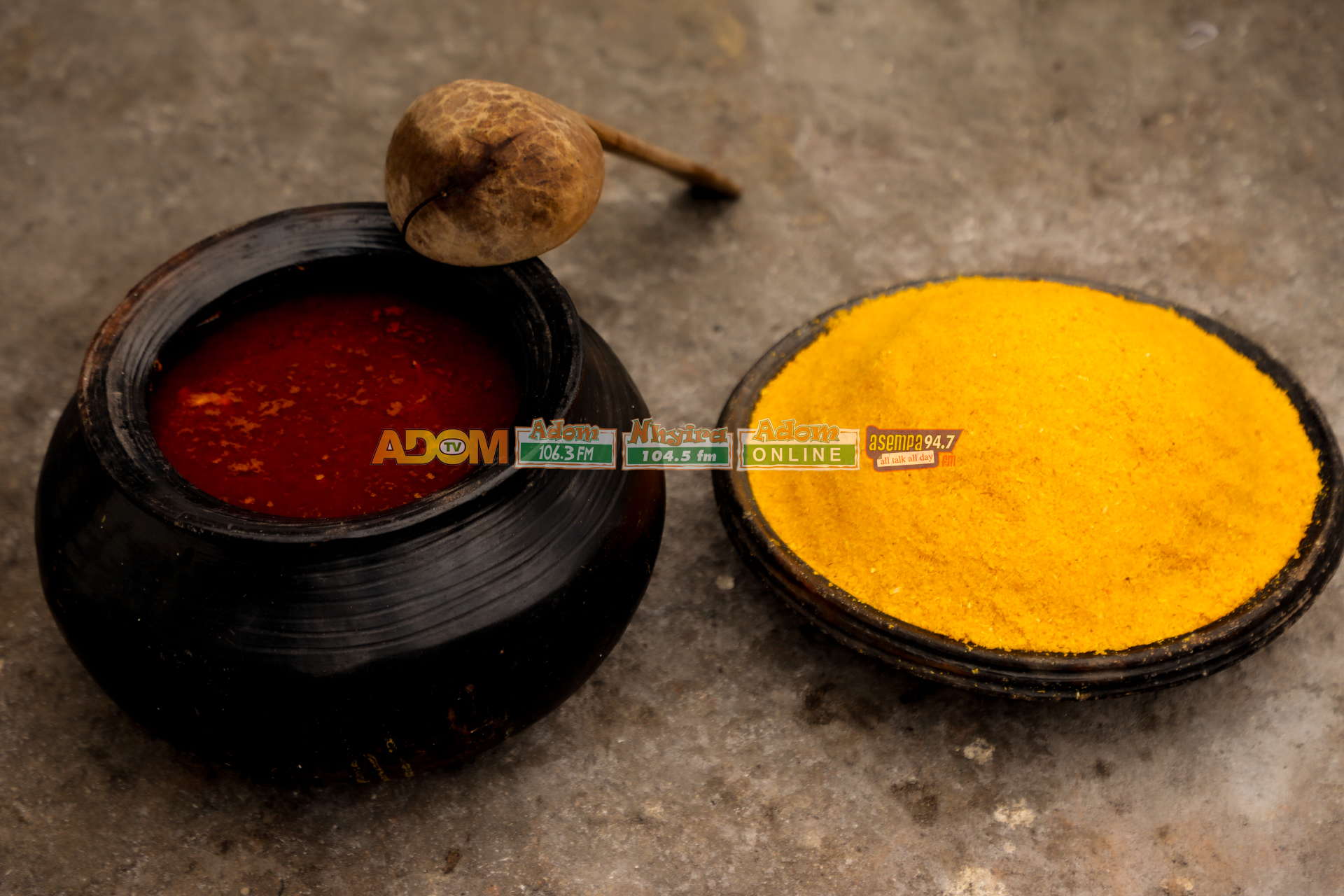
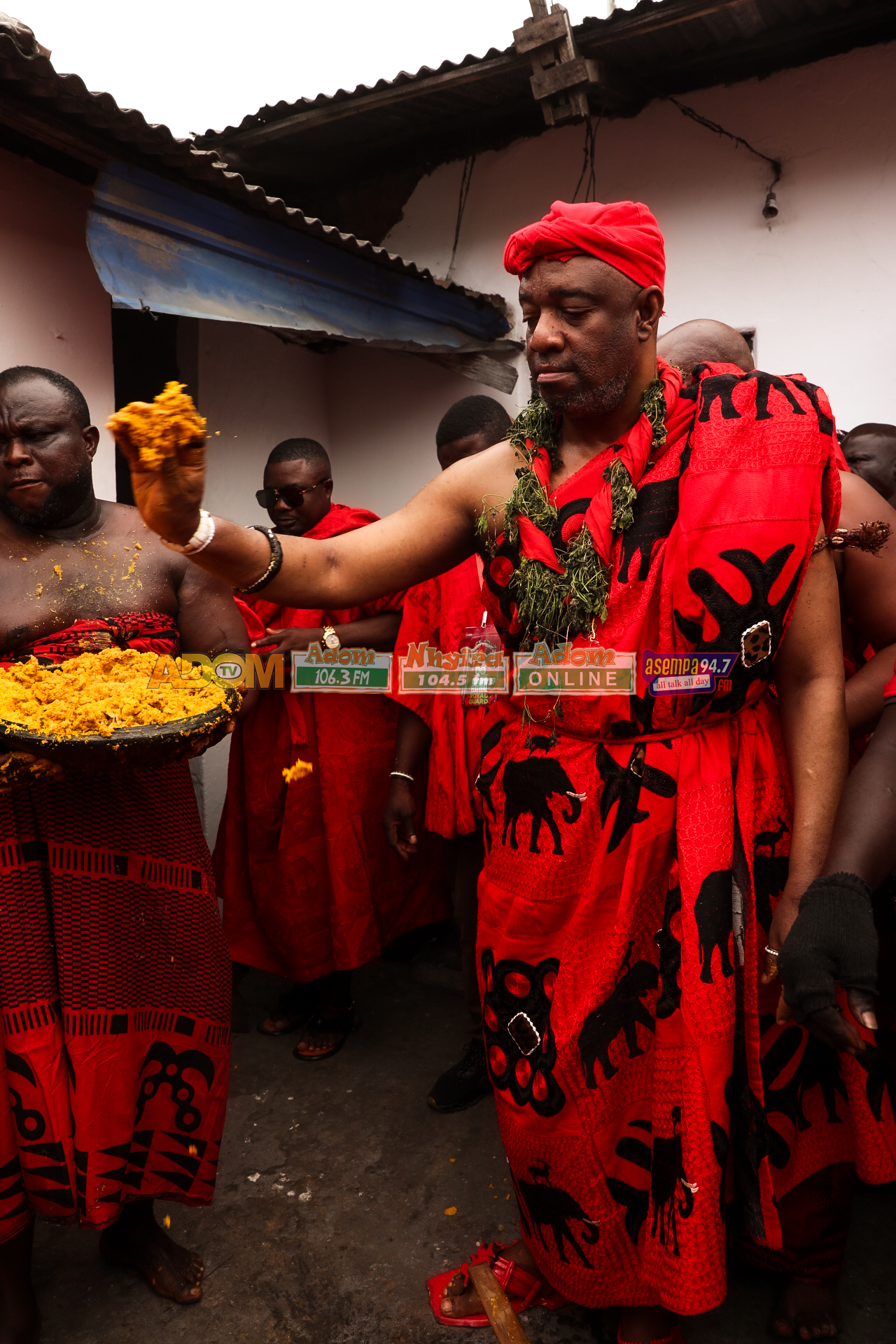
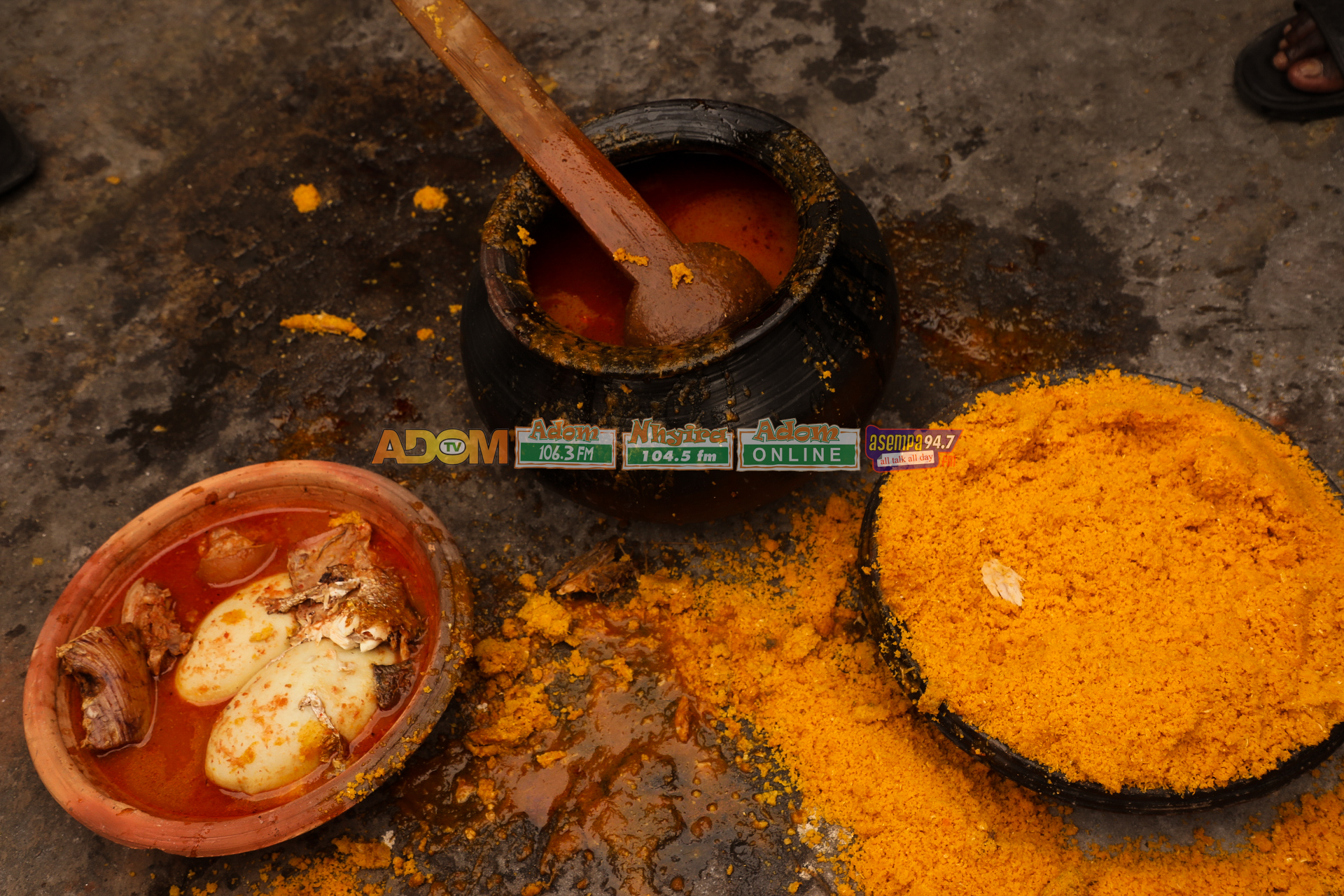
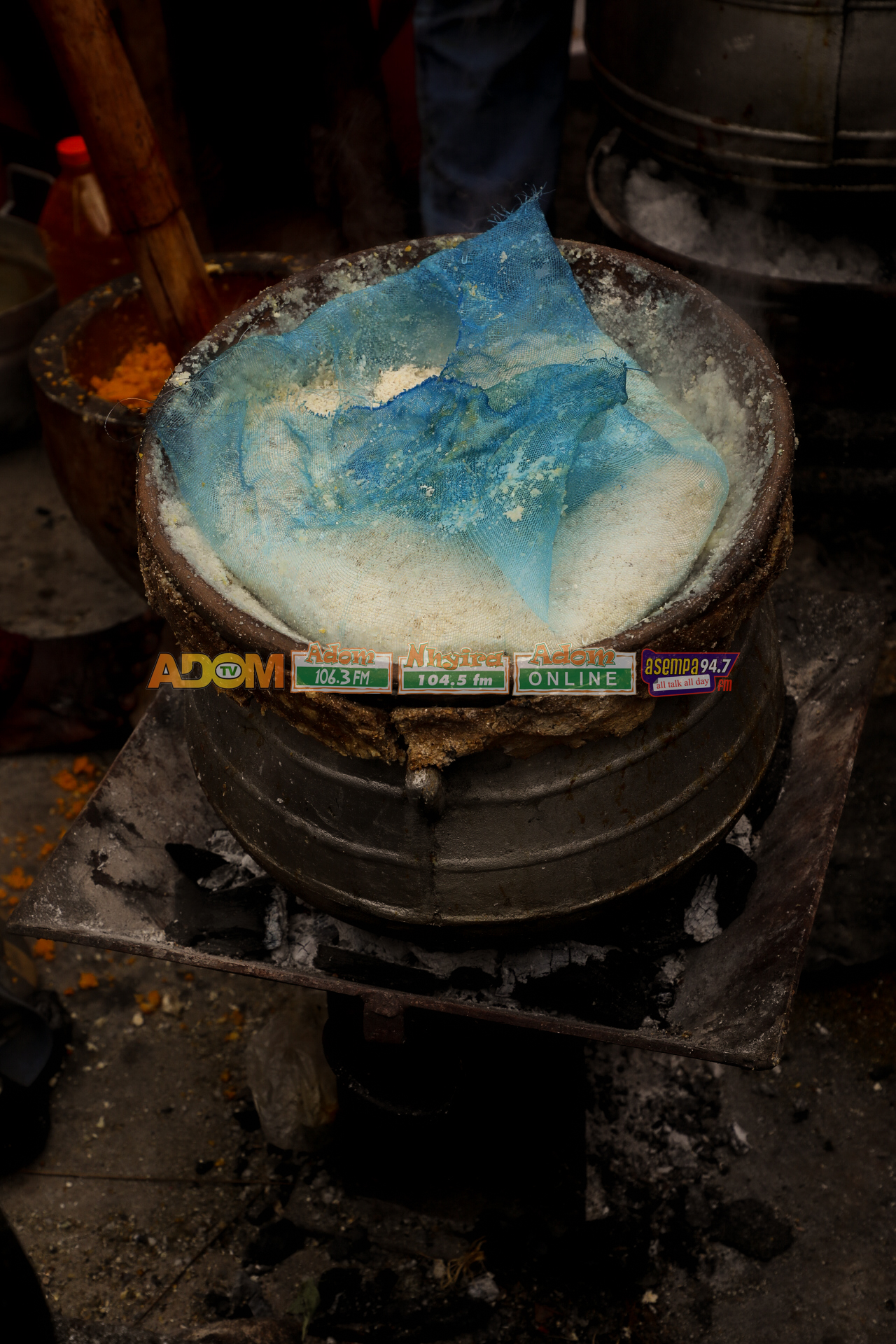
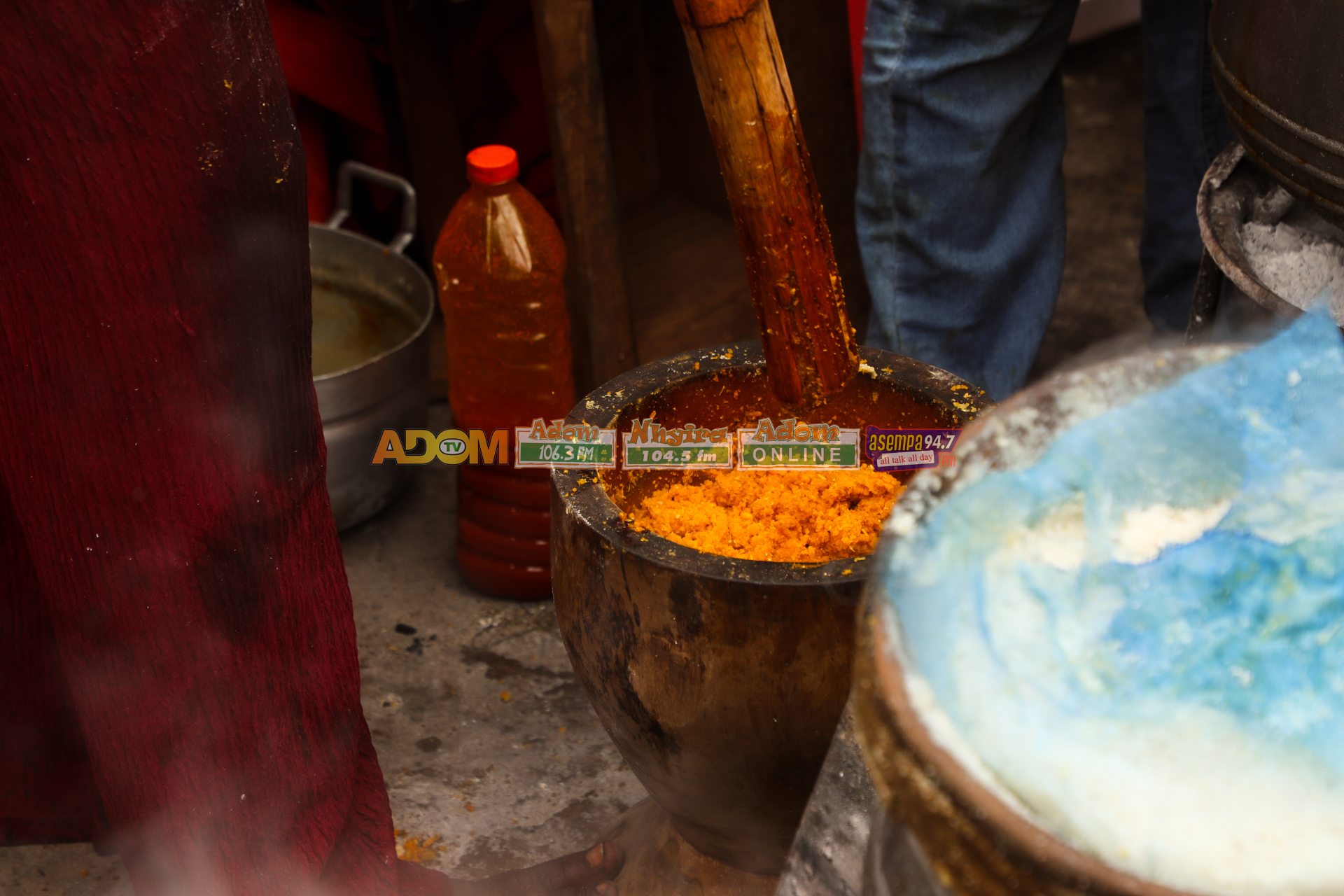
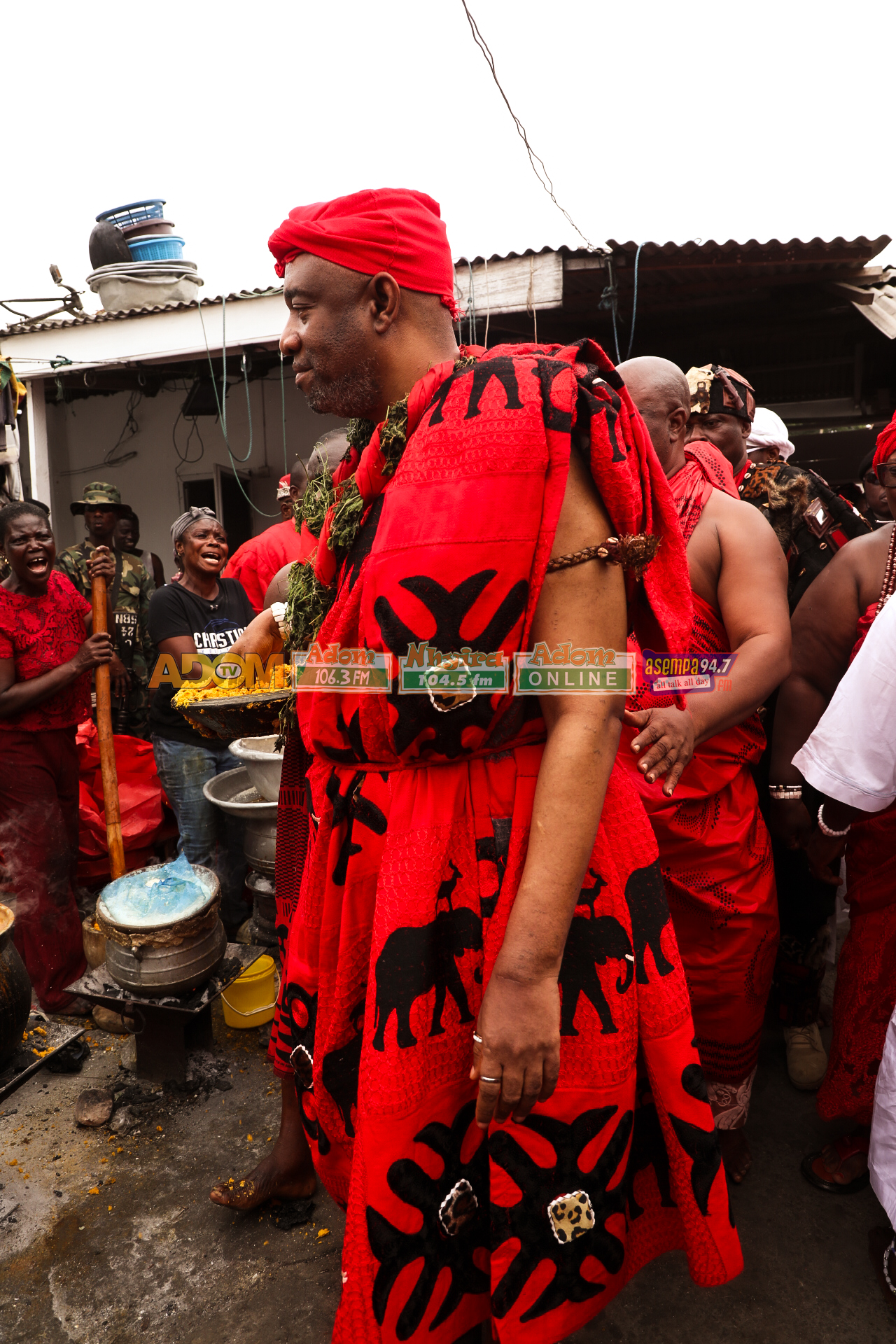
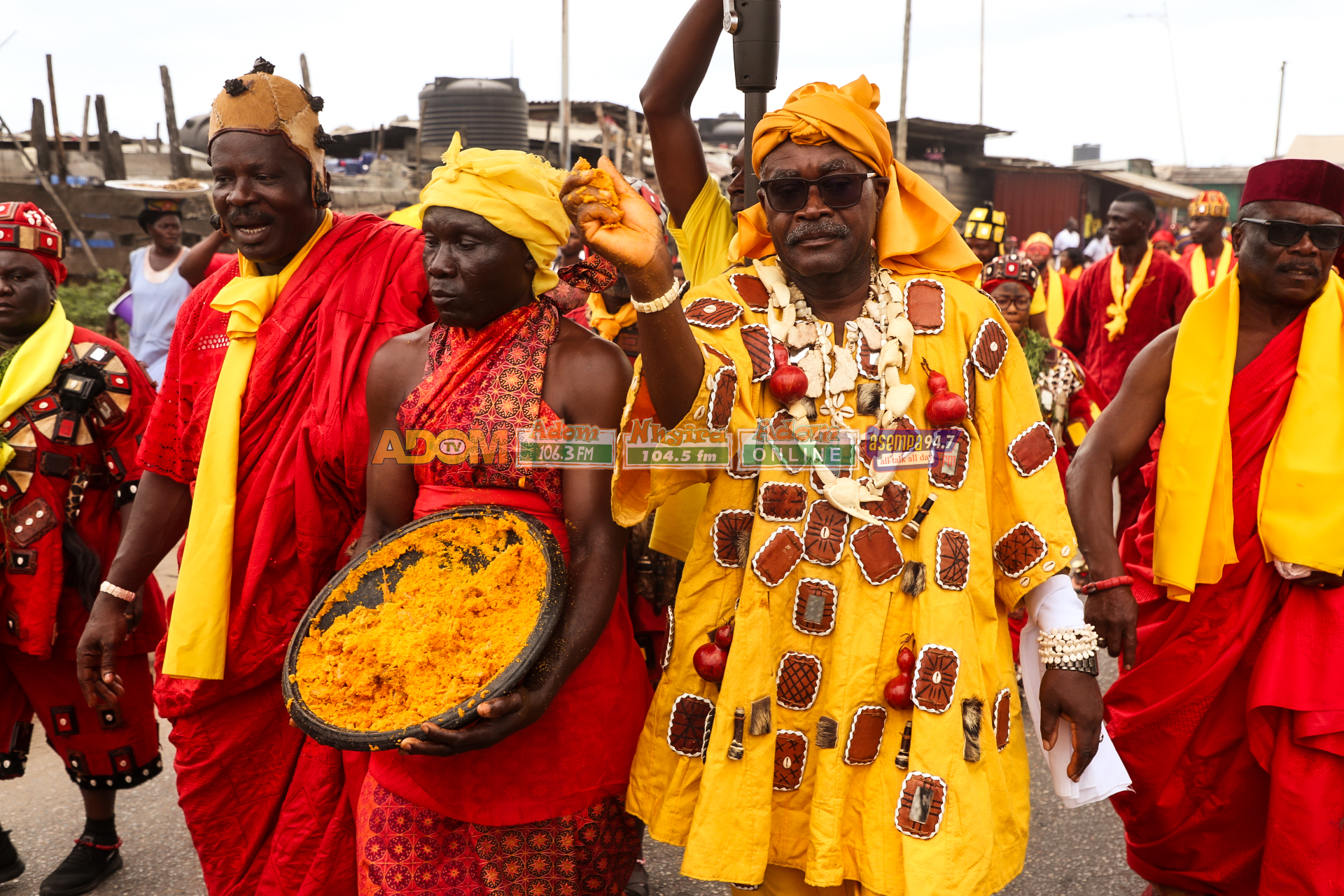
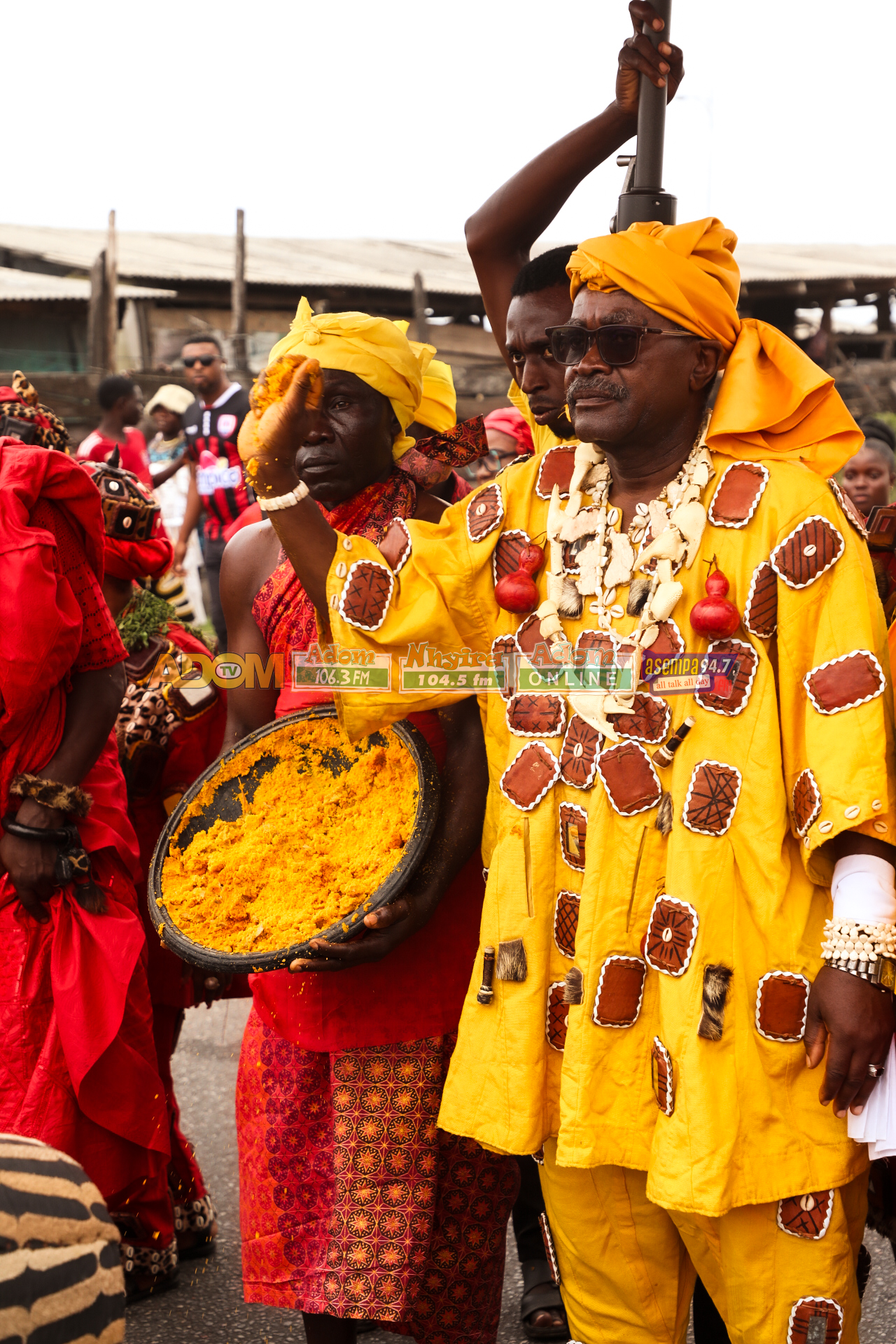
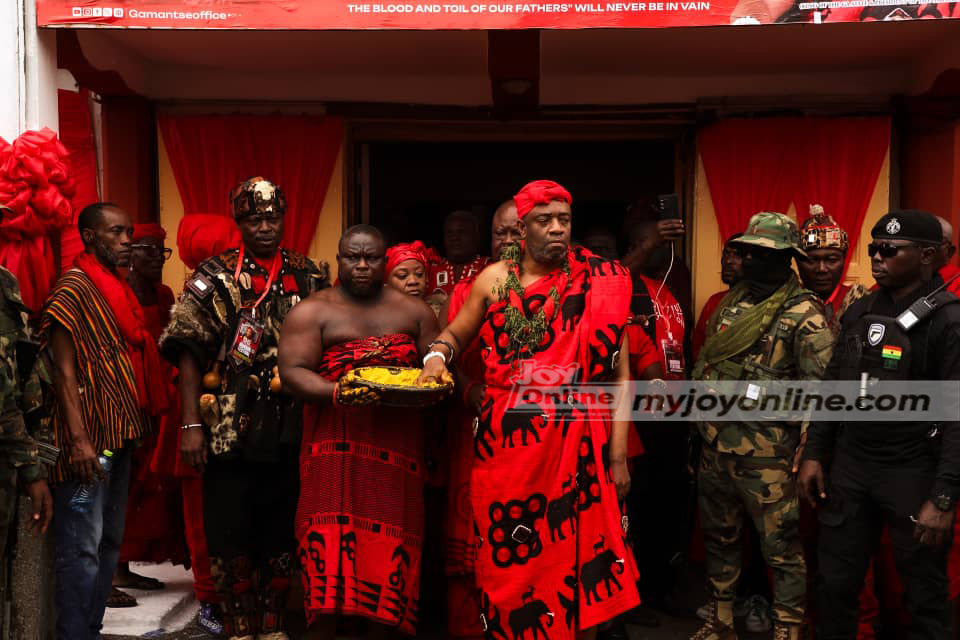
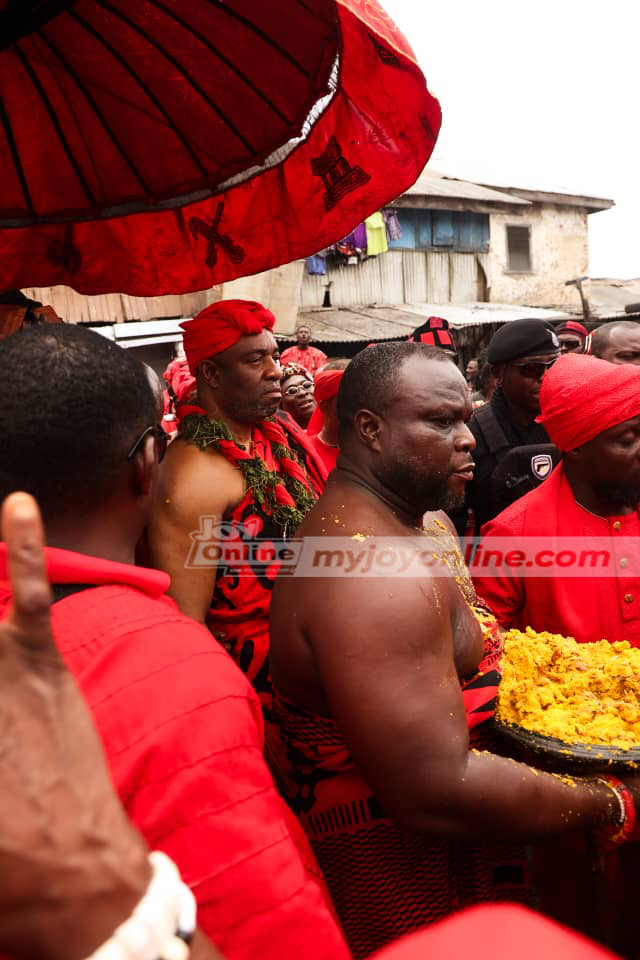
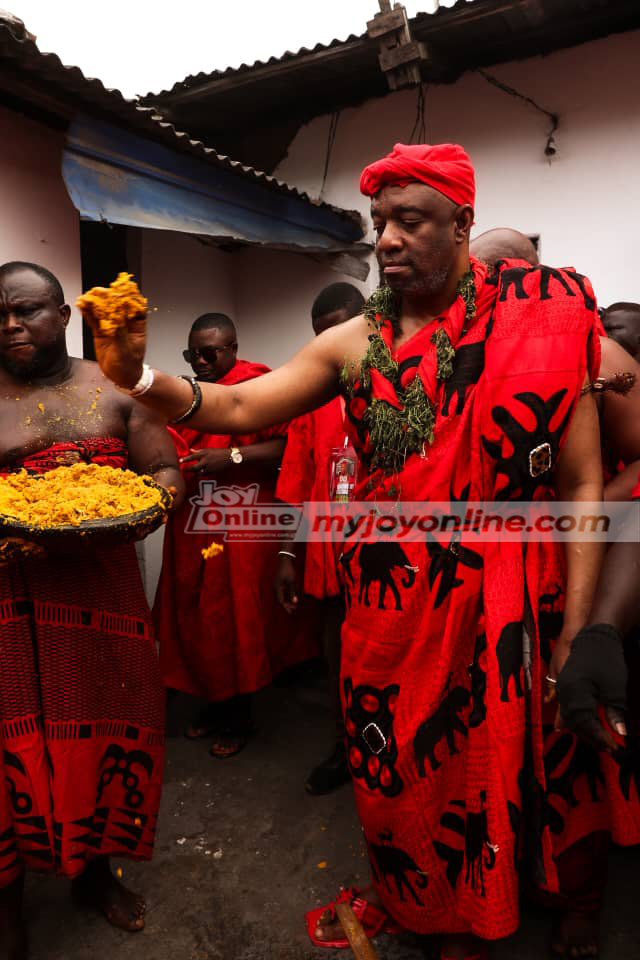
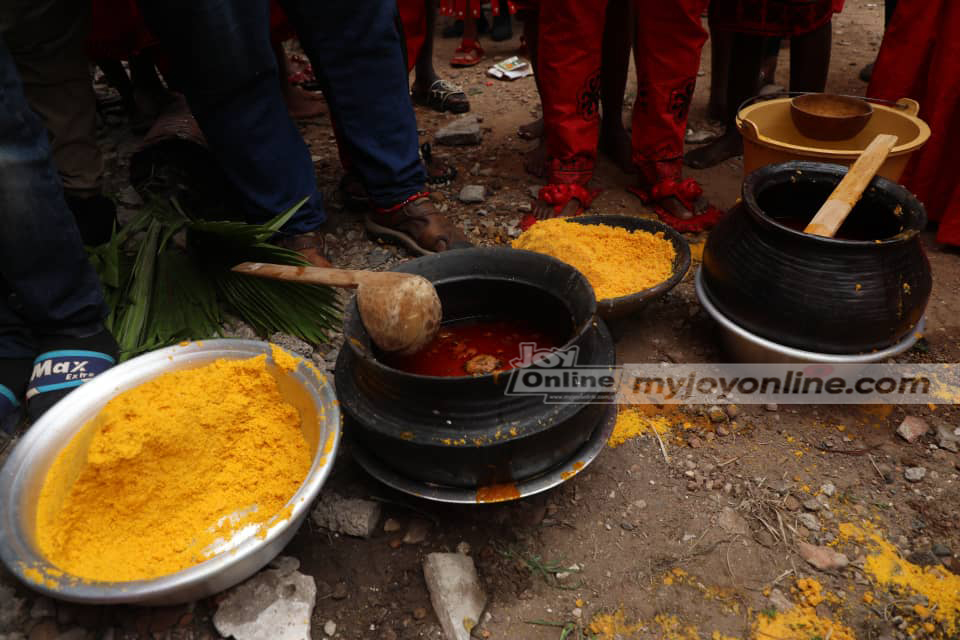
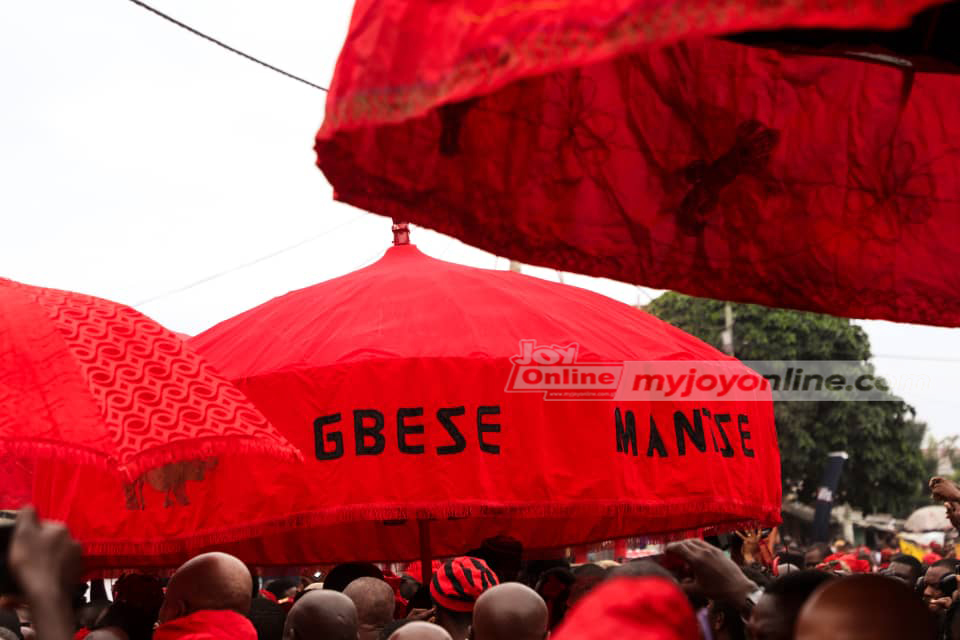
This year’s celebration commenced with the Gbese Mantse, Nii Ayi-Bonte II, performing the traditional sprinkling of Kpokpoi—a sacred cornmeal dish—from the historic Usher Fort through the main streets of Ga Mashie, ending at the Gbese Palace.
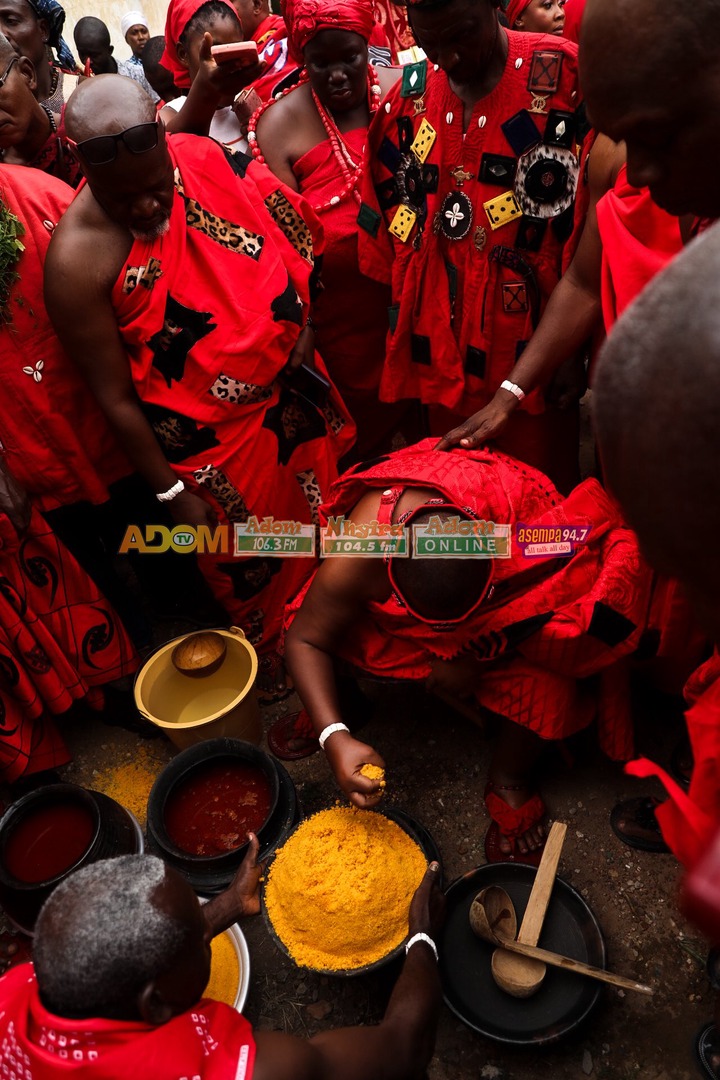
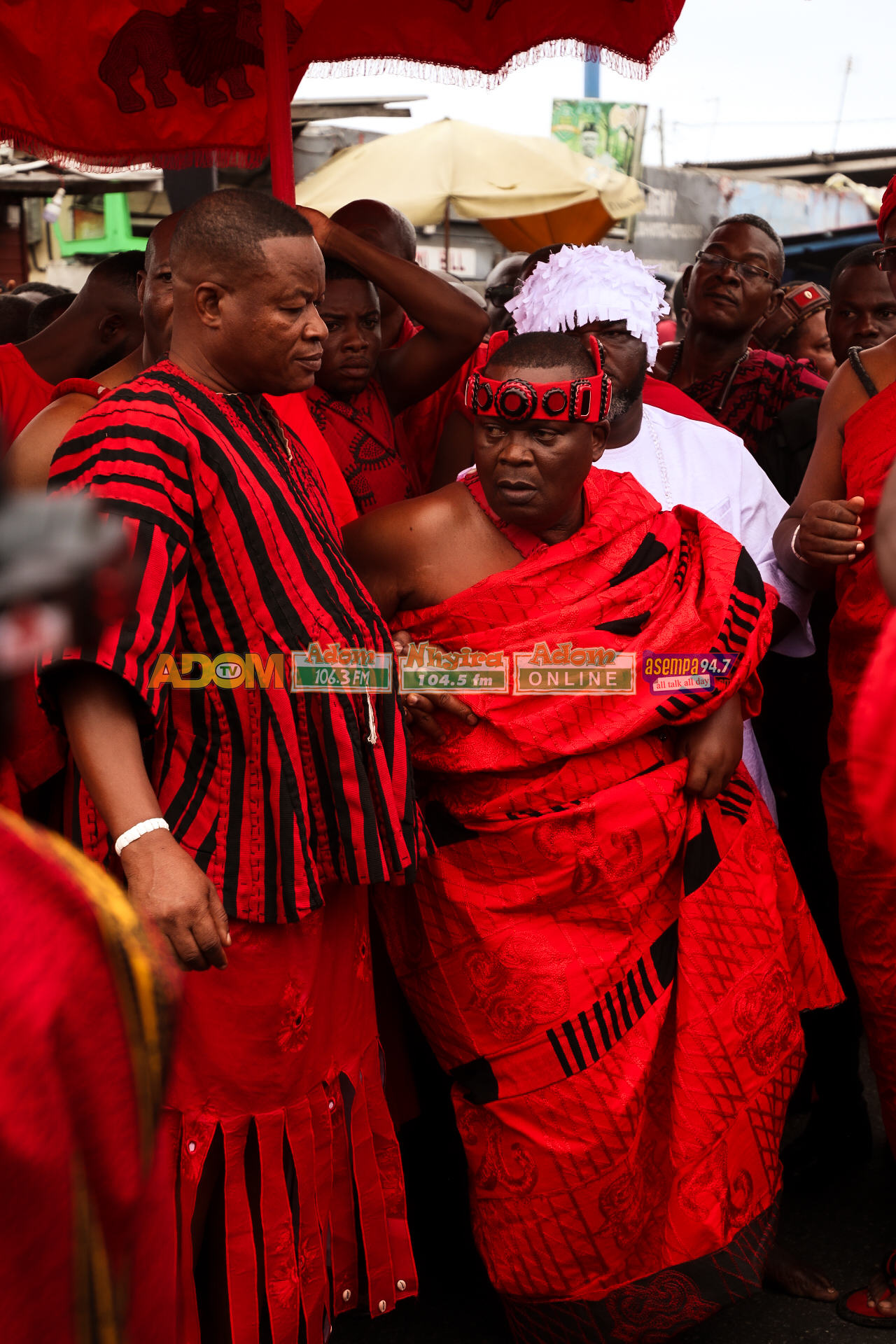
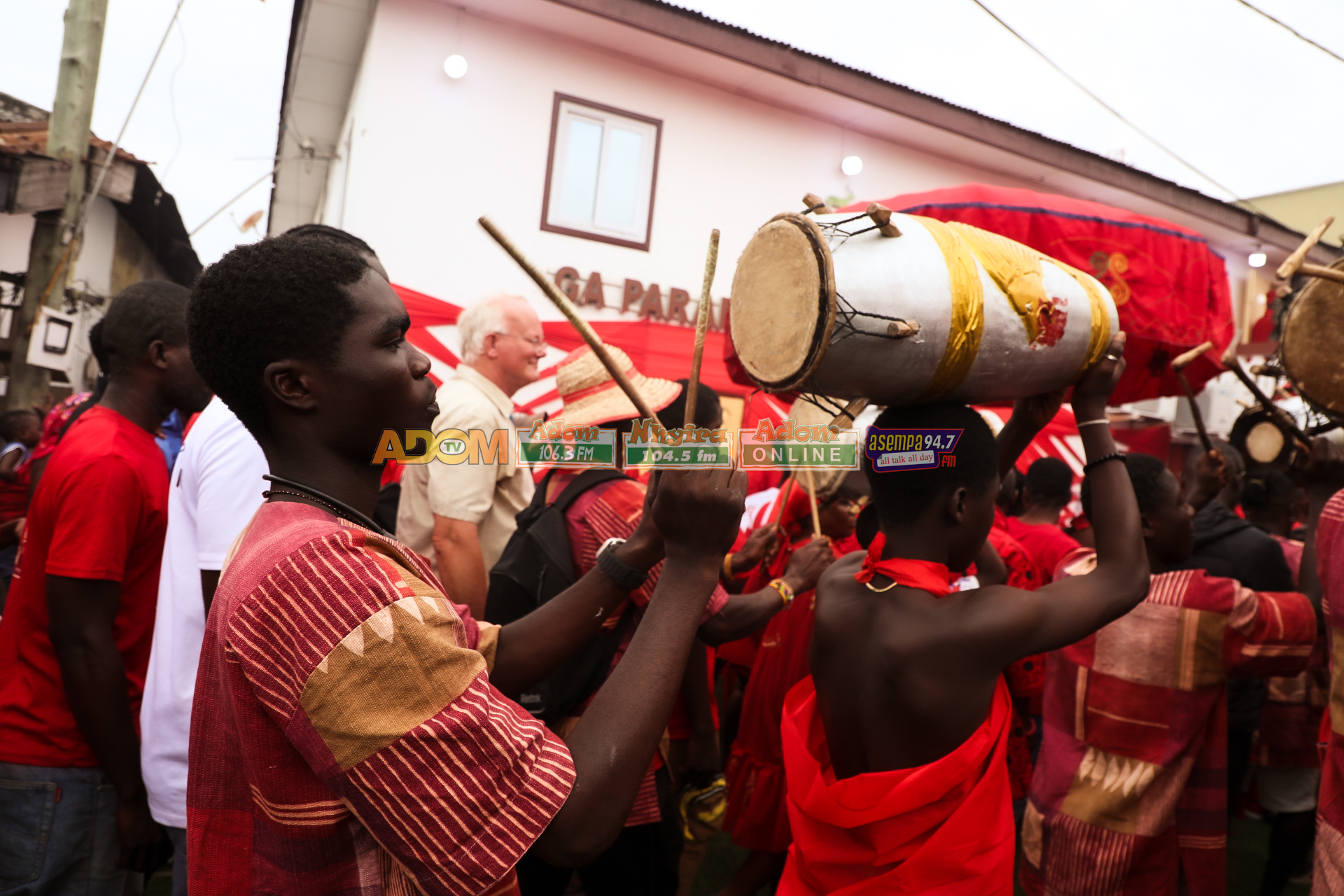
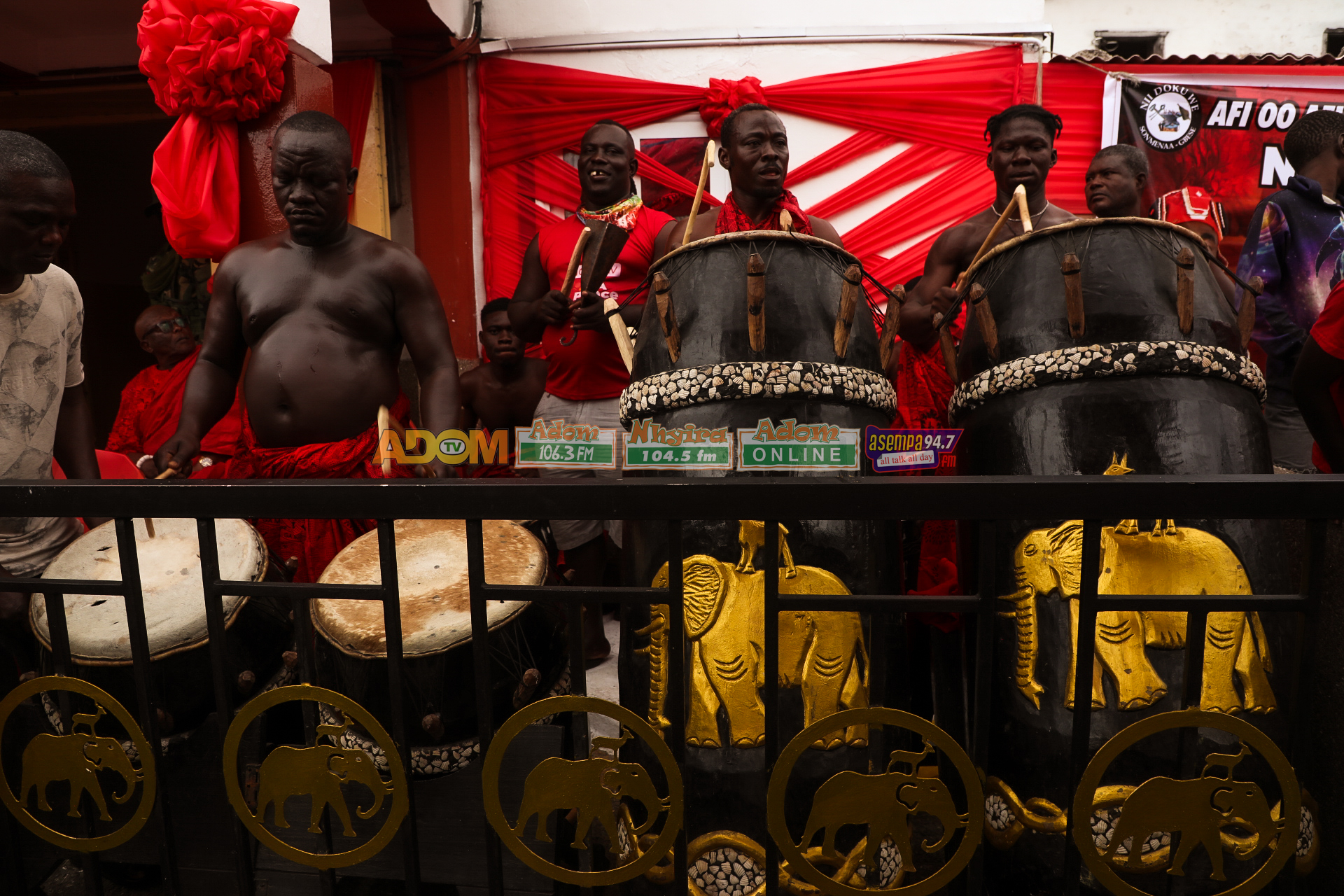
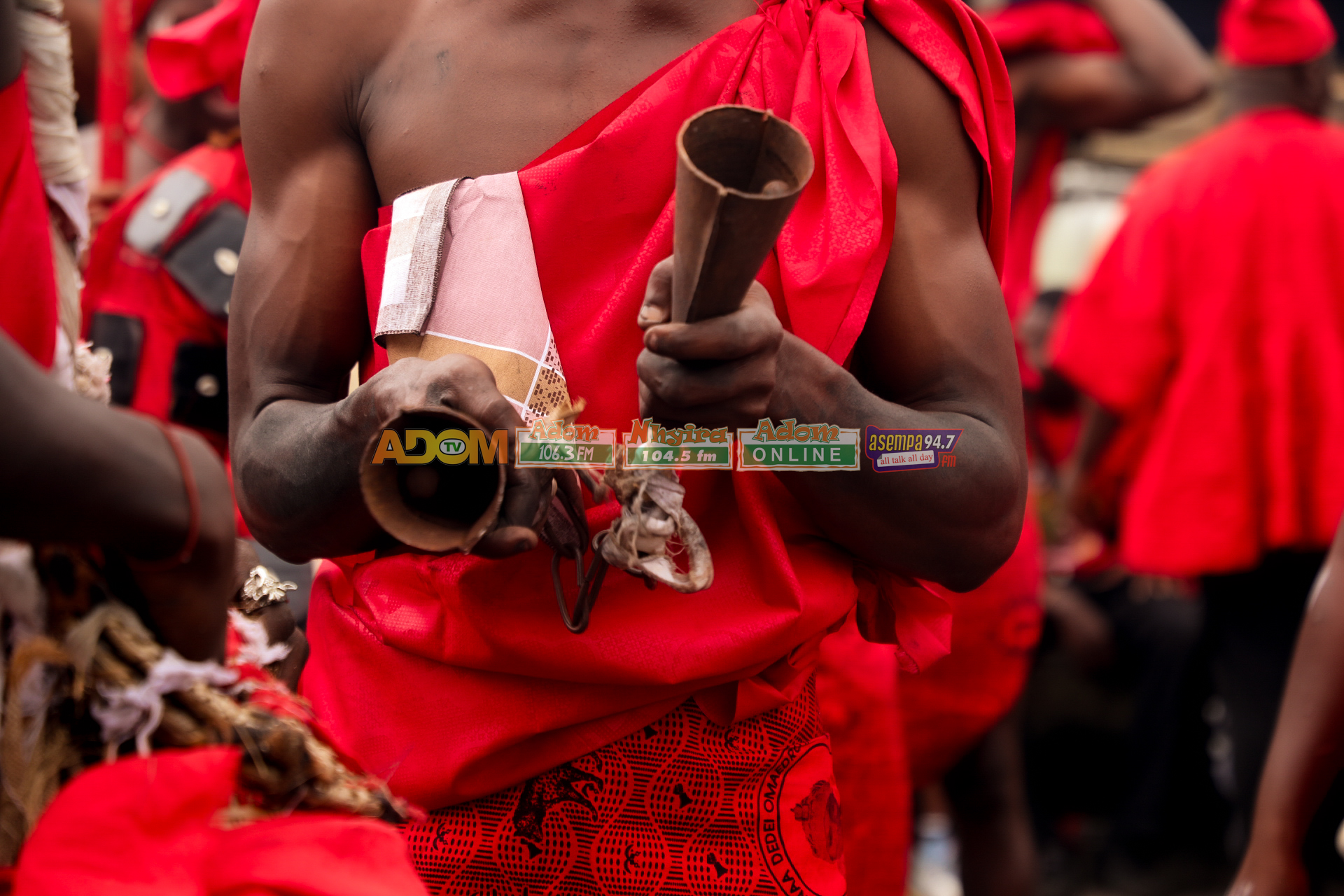
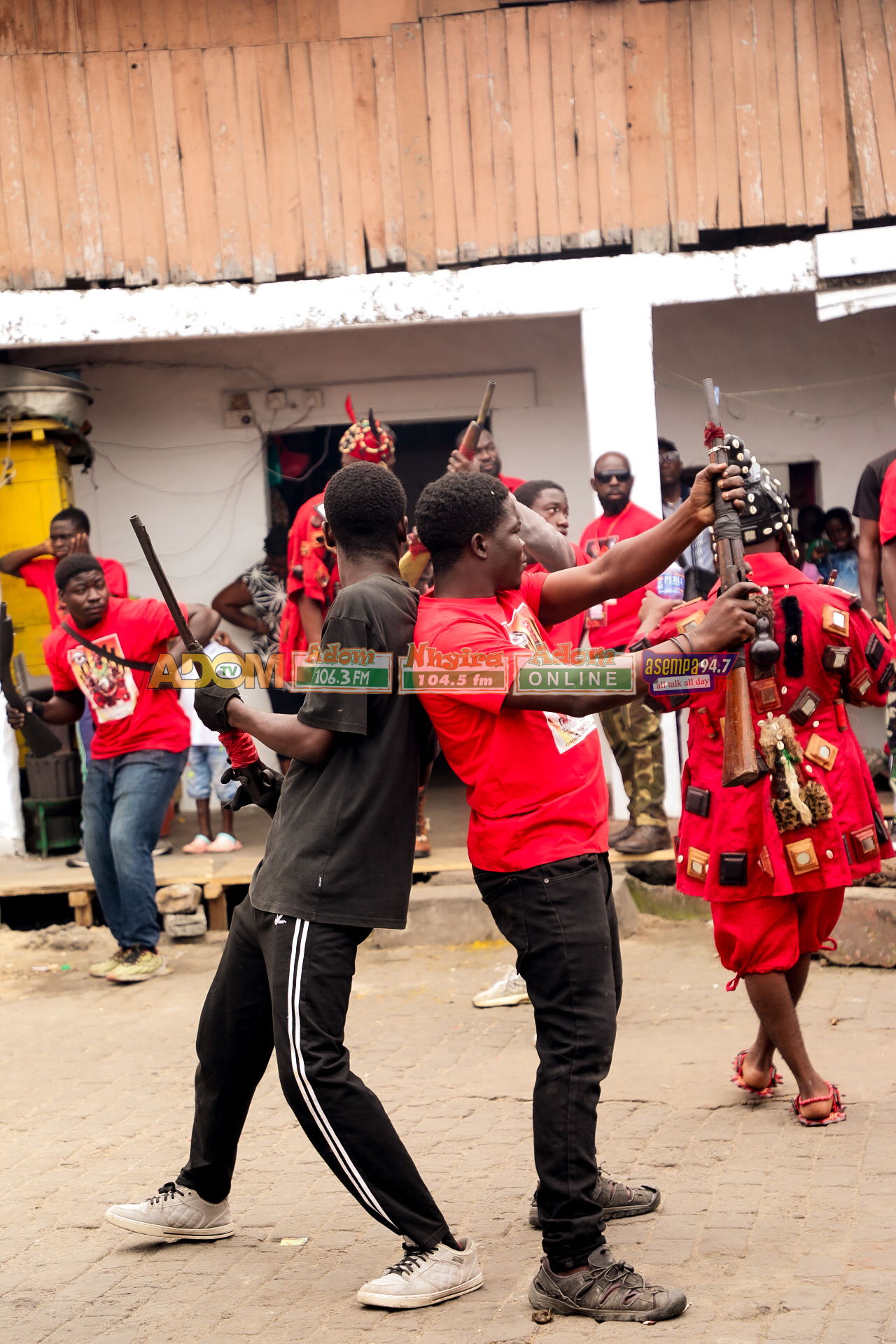
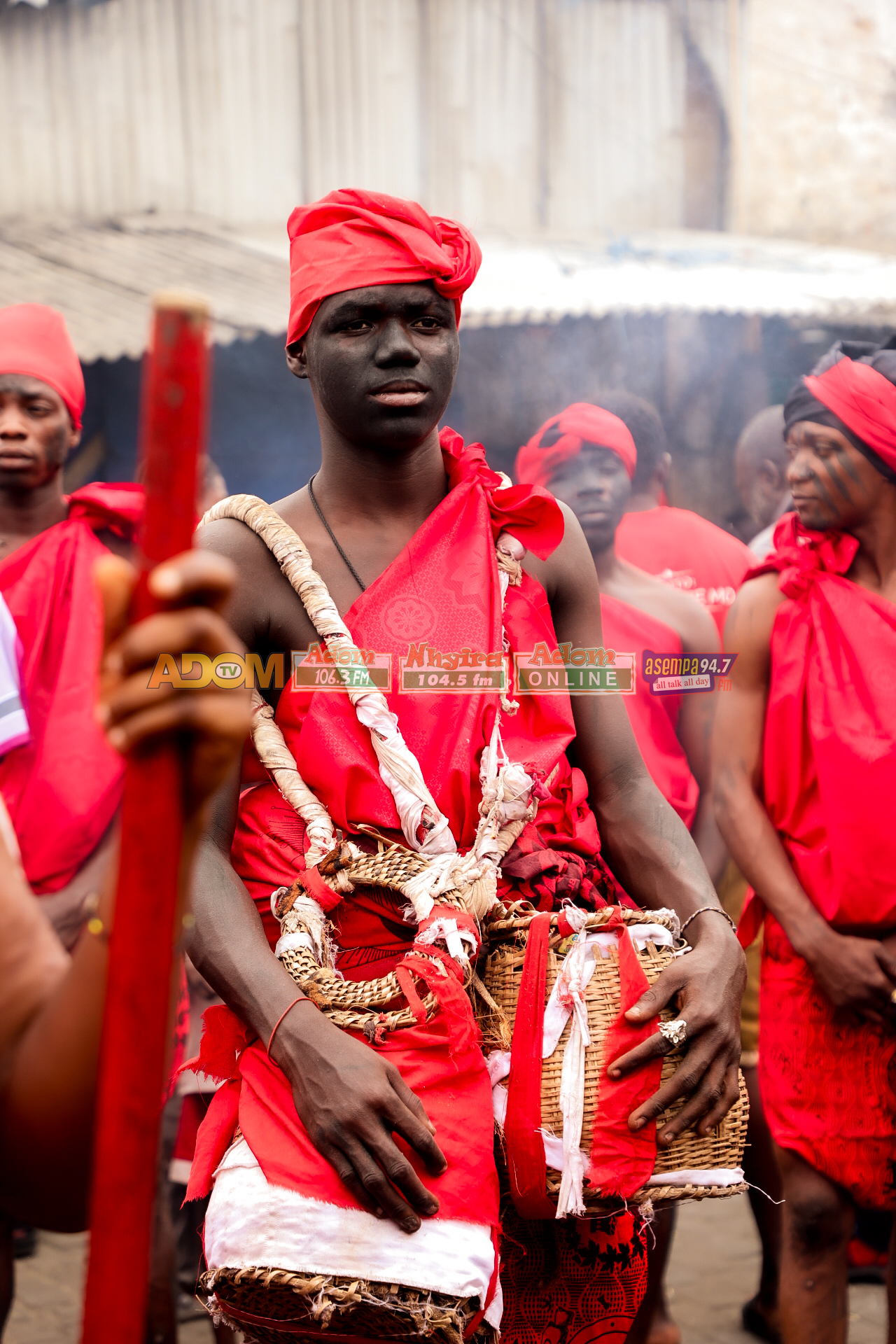
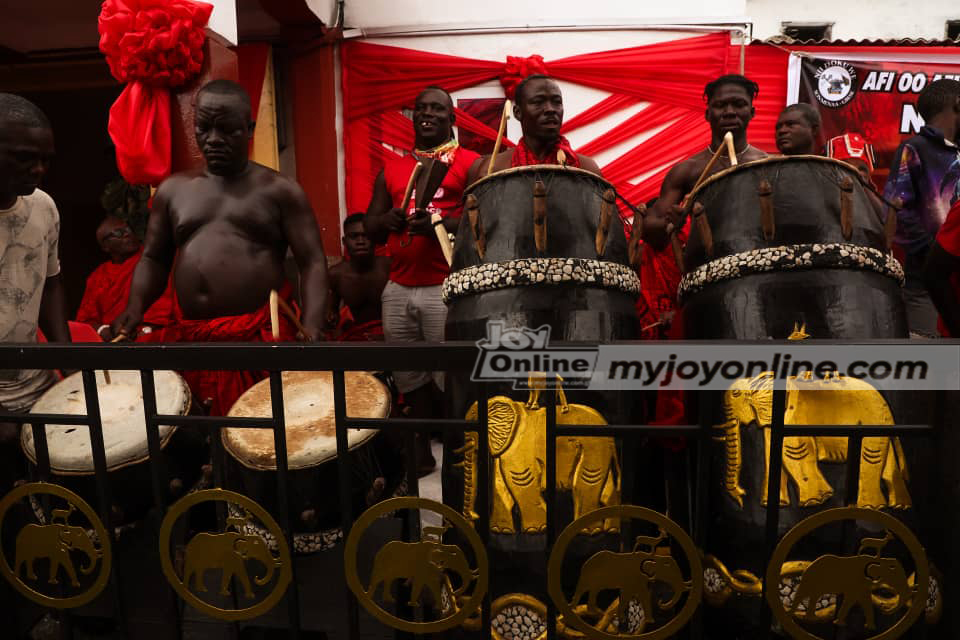
As part of the festivities, Ga Mantse King Tackie Teiko Tsuru II carried out the customary sprinkling of Kpokpoi across various Ga stool houses. The occasion was marked by spirited drumming, energetic dancing, and musket fire, all of which heightened the festive atmosphere.
The celebration attracted tourists and members of the diaspora, who joined locals in experiencing the vibrant display of Ga culture and tradition.
Richarlison hails Kudus as ‘Brazilian’ after dazzling Spurs debut
Featured
GraphicOnline
Sports News
2 minutes read
Richarlison heaped praise on new Tottenham Hotspur team-mate Mohammed Kudus after the Ghanaian midfielder provided two assists in a commanding 3-0 victory over Burnley in their Premier League opener under Thomas Frank.
Kudus, who joined Spurs from West Ham United this summer for a reported £54.5 million, set up both of Richarlison’s goals before Brennan Johnson sealed the win with a 66th-minute strike. The performance marked a perfect start to Frank’s domestic tenure following their spirited but unsuccessful showing in the UEFA Super Cup.
The Brazilian’s second goal stole the headlines, as he connected with Kudus’s delivery on the right with an audacious overhead kick that left Burnley debutant Martin Dubravka with no chance.
Speaking after the game, Richarlison was full of admiration for his new colleague. “I think this guy is a Brazilian,” he told the BBC. “I am so happy with this guy, next week this guy needs to score because he worked so hard for the team.”
Kudus, playing on the right of a front three alongside Richarlison and Johnson, was quick to downplay his contribution, insisting the finish had elevated the assist. “I think it was a brilliant finish. I do not think it was a perfect cross but he made it look so good. It is good to set up the strikers, I am here to serve them,” he said.
The Ghana international also reflected on his move to north London, highlighting his desire to play in a role that allows him to excite supporters. “Part of the main reason I wanted to come here was playing the position I want to play and be in the position where I can entertain the fans because I believe that is what the game is about. But most important is doing it at the right time, it is good we got the win and enjoyed part of the game as well,” Kudus added.
While Tottenham celebrated a bright start, Kudus’s former club West Ham endured a difficult afternoon, falling 3-0 to Sunderland at the Stadium of Light.
Security Consultant, Richard Kumadoe, has argued that the Ghana Armed Forces have the capacity to end the menace of illegal mining (galamsey), but political interference continues to cripple the fight.
Speaking on The Big Issue on Channel One TV on Saturday, August 16, 2025, Mr. Kumadoe said the military could resolve the challenge “in no time” if given a free hand, but politicians often issue contradictory instructions that weaken operations.
“We as law enforcement officers see politicians and civilians as people who want to play hide and seek. If you leave this operation in the hands of the military, they would have dealt with it in no time. However, you create a psychological problem for them when you ask them to go to the place, and you are the same person holding their hands,” he said.
He added that since the military is a government agency, it is obliged to act under civilian control, but this has led to situations where officers must obey directives “against their will and conscience.”
Mr. Kumadoe stressed that until political interests are removed from the fight against galamsey, the country will struggle to make meaningful progress despite having well-trained security agencies.
The Ga people have once again celebrated the annual Homowo Festival, a centuries-old tradition that commemorates the end of a historic famine that struck their ancestors in precolonial times.
The festival, which translates as “hooting at hunger,” has become a symbol of resilience, unity, and the enduring identity of the Ga State.
This year’s festivities began with the Gbese Mantse, Nii Ayi-Bonte II, performing the sacred sprinkling of Kpokpoi, a traditional cornmeal dish, along the streets from Usher Fort through Ga Mashie.
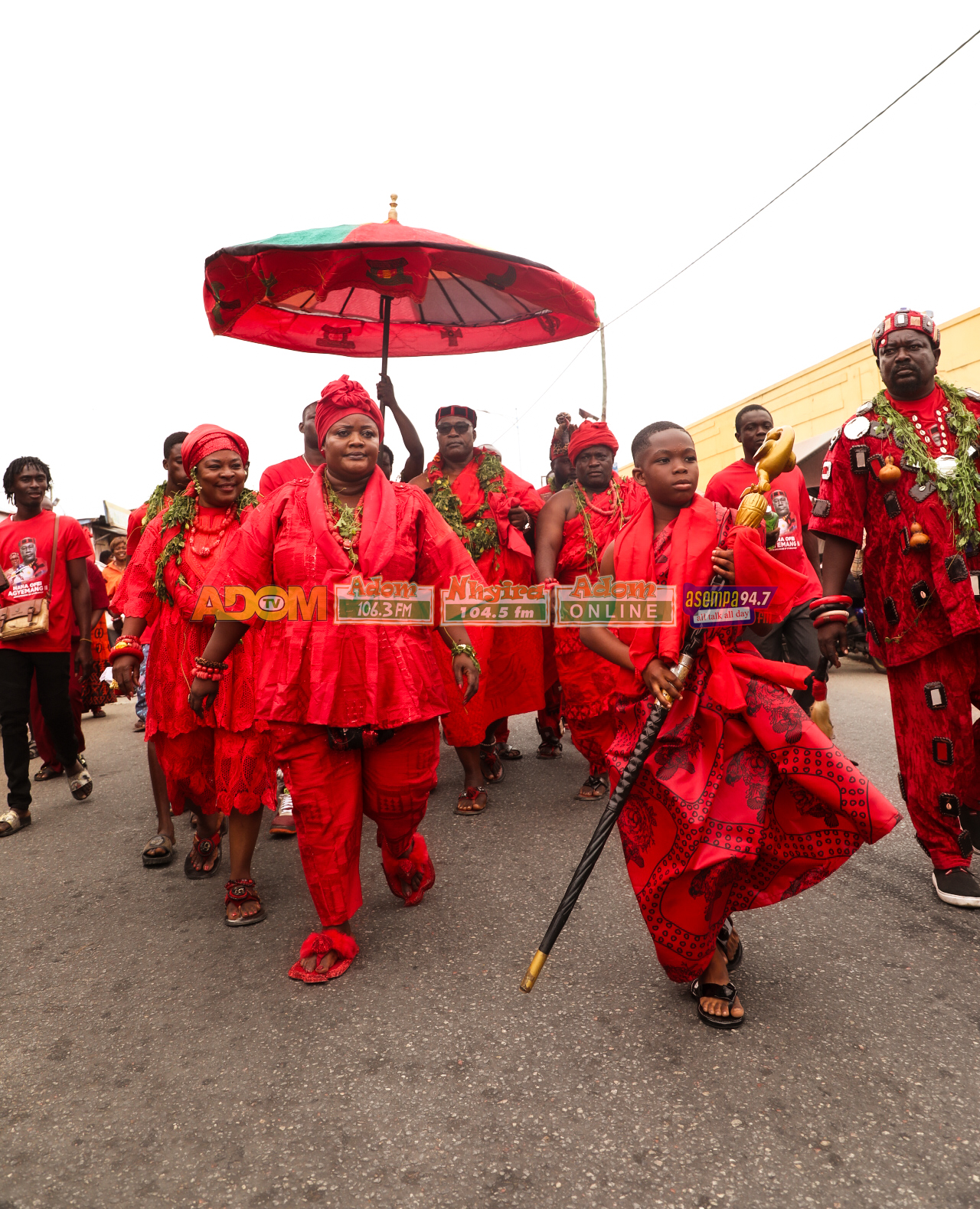
The Ga Mantse, King Tackie Teiko Tsuru II, also carried out the ritual sprinkling across several Ga stool houses.
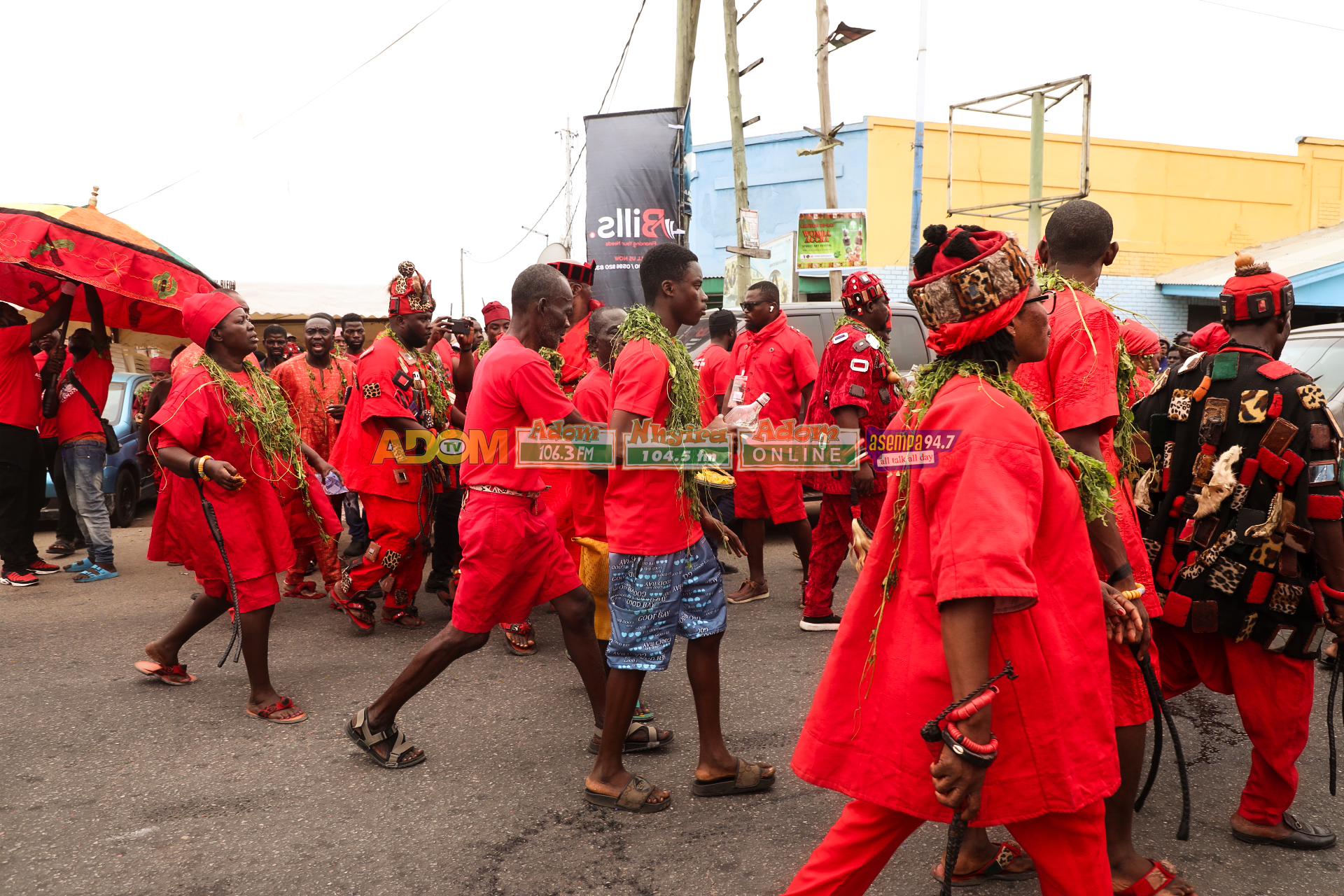
The celebrations were filled with vibrant drumming, spirited dancing, and musketry firing, creating a lively atmosphere that showcased the richness of Ga culture.
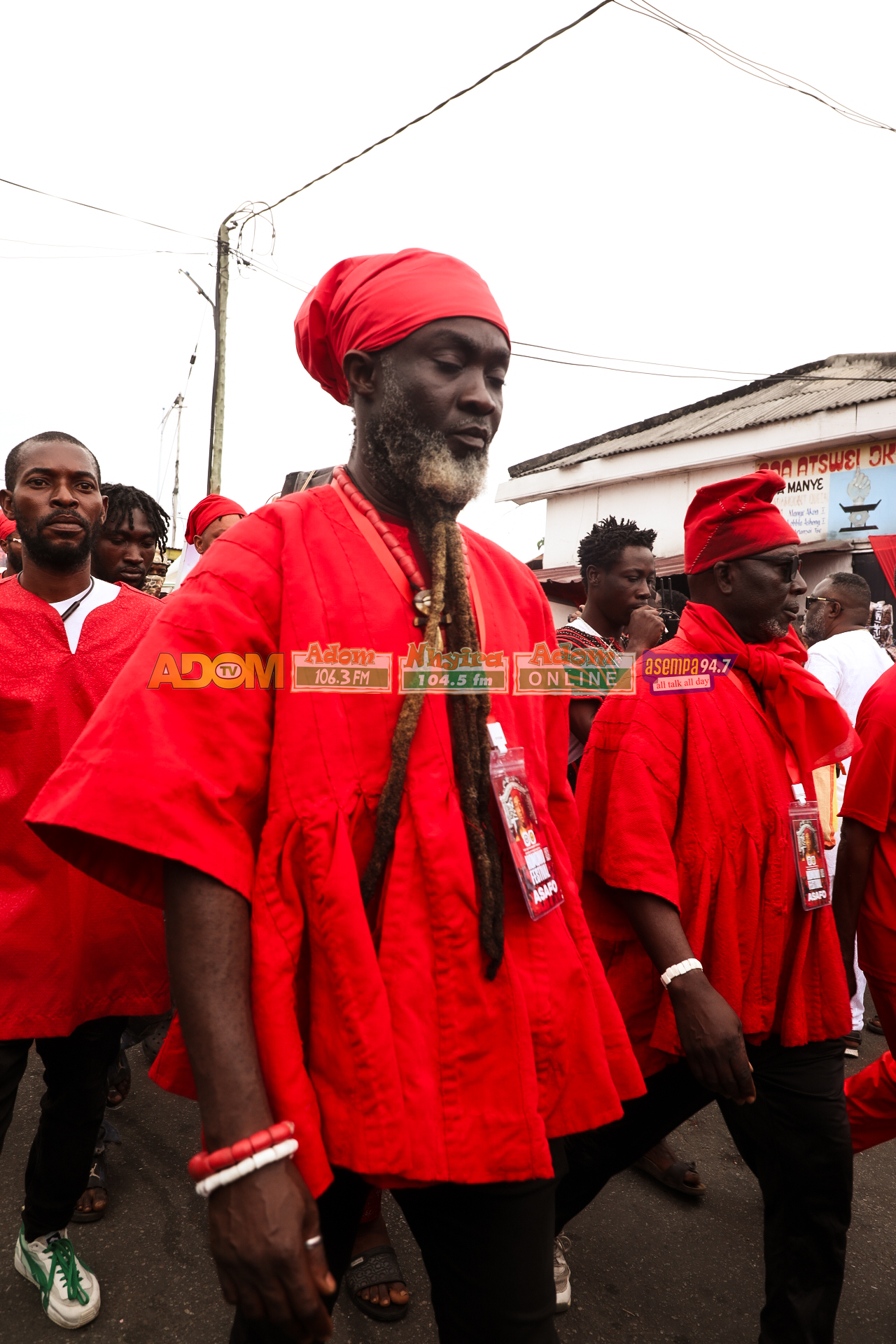
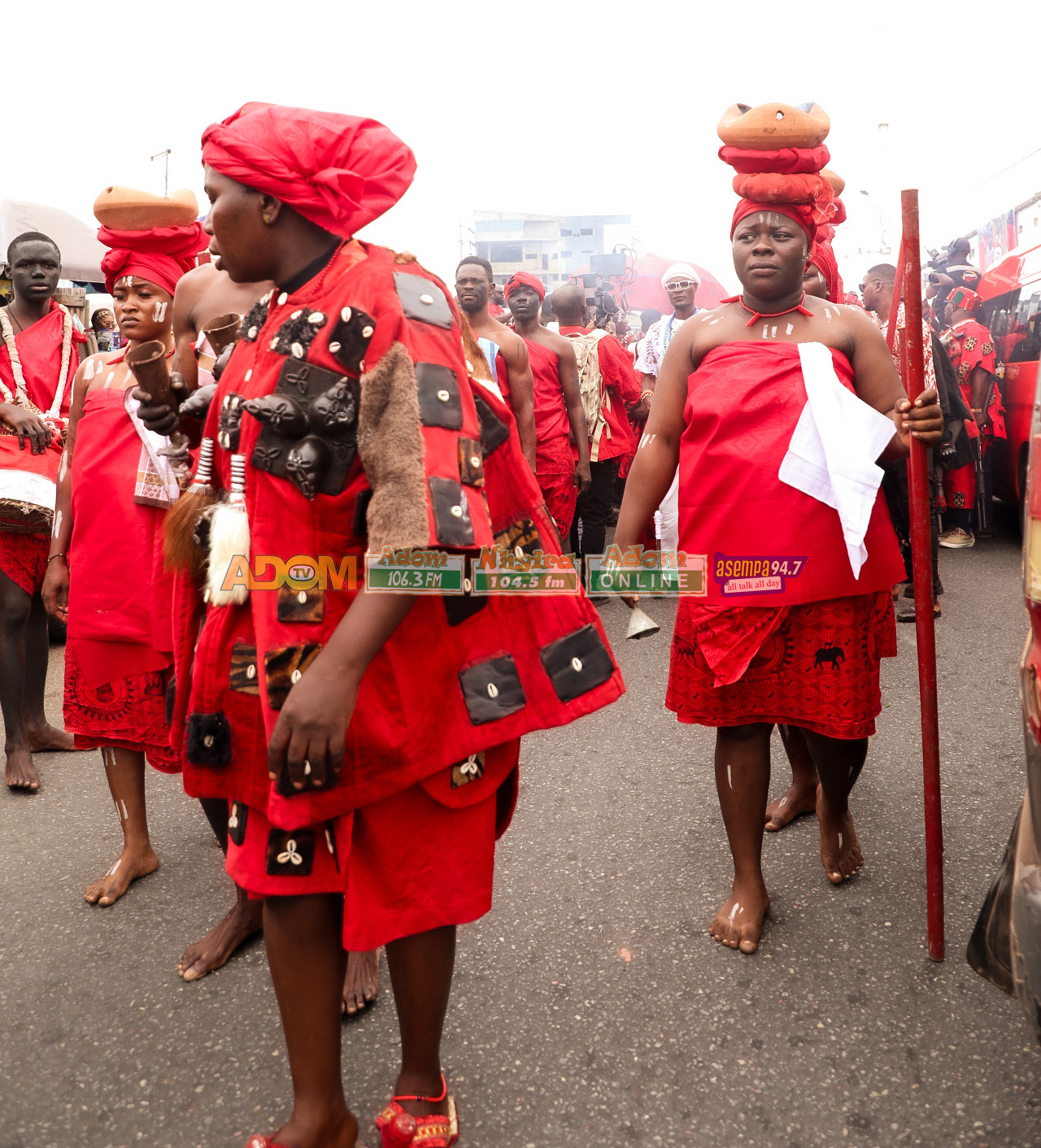
Beyond the Ga communities, the occasion drew tourists and members of the diaspora, who joined indigenes in experiencing the colourful pageantry and deep cultural significance of Homowo.
DISCLAIMER: The Views, Comments, Opinions, Contributions and Statements made by Readers and Contributors on this platform do not necessarily represent the views or policy of Multimedia Group Limited.
DISCLAIMER: The Views, Comments, Opinions, Contributions and Statements made by Readers and Contributors on this platform do not necessarily represent the views or policy of Multimedia Group Limited.
Ghana’s Ministry of Communication, Digital Technology and Innovations is set to launch its Girls-In-ICT Programme in the Upper West Region.
Key stakeholders will gather for an inception meeting in Wa this Monday, August 18th, to finalise rollout plans.
The session brings together the Ghana Investment Fund for Electronic Communications (GIFEC), the Ghana-India Kofi Annan Centre of Excellence in ICT (GI-KACE), and the Upper West Regional Coordinating Council. They’ll hammer out strategies, timelines, and logistics essential for the initiative’s success across the region.
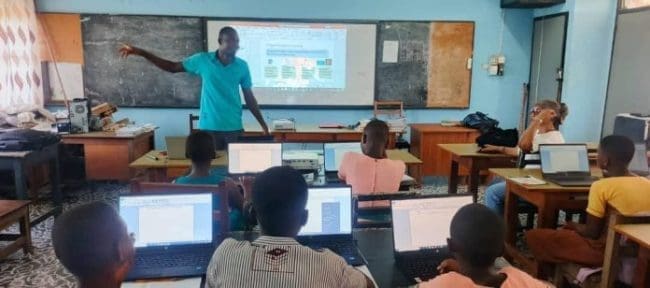
This flagship programme aims to equip schoolgirls with practical digital skills, inspire ICT careers, and narrow the persistent gender gap in technology. Over recent years, it has already trained thousands nationwide, building both technical knowledge and the confidence to help shape Ghana’s digital economy.
Extending the initiative to Upper West reflects the government’s push for greater inclusivity. It specifically targets young girls in underserved communities, ensuring they aren’t left behind in the country’s accelerating digital transformation. Can this expansion ignite a new wave of tech talent in Ghana’s northern regions? Officials are betting on it.
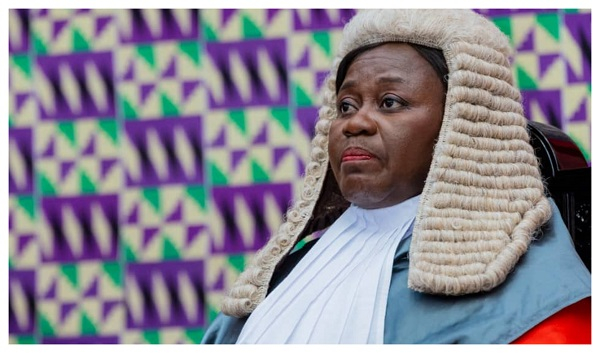
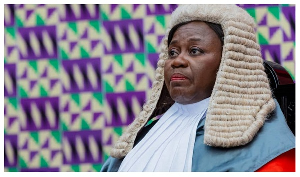
Social media users have disagreed with the calls by the Commonwealth Lawyers Association and the Bar Council of England and Wales for President John Dramani Mahama to rescind his suspension of the Chief Justice of Ghana, Gertrude Araba Sackey Torkornoo.
According to those who have reacted to the call, Ghana is a sovereign state and cannot be “ordered” to act by external actors.
Government ‘schools’ UK Bar Council, Commonwealth lawyers on Ghana laws over demand for Torkornoo’s reinstatement
In a joint statement issued on August 14, 2025, the lawyers, while noting some issues surrounding the ongoing removal proceedings against the Chief Justice, made key demands, including a fair and transparent process in the ongoing impeachment proceedings.
“Immediately and without delay, reinstate the Chief Justice of Ghana to her Office, consistent with both the hitherto strong attachment to the rule of law demonstrated by Ghana and also the constitutional duties incumbent upon them; and
“Afford the Chief Justice due and fair process in the investigation and determination of the disciplinary matters brought against her, including (but not limited to) full and transparent access to that process by her legal representatives,” the statement said.
But many online users have been reacting to this statement.
A user on X, Linda Awuni, wrote, “Ghana is not a colony. Our constitution allows suspension pending investigation to protect the integrity of our judiciary. External pressure for reinstatement before the process ends is a disrespect to our sovereignty. The Law is THE LAW. Let the law work!”
Background
On April 22, 2025, President John Dramani Mahama suspended Chief Justice Gertrude Torkornoo from office following the establishment of a prima facie case based on three undisclosed petitions alleging misconduct and incompetence.
Under Article 146(6) of Ghana’s 1992 Constitution, the president, after consulting the Council of State, may suspend a Supreme Court justice if a prima facie case is established and appoint a committee to investigate.
This led President Mahama to constitute a five-member inquiry panel, chaired by Justice Gabriel Scott Pwamang, with other members: Justice Samuel Adibu-Asiedu, former Auditor-General Daniel Yaw Domelevo, Major Flora Bazaanura Dalugo, and Professor James Sefah-Dzisah.
Justice Paul Baffoe-Bonnie, the most senior Supreme Court judge, was appointed Acting Chief Justice during the investigation process.
Since then, Chief Justice Torkornoo has publicly defended herself, characterising the suspension and removal proceedings as “arbitrary,” “cruel,” and unconstitutional.
She has further refused to resign, emphasising that doing so would amount to submitting to a flawed process and forfeiting her right to defend herself.
See more of such comments below:
‘Immediately reinstate Chief Justice’ – UK Bar Council, Commonwealth Lawyers ‘orders’ Mahama
Another user wrote, “The Bar Council of England? Lmao…The same country that depends on America for relevance now has the gall to dictate to others? The arrogance is unbelievable! If Mahama lets himself be swayed by this trap, his political obituary will be written long before 2028.”
Ghana is not a colony 🇬🇭
Our constitution allows suspension pending investigation to protect the integrity of our judiciary. External pressure for reinstatement before the process ends is disrespect to our sovereignty.
The Law is THE LAW. Let the law work!#GhanaFirst https://t.co/5wJU1a3NrQ
The bar council of England? Lmao…The same country that depends on America for relevance now has the gall to dictate to others? The arrogance is unbelievable!
If Mahama lets himself be swayed by this trap, his political obituary will be written long before 2028. https://t.co/ai0NJ3e7DZ
These moves are outdated madam CJ I know you or someone from your team is reading this, you might be scared to tell her this so just send her a screenshot. https://t.co/bKBjpltgfC
Remove the word “serious” from your statement, they’re the least we care about. No country, I repeat, no country, and certainly not some mere lawyers’ association, has the right to tell Ghana what to do with criminals. I’ll warn them via email: if they trespass, I promise to sue…
How can you COMMAND A SOVEREIGN COUNTRY like that , which Law Gives A Command like that and What Authority do you have over Ghana ?#THE LAW IS THE LAW AND IT IS IN THE LAW 1992 Constitution Of Ghana🔥🔥🔥😎😎😎🇬🇭🇬🇭🇬🇭
This is what a number of individuals and organisations in Ghana told President Mahama and his NDC but they’ve already vowed to remove CJ Gertrude Torkornoo. Even they will rubbish these calls and defend that Ghana is a sovereign nation. Mind them, such obstinacy could backfire.
The constitution of the republic grants the president the power to suspend the chief justice. Just like a convict, the president has the power of pardon. He cannot be forced on that with threats. The only way for the suspended CJ is the committee clearing her.
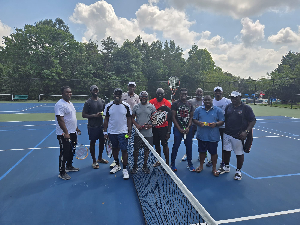
play videoA photo of Ghanaians in Bristow at the tennis court
Sports, they say, is a potent tool for strengthening community ties, and Ghanaians in Bristow, Virginia, are taking full advantage of it.
While sports is an excellent source of entertainment, especially community games, it is also a good place for busy and family men to spend some time and catch up with their buddies for a few hours.
Bristow came alive on Saturday, August 16, 2025, as Ghanaians in the community gathered for a lively day of tennis aimed at promoting togetherness.
In a video sighted by GhanaWeb, a group of men in their 40s and 50s urged others to join them for weekly tennis exercises and bonding.
As this tradition continues, we invite Ghanaians everywhere—both in Ghana and abroad—to share their own stories of how they stay connected with their buddies.
The African Union has backed a campaign to end the use by governments and international organisations of the 16th-century Mercator map of the world in favour of one that more accurately displays Africa’s size.
Created by cartographer Gerardus Mercator for navigation, the projection distorts continent sizes, enlarging areas near the poles like North America and Greenland while shrinking Africa and South America.
“It might seem to be just a map, but in reality, it is not,” AU Commission deputy chairperson Selma Malika Haddadi told Reuters, saying the Mercator fostered a false impression that Africa was “marginal”, despite being the world’s second-largest continent by area, with over a billion people. The AU has 55 member states.
Such stereotypes influence media, education and policy, she said.
Criticism of the Mercator map is not new, but the ‘Correct the Map’ campaign led by advocacy groups Africa No Filter and Speak Up Africa has revived the debate, urging organisations to adopt the 2018 Equal Earth projection, which tries to reflect countries’ true sizes.
“The current size of the map of Africa is wrong,” Moky Makura, executive director of Africa No Filter, said. “It’s the world’s longest misinformation and disinformation campaign, and it just simply has to stop.”
Fara Ndiaye, co-founder of Speak Up Africa, said the Mercator affected Africans’ identity and pride, especially children who might encounter it early in school.
“We’re actively working on promoting a curriculum where the Equal Earth projection will be the main standard across all (African) classrooms,” Ndiaye said, adding she hoped it would also be the one used by global institutions, including Africa-based ones.
Haddadi said the AU endorsed the campaign, adding it aligned with its goal of “reclaiming Africa’s rightful place on the global stage” amid growing calls for reparations for colonialism and slavery.
The AU will advocate for wider map adoption and discuss collective actions with member states, Haddadi added.
The Mercator projection is still widely used, including by schools and tech companies. Google Maps switched from Mercator on desktop to a 3D globe view in 2018, though users can still switch back to the Mercator if they prefer.
On the mobile app, however, the Mercator projection remains the default.
‘Correct The Map’ wants organisations like the World Bank and the United Nations to adopt the Equal Earth map. A World Bank spokesperson said they already use the Winkel-Tripel or Equal Earth for static maps and are phasing out Mercator on web maps.
The campaign said it has sent a request to the UN geospatial body, UN-GGIM. A UN spokesperson said that once received it must be reviewed and approved by a committee of experts.
Other regions are backing the AU’s efforts. Dorbrene O’Marde, Vice Chair of the Caribbean Community (CARICOM) Reparations Commission, endorsed Equal Earth as a rejection of Mercator map’s “ideology of power and dominance”.
Women who choose to wear native attire are doing far more than dressing up—they are embracing identity, heritage, and artistry. Every traditional garment tells a story, reflecting values, ancestry, and creativity passed down through generations. With their rich patterns, vibrant colors, and delicate craftsmanship, these outfits stand as living symbols of pride and continuity. Beyond fashion, wearing native clothing sustains cultural practices, uplifts local artisans, and promotes eco-friendly fashion through durable, handmade designs instead of fleeting, mass-produced trends.
The versatility of native attire makes it suitable for countless occasions. At weddings, for example, women often dazzle in brightly colored Ankara gowns, lace dresses with fine embroidery, or richly woven wrappers that capture both elegance and cultural depth. These garments don’t just beautify the wearer—they set the tone for celebration and tradition. Men complement the occasion in majestic agbadas, smart dashikis, or other regal outfits that showcase masculinity and cultural pride. During festivals and community events, the bold prints and dramatic designs of native wears capture the joyful spirit, turning everyday fashion into a living performance of heritage.
Even in casual settings, traditional clothing adapts with ease. A kaftan dress or boubou, flowing and comfortable, is perfect for brunch, a weekend market visit, or time spent with friends. The effortless blend of comfort and sophistication makes these pieces practical without losing their stylish edge.
No native outfit feels complete without accessories. Beaded jewelry, cowrie shell ornaments, or handcrafted bangles add authenticity and elevate the overall look. These accessories not only enhance beauty but also strengthen the cultural message the outfit conveys.
Incorporating native wear into a modern wardrobe is more than style—it’s a statement of belonging. It allows women to honor their roots, celebrate individuality, and keep traditions alive while remaining fashionable in any setting.
Adongo Naftali Atinga, a student of Abe Halperin School in Tamale, Northern Region, has emerged the winner of the 2025 edition of the Literacy Challenge.
Adongo clinched the ultimate prize after excelling in four rounds of intense tests during the grand finale of the competition, held on Saturday, August 16, at the Alisa Hotel in Accra.
For his outstanding performance, he received a cash prize of GH¢10,000, a glittering trophy, and the bragging rights as the best Junior High School student in Ghana.
The first runner-up position went to Ama Asantewa Atta-Duncan of Bishop Bowers School, who took home GH¢3,000 and a package of gifts from sponsors.
Edudzi Kofi Yeboah of Covenant Presby School placed third, winning GH¢2,000 and additional sponsor rewards.
On winning the trophy, Master Atinga expressed appreciation to his twin brother and also to his school for the assistance.
The Literacy Challenge, organised annually by Citi FM and Channel One TV, seeks to nurture reading, writing, and critical thinking skills among Junior High School students across the country.
NPP grants amnesty to suspended members, those being probed for indiscipline
Sat 16th Aug, 2025 19:41
The New Patriotic Party has granted amnesty to all its members who were suspended as well as those whose disciplinary cases are pending. This is contained in a press release dated August 16, 2025 and signed by the Acting National Chairman, Mr Danquah Smith Buttey.
Music fans and industry folks are buzzing about Atlantic City, New Jersey, because the super exciting Ghana Music Awards USA (GMA USA) 2025 is coming up! This event has totally become a go-to for celebrating Ghanaian music talent on a global level, and it promises to be a night full of awesome performances, fabulous red carpet moments, and some much-deserved love for the artists who’ve been killing it this past year.
The GMA USA is known for being an awesome spot for both established Ghanaian artists and those killing it abroad. This year’s show at ACX1 Studios in Atlantic City, New Jersey, is gonna be just as exciting, featuring a bunch of different talents and celebrating all the cool stuff in Ghana’s music scene.
The top artists set to hit the stage are some real superstars – think Kofi Kinaata, Wutah Kobby, Jamin Beatz, Htsongz, and Jay Hover! The nominations dropped earlier this year, showcasing the biggest names in Ghanaian music. This year’s celebration is gonna be lit with one of Ghana’s best stand-up comedians, OB Amponsah, joining the fun!
Among the Ghana-based artists, the competition is on fire! In the “Artiste of the Year” category, you’ve got big names like King Promise, Stonebwoy, and Joe Mettle going head-to-head, along with some fresh talents like Kweku Smoke, King Paluta, and the awesome gospel group Team Eternity Ghana. With such an epic lineup, you can bet the performances are going to be mind-blowing. King Promise, with his smooth vocals and magnetic stage vibe, is sure to attract a crowd, while Stonebwoy’s high-energy showmanship is bound to light up the venue!
The awards really put the spotlight on Ghanaian artists living abroad. The “Best Diaspora Artist of the Year” category has some amazing talents like Benji, Danny Lampo, and Jay Baba, showing just how far Ghanaian music has spread around the globe. Plus, categories like “Best Diaspora Afrobeat Artist” and “Best Diaspora Gospel Artist” highlight the awesome music scenes that are thriving outside of Ghana.
The Ghana Music Awards USA isn’t just an awards show; it’s a big party celebrating our culture and a cool spot to meet new people. It’s all about Ghanaian artists hanging out with their fans and each other in the States, teaming up for fresh collaborations and making their mark worldwide. Social media is buzzing like crazy, with fans hyped to find out who’s gonna snag those shiny trophies later!
As the red carpet gets rolled out at 5pm and the stars start showing up, you can feel the excitement in the air! With everything from moving gospel tunes to the infectious beats of Afrobeats, the GMA USA 2025 is shaping up to be an epic event celebrating all the amazing talent taking Ghanaian music to another level.
Premiere online Mag for daily coverage of Latest Ghanaian music videos, news, reviews, biographies, interviews, photos & more! Download/stream new songs.
Renowned statesman and New Patriotic Party (NPP) elder, Kwame Pianim, has stated a number of reasons for which he believes President John Dramani Mahama is currently the only leader capable of setting the country on the right path.
Detailing these points while explaining a point during an interview, Pianim stated that President Mahama is the most experienced individual when it comes to identifying the country’s problems and addressing them, drawing from his extensive public service journey, from assemblyman to the highest office of the land.
‘You can’t tell us what to do’ – Online reactions as UK lawyers ‘order’ Mahama to reinstate CJ
“The president has the historic opportunity to set this country right. He is the only person who can set this country right. I say it and people misinterpret me. He has been a district assemblyman, an MP, a deputy minister, a minister, a vice president, been a president and he’s come back as a president. He knows all the tricks of Ghanaians. He knows all the problems,” he said in an interview with TV3’s Beatrice Adu.
Pianim further intimated that with the president’s rich expertise, he can lead the country toward the path citizens are yearning for and set an exemplary leadership style that would impact future generations.
He added that the president could also help reform the nature of politics in Ghana — particularly its monetisation.
“He is the only person who doesn’t need me or the voters for an election. He doesn’t need his political party. He’s not going to run again because he has only one term. He is the only Ghanaian out of the 35 million of us who can set the agenda so that the country takes another path. A path that will give hope and trust to the young people who are coming, makes people loyal and stop people going into politics, because they just want to get rich,” he said.
What late Flying Officer Ampadu’s wife’s military coded message really means
He added, “He is the only person. Nobody else who comes in has just four years, can run again and therefore you need your political party. You need the voters. He doesn’t need the voters again; he doesn’t need the political party. He is the only one who has this unique historical opportunity to set the agenda for Ghana.”
MAG/AE
Meanwhile, watch the trailer to GhanaWeb’s upcoming documentary on teenage girls and how fish is stealing their futures below:
Paa Kwesi Schandorf is Media Relations Officer at the Ministry of Lands and Natural Resources
The Media Relations Officer at the Ministry of Lands and Natural Resources, Paa Kwesi Schandorf, has hinted at a possible repeal of LI 2462 as part of government’s renewed fight against illegal mining.
According to him, there has been a ‘crunch Cabinet meeting’ on the controversial Legislative Instrument which many critics say should be completely abolished.
Speaking on NewsFile on Saturday, August 16, he said, “I could say authoritatively now here is that there’s a renewed conversation on L1 2462, and in the not too distant future, there would be an appropriate communication in that particular respect where the repeal is concerned.
“That conversation has been had, indeed there was a crunch Cabinet meeting that exhausted that possibility and so the final outcome will be communicated very soon.”
The comments by Paa Kwesi Schandorf comes in the wake of the mounting pressure on the government to take stronger steps in the fight against galamsey, following the tragic helicopter crash that claimed eight lives near Obuasi on August 6.
The casualties, including two Cabinet ministers, have since been given state burials amidst nationwide grief.
Galamsey: ‘Akufo-Addo was in power for 8 years and what did we do?’ – Pianim blasts Mahama critics
Following the incident, there have been renewed calls for the government to be tougher in dealing with what many experts have described as ‘environmental terrorism.’
Some critics have also slammed the president for failing to take advantage of the opportunity to declare an immediate state of emergency, but in recent media interviews, the spokesperson at the Lands Ministry, Paa Kwesi Schandorf, has been reiterating that the government remains committed to making galamsey ‘a thing of the past.’
Meanwhile, the Minister of Foreign Affairs, Samuel Okudzeto Ablakawa, has stressed that the government will now embark on a ruthless fight across the country.
“I can confirm to you that you’re going to see a fight that has never been witnessed in this country. President Mahama is going to lead a very ruthless and relentless campaign against galamsey. He has not minced words at all. We had a brief cabinet meeting earlier today and the President was very clear.
“There was no ambiguity that he will be leading a war that we have never seen to deal with this canker; this existential threat, once and for all,” he said on Thursday, August 14.
Meanwhile, watch the trailer to GhanaWeb’s upcoming documentary on teenage girls and how fish is stealing their futures below:
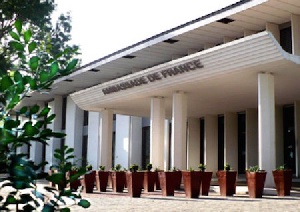
A French man arrested in Mali is a member of the French embassy in the capital Bamako
A French man arrested in Mali is a member of the French embassy in the capital Bamako and accusations against him are “unfounded”, the French foreign office said in a statement to Reuters on Saturday.
The embassy worker, named as Yann Vezilier by the Malian government in a statement on Thursday, was arrested in recent weeks alongside two generals and other military personnel and accused of participating in an alleged plot to destabilise the West African nation.
“Dialogue is underway to clear up any misunderstanding,” the ministry statement said. It added that his arrest was in violation of the Vienna Convention on Diplomatic Relations.
France’s once close relationship with its former colonies in West Africa’s Sahel region has soured in recent years since a series of military coups overthrew governments in Mali, Burkina Faso and Niger.
Senator garments have become one of the most celebrated fashion choices for men who appreciate a balance between cultural heritage and contemporary style. Known for their clean cuts, stylish embroidery, and regal appeal, these outfits continue to dominate the African fashion scene, making them a wardrobe essential for today’s modern gentleman.
What makes Senator attire truly stand out is the attention to detail. Intricate embroidery on the collar, chest, or cuffs transforms a simple outfit into a sophisticated piece of art. These embellishments, whether subtle or bold, elevate the entire look, giving men a confident and refined appearance.
Inspired by the traditional agbada, some Senator designs borrow elements like the flowing structure or decorative bodice but are tailored into more practical, modern silhouettes. This fusion preserves cultural authenticity while ensuring ease of wear for different occasions.
Solid-colored Senator outfits remain a timeless favorite. Their monochromatic appeal creates an aura of elegance and understated grandeur, making them suitable for weddings, formal gatherings, church, or even casual events. For men who prefer a little edge, designers often introduce contrasting stitches or colored piping that add vibrance without overshadowing the simplicity of the outfit.
Prints have also found their way into modern Senator fashion. From geometric motifs to subtle patterned fabrics, these designs provide a bold twist for men who want to stand out while staying rooted in tradition. Similarly, slim-fit tailoring, stylish cuts, and contemporary detailing give today’s Senator outfits a trendy, fashion-forward feel.
Senator garments are more than just clothing—they are an expression of individuality, creativity, and pride in cultural heritage. Whether embroidered, printed, monochrome, or agbada-inspired, these outfits offer men endless ways to showcase sophistication while making a unique style statement.
GB Assessment has declared its pride in supporting the 2025 edition of The Literacy Challenge, reaffirming its commitment to education and literacy development across Ghana.
The announcement came during the grand finale of the competition, held on Saturday, August 16, at the Alisa Hotel in Accra, where 10 finalists from across the country are battling for the coveted title and a GH¢10,000 cash prize.
Speaking at the event, Linda Adwoa Koomson, Communication Lead at GB Assessment, emphasized the alignment between the company’s mission and the core objectives of the Literacy Challenge.
“The Literacy Challenge seeks to help students gain more knowledge and take pride in what they do academically; that is exactly what GB Assessment stands for.
“We work with over 3,000 schools across the country, and for the first time, this year’s challenge saw student entries from all 16 regions. We are proud to be part of such a meaningful initiative that empowers students,” she said.
Organised by Citi FM and Channel One TV, the 2025 Literacy Challenge attracted hundreds of entries from Junior High School students nationwide. The competition aims to promote strong reading, writing, and critical thinking skills.
This year’s challenge began on July 10 with an essay task that asked students to explore the effects of climate change on agriculture in Ghana and propose practical solutions to the challenges it poses for individuals, families, and communities.
After a rigorous selection process, 10 outstanding students advanced to the final stage, where they competed in a quiz designed to test their knowledge, reasoning, and articulation.
As a key sponsor, GB Assessment believes its involvement is more than corporate social responsibility; it is a reflection of its vision to elevate education quality nationwide. Ms. Koomson noted that through strategic partnerships, GB Assessment continues to play a critical role in improving literacy outcomes in Ghanaian schools.
Other sponsors of the 2025 Literacy Challenge include BEL MOOO.
The National Sports Authority (NSA), backed firmly by the Ministry for Sports and Recreation, is set on implementing sweeping reforms in Ghanaian boxing, starting with the establishment of a Normalisation Committee to take over from the Ghana Boxing Authority (GBA) board when its extended mandate expires on August 19.
Few will argue against the need for reform. The tragic death of Nigerian boxer Gabriel Oluwanreju during a bout in March has thrown the sport’s safety and governance into sharp focus. The Ministerial Commission of Enquiry’s recommendations demand attention and action.
However, how these changes are pursued will determine whether they strengthen or fracture Ghanaian boxing.
The NSA, it must be stressed, is not the governing body for boxing. Its statutory role is oversight, not direct administration. Imposing a leadership change by appointing a Normalisation Committee risks overstepping that boundary, undermining the very structures reforms are supposed to protect.
Last Friday’s meeting between the GBA board, NSA Director-General Yaw Ampofo Ankrah, and ministry representatives ended in deadlock.
The GBA had requested a further three-month extension to finish ongoing work.
Instead, the NSA introduced three consultants, unveiling a five-year development plan to be driven by a Normalisation Committee.
The proposals are ambitious – building regional training centres, staging regular championships, and reshaping the sport’s culture – yet the decision to sideline the GBA’s elected leadership has sparked resistance.
History offers a warning. In 2018, Ghanaian football was placed under a FIFA-backed Normalisation Committee after the dissolution of the Ghana Football Association.
That intervention was meant to reset governance, draft new statutes, and organise fresh elections.
While the committee completed its mandate, football continues to grapple with unintended consequences, including persistent structural and administrative challenges.
The lesson is clear: well-meaning reforms, if imposed without deep stakeholder involvement, can create as many problems as they solve.
A Normalisation Committee suspends democratic processes, replacing elected leaders with appointed managers.
Such a move should only follow a clear and demonstrable governance breakdown – not be the default option in times of disagreement.
The GBA’s stance is that while it supports reform in principle, it is fully capable of delivering change without being dissolved.
That position deserves genuine engagement, not dismissal.
Ghanaian boxing is one of our proudest sporting traditions. It has produced world champions, inspired communities, and brought global recognition to our nation.
The goal should be to preserve its credibility while improving safety, governance, and inclusivity. That requires reforms anchored in dialogue, cooperation, and respect for existing institutions.
The NSA and the ministry must resist the temptation to rush through reforms at the cost of stakeholder trust.
The path forward should be collaborative, not confrontational. If the process feels like a takeover rather than a partnership, the reforms risk being undermined before they even begin.
For boxing’s sake, caution must be the watchword. We cannot afford to repeat football’s mistakes.
The Media Relations Officer at the Ministry of Lands and Natural Resources, Paa Kwesi Schandorf, has hinted at a possible repeal of LI 2462 as part of the government’s renewed efforts to combat illegal mining.
According to him, there has been a ‘crunch Cabinet meeting’ on the controversial legislative instrument, which many critics say should be completely abolished.
Speaking on Newsfile on Saturday, August 16, he said, “I could say authoritatively now that there’s a renewed conversation on L1 2462, and in the not too distant future, there would be an appropriate communication in that particular respect where the repeal is concerned.
“That conversation has been had, indeed, there was a crunch Cabinet meeting that exhausted that possibility, and so the outcome will be communicated very soon”.
The comments by Paa Kwesi Schandorf come in the wake of the mounting pressure on the government to take stronger steps in the fight against galamsey, following the tragic helicopter crash that claimed eight lives near Obuasi on August 6.
The casualties, including two cabinet ministers, have since been given state burials amidst nationwide grief.
Following the incident, there have been renewed calls for the government to be tougher in dealing with what many experts have described as ‘environmental terrorism’.
Some critics have also slammed the President for failing to take advantage of the opportunity to declare an immediate state of emergency, but in recent media interviews, the spokesperson at the Lands Ministry, Paa Kwesi Schandorf, has been reiterating that the government remains committed to making galamsey ‘a thing of the past’.
Meanwhile, Minister for Foreign Affairs, Samuel Okudzeto Ablakwa, has stressed that the government will now embark on a ruthless fight across the country.
“I can confirm to you that you’re going to see a fight that has never been witnessed in this country.
President Mahama is going to lead a very ruthless and relentless campaign against galamsey. He has not minced words at all. We had a brief cabinet meeting earlier today, and the President was very clear.
There was no ambiguity that he will be leading a war that we have never seen to deal with this canker; this existential threat once and for all”, he said on Thursday, August 14.
War against galamsey not structured — Security Consultant
The New Patriotic Party (NPP) has announced a general amnesty for all members who have been suspended or are facing disciplinary proceedings, as part of efforts to foster unity and reconciliation within the party.
In a directive signed by the Acting National Chairman, Danquah Smith Buttey, the party explained that the decision was taken at an Emergency National Council meeting held on Friday, July 25, 2025.
“We hereby serve notice that this directive lifts all such suspensions and waives any ongoing proceedings against affected members,” the statement read.
However, the party made it clear that members seeking reinstatement must submit a formal application to the national secretariat.
It said reinstated members will remain ineligible to contest any internal party election until a mandatory two-year period has elapsed.
According to the statement, the measure underscores the NPP’s commitment to strengthening internal cohesion, solidarity, and collective preparation for future political tasks, particularly the 2028 general elections.
It also cautioned party leadership at all levels against imposing arbitrary suspensions. He stressed that all disciplinary matters must follow due process as outlined in the party’s constitution.
“The National Secretariat requests your full compliance with this directive,” the statement added, urging party executives across the country to strictly adhere to the new directive.
DISCLAIMER: The Views, Comments, Opinions, Contributions and Statements made by Readers and Contributors on this platform do not necessarily represent the views or policy of Multimedia Group Limited.
DISCLAIMER: The Views, Comments, Opinions, Contributions and Statements made by Readers and Contributors on this platform do not necessarily represent the views or policy of Multimedia Group Limited.
Ofosu Asamoah is a former Member of Parliament for Kade
A former Member of Parliament for Kade Constituency, Ofosu Asamoah, has questioned why the late Dr Samuel Sarpong was on the military aircraft heading to Obuasi for a State event on small-scale mining.
According to the member of the opposition New Patriotic Party (NPP), Dr Samuel Sarpong, who before his untimely death was the First National Vice Chairman of the ruling National Democratic Congress (NDC), was neither a minister, military personnel or a an employee of any identifiable government institution.
The former Executive Secretary of the National Labour Commission, in a panel discussion on Channel One TV, said since Dr Sarpong was not a member of the aforementioned agencies, he shouldn’t have been on the military aircraft that crashed on Wednesday, August 6, 2025, at Adansi Akrofoum in the Ashanti Region.
“This will be very controversial but Dr Sarpong, he was not a Minister of State, he is not a serving officer of the Armed Forces, he is not an employee of NADMO or any identifiable government institution except that he is a party chairman.
“I understand that even in my party, it happened when the president was travelling and party wanted to join him. But in the circumstance, who takes care of him in the aftermath of something. So, as for him (Dr Sarpong) this is very controversial,” Ofosu Asamoah said on Channel One TV.
In a further attempt to explain his point of view, he added that; “When a commercial bus crashes, non-paying or unauthorised passengers are not covered by insurance.”
What late Flying Officer Ampadu’s wife’s military coded message really means
Dr Samuel Sarpong was part of the 8 people who lost their lives in the helicopter crash on August 6.
The victims included Minister of Defence, Dr Edward Omane Boamah; Minister of Environment, Science, and Technology and MP for Tamale Central, Dr Ibrahim Murtala Mohammed; Acting Deputy National Security Coordinator, Alhaji Limuna Mohammed Muniru and Deputy Director-General of NADMO, Samuel Aboagye.
Also aboard were Squadron Leader Peter Baafemi Anala, Flying Officer Manaen Twum Ampadu, and Sergeant Ernest Addo Mensah.
The eight have been laid to rest.
“When a commercial bus crashes, non-paying or unauthorized passengers are not covered by insurance.”
– Former MP for Kade, Ofosu Asamoah, questions why the late Dr. Sarpong was on the military aircraft and why the state must set up a fund for his family.
Ransford Yeboah Konigsdorffer was the hero for Hamburger SV as his extra-time strike sealed a dramatic 2–1 comeback victory in the German DFB Pokal on Saturday, August 16, 2025.
Hamburg looked on the brink of elimination after Primasens took the lead in the 52nd minute.
With all hopes fading, defender Guilherme Ramos delivered a lifeline late in regulation to force extra time.
Just ten minutes into the extra time, Konigsdorffer showed his poise under pressure, slotting home the winner and sparking wild celebrations from the travelling fans.
It was a moment of redemption for the 23-year-old, who only weeks ago saw a high-profile transfer to French side OGC Nice collapse after medical concerns scuppered the deal at the final stage.
Ransford-Yeboah Konigsdorffer ready for Bundesliga with Hamburger SV
Instead of dwelling on the disappointment, Konigsdorffer has channeled his energy back into Hamburg, where he scored 14 goals last season to fire them back into the Bundesliga, and is already proving indispensable again this campaign.
For HSV, his strike did not only secure progression in the Pokal, but also underlined why the club was so determined to keep faith with their Ghanaian forward despite the failed transfer.
FKA/AE
Meanwhile, watch the trailer to GhanaWeb’s upcoming documentary on teenage girls and how fish is stealing their futures below:
In April 2025, the Human Rights Court in Kenya issued an unprecedented ruling that it has the jurisdiction to hear a case about harmful content on one of Meta’s platforms.
The lawsuit was filed in 2022 by Abraham Meareg, the son of an Ethiopian academic who was murdered after he was doxxed and threatened on Facebook, Fisseha Tekle, an Ethiopian human rights activist, who was also doxxed and threatened on Facebook, and Katiba Institute, a Kenyan non-profit that defends constitutionalism.
They maintain that Facebook’s algorithm design and its content moderation decisions made in Kenya resulted in harm done to two of the claimants, fuelled the conflict in Ethiopia and led to widespread human rights violations within and outside Kenya.
The content in question falls outside the protected categories of speech under Article 33 of the Constitution of Kenya and includes propaganda for war, incitement to violence, hate speech and advocacy of hatred that constitutes ethnic incitement, vilification of others, incitement to cause harm and discrimination.
Key to the Kenyan case is the question whether Meta, a US-based corporation, can financially benefit from unconstitutional content and whether there is a positive duty on the corporation to take down unconstitutional content that also violates its Community Standards.
In affirming the Kenyan court’s jurisdiction in the case, the judge was emphatic that the Constitution of Kenya allows a Kenyan court to adjudicate over Meta’s acts or omissions regarding content posted on the Facebook platform that may impact the observance of human rights within and outside Kenya.
The Kenyan decision signals a paradigm shift towards platform liability where judges determine liability by solely asking the question: Do platform decisions observe and uphold human rights?
The ultimate goal of the Bill of Rights, a common feature in African constitutions, is to uphold and protect the inherent dignity of all people. Kenya’s Bill of Rights, for example, has as its sole mission to preserve the dignity of individuals and communities and to promote social justice and the realisation of the potential of all human beings. The supremacy of the Constitution also guarantees that, should there be safe harbour provisions in the laws of that country, they would not be a sufficient liability shield for platforms if their business decisions do not ultimately uphold human rights.
That a case on algorithm amplification has passed the jurisdiction hearing stage in Kenya is a testament that human rights law and constitutionality offer an opportunity for those who have suffered harm as a result of social media content to seek redress.
Up to this point, the idea that a social media platform can be held accountable for content on its platform has been dissuaded by the blanket immunity offered under Section 230 of the Communications Decency Act in the US, and to a lesser extent, the principle of non-liability in the European Union, with the necessary exceptions detailed in various laws.
For example, Section 230 was one of the reasons a district judge in California cited in her ruling to dismiss a case filed by Myanmar refugees in a similar claim that Meta had failed to curb hate speech that fuelled the Rohingya genocide.
The aspiration for platform accountability was further dampened by the US Supreme Court decision in Twitter v Taamneh, in which it ruled against plaintiffs who sought to establish that social media platforms carry responsibility for content posted on them.
The immunity offered to platforms has come at a high cost, especially for victims of harm in places where platforms do not have physical offices.
This is why a decision like the one by the Kenyan courts is a welcome development; it restores hope that victims of platform harm have an alternative route to recourse, one that refocuses human rights into the core of the discussion on platform accountability.
The justification for safe harbour provisions like Section 230 has always been to protect “nascent” technologies from being smothered by the multiplicity of suits. However, by now, the dominant social media platforms are neither nascent nor in need of protection. They have both the monetary and technical wherewithal to prioritise people over profits but choose not to.
As the Kenyan cases cascade through the judicial process, there is cautious optimism that constitutional and human rights law that has taken root in African countries can offer a necessary reprieve for platform arrogance.
Veteran journalist and Managing Editor of The Insight newspaper, Kwesi Pratt Jnr, has urged the government to intensify efforts to end illegal mining, locally known as galamsey, in honour of the late Defence Minister, Dr. Edward Omane Boamah.
Dr. Omane Boamah was among eight people who died in the August 6 helicopter crash.
Speaking onEyewitness News with Umaru Sanda Amadu on Friday, August 15, Mr. Pratt described the late minister as a student activist, political leader, and medical doctor who dedicated his life to serving the nation.
“He died in the line of duty, no doubt. But I think that those of us who want to honour his memory should carry on the fight that took his life. That is the fight against galamsey. Galamsey has had a devastating effect on the nation.
He added, “If we truly respect Omane Boamah, if we truly believe he was worth the honour that all of us have showered on him. We should renew our commitment to fighting against galamsey. If we fail to fight against galamsey, it will be a huge dishonour in the memory of Omane Boamah and all those who died in the helicopter crash.”
He warned of the devastating impact of illegal mining on the country, citing a 60% drop in cocoa production, severe environmental destruction, and rising health complications, including birth deformities and water contamination.
“Cocoa production has gone down by 60% and we know that galamsey is responsible for the reduction in our figures. Medical experts are reporting that many children are being born deformed, some born without eyes, arms. Water bodies destroyed, food poisoning,” he cited.
Mr. Pratt also fondly recalled health tips Dr. Omane Boamah had shared with him, which helped him avoid frequent malaria attacks.
On Friday, August 15, the nation bid farewell to Defence Minister Dr. Edward Omane Boamah and five others who perished in the August 6, 2025, helicopter crash.
The solemn burial at the Military Cemetery in Tse Addo, Greater Accra Region, drew top government officials, the military high command, grieving families, and mourners from across Ghana.
Earlier, Black Star Square hosted an emotional interfaith funeral service, where tributes flowed alongside tears for the fallen.
The farewell was conducted in full military honours, with performances by the Ghana Air Force and Ghana Armed Forces bands.
This was the second burial for victims of the tragedy. On August 10, Minister for Environment, Science, Technology and Innovation, Dr. Ibrahim Murtala Muhammed, and Acting Deputy National Security Coordinator, Alhaji Limuna Muniru Mohammed, were laid to rest.
Those interred on August 15 included Dr. Omane Boamah, Samuel Aboagye, National Democratic Congress (NDC) Vice Chairman Dr. Samuel Sarpong, Squadron Leader Peter Bafemi Anala, Flying Officer Manin Twum-Ampadu, and Sergeant Ernest Addo Mensah.
Ga Mashie, the traditional heart of the Ga people in Accra, has come alive as residents mark the annual Homowo Festival with colourful displays of culture, unity, and joy.
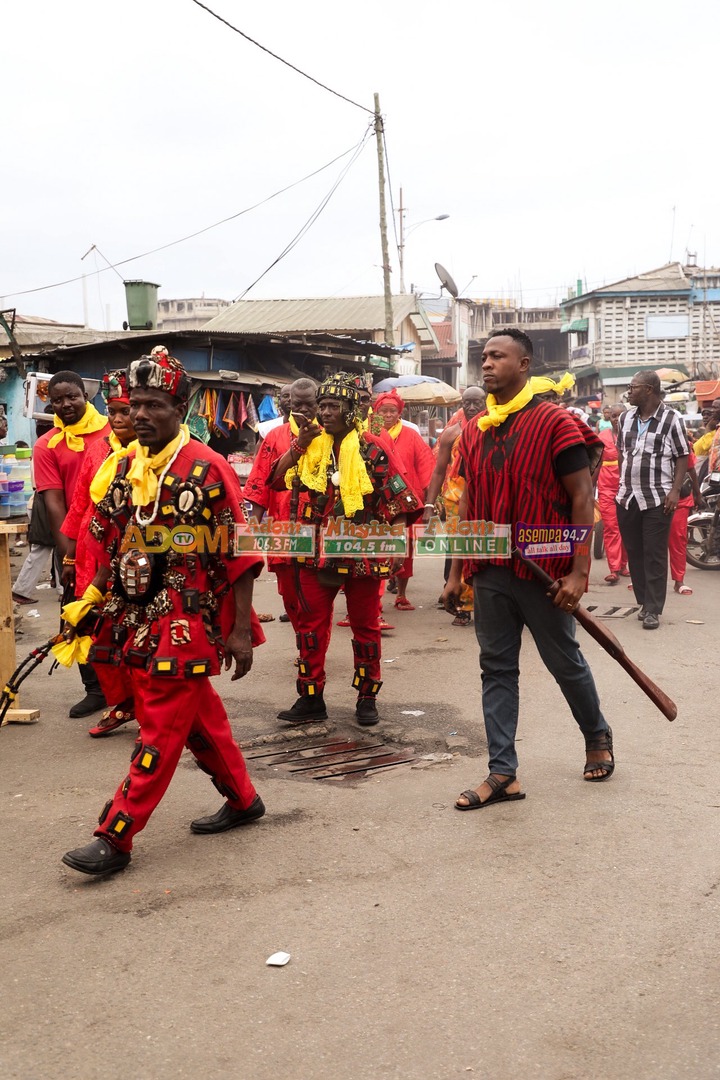
Clad in vibrant traditional attire, residents and visitors have filled the streets, dancing to drums and local music.
The air is filled with chanting, singing, and the beating of traditional drums, as cultural groups and family clans paraded through the community.
Homowo, meaning “hooting at hunger,” commemorates the Ga people’s triumph over famine many years ago. It is now a symbol of harvest, abundance, and community strength.
This year’s celebration also featured family reunions, communal meals, and traditional rites aimed at promoting peace and unity in Ga Mashie and beyond.
Read also
E/R: Three Chinese nationals arrested for galamsey at Akyem Abaam
Toke Makinwa has revealed how she battled deep depression even while achieving major milestones in her life.
She shared how she once drove for hours to nowhere in particular, balled up in tears without even realising. She also recalled how she begged God to “just call her home,” and how she masked emptiness with laughter at public events.
“You know, literally, I’ve got it all together,” she admitted. “But I didn’t share the fact that I had had, you know, a couple of failed attempts of trying to be a mom.”
The media personality went on to recall how a cruel tweet about her personal life pierced her deeply.
“I remember this particular tweet where somebody tweeted at me. I don’t know how they found out my personal business, but the person wrote online that this is why your two IVFs had failed. Nothing has caught me in my life as much as that tweet. Jesus. I’m not crying because you motherfuckers deserve my tears. But it made me go back to God and say, look at me.”
But everything shifted after a simple prayer of surrender in December — followed by a call from her doctor on the 17th that gave her the breakthrough she had been waiting for.
Paa Kwesi Schandorf is the Media Relations Officer at the Ministry of Lands and Natural Resources
Galamsey Fight: Government to repeal of LI 2462 in renewed measures – Paa Kwesi Schandorf
The Media Relations Officer at the Ministry of Lands and Natural Resources, Paa Kwesi Schandorf, has hinted a possible repeal of LI 2462 as part of government’s renewed fight against illegal mining.
According to him, there has been a ‘crunch Cabinet meeting’ on the controversial legislative instrument which many critics say should be completely abolished.
Speaking on Newsfile on Saturday, August 16, he said, “I could say authoritatively now here is that there’s a renewed conversation on L1 2462, and in the not too distant future there would be an appropriate communication in that particular respect where the repeal is concerned.
“That conversation has been had, indeed there was a crunch Cabinet meeting that exhausted that possibility and so the final outcome will be communicated very soon”.
The comments by Paa Kwesi Schandorf comes in the wake of the mounting pressure on government to take stronger steps in fight galamsey, following the tragic helicopter clash the claimed eight lives near Obuasi on August 6.
The casualties, including two cabinet ministers have since been given state burials amidst nationwide grief.
Galamsey: ‘Akufo-Addo was in power for 8 years and what did we do?’ – Pianim blasts Mahama critics
Following the incident, there have been renewed calls for government to be tougher in dealing with what many experts have described as ‘environmental terrorism’.
Some critics have also slammed the President for failing take advantage of the opportunity to declare an immediate state of emergency, but in recent media interviews, the spokesperson at the Lands Ministry, Paa Kwesi Schandorf, has been reiterating that government remains committed to making galamsey ‘a thing of the past’.
Meanwhile Minister for Foreign Affairs, Samuel Okudzeto Ablakawa, has stressed that government will now embark on a ruthless fight against across the country.
“I can confirm to you that you’re going to see a fight that has never been witnessed in this country.
President Mahama is going to lead a very ruthless and relentless campaign against galamsey. He has not minced words at all. We had a brief cabinet meeting earlier today and the President was very clear.
There was no ambiguity that he will be leading a war that we have never seen to deal with this canker; this existential threat once and for all”, he said on Thursday, August 14.
Meanwhile, watch the trailer to GhanaWeb’s upcoming documentary on teenage girls and how fish is stealing their futures below:
Sofia, Aug 16 (BTA/GNA) – The culture of using mineral baths in Bulgaria is experiencing a revival, even though almost two generations in Sofia have grown up without this tradition.
It is gradually finding its place in people’s daily lives, with interest increasing alongside the growing demand for wellness and balneological services, Ivaylo Zahariev from the Bulgarian Association for Thermal Heritage said in an interview with BTA. “The baths of Bulgaria are not a thing of the past; they are part of our cultural heritage,” Zahariev added.
Assoc. Prof. Violeta Kotseva, head of the Department of Ethnology at St. Kliment Ohridski University of Sofia, told BTA that a more complete picture of public baths across Bulgarian lands can be outlined for the Ottoman and Revival periods. The mass construction of public baths in Bulgarian lands coincides with the Ottoman period, a process facilitated by the many natural hot mineral springs, the scholar added.
After the 16th century, almost every settlement in Bulgaria built a hammam, especially where there was a concentrated Muslim population, Kotseva explained. People would spend the whole day at the bath, with food brought along; women would prepare from the morning.
Some authors even describe the hammam as the Bulgarian women’s Revival-era café, at a time when public establishments were not accessible to them. “In those periods, hygiene was more a cultural practice than a daily routine and had no direct link to health,” Kotseva noted.
The tradition of visiting public baths gradually declined with the introduction of bathrooms in homes and the expansion of water and sewage systems, Kotseva explained further. After the establishment of the Communist regime, a modernization policy led to the construction of public baths in many settlements.
The tradition of saying “happy bath” gradually gained civic use and today is mostly a humorous expression. Kotseva noted that it is often associated with British Prime Minister Winston Churchill, who was known to have a poor view of the Balkans, especially Bulgaria.
Nevertheless, the expression’s popularity reflects traditional domestic practices, she emphasized. For Bulgarians, going to the bath was an entire event – a day perceived as a holiday, free of work, when one could rest.
Today, about 125 public mineral baths operate in Bulgaria, according to data from the Bulgarian Mineral Baths Association presented by Zahariev. Most are in Southern Bulgaria due to the abundance of mineral springs.
Asante Kotoko continued their preparations for the 2025/26 season with a 2-0 victory over Neat Soccer Academy in a pre-season friendly played in Cape Coast.
The Porcupine Warriors, who are in the second phase of their pre-season camp, showed attacking intent from the onset and were rewarded in the 28th minute when Seth Kwadwo opened the scoring.
The young attacker capitalized on a defensive lapse to calmly slot home and give Kotoko the lead.
Neat Soccer Academy responded with some promising attacking play but failed to find a breakthrough against Kotoko’s well-organized backline.
Kotoko continued to dominate possession and doubled their advantage in the 65th minute through Morifing Donzo.
The striker finished off a fine team move to seal the win for the Reds.
The victory is a boost for Kotoko as they gear up for a demanding 2025/26 campaign, which includes their participation in the CAF Confederation Cup.
Coach Karim Zito will be pleased with his side’s performance, winning their two friendlies today.
Sammy Flex (L) has clarified that Shatta Wale (R) was not used by the NDC
The Public Relations Officer for Dancehall artiste Shatta Wale has responded to claims by media personality, Okatakyie Afrifa-Mensah, that his artiste was used and dumped by the ruling NDC government.
It may be recalled that Okatakyie Afrifa-Mensah, in a video shared on social media, claimed that Shatta Wale allowed himself to be used by the NDC for political power.
But in a recent development, Sammy Flex, Shatta Wale’s PRO, shared a video on X on August 15, 2025, debunking the notion made by the media personality.
According to Sammy Flex, his artiste was not used as a puppet by the National Democratic Congress (NDC) for political gain, adding that Shatta Wale even performed for the opposition NPP.
“Remember last year during a series of protests by the youth, which celebrities partook in? Was Shatta Wale involved? They were even NDC sponsored events but Shatta never involved himself.
“Throughout the campaign season, he never involved himself with any political party. The only two times you saw him on any campaign platforms, they were for Ursula Owusu and Kozie. They were even NPP campaign platforms. He had only gone there to perform. It was strictly business. Not politics,” he said.
Sammy Flex, while making his submission, added that Okatakyie Afrifa-Mensah should get his facts right when making a statement about his artiste.
Recounting an old video that sparked social media reactions where Shatta Wale was seen kneeling before President John Dramani Mahama, Sammy Flex noted that Shatta Wale only apologise to the president because of some wrongdoing in the past.
“So, those claims that he was used by the NDC to campaign and that he was abandoned by them are all false.
“The people making these claims should get their facts right,” he added.
As of August 14, 2025, Ghana had 409 confirmed infections
The Ghana Health Service has reported that two Mpox patients are currently admitted, as the disease continues to escalate nationwide.
As of August 14, 2025, Ghana had recorded 37 new cases, bringing the total confirmed infections to 409, with one death documented.
The Ghana Health Service, in its recent situational report, reiterated a warning to the public to avoid sharing personal items such as sponges and towels within households.
The Western and Western North regions remain the most severely affected hotspots in the country.
Meanwhile, authorities are in the process of procuring Mpox vaccines for those at high risk.
The virus is known to spread primarily through close physical contact with infected individuals.
Citizens are urged to promptly report any rash-related symptoms to their nearest health facility.
ID/AE
Meanwhile, watch the trailer to GhanaWeb’s upcoming documentary on teenage girls and how fish is stealing their futures below:
Apostle Dr Elijah Kofi King (R) says two prominent Mahama (L) ministers are in spiritual danger
A video clip has surfaced featuring Apostle Dr Elijah Kofi King, Head Pastor of Fire Nation Arena Ministries, delivering a prophecy concerning two prominent ministers in Ghana.
In a sermon delivered to his congregation, the pastor called for spiritual intercession, stating that prayers should be offered for the Minister of Foreign Affairs, Samuel Okudzeto Ablakwa, who he said would be involved in an accident.
“I saw the foreign minister in an accident. And prayers need to be offered for him,” he said.
He also urged the Deputy Minister of Defence, Ernest Brogya Genfi, to “put his house in order and seek prayer.”
He described Genfi as a “friend of the altar,” narrating how he had personally met and prophesied over the government official.
The pastor went on to describe two male perpetrators, whom he accused of engaging in “diabolical ways.”
According to the prophecy, these individuals have allegedly visited shrines and altars to launch attacks against the minister.
“Those two men I have seen; one is tall, light in complexion and has a beard. They are using a lot of diabolical ways, not only criticising him physically, but they are also attacking him spiritually by visiting altars and shrines.
“They are planning to come back to his office to sprinkle charms on his chair so that when he sits on it, he will die,” he said.
Dr King firmly warned that any attempt on the minister’s life would backfire.
“I am giving a word of caution to these people that this man must not die. If they try, they will die… and it will be a family matter that every month, someone will die in their house,” he warned.
The pastor concluded with a warning that the perpetrators cease their actions, trusting that “God will fight for him.”
Turning his attention to Ablakwa, Dr King delivered an encouraging prophecy, stating that “the future is bright for him.
“For Ablakwa, the Lord said the future is bright for him. I saw a big river competing with smaller rivers, and the more they struggled, the bigger the big river became. And God said he will be very big.”
The clip comes at a painful time. On August 6, 2025, a military helicopter crashed in the Adansi-Akrofuom District of the Ashanti Region, killing the Minister of Environment and the Minister of Defence, among others.
The tragedy has sparked national grief and triggered widespread attention to prophecies issued before the crash.
It will be recalled that recently, the Office of the Presidential Envoy for Interfaith and Ecumenical Relations called on religious leaders across Ghana to formally share any prophecies or spiritual insights of national importance with the government.
In a statement issued on Sunday, August 10, on behalf of President John Dramani Mahama, Presidential Envoy Elvis Afriyie Ankra expressed “heartfelt appreciation” to churches and other religious bodies for their “unwavering spiritual support, intercessory prayers, and sustained leadership in promoting peace, moral integrity, and national unity.”
He, however, stressed that the role of faith leaders in Ghana’s “spiritual and civic life remains indispensable, urging them that “Any prophecy or spiritual insight of a national nature, especially those with implications for high-profile political leaders, governance, national security, or public stability should be formally relayed to the Office of the Presidential Envoy for urgent review and appropriate escalation.”
Watch the video below:
ID/AE
Meanwhile, watch the trailer to GhanaWeb’s upcoming documentary on teenage girls and how fish is stealing their futures below:
Antoine Semenyo scored two goals against Liverpool
Liverpool’s Premier League opening day victory against Bournemouth was marred by the incident of their supporter who racially abused striker, Antoine Semenyo.
The Black Stars forward, who was preparing for a throw-in, was racially abused by a Liverpool supporter, leading to the temporal suspension of the game by the referee.
Semenyo went ahead to score two goals in the second half in his team’s 4-2 defeat but the individual who racially abused him didn’t get to enjoy the rest of the game after the stunt he pulled.
According to the Merseyside Police, a 47-year-old man from Liverpool was identified and removed from Anfield shortly after the incident.
The individual, whose identify has been withheld by the police, was later arrested on Saturday, August 17, on suspicion of a racially-aggravated public order offence and taken into custody for questioning.
Liverpool captain Virgil van Dijk called the incident “a disgrace,” and said anti-racism campaigns need to do more to eradicate it from the game.
“The only thing we can do is deal with it by dealing with him personally and try to educate the next generation. That is the only way to try and kick it out, in my opinion,” he said.
CEO of the Premier League, Richard Masters, also added that; “No Premier League footballer should ever have to, in their workplace or online, suffer that sort of abuse. It is important that we keep saying that.
“It is a problem for society. It leaks into football, and it shouldn’t happen in a football stadium. It shouldn’t happen online.” He made the comments in an interview with the BBC.
Police ID and remove the Liverpool supporter suspected of racially abusing Bournemouth’s Antoine Semenyo at Anfield pic.twitter.com/MWKgMYMXUV
President of IMANI Africa, Franklin Cudjoe, has warned that Ghana’s defence capacity is on a dangerous decline, blaming years of politicisation, poor procurement practices, and lack of investment in critical military infrastructure.
His remarks follow moves by the Ghana Armed Forces to collaborate with international experts in investigating the August 6 helicopter crash in the Ashanti Region, which claimed the lives of two ministers of state and six others.
Speaking on Channel One TV’s The Big Issue, Mr. Cudjoe underscored the urgent need for transparency and accountability in defence management, insisting that Ghana’s military remains under-equipped despite billions in loans contracted in recent years.
The IMANI Africa President stressed that unless procurement is depoliticised and investments are made transparently, the Armed Forces will remain vulnerable, leaving both military personnel and civilians exposed to preventable risks.
He maintained that Ghana’s defence mechanism has been systematically declining.
“I can’t believe the life of me that we have an Armed Forces whose success is systematically in decline. We couldn’t have borrowed almost €13 billion in the last eight years, and we couldn’t retool our platform simply because we were afraid that if we did, the opposition would take it on.
“Indeed, the opposition all the time, the likes of Okudzeto and the late Murtala, questioned these purchases not because they doubted the fact that we needed them but because they feared that all these things are procured quietly and the moment you give an opportunity to a government entity to create a personnel to harness our resources, they mess it up.
“At the whole front, we are told that the things we have there that we call equipment, if Togo comes here in two minutes, we will be run over. Assuming terrorists are listening. The response time of the army, what were they going to even use in responding? It was a regional minister who was telling us about response time. He is like a layman. Why should we be listening to him when he says the army was there in record time? With what tools?” he stated.
Braided hairstyles don’t always require a lot of hair extensions to look beautiful. In fact, with just one pack of extension, you can achieve stylish, neat, and elegant looks that are perfect for everyday wear, school, or even special occasions. These styles are budget-friendly, easy to manage, and perfect for ladies who love low-maintenance yet classy hairdos.
1. Single Jumbo Braid (Ponytail Style):
This is one of the most popular and simplest styles you can do with one pack of hair. It involves sleeking your natural hair up and attaching one long braid as a ponytail. It’s a go-to look that gives both elegance and boldness.
2. Cornrows with One Pack:
A few straight-back cornrows using just one extension can give a clean and sophisticated look. You can go for 4 to 6 cornrows depending on your hair density. It’s perfect for school, work, or casual outings.
3. Two-Strand Feed-In Braids:
This style involves two thick braids going to the back or sides. It’s simple, fast, and requires minimal extensions. It’s also gentle on the scalp and edges.
4. Braided Bun:
With one extension, you can create a stylish braided bun by wrapping the braid into a doughnut shape. This style is not only neat but gives a mature and chic appearance.
5. Side Swept Braids:
Doing 3 to 5 braids swept to one side is also a trendy option. It’s elegant and gives room to show off your facial features and earrings.
With just one pack of extension, you can achieve stylish results without spending much. These hairstyles prove that beauty doesn’t always have to be elaborate sometimes, simplicity speaks volumes.





_1755364541.jpeg)