


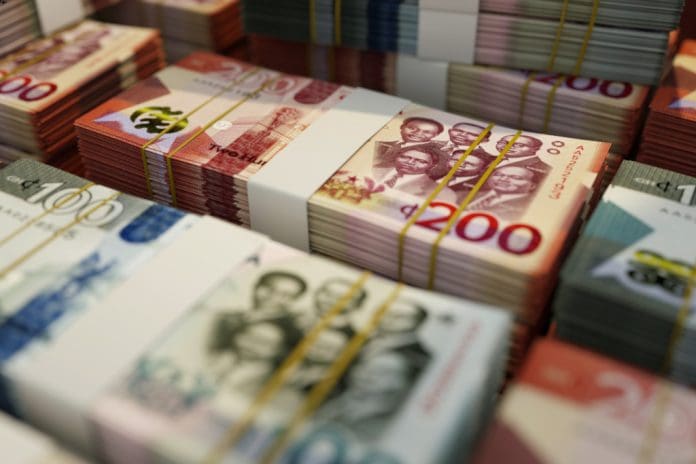
Ghana’s central bank is turning up the heat on commercial lenders to boost credit flow to businesses, but firms must tidy their financial records to catch the wave.
With inflation cooling, interest rates dipping, and the cedi holding steady, Bank of Ghana Governor Dr. Johnson Asiama declared the moment ripe for banks to back productive sectors. “This is where growth lives,” he signaled, pushing for loans that spur hiring and expansion.
Yet bankers aren’t rushing to write checks. Despite policy nudges, private credit growth remains sluggish. Why? Lenders still see landmines: nearly one in four loans turns sour here, far worse than Nigeria’s 4.2% or South Africa’s 1%.
Many small firms shoot themselves in the foot—shoddy bookkeeping, unaudited accounts, and weak governance scare off financiers. “Banks won’t gamble on messy balance sheets,” one analyst bluntly put it.
To thin the thicket of bad debt, the central bank just unleashed a new weapon: willful defaulters face up to five years in credit exile. Names will be blasted in newspapers and bank websites twice yearly. The message? Clean up or get locked out.
For ready businesses, though, the gates are creaking open. Firms with tidy records, clear governance, and clean repayment histories will feast first on fresh credit. Others risk watching the recovery pass them by.