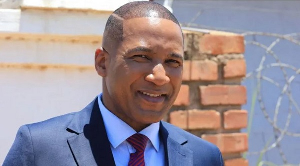
Energy analyst and NPP member Kwadwo Poku has accused the ruling National Democratic Congress (NDC) of undermining efforts to tackle illegal mining, commonly known as galamsey, during former President Akufo-Addo’s administration.
Speaking on JoyNews’ Newsfile programme on Saturday, September 27, 2025, he alleged that the NDC overturned initiatives introduced by the NPP to curb the menace while they were in opposition and craved for power.
“Nana Addo and the NPP had a very big fight. Nana Addo actually did a statement and said he will stake his presidency in fighting galamsey, ” he said.
“What happened around the 2020 election? The NDC went around the mining communities to tell them, ‘Do you see what they are doing to you?’ If we were to be in power, we would not do that to you, we would not stop the mining that they stopped, we would not let what Operation Vanguard is doing…..”
“NPP is trying to do the right thing, NDC had gone in before the election to tell the people, look, vote us in and we will let you do what you want to do and that carried forward to 2024,” he alleged.
He added that former President Akufo-Addo’s firm stance against illegal mining resulted in the governing party losing several parliamentary seats in mining communities during the 2020 elections. “When we went to the polls in 2020 we lost majority of our seats in mining areas.”
“Upper Denkyera West is predominantly an NPP seat but is is a heavy mining area, we have lost that seat in first time in 2020 because the galamsey people were going around giving money to people in that area to vote against NPP,” he added.
DISCLAIMER: The Views, Comments, Opinions, Contributions and Statements made by Readers and Contributors on this platform do not necessarily represent the views or policy of Multimedia Group Limited.
DISCLAIMER: The Views, Comments, Opinions, Contributions and Statements made by Readers and Contributors on this platform do not necessarily represent the views or policy of Multimedia Group Limited.
Dr Naa Dedei Tagoe has been promoted to a professor
In a field long dominated by men, Dr Naa Dedei Tagoe has etched her name in history as the first woman in Ghana to be promoted to Associate Professor of Geomatics with a specialisation in Photogrammetry and UAV applications at the University of Mines and Technology (UMaT).
Her achievement is a groundbreaking moment for women in STEM, proving that persistence, passion, and vision can dismantle barriers and redefine possibilities.
Prof Tagoe’s expertise cuts across land surveying, drone mapping, GIS, and remote sensing.
Heavy metals contaminating placental tissues of pregnant women in mining areas – Prof Ossei
As a licensed land surveyor, she bridges academic excellence with real-world solutions, applying geospatial science to critical issues like food security, sustainable mining, climate resilience, and empowering communities through technology.
Beyond the classroom, she is a mentor and a trailblazer.
Through YouthMappers, she nurtures young talents in using geospatial technology for sustainable development.
As a Mandela Washington Fellow, she champions women’s empowerment and leadership across Africa, embodying service that transcends borders.
On the international front, Prof Tagoe is Chair-elect of FIG Commission 8 (Spatial Planning and Development), where she helps shape global conversations on land governance and sustainable urban development, positioning Ghana as a thought leader in the global geospatial community.
Her rise reflects a powerful message: representation matters. For many young women in Ghana and beyond, her story is a beacon of hope and possibility in disciplines where female voices remain underrepresented.
“Her promotion is not just about an academic title, it’s about creating a pathway for the next generation of women scientists, engineers, and innovators,” a colleague remarked.
As Ghana celebrates this milestone, Prof Tagoe’s journey is a reminder that when women break ceilings in science and technology, entire societies rise with them.
Former Member of Parliament for Tema West, Carlos Ahenkorah
Former Member of Parliament for Tema West, Carlos Ahenkorah, has refuted claims that he has endorsed a particular candidate in the New Patriotic Party’s (NPP) upcoming presidential primaries.
This follows the circulation of a one-minute audio clip on social media, which many have interpreted as an endorsement. According to Ahenkorah, while the voice in the recording is indeed his, the clip was a “cut-and-paste” extraction from a longer interview he granted on Okay FM regarding the abrogation of the cocoa syndication loan.
He explained that the full interview lasted about 40 minutes, during which he assessed all the leading contenders in the presidential race.
Ahenkorah stated that his conclusion was that Mr. Bryan Acheampong, given the divisive posture of other candidates’ supporters, stands out as the most capable figure to unify the NPP and secure victory in the 2028 general elections.
“To isolate and amplify a mention of one candidate’s name, while ignoring the full context, is misleading and unacceptable,” he said, stressing that such distortions undermine honest political discourse.
Ahenkorah reaffirmed his support for Dr. Bryan Acheampong, describing him as the candidate best positioned to unite the party ahead of the 2028 polls.
The national battle against illegal mining, popularly known as galamsey, is destined for failure unless every institution in the country actively shoulders its constitutional mandate, according to Professor Sharif Mahmud Khalid, Economic Advisor at the Office of the Vice President.
Speaking with compelling urgency on Joy News’ flagship programme, Newsfile, on Saturday, September 27, Professor Khalid dismissed the popular narrative that places the entire burden of the fight on the shoulders of the Head of State, describing such thinking as a grave miscalculation.
“In my view, the fight against galamsey will fail if we leave it all to the President. It is a shared responsibility,” Professor Khalid asserted. He added, “We need to realise that every single individual, every institution in this country, has a role to play.”
Professor Khalid challenged the notion of the presidency as a panacea for the complex issue of illegal mining, arguing that the focus must shift from political figures to lasting institutional capacity.
While acknowledging that the President can give directives and has previously deployed measures like the military, the Economic Advisor stressed that this action is “not enough.”
He stated that the sustainability of the anti-galamsey campaign lies solely in the “strength of the institutions”.
Professor Khalid systematically outlined the failure points across various sectors and demanded accountability from the institutions legally mandated to enforce the law.
Professor Khalid concluded by reiterating that this is not a “political fight; this is a national survival fight.” He warned that the degradation of Ghana’s water bodies and forest reserves, coupled with widespread chemical pollution, affects every citizen, regardless of political affiliation.
“We need to make sure that the institutions are working, that they are independent, and that they are empowered to do their work. That is where the focus should be. It is not about a political party or an individual. It is about the future of Ghana,” he urged.
DISCLAIMER: The Views, Comments, Opinions, Contributions and Statements made by Readers and Contributors on this platform do not necessarily represent the views or policy of Multimedia Group Limited.
DISCLAIMER: The Views, Comments, Opinions, Contributions and Statements made by Readers and Contributors on this platform do not necessarily represent the views or policy of Multimedia Group Limited.
The song is scheduled for release on September 30, 2025
After the resounding success of her hit single “Banner of Love,” which received massive radio play and gained strong traction across digital platforms, Ghanaian gospel sensation Nsroma Music is set to inspire believers once again with a brand-new release titled “Did You Know.”
Scheduled for release on September 30, 2025, “Did You Know” marks a new chapter in Nsroma’s growing gospel journey.
Known for her spirit-filled worship, lyrical depth, and vocal excellence, she continues to deliver music that resonates deeply with both the soul and the spirit.
“This next song is very personal to me,” Nsroma shared. “It carries a message the Lord laid on my heart and I can’t wait to share it with the world.”
Since stepping into the gospel scene, Nsroma has earned a reputation for blending contemporary gospel sounds with authentic storytelling rooted in faith, hope and divine love.
Her previous single, “Banner of Love,” became a worship anthem, drawing immense support from both local and international audiences.
With “Did You Know,” Nsroma promises a fresh wave of inspiration, one that stirs spiritual awakening and strengthens believers across Ghana and beyond.
As her international following grows, Nsroma Music is steadily carving her place as one of the most defining and influential voices in modern African gospel.
Executive Secretary of the National Commission on Small Arms and Light Weapons (NACSA), Adam Bonaa
The Executive Secretary of the National Commission on Small Arms and Light Weapons (NACSA), Dr Adam Bonaa, has clarified that no individual or institution in Ghana has been authorized to manufacture weapons of any kind.
Speaking on The Ultimate Drive with Berry, Dr Bonaa said NACSA’s core mandate is to educate the public on the dangers of firearms—licensed or unlicensed—as part of efforts to curb gun-related crimes.
He revealed that the Ashanti Region recorded the highest cases of gun-related incidents in the first and second quarters of the year, blaming the situation on the failure of previous administrations to implement stronger regulations.
He expressed concern that NACSA lacks enforcement powers, unlike other regulatory bodies such as the NCA, and described Ghana’s gun laws as outdated.
“The gun laws we have in this country are older than some of us here, and they no longer meet the needs of our time,” he said.
Dr Bonaa, however, said he was optimistic that reforms under President John Dramani Mahama’s Resetting Agenda and the NDC’s 2024 Manifesto will strengthen firearm regulations.
He pointed to recent arrests and the recovery of firearms in the Ashanti Region, stressing that government remains committed to clamping down on illegal weapons.
Drawing parallels with progress in the fight against illegal mining, he urged Ghanaians to remain patient and supportive of ongoing measures.
“It is not as if nothing is being done. Just as we are seeing progress in the fight against galamsey, we will soon see real changes in the regulation of firearms. Let us all play our part in building the peaceful, united, and attractive Ghana that we all desire,” he advised.
He ended with a call for unity and patriotism.
“We cannot fail this country. Ghana is sweet, and we must do everything humanly possible to make it a better place where peace, love, and unity thrive drawing more tourists and opportunities to our land”.
ECG has posted its highest-ever monthly revenue of GH₵1.74 billion in July 2025
The Electricity Company of Ghana (ECG) has posted its highest-ever monthly revenue of GH₵1.74 billion in July 2025, marking a major milestone in the company’s reform drive.
Acting Managing Director, Julius Kwame Kpekpena, disclosed the feat during an interaction with Parliament’s Energy Committee, stressing that internal changes are beginning to yield results.
“This year, July, we had our highest ever revenue that ECG collected GH₵1.74 billion. It’s a record and we want to celebrate that,” he said.
He explained that alongside the record collections, ECG has significantly cut down on expenditure.
Administrative costs dropped from GH₵279 million last year to GH₵169 million this year, while overall spending fell from GH₵110 million to GH₵77 million within the first half of 2025.
Kpekpena added that the company is also addressing inefficiencies in customer service, particularly delays in meter provision and power connections.
“We want to reduce the frustrations applicants face in getting power supply or in getting meters. We know we have some issues in some of the districts and regions, and we are working to resolve those,” he assured.
He emphasized that ECG’s reforms are aimed at restoring public confidence, tackling illegal meters, and ensuring long-term operational efficiency.
Kpekpena concluded that with the continued support of the board, government, and stakeholders, ECG is determined to sustain reforms to deliver reliable and transparent power supply.
Chief of Staff at the Office of the Vice President, Dr Alex Segbefia
The Chief of Staff at the Office of the Vice President, Dr Alex Segbefia, has stressed that Ghana’s decentralization process cannot thrive on policies and structures alone but requires a reset in attitudes, values, and behavior across all levels of governance.
Speaking at the close of the National Dialogue on Decentralization in Accra, Dr Segbefia underscored the importance of ethical leadership, responsive service delivery, and a culture of accountability that must become the norm rather than the exception.
He described the media as the “final frontier” in the decentralization process, emphasizing its critical role in amplifying citizen voices, ensuring transparency, and holding institutions to account.
The two-day dialogue, which brought together policymakers, experts, and civil society groups, repeatedly called for a “reset.”
Key recommendations included aligning ministries with local authorities, ensuring predictable resources for Metropolitan, Municipal and District Assemblies (MMDAs), embedding accountability in governance and leveraging digital innovation for efficiency.
Dr Segbefia commended the Minister of Local Government, the Inter-Ministerial Coordinating Committee on Decentralisation, development partners and participants for their contributions.
He urged them to sustain the momentum generated by the dialogue to resolve what he described as the “decentralization puzzle.”
Vice President Professor Naana Jane Opoku-Agyemang
Vice President Professor Naana Jane Opoku-Agyemang has called for deeper trade and development ties between Ghana and China, with a focus on creating opportunities for the youth and promoting sustainable growth.
Speaking at a ceremony in Accra to mark the 76th anniversary of the founding of the People’s Republic of China and the 65th anniversary of Ghana–China diplomatic relations, she acknowledged China’s support in developing Ghana’s infrastructure, including roads, hospitals, and schools.
She noted that Ghana’s new 24-hour economy programme is designed to create jobs and boost productivity, particularly for young people.
She further urged both countries to expand cooperation in renewable energy, digital technology and trade under the African Continental Free Trade Area (AfCFTA), while encouraging Ghanaian businesses to explore investment opportunities in China.
The Vice President’s remarks came as both countries celebrated a historic relationship that began on July 5, 1960, when Ghana became the first Sub-Saharan African nation to establish diplomatic ties with China under President Dr. Kwame Nkrumah and Chairman Mao Zedong.
Chinese Ambassador to Ghana, Tong Defa, reaffirmed China’s commitment to strengthening its partnership with Ghana, stressing the importance of delivering tangible benefits to citizens of both nations.
He praised the contributions of Chinese enterprises operating in Ghana and urged them to strictly adhere to local laws and actively support national development through corporate social responsibility initiatives.
The demand for reparations for the transatlantic slave trade and colonialism took center stage at the 80th session of the United Nations General Assembly, as a coalition of Global South leaders mounted an unprecedented call for reparative justice while criticizing Western nations for their continued silence on historical crimes.
Ghanaian greats whose names made it to Mahama’s UN address and what they’ve achieved
Ghana’s President John Dramani Mahama, serving as the African Union Champion for Reparations, delivered a landmark address that framed the debate in stark moral terms.
He declared the slave trade “the greatest crime against humanity,” referencing the forced displacement of over 12.5 million Africans to generate wealth for Western nations.
“We must demand reparations for the enslavement of our people and the colonisation of our land that resulted in the theft of natural resources,” President Mahama stated.
He highlighted the historical irony that Western governments “happily paid reparations to former slave owners as compensation for the loss of their ‘property’—the enslaved people themselves.”
“We recognise the value of our land and the value of our lives,” he declared.
Central African Republic President Faustin Archange Touadera reinforced the continental solidarity behind reparations, declaring that “the era of Africa’s dependence is over.”
He called for a fundamental shift toward “sovereignty, not subordination; partnership, not exploitation.”
President Touadera condemned the persistent global inequality, stating it is “unacceptable to see poverty worsening in Africa while wealth accumulates in the Northern countries,” while confirming his nation’s full support for the pan-African reparations initiative.
Bolivian President Luis Alberto Arce Catacora outlined specific mechanisms for addressing historical injustices, proposing the establishment of a dedicated UN commission on reparations covering “slavery, apartheid, genocide and colonialism.”
“This commission must establish effective mechanisms to restore historical justice,” President Arce explained, detailing three core components: Financial reparations, Environmental restoration and Restitution of stolen cultural property.
He called for those responsible for historical crimes to contribute “billions of dollars into a reparations fund” and urged unity between the African Union and CELAC (Community of Latin American and Caribbean States) in confronting colonialism’s lasting effects.
A consistent theme across all presentations was profound disappointment with the Global North’s engagement on reparative justice.
Leaders expressed unanimous frustration that Western countries continue to avoid meaningful dialogue on the issue, demonstrating what they characterized as a deliberate unwillingness to acknowledge historical responsibilities.
This coordinated stance at the UN General Assembly represents a significant escalation in the international reparations movement, signaling that former colonial powers can no longer sideline these demands on the global stage.
The statements were delivered during the general debate of the 80th UN General Assembly session.
Aspiring presidential candidate Ing Kwabena Agyei Agyepong, a contender in the upcoming January 31, 2026, presidential primaries, has pledged to curb the lavish spending and ostentatious displays of government appointees.
Agyepong stressed that one of the key issues that has frustrated Ghanaians for years is the excessive use of motorcades by public officials. He described the practice as unnecessary and a wasteful drain on state resources.
According to him, government appointees should experience the daily challenges faced by ordinary citizens in order to better understand their struggles.
He made these remarks during an interview on Frontline on Rainbow Radio 87.5FM, hosted by Kwabena Agyapong.
Agyepong recalled how the former Chief of Staff under President John Agyekum Kufuor, Kwadwo Mpianin, set a commendable example by rejecting the opulence of power. He noted that he, too, avoided using motorcades during his time as Press Secretary for the former President.
He expressed concern that successive governments have perpetuated a culture in which every minister feels entitled to a motorcade.
“Our politicians don’t seem to learn from past mistakes. Every minister wants to use a motorcade. Under Kufuor, it was not like that. His Chief of Staff, Mr. Kwadwo Mpianin, avoided motorcades and would often drive himself to work, unnoticed by the public,” he said.
“Unless it is an urgent or emergency situation requiring your presence, why not drive like every other Ghanaian? I never used a motorcade, and I always arrived at work on time. The use of motorcades has become a virtual badge of honour. People are even using them in the evenings when there is no traffic,” he added.
Agyepong described the practice as a form of indiscipline that reinforces the perception that those in authority are superior to ordinary citizens.
“These things should stop, and if I am elected President, I will lay down the rules for my team, and it will stop. If you are a minister and you don’t want to use the traffic like every Ghanaian, how do you know what they are going through?” he questioned.
He concluded by emphasizing the need for the New Patriotic Party (NPP) to win the hearts and minds of the electorate with messages of hope and respectful discourse, rather than arrogance.
The National Association of Sachet and Packaged Water Producers (NASPAWAP) has urged President John Dramani Mahama and his government to adopt an approach even more ruthless than a state of emergency to tackle illegal mining, popularly known as galamsey.
Public Relations Officer of NASPAWAP, Agyapong Ntrah, said the activities of illegal miners have destroyed water bodies, depleted forest reserves, and created a national crisis that cuts across all sectors.
Speaking in an interview on Nyankonton Mu Nsem on Rainbow Radio 87.5FM, Ntrah revealed that players in the water industry have been severely affected, with the impact extending to the pharmaceutical sector.
He acknowledged support for the call to declare a state of emergency but insisted that a harsher approach would be more effective in resolving the menace once and for all.
“Galamsey is a national crisis. We are destroying our water bodies and forest reserves. We are poisoning our environment, and we must not allow this to continue. We are all calling for a state of emergency, but at NASPAWAP, we prefer a more ruthless approach. We should no longer treat these illegal miners with kid gloves. We have to be ruthless and show them no mercy.
“Some claim these illegal miners are engaged in the act because of unemployment. That is insulting. Why should the greed of a few poison our water and destroy our environment? Deploy soldiers and police and let them descend on these illegal miners,” he declared.
Ntrah warned that water treatment costs will continue to rise, which could increase the prices of sachet and bottled water.
He further lamented that Ghanaians have begun to express fear in consuming sachet and bottled water following recent studies into the impact of galamsey on the nation’s water sources, particularly those managed by the Ghana Water Company Limited (GWCL).
The Bono Regional Directorate of the National Disaster Management Organization (NADMO) has commenced the plantation of 1,000 tree species in some Basic Schools in the region.
According to Mrs. Fati Kine-Lam, the Bono Regional Director of the NADMO, the trees were being planted to restore the lost vegetative cover and help mitigate climate change impacts.
Speaking in an interview with the Ghana News Agency (GNA) on the side-lines of tree planting exercises at the SS Peter and Roman Catholic Paul Primary School at Odomase in the Sunyani West Municipality, she said the Forestry Commission supplied the directorate with the tree seedlings.
Mrs. Kine-Lam said the trees were also to serve as windbreaks and urged the beneficiaries to nurture the trees to obtain the optimum benefit.
She said: “Trees are very important aspects of human life as they give us shade, fresh air and protect our buildings.”
Mrs. Kine-Lam said the trees would be planted in some selected schools in the Tain, Banda, Berekum West, Dormaa East, Dormaa West Jaman North Districts as well as Jaman South, Dormaa Central, Wenchi and Berekum East Municipalities
Mr. Quansah Kofi Shoaib, the Headteacher of the school thanked the NADMO and pledged to ensure that the trees were nurtured and maintained.
Ghana may be forced to import cassava in future if viral diseases threatening the crop are not effectively contained, Dr Allen Oppong, Principal Research Scientist, Council for Scientific and Industrial Research (CSIR)–Crop Research Institute has warned.
Dr Oppong, who is also Country Director of the Central and West African Virus Epidemiology (WAVE) project, gave the warning at a training of trainers’ workshop in Tamale, organized under the WAVE project to build the capacity of Agricultural Directors and Extension Officers on cassava virus surveillance.
The training brought together officers from 12 districts and municipalities across the Northern, Bono East, Oti, Savannah, and Upper West Regions including Krachi Nchumuru, Krachi West, Kintampo South, Kintampo North, Sagnarigu, Savelugu, Nanton, Mion, Tamale, Central Gonja, West Gonja, Wa East, and Sissala.
Participants were trained on the use of the Kobo Collect mobile application for disease monitoring and later engaged in a practical field exercise at a cassava demonstration farm in the Savelugu Municipality.
Dr Oppong explained that cassava, one of Africa’s most important food security and industrial crop, was under constant threat from two major viral diseases, Cassava Mosaic Disease (CMD), which is already widespread in Ghana and West Africa, and Cassava Brown Streak Disease (CBSD), which is rapidly spreading from Central and East Africa.
He said “The Cassava Mosaic Virus attacks the leaves reducing photosynthesis and stunting tuber development while CBSD destroys the tuber itself making it completely inedible. If we fail to take proactive measures, Ghana could one day be forced to import cassava.”
He said cassava was not only a staple food, but also an economic and industrial crop, adding protecting it from viral diseases was key to safeguarding the country’s future.
Hajia Hawa Musah, Director, Northern Regional Department of Agriculture, who was represented at the workshop, commended WAVE Ghana for the initiative noting that the Kobo Collect app would improve field surveillance, reporting, and the breeding of resistant cassava varieties.
Mr Mark Ansong, a participant from the Kintampo South District, emphasised the need for investment in cassava research and development, saying it was vital for food security and industrial development.
Participants concluded that while cassava remained resilient and versatile, its survival depended on early disease detection, strong farmer education, and robust policy support.
The participants are expected to transfer the knowledge gained to farmers in their districts to boost production and safeguard livelihoods.
Dr Yaw Osei Adutwum, one of the Election 2028 presidential hopefuls of the New Patriotic Party
Kwasi Annan Frimpong, one of the pioneers and founders of the New Patriotic Party (NPP) in the Bono Region has described Dr Yaw Osei Adutwum, one of the election 2028 presidential hopefuls of the New Patriotic Party (NPP) as a “dark horse”.
A “dark horse” is a candidate for office for whom little is known or for whom expectations are low, but who then goes on to unexpectedly win or succeed.
The pparty’s upcoming presidential primary to elect its presidential candidate for Ghana 2028 presidential election, is slated for January 31, 2026.
Some aspirants who have filed to contest in the primary are: Ing. Kwabena Agyei Agyepong, Ken Ohene Agyapong, Dr Bryan Acheampong, Dr Mahamudu Bawumia and Dr Yaw Osei Adutwum.
In an interview with the Ghana News Agency (GNA) in Sunyani, Frimpong said the chances of the former Minister of Education and Member of Parliament for Bosomtwe in the Ashanti Region remained brighter.
Frimpong said, “The eyes of the NPP aren’t set on Dr Adutwum yet; however, he can spring a surprise if you critically follow his political campaign so far.”
Frimpong noted that all the five presidential aspirants contesting the party’s “are perfectly fit for the President of the nation”, with exceptional track records.
He indicated, however, that Dr Adutwum had built a strong grassroot support base in the NPP, nationwide.
“In fact, he continues with his demeanour and clean campaigns; I will not be surprised if Dr Adutwum wins our presidential primary and subsequently leads the NPP to regain political power in the Election 2028,” Frimpong said he stated.
Describing the party’s presidential race as very competitive, Frimpong emphasised that “if you follow his campaign and how it is grass rooting, you can deduce that Dr Adutwum has something different that can lead the NPP to win the next General Election.”
That notwithstanding, he advised the presidential aspirants and their supporters to put the interest of the party first and remain decorous in their campaigns in order not to create an “unrepairable factionalism” in the NPP after the primary.
Frimpong also urged the aspirants to prepare to accept the outcome and support any of them who might win the primary in the supreme interest of the NPP.
The Women with Disability Development and Advocacy Organization (WODAO), a disability development and advocacy not-for-profit organization has advocated for polices in disaster management covering Persons with Disabilities (PWDs).
The organization identified that this would help to better cater to PWDs in such trying times, due to their vulnerability by ensuring their safety, well-being, and reintegration.
The Executive Director of WODAO, Ms Veronica Deny Kofiedu, mentioned this at the training section for downstream civil society organizations, working with her outfit.
“There are so many gaps within the policy, that do not really cater for persons with disability when these disasters occur. So, within this workshop, we will enlighten our members on climate change and the possible disasters.
“We will also educate them about the provisions in the law, when these things [disasters] happen, what they should do, how to go about it, how to fight for their own rights, for them to be relieved,” She said.
She explained that there would be a stakeholders’ engagement, where institutions such as the National Disaster Management Organization, Environmental Protection Agency, and the assemblies would present document containing lapses identified in disaster management with regards to PWDs.
“We will engage the stakeholders and present disability issues, including inclusion and best disaster management practices for PWDs into their preparedness policies,” she said.
She explained climate resilience was inculcated into the training following the results of a survey that highlighted a lack of knowledge among stakeholders on climate issues.
Training workshop
The three-day zonal event dubbed “Strengthening Civil Society Representation of Women with Disabilities in Ghana,” is themed: “Strengthening Inclusive Civil Society Representation Through Safeguarding, Disability, Inclusion, Gender Mainstreaming and Climate Resilience,”
It was organized under the auspices of Sightsavers International, ABAK Foundation and funded by the European Commission.
The project saw the training of 224 civil society organizations from across 13 Districts in the Volta and Oti Regions in practical skills in safeguarding, disability inclusion, gender mainstreaming, and climate resilience at the core.
Madam Kofiedu said the workshop is a key component of WODAO’s activities under the Strengthening Civil Society Representation of Women with Disabilities in Ghana project.
She said the engagement would equip the participants with knowledge to be translated into sustained leadership and empowerment platforms basically to ensure women and children with disabilities are not sidelined in decision making and development planning.
She explained that phase two of the project would include a mentorship programme to train women in advocacy, soft skills, and enhance their technical knowledge to enable them to make vivid input in decision-making at all levels.
The training would be both virtual and in-person coaching in a mentor-mentee concept.
She announced that there would be a Learn & Share Festival in 2026, creating a platform to highlight the impacts of the training engagements, and acknowledged the support from the EU and other partners.
“Through this, we aim to extend the impact of our work far beyond the Volta and Oti Regions. Together, we can drive transformative change and build an inclusive society where women and girls with disabilities not only survive but thrive. Let us learn, share, and strengthen our movement- because together, we can,” she added.
Sightsavers partnership
The Programme Officer of Sightsavers, Ruth Atengdem, said the project, which will span for two years and will be implemented in phases, with the first phase covering capacity building for co-applicants on the project, ABAK and WODAO.
She said the engagement was expected to enhance Civil Society Organization’s ability to integrate gender equity, disability inclusion, and climate resilience into programmes and advocacy, and again build networks and share knowledge among Civil Society Organizations across the Volta and Oti
DISCLAIMER: The Views, Comments, Opinions, Contributions and Statements made by Readers and Contributors on this platform do not necessarily represent the views or policy of Multimedia Group Limited.
DISCLAIMER: The Views, Comments, Opinions, Contributions and Statements made by Readers and Contributors on this platform do not necessarily represent the views or policy of Multimedia Group Limited.
Fashion in 2025 is all about versatility, comfort, and elegance, and kimono outfits perfectly capture these three elements. Once a traditional Japanese garment, the kimono has evolved into a global fashion statement, redefined with modern twists while still maintaining its cultural roots. This year, designers are embracing kimono-inspired outfits in bold prints, flowing fabrics, and contemporary cuts, making them one of the hottest wardrobe essentials.
One of the most trending kimono styles in 2025 is the oversized kimono jacket. Styled with jeans, shorts, or wide-leg trousers, it adds a chic, effortless vibe to casual wear. Paired with a crop top or fitted blouse, this look is perfect for brunch dates, travel, or relaxed weekend outings. Ankara and African print kimonos are also taking center stage, bringing vibrant colors and unique patterns that allow fashion lovers to express culture with a modern flair.
For more formal occasions, the silk and satin kimono dresses are a top pick. These flowing outfits with belted waists highlight femininity while ensuring comfort. Many designers are incorporating thigh-high slits, dramatic sleeves, and intricate embroidery, making kimono gowns suitable for evening events and red-carpet moments. Layered kimonos, worn over jumpsuits or bodycon dresses, are also in vogue, striking a balance between sophistication and boldness.
In street fashion, short kimonos with edgy designs like fringes, lace, or leather detailing are trending among young fashionistas. They can easily be styled with sneakers, boots, or heels, depending on the vibe you want to create. Accessories like wide belts, statement jewelry, and matching handbags elevate the entire look.
In 2025, kimono outfits are more than just clothing—they are a fusion of culture, comfort, and style. From casual outings to glamorous events, these timeless yet modern pieces continue to dominate runways and street style globally.
The maiden Applied Research Conference of the Accra Technical University (ATU) opened in Accra with a strong call for government support to help use technology in solving Ghana’s environmental challenges.
Speaking at the conference, yesterday, Associate Professor of Wireless Communication Networks at the University of Ghana, Prof. Kofi Sarpong Adu-Manu, said the country must not continue to do things the old way in this technological era.
He explained that sensor devices, when deployed, could help monitor water quality, floods and even dam spillage, and provide early warning signals to save lives and property.
“Flooding in Ghana is not going to stop, but with the right tools in the right places, we can send early messages to communities to help them prepare. If there is going to be a spillage from a dam, the sensors can send alerts directly to people’s homes or phones, so they are well informed and can take decisions,” he said.
Prof. Adu-Manu appealed to the government to sponsor such initiatives, since the devices were expensive.
He added that academia, industry, policy makers and entrepreneurs must all work together to develop cheaper and more effective devices.
He urged young individuals to receive training in Internet of Things (IoT) technology, to enable them to create and utilize sensors for assessing air and water quality, in addition to monitoring flood levels.
“We should not only publish research, but also implement it to make an impact. Remember the Circle floods of 2015, when fire and flood together killed about 150 people. If we had these devices in place, the impact could have been reduced. This is the era of IoT and artificial intelligence, and we must embrace it,” he said.
The Acting Pro Vice-Chancellor of ATU, Prof. Felix Y.H. Kutsanedzie who chaired the opening, said the theme for this year, Advancing Technology and Innovation for a Sustainable Future, was timely as the world faced serious challenges such as climate change, resource depletion, food crises and waste management.
He explained that such problems required proactive solutions rooted in research and technology, not quick fixes.
He said applied research, which bridges theory and practice, was at the heart of ATU’s mandate, and the conference was meant to translate ideas into real-life solutions that support development while protecting the environment.
Prof. Acakpovi said the conference would feature research presentations, discussions, exhibitions and networking to encourage collaboration among scholars, policy makers, industry and students.
He urged the participants to be open-minded, share knowledge and challenge existing ideas.
He thanked the university management, the organising committee, sponsors, partners, speakers and all who contributed to the event, and encouraged students and young researchers to see their participation as a bold step in their academic journey.
“As we go through this conference, let us not only talk but act, and use technology and innovation to build sustainable solutions for the future,” he said.
A 3-day capacity-building programme on Drone Competence Development Academy has been launched at Mpehuasem Campus in Accra on Wednesday.
Organised by the Accra Technical University (ATU) in collaboration with the Ghana Civil Aviation Authority (GCAA) and the Korea Transportation Safety Authority (TS), the initiative was introduced to strengthen Ghana’s growing drone ecosystem.
The Acting Deputy Director-General of the GCAA, Mr Theophilus Ago said that it would continue to provide trainees with a “comprehensive understanding of drone operations, safety protocols, legal considerations, and the practical skills necessary to operate drones effectively and responsibly.”
The Acting Vice Chancellor of ATU, Professor Amevi Acakpovi in his address commended A-Tech Group Korea for collaborating with the University and immense support to establish the ATU Drone Centre in 2018.
“ATU trains its students how to apply emerging technologies in their fields of study with it emerging technologies. We have no choice than to learn them, teach them and apply them otherwise we will be left behind by other countries in job creation, employment and development” he explained.
Mr Acapkovi stated that drones were great innovation and an excellent way to engage and attract the interest of young people and children at an early age.
Mr Cho Ju Yong of the Korean Agency responsible for safety across aviation, railways, and road transport systems said the training session was designed to also boost and equip participants with practical skills and knowledge in drone technology with emphasis on pilot licensing and regulations, safety protocols and legal frameworks , and real-world applications across key sectors.
He added that as drones become more integral to various sectors, “developing our capabilities in this field will open new opportunities for innovation and growth.”
Mr Cheol Soo Lee, Chief Executive Officer of A-TECH Group Korea, described the programme as evidence that the seeds sown by the Korean government in 2017 were now bearing fruit.
He expressed gratitude to all stakeholders and participants, including Accra Technical University, for their commitment.
Mr Lee added that the partnership would strengthen Ghana’s drone ecosystem and open doors for young professionals to assume key roles in the Remotely Piloted Aircraft Systems (RPAS) industry.
The Academy concluded with a live drone demonstration at ATU’s Mpehuasem Campus, featuring advanced applications such as crop spraying and logistics delivery — showcasing the potential of unmanned aerial vehicles (UAVs) to revolutionise key sectors of the economy.
Residents of Nungua are appealing to the government for urgent intervention after enduring more than a month without access to potable water, forcing many to resort to seawater for household chores.
The taps have remained dry for weeks, while commercial water tankers are either unavailable or too expensive for residents to afford.
Mrs. Agnes Nuga, a trader, told Citi News that the crisis has even left her husband, a tanker driver, without work.
“Water scarcity has become a very big issue for us. We have even decided to go on a demonstration. We are really struggling. We are calling on the government to come to our aid. My husband is a water tanker driver, and he has no water to supply,” she said.
She added that many residents are reluctant to use seawater, citing health concerns. “Not everyone wants seawater because some say it is not hygienic.”
Benissah Amoako, a food vendor, also explained that the shortage has affected her business.
“I sell food, and without water, it has become difficult. The last resort is to the sea for water. I don’t cook when there is no water because I can’t use the seawater, which is not hygienic,” she said.
Traders at the Agbogbloshie Market in Accra have rejected findings from a recent study by the Environmental Protection Agency (EPA) and UK-based NGO, Africa Pure Earth, which linked food crops to mercury and heavy metal contamination in mining areas.
The report revealed that staple items such as taro leaves (kontomire), tomatoes, coconuts, and other vegetables from six mining-affected regions—Western, Eastern, Ashanti, Central, and Savannah—were at risk of contamination from illegal mining activities, known locally as galamsey.
While the study has sparked widespread concern over food safety, traders insist the claims are unfounded and harmful to their livelihoods.
“If kontomire is contaminated by galamsey, what about cassava? The report is a complete falsehood and it’s affecting our businesses badly,” lamented trader Mavis Merley.
Vendors of leafy vegetables such as cabbage and lettuce also dismissed the findings, arguing that their cultivation practices make contamination impossible.
“There’s no way cabbage or other vegetables could absorb polluted water. If that were the case, they wouldn’t survive at all,” said greengrocer Rebecca Kufour.
Some customers echoed the traders’ views, saying the produce looked fresh and safe. A Shopper, Linda noted that washing vegetables properly before cooking was enough to make them safe for consumption.
Health experts, however, caution that the risks are real and often invisible. Medical practitioner Dr. Omaima Arab warned that crops exposed to mercury and other heavy metals may appear fresh but still pose serious dangers, including cancer, cardiovascular disease, and neurological damage. She stressed that once such harm occurs, it is irreversible.
With galamsey now threatening not only water bodies and forests but also the nation’s food supply, experts say Ghana faces a growing public health and food security crisis.
….
Explore the world of impactful news with CitiNewsroom on WhatsApp!
Click on the link to join the Citi Newsroom channel for curated, meaningful stories tailored just for YOU: https://whatsapp.com/channel/0029VaCYzPRAYlUPudDDe53x
No spam, just the stories that truly matter! #StayInformed #CitiNewsroom #CNRDigital
Ghana has formally declared itself a nuclear-weapon-free state after depositing its instrument of ratification of the Treaty on the Prohibition of Nuclear Weapons (TPNW) at the United Nations.
The Minister for Foreign Affairs, Mr Samuel Okudzeto Ablakwa, announced the development in a Facebook post on Saturday, September 27, 2025. He described the step as a bold demonstration of Ghana’s long-standing support for a world without nuclear arms.
Mr Ablakwa commended both the Cabinet and Parliament for their unanimous approval of the treaty, pointing out that the decision received backing across the political divide.
He said Ghana had been consistent in advocating global disarmament regardless of which party was in power.
The minister connected the ratification to the vision of Ghana’s first president, Osagyefo Dr Kwame Nkrumah, recalling his role in convening the 1962 “World Without the Bomb” conference in Accra. “Nkrumah would be absolutely proud of this moment,” he wrote.
During the ceremony at the UN, Mr Ablakwa met with Ms Melissa Parke and Mr Seth Shelden of the International Campaign to Abolish Nuclear Weapons (ICAN), the organisation that won the 2017 Nobel Peace Prize for its work in advancing the nuclear ban treaty.
The TPNW, adopted by the UN in 2017, prohibits the development, testing, stockpiling, use, or threat of use of nuclear weapons. Ghana’s ratification strengthens global calls to reduce nuclear risks at a time of heightened geopolitical tensions.
Ghana’s government has unveiled an ambitious nationwide expansion of solar-powered irrigation systems designed to revolutionize agricultural productivity and eliminate the country’s persistent dependence on unpredictable rainfall patterns.
Energy and Green Transition Minister John Abdulai Jinapor announced the comprehensive rollout during recent stakeholder engagements, emphasizing that the initiative will extend the successful Water-Energy-Nexus Project model to irrigation schemes across all regions. The announcement comes as construction begins on the flagship 1-megawatt solar installation at Dawhenya Irrigation Scheme, funded through a $5 million Korean government investment.
But here’s what makes this particularly significant—it’s not just about one successful project anymore. The government has set a target of bringing more than one million hectares under irrigation within five years, beginning with 400 solar water pumps in 2026 and scaling dramatically to 3,500 pumps by 2028 to irrigate approximately 400,000 hectares.
The pilot expansion will begin in three regions within coming weeks, according to Jinapor, who confirmed that financial backing has already been secured. “Approval has already been secured from the Minister of Finance,” he stated, underlining the project’s solid funding foundation.
What’s driving this urgency? Ghana’s agricultural sector remains overwhelmingly dependent on rainfall, leaving farmers vulnerable to climate variability that can devastate entire harvests. The solar irrigation approach promises year-round farming capability while addressing multiple challenges simultaneously—food security, import reduction, currency stabilization, and renewable energy advancement.
The initiative was revealed at the seventh meeting of the International Solar Alliance (ISA) regional committee for Africa, where officials stressed the programme would help reduce heavy dependence on rain-fed agriculture. This timing isn’t coincidental—Ghana is positioning itself as a regional leader in climate-smart agriculture solutions.
The technical foundation appears solid. Ghana enjoys abundant solar resources with daily irradiation ranging from 4 to 6 kWh per square meter and annual sunshine hours between 1,800 and 3,000, providing excellent conditions for solar electricity generation. This natural advantage makes solar irrigation economically viable compared to expensive diesel generator alternatives.
Integration across government ministries demonstrates comprehensive planning. Jinapor emphasized collaboration with the Agriculture Ministry, noting plans for “an integrated system that provides both irrigation and potable water for communities.” This dual-purpose approach maximizes infrastructure investment efficiency while addressing rural water access challenges.
The expansion builds on the broader Ghana-Korea partnership framework, established through a $2 billion agreement signed in June 2024 during the Korea-Africa Summit, targeting infrastructure, agriculture, health, education, energy, roads, transport, and ICT development over five years.
The Korean partnership brings proven technical expertise in agricultural modernization. South Korea transformed its own agricultural sector through similar irrigation investments, providing a successful model for Ghana’s implementation. The collaboration includes technology transfer, capacity building, and ongoing technical support—critical elements for sustainable project success.
Financial mechanisms are already taking shape beyond the initial Korean funding. The International Solar Alliance has launched a $200 million catalytic finance facility to accelerate solar adoption across Africa, with the first $75 million to be operationalized before end-2025, potentially providing additional funding sources for Ghana’s expansion plans.
Early economic benefits are already visible from the pilot project. The Dawhenya installation will reduce operational costs by eliminating expensive diesel fuel requirements while providing reliable power for consistent irrigation operations. These savings can be reinvested in agricultural inputs, creating positive economic cycles for farming communities.
Environmental benefits align with Ghana’s climate commitments. Solar irrigation systems produce zero operational emissions while enabling more efficient water usage through precise application timing and volumes. This combination addresses both mitigation and adaptation aspects of climate action.
The implementation strategy shows practical understanding of scaling challenges. Rather than attempting immediate nationwide deployment, the phased approach allows for learning, adjustment, and capacity building. The three-region pilot will provide operational experience before broader expansion phases begin.
Local resource mobilization plans ensure long-term sustainability. Jinapor emphasized that while Korean partnership provides technical foundation, Ghana will mobilize domestic resources to sustain and expand the programme. This approach builds local ownership while reducing external dependency over time.
The project addresses multiple economic vulnerabilities simultaneously. Ghana’s food import bill strains foreign exchange reserves while exposing the country to international price volatility. Increased domestic production through reliable irrigation could significantly reduce these imports while stabilizing local food prices.
Success could position Ghana as a regional agricultural technology hub. Other West African countries face similar rainfall dependency challenges, creating potential export markets for solar irrigation solutions and technical expertise developed through this programme.
The timing proves strategic as global agricultural technology evolves rapidly. Early adoption of climate-smart irrigation positions Ghana advantageously for accessing international climate finance and technology partnerships that increasingly favor countries demonstrating practical implementation capacity.
The 2025 Citi Business Olympics lit up the Eden Heights Sports Complex on Saturday, bringing together hundreds of professionals from across corporate Ghana for a day of thrilling contests, teamwork, and networking.
Employees traded their office wear for sports kits as they competed in a wide range of disciplines, including basketball, lawn tennis, seven-a-side football, tug of war, and the ever-popular lime-and-spoon race.
The atmosphere was electric—charged with cheers, music, and friendly rivalry—as companies went head-to-head for medals, bragging rights, and the ultimate show of corporate pride. Teams displayed not only athletic skill but also the values of discipline, collaboration, and endurance that mirror the corporate world.
From dramatic finishes to hard-fought victories, the 2025 edition produced memorable moments across disciplines.
The 2025 Citi Business Olympics was powered by Citi FM and Channel One TV in partnership with Syde Hassle.
It was proudly sponsored by UMB Bank and Eden Heights Sports Complex, with support from Bethel Logistics, Danpong Healthcare, and Hallmark Café.
….
Explore the world of impactful news with CitiNewsroom on WhatsApp!
Click on the link to join the Citi Newsroom channel for curated, meaningful stories tailored just for YOU: https://whatsapp.com/channel/0029VaCYzPRAYlUPudDDe53x
No spam, just the stories that truly matter! #StayInformed #CitiNewsroom #CNRDigital
Accra, Sept 27, GNA – The University of Professional Studies, Accra (UPSA), on Friday, September 26, conferred various degrees and diplomas on 𝟏,𝟖𝟔𝟑 𝐬𝐭𝐮𝐝𝐞𝐧𝐭𝐬 at the first session of the university’s seventeenth congregation.
The congregation, which coincided with the golden jubilee of UPSA, saw 1,640 students graduating from the Faculty of Information Technology and Communication Studies and 223 from the UPSA Law School.
Professor John Kwaku Mensah Mawutor, Vice-Chancellor of the UPSA, in his maiden report to the congregation, said excluding the fifth session, the university was expected to graduate a total of 5,664 students across the four sessions of the 17th congregation.
He noted that this number was made up of 939 postgraduate students, 3,825 undergraduate students, and 900 diploma students.
He said the result reflects the hard work, discipline, determination of their students, as well as the commitment and support of their dedicated faculty and staff.
To the graduands, the Vice Chancellor said their journey reflects the true spirit of resilience and innovation.
He said they had weathered the turbulent moments of academic life, attending lectures, adapting to online learning, meeting very tight deadlines for assignments, and in some cases, even typing entire papers on their smartphones.
“Through it all, you stood firm. Today, your perseverance has paid off, and we are proud of you,” he said.
He added: “This is not only an achievement of a personal triumph, but also testament to your courage, sacrifice, determination, and the grace of God.
“That is why today is not only a celebration of academic achievements, but also a testimony to the power of perseverance, innovation, and leadership potential that lies within each of you.”
Dr Harry Lawson Kwaku Agbanu, UPSA Governing Council Chairman, who chaired the congregation, appealed to the graduands to be good ambassadors of the university.
Dr Mark-Oliver Kevor, the Acting Director-General of the National Information Technology Agency (NITA), urged the graduands not to undermine their potentials.
He advised them to hold onto integrity as a guiding principle in life and to value mentorship.
The World Bank has added its influential voice to years of advocacy by Civil Society Organizations (CSOs) calling for Ghana to enact comprehensive competition legislation, warning that the absence of such laws undermines the country’s business environment and investment prospects.
In its 2025 Policy Notes titled “Transforming Ghana in a Generation,” the Bretton Woods Institution argues that adopting a Competition Act to promote fair markets and protect consumers remains essential for Ghana’s economic transformation.
The recommendation reinforces sustained advocacy by organizations including CUTS International and IMANI Africa, which have pressed successive governments for competition law passage through policy briefs and public campaigns spanning multiple years.
Despite this sustained pressure, Ghana’s proposed competition bill remains stalled in the legislative process, leaving consumers and businesses without legal frameworks to address anti-competitive practices that civil society groups argue have become entrenched across various sectors.
The World Bank’s 2025 assessment acknowledges Ghana’s impressive economic turnaround, including stabilizing inflation, quarterly growth, expanding foreign reserves, and restored investor confidence, but identifies institutional gaps that could undermine long-term competitiveness.
The Bank’s intervention comes amid ongoing regulatory disputes that advocates believe demonstrate the urgent need for competition oversight. Recent controversies involving MultiChoice’s pricing strategies and concerns about MTN’s market dominance exemplify situations that comprehensive competition legislation could address more effectively.
Without legal frameworks preventing anti-competitive behavior, large corporations continue dominating industries from telecommunications to retail, leaving smaller businesses struggling for market access while consumers face potentially exploitative pricing structures.
The World Bank’s policy recommendations extend beyond competition law to encompass broader business environment reforms. The institution calls for adopting a new Investment Code, developing comprehensive Foreign Direct Investment (FDI) policy frameworks, and implementing extensive digitalization initiatives.
“Digitalizing and streamlining key business processes by deploying an integrated e-registration system, launching online portals for construction permits and property transfers and digital dispute resolution mechanisms,” represents a core component of the Bank’s modernization agenda.
These recommendations align with the Bank’s projection that Ghana could sustain annual growth rates above 6.5 percent and triple per capita income by 2050 through bold and consistent policy implementation.
Civil society advocates argue that competition law delays cost Ghana more than legislative inaction – they represent missed opportunities for innovation, fair pricing, and investor confidence that comprehensive market regulation could unlock.
The persistence of monopolistic practices across key sectors reflects regulatory gaps that competition legislation could address through enforcement mechanisms, merger oversight, and consumer protection standards aligned with international best practices.
Ghana’s telecommunications sector, dominated by MTN with substantial market share, illustrates how inadequate competition frameworks can entrench market positions that may not serve consumer interests optimally.
Similarly, the ongoing MultiChoice dispute highlights how regulatory responses to pricing controversies could benefit from established competition law frameworks rather than ad hoc government interventions.
The World Bank’s support for competition legislation reflects broader international recognition that effective market regulation underpins sustainable economic development and attracts foreign investment seeking predictable, fair operating environments.
However, implementing comprehensive competition law requires more than legislative passage – it demands institutional capacity building, enforcement mechanisms, and regulatory expertise that Ghana must develop alongside legal frameworks.
Previous attempts to advance competition legislation have encountered various obstacles, including concerns about implementation costs, regulatory capacity limitations, and potential impacts on existing business arrangements.
The current government, operating with what the World Bank describes as “strong popular mandate and significant political capital,” may possess unique opportunities to advance previously stalled institutional reforms including competition law.
Regional experiences demonstrate that effective competition legislation can enhance market efficiency while protecting consumer interests, though success depends heavily on implementation quality and enforcement consistency.
Ghana’s aspirations for economic transformation and sustained growth require institutional foundations that support fair competition, innovation, and consumer protection – precisely the outcomes that comprehensive competition law could deliver.
The World Bank’s endorsement provides additional momentum for civil society advocacy that has maintained pressure on successive governments despite limited legislative progress over recent years.
The convergence of World Bank recommendations, civil society pressure, and current government reform commitments creates potential opportunities for finally advancing Ghana’s long-delayed competition legislation.
The ultimate test will be whether institutional inertia and vested interests that have previously prevented progress can be overcome through sustained political commitment and comprehensive implementation planning.
GCB Bank once again reaffirmed its dominance at the Citi Business Olympics, emerging as the overall champions for the eighth consecutive time at this year’s edition held at the Eden Heights Sports Complex in Weija on Saturday, September 27, 2025.
The country’s largest indigenous bank secured an impressive 14 medals in total, comprising eight gold, four silver, and two bronze medals, cementing its reputation as the most consistent and formidable force in Ghana’s biggest corporate sporting festival.
The Citi Business Olympics, powered by Citi FM and Channel One TV, brought together hundreds of professionals from across corporate Ghana for a full day of competition, networking, and team bonding under the theme “Bridging the Gap in Our Corporate World Through Sports.”
While GCB stole the spotlight, Premier Care put up a spirited performance to finish second with four gold medals and one bronze medal, showcasing the depth of their talent and competitiveness. Federated Commodities followed closely in third place, amassing three gold medals, three silver medals, and one bronze medal.
The annual sporting festival featured disciplines such as football, volleyball, athletics, swimming, arm wrestling, and the crowd-favourite tug-of-war, with companies battling for medals and bragging rights. Beyond the results, the event once again highlighted the spirit of teamwork, camaraderie, and healthy competition within corporate Ghana.
With its latest triumph, GCB Bank not only extended its remarkable winning streak but also solidified its place as the undisputed powerhouse of the Citi Business Olympics.
The Citi Business Olympics 2025 is powered by Citi FM and Channel One TV in partnership with Syde Hassle.
And it’s proudly sponsored by UMB Bank and Eden Heights Sports Complex and supported by Bethel Logistics, Danpong Healthcare, and Hallmark Cafe.
Police in the North East region have secured convictions for two individuals arrested for possessing restricted drugs, reinforcing its commitment to fighting drug-related offences across the country.
According to a statement, the convicts were arraigned before court after being found in possession of substances classified under Ghana’s narcotics laws. The court subsequently handed down sentences, underscoring the state’s determination to clamp down on the trafficking and misuse of restricted drugs.
The Police Service described the outcome as part of ongoing efforts to rid communities of drug-related crime, stressing that investigations and operations remain active nationwide.
It further assured the public of its resolve to collaborate with other state agencies and communities in the fight against drug abuse and trafficking, while urging citizens to support these efforts by providing timely information.
The Service also reminded the public that possession, distribution, or use of restricted drugs remains a criminal offence under Ghanaian law and warned that anyone caught will face prosecution.
The President of IMANI Africa, Franklin Cudjoe, has criticised the government for celebrating the restoration of five-year multiple-entry US visas, arguing that Ghana could have pushed for more substantial trade concessions instead.
In a post on his official Facebook page, Mr. Cudjoe took issue with the Minister of Foreign Affairs, Samuel Okudzeto Ablakwa, for presenting the development as a major diplomatic achievement without using the opportunity to negotiate for reductions in US tariffs on Ghanaian exports.
“Frankly, my brother Honourable Okudzeto, I wish this had not been posted and celebrated. We had this already. Yes, I know the Trump administration threatened visa restrictions, but we could have negotiated for more, perhaps a good reduction of the 15% tariff imposed on Ghana,” he said.
He further argued that Ghana could have taken advantage of President Mahama’s bold speech on Gaza at the UN General Assembly to secure better trade or economic deals, pointing out that US President Donald Trump was more inclined toward negotiations than symbolic gestures.
“Knowing that Trump is a deal maker on almost everything and given our President’s daring, audaciously great speech on Gaza, we should not be settling for this visa pittance,” he added.
Mr. Cudjoe also linked the visa restoration to Ghana’s controversial memorandum of understanding (MoU) with the United States to accept West African deportees, suggesting the move may have come at a hidden cost.
“Is this all we got from taking in our deportee West African neighbours? Anyways,” he quipped.
His comments came after Foreign Minister Ablakwa announced that Washington had lifted restrictions imposed in July, which had limited Ghanaian travellers to three-month single-entry visas.
The US government had introduced those restrictions earlier in the year, citing persistent cases of overstays, particularly among Ghanaian students.
Residents of Huniso in the Prestea Huni-Valley Municipality of the Western region have gained access to a 40,000-litre Small Town Water Supply System to improve safe and clean drinking water in the community.
The facility, constructed at USD 31,112.24 and funded by the Gold Fields Ghana Foundation, was handed over during this year’s World Clean-up Day celebration, marked under the theme “Strive for Five.”
Project Manager of the Gold Fields Ghana Foundation, Madam Sandra Deladem Woanyah, explained that the initiative forms part of the Foundation’s broader commitment to transforming lives beyond mining.
“We came here to join the community to clean up, but it’s also important that we educate them. One of the key diseases they see here is typhoid fever. We are excited that this project will contribute to preventive healthcare in our host communities,” she said.
Physician Assistant at the Samahu Health Centre, Isaac Asante, revealed that cases of typhoid fever and malaria have been rising in the area due to poor sanitation and unsafe water practices. He stressed that the new facility would help reduce waterborne diseases.
“When we say typhoid, it simply means someone has ingested faeces. Most of the time, it is caused by poor sanitation. This water project will save the majority of our people from water-borne diseases,” he emphasised.
The commissioning was also marked by a massive community clean-up exercise involving residents, schoolchildren, leaders, and municipal authorities. Participants cleared dumping sites, collected waste, and took part in educational sessions on waste management, recycling, and health risks linked to poor sanitation.
The Chief of Huniso, Nana Nvidah, commended the Foundation for the water facility and urged residents to maintain unity in keeping their surroundings clean. Meanwhile, the Municipal Environmental Officer, Kwabena Dramani, cautioned that sanitation by-laws would be enforced more strictly.
“Sanitation is a way of life, and I think it’s a law. Anybody who violates the rules of managing waste shall be punished severely to serve as a deterrent. Environmental officers will be moving house to house to arrest violators,” he warned.
The Huniso initiative represents a three-pronged approach: ensuring access to clean water, educating the community, especially schoolchildren, on proper hygiene, and enforcing sanitation laws. Together, these measures aim to reduce preventable diseases and improve the well-being of residents.
DISCLAIMER: The Views, Comments, Opinions, Contributions and Statements made by Readers and Contributors on this platform do not necessarily represent the views or policy of Multimedia Group Limited.
DISCLAIMER: The Views, Comments, Opinions, Contributions and Statements made by Readers and Contributors on this platform do not necessarily represent the views or policy of Multimedia Group Limited.
Abu Kamoko, son of celebrated boxer Bukom Banku and known in the ring as “Ambitious Tilapia,” has revealed the devastating impact of Ernest “Bahubali” Akushey’s death on Ghana’s boxing community, calling for urgent reforms while highlighting the economic crisis facing fighters.
Kamoko expressed the collective shock reverberating through both professional and amateur boxing circles following Akushey’s death on September 23, 2025, at Korle-Bu Teaching Hospital, just eleven days after his bout at Bukom Boxing Arena.
“All the boxers, both professionals and amateurs are all shocked about the sadden demise of popular boxer Ernest Akushey aka Bahubali,” Kamoko stated, describing the widespread grief within the tight-knit boxing fraternity.
The young boxer painted a personal portrait of Akushey as “a great pal who loves jokes and having fun,” emphasizing the human dimension of the tragedy that has prompted the National Sports Authority (NSA) to suspend all boxing activities indefinitely.
In an unprecedented gesture of respect, Kamoko called for all boxing gyms to remain closed on Friday as a mark of mourning for their fallen colleague. This spontaneous tribute reflects the deep bonds that connect Ghana’s boxing community despite competitive rivalries.
The suspension has created immediate hardship for fighters who depend on boxing for their livelihoods. Kamoko expressed particular frustration about the postponement of the anticipated “Ayitey Powers Bill” event, noting the financial and emotional toll on boxers who had already completed training preparations.
“It is not easy when boxers have trained and prepared for a fight then it is called off,” he explained, highlighting the investment in time, money, and physical conditioning that becomes wasted when events are canceled.
The economic implications run deeper than individual disappointment. “Boxing is our life and so suspending our business is like starving us,” Kamoko declared, speaking for the broader Ga Mashie community where boxing provides crucial income opportunities for families.
Kamoko, who secured an emphatic first-round knockout victory in the Bel 7 Boxing League earlier this year under his “Ambitious Tilapia” ring name, had been preparing for a future bout against Bahubali before the tragedy occurred. The planned matchup, organized by Legacy Rise Sports management, represented potential career advancement for both fighters.
Despite his frustration with the suspension’s economic impact, Kamoko demonstrated maturity by appealing to fellow boxers for patience. “I called on his fellow boxers to calm down as solutions are found to make boxing safer,” he said, recognizing that safety reforms must precede any return to competition.
His balanced approach reflects growing awareness within the boxing community that systemic changes are necessary. Akushey’s death just eleven days after his fight has sparked renewed concern about safety standards in Ghanaian boxing, coming only months after Nigerian boxer Gabriel Oluwasegun Olanrewaju’s similar fate at the same venue.
The NSA’s decision to suspend all boxing activities pending comprehensive investigation has created tension between immediate safety concerns and long-term economic survival for boxing-dependent communities. Kamoko’s comments capture this dilemma perfectly – acknowledging the necessity of reforms while highlighting their human cost.
The Ghana Boxing Authority has already vowed to enforce mandatory medical examinations for boxers following fights, responding to criticism about inadequate post-bout medical care that may have contributed to both recent fatalities.
Kamoko’s appeal to the NSA and Ghana Boxing Authority to “find fast ways to put the house in order” demonstrates boxing community recognition that only swift, comprehensive action can restore public confidence and allow the sport to resume safely.
The young fighter’s perspective carries particular weight given his lineage. As Bukom Banku’s son, he represents boxing’s next generation while inheriting responsibility for preserving the sport’s legacy in Ghana. His thoughtful response to the crisis suggests emerging leaders understand the stakes involved.
The “Ayitey Powers Bill” postponement referenced by Kamoko likely refers to an event featuring veteran boxer Ayitey Powers, whose historic rivalry with Bukom Banku generated some of Ghana’s most memorable boxing moments. Such postponements affect not only fighters but promoters, venue operators, and fans who support the local boxing economy.
Kamoko’s call for gym closures on Friday represents grassroots leadership in organizing collective mourning. This spontaneous coordination demonstrates the boxing community’s capacity for self-organization and mutual support during crisis periods.
The Legacy Rise Sports connection mentioned in relation to the planned Kamoko-Bahubali bout illustrates how professional management structures are developing in Ghana’s boxing scene. These relationships create additional complications when tragic events disrupt carefully planned career progression.
Kamoko’s message balances urgency with realism. His acknowledgment that solutions take time while emphasizing community hardship creates pressure for authorities to accelerate reform processes without compromising thoroughness.
The boxer’s comments also highlight intergenerational dynamics within Ghana’s boxing scene. As established fighters like his father Bukom Banku transition from active competition, younger fighters must navigate both inherited expectations and evolving safety standards.
For the broader Ga Mashie community, Kamoko’s statement that “boxing is our life” reflects deep cultural and economic connections to the sport that extend far beyond individual career ambitions. These community stakes add urgency to finding sustainable solutions that preserve both safety and opportunity.
The 2025 tournament featured an expanded lineup of 12 teams
Ashanti Region clinched their second KGL U-17 Inter-Regional Championship title with a hard-fought 2–1 win over defending champions Western Region in the grand finale at the McDan Teshie Sports Complex on Saturday, September 27, 2025.
Ashanti stormed into a commanding lead, scoring twice before halftime to seize control of the contest.
Western Region rallied after the break, pulling a goal back through Ramzy Duah, but the Ashanti defense held firm to secure a deserved victory and dethrone the reigning champions.
The triumph marks Ashanti’s second crown in the prestigious youth competition. Their maiden title came in 2023, when they defeated Brong Ahafo on penalties in Kumasi. This latest success amplifies the region’s reputation as a hub for elite youth development.
Ashanti’s road to the title was a testament to resilience and consistency. After finishing second in Group B behind Central Region, they eliminated Greater Accra in the semifinals to book their place in the championship match.
Their clinical display against Western Region capped a remarkable journey through the nine-day tournament.
Several outstanding individual performers were recognized with awards during the closing ceremony, celebrating the exceptional talent on show throughout the competition.
Greater Accra’s No. 10 Jeremiah Abalo was named Overall Best Player, while Ashanti Region’s Kelvin Baffoe earned the Most Promising Player award.
Western Region’s Frank Abu claimed Best Goalkeeper and Ashanti forwards Agyei Duah and Alidu Issah finished as joint top scorers with seven goals each.
GFA President Kurt Edwin Simeon-Okraku, KGL Foundation Chief Executive Elliot Dadey, and National Juvenile Committee Chairman JoeSalam Abubakar presented medals and the championship trophy to the triumphant Ashanti squad.
Launched in 2021 and now in its fifth edition, the KGL U-17 Inter-Regional Championship has firmly established itself as Ghana’s premier platform for identifying and nurturing emerging football talent.
The 2025 tournament featured an expanded lineup of 12 teams, comprising all ten Regional Football Associations alongside the two GFA Elite Academies, ensuring both nationwide representation and heightened competitive intensity.
Backed by a landmark five-year, $1 million partnership with the KGL Foundation, the championship plays a central role in the GFA’s grassroots development strategy.
It provides a crucial pathway for young players to be scouted, trained, and groomed for Ghana’s national youth teams, while offering Premier League and Division One clubs a fertile ground for talent discovery.
With their victory in Teshie, Ashanti Region are officially crowned champions of the 2025 KGL U-17 Inter-Regional Championship, concluding a thrilling tournament that continues to shape the future of Ghanaian football.
The CEO Challenge at the Citi Business Olympics 2025 lived up to its reputation as one of the most exciting highlights of the day, with over 40 chief executives going head-to-head in a high-stakes penalty shootout.
The challenge, designed exclusively for corporate leaders, tested the precision, composure, and competitive spirit of Ghana’s top executives.
Each participant was tasked with shooting into an empty goalpost under the watchful eyes of colleagues, supporters, and fellow CEOs.
Those who missed were immediately eliminated, while successful contenders advanced through a tense series of shootouts.
After several intense rounds that kept the crowd buzzing with excitement, the Chief Executive Officer of Federated Commodities (FEDCO) emerged as the ultimate winner, securing victory and bragging rights in the coveted CEO Challenge.
The CEO’s triumph added to FEDCO’s strong showing at the Business Olympics, where their staff also delivered spirited performances across multiple disciplines.
This year’s Citi Business Olympics, held on Saturday, September 27, 2025, at the Eden Heights Sports Complex in Weija, brought together employees from more than 60 companies for Ghana’s largest annual corporate sporting festival.
Teams competed in a wide array of events, including football, volleyball, lawn tennis, chess, and arm wrestling, all in pursuit of medals, trophies, and the prestige of being crowned champions.
Organised by Citi FM and Channel One TV, the 2025 edition was staged under the theme “Bridging the Gap in Our Corporate World Through Sports.” The event was powered in partnership with Syde Hassle, sponsored by UMB Bank and Eden Heights Sports Complex, and supported by Bethel Logistics, Danpong Healthcare, and Hallmark Café.
The CEO Challenge once again proved to be a fan-favourite segment of the Olympics, demonstrating that corporate competition is not just about staff teams but also about leadership stepping up to showcase resilience, focus, and composure under pressure.
With FEDCO’s CEO lifting the trophy, the company not only claimed glory in the boardroom but also on the sports field, underlining the unifying power of sports in Ghana’s corporate world.
This blog is managed by the content creator and not GhanaWeb, its affiliates, or employees. Advertising on this blog requires a minimum of GH₵50 a week. Contact the blog owner with any queries.
Virgin Blogger Blog of Saturday, 27 September 2025
Source: Christopher A. Ranson
Tourism Personality and owner of Tolbert Journey has won a prestigious award at the Just ended Ghana Media and Entrepreneurship Awards 2025 .
He won an award at the 5th Ghana Media and Entrepreneurship Awards took place on Sunday, August 17, 2025, at the La Palm Royal Beach Hotel in Accra.
Tolbert Okai Fianko is the Chief Executive Officer of both Tolbert Health App and Tolbert Journey Travel & Tours, respectively, with rich experiences in the healthcare and tourism industries.
He won the Tourism personality of the year 2024 and Best Tourism Business of the year 2025 for Tolbert Journey a Travel and Tour company owned by Tolbert OkaiFianko.
The event brought together key leaders, innovators, and policymakers.
The awards which brought together leading figures in these sectors recognised and celebrated contributions if awardees to Ghana’s entrepreneurial and media landscape.
It also highlighted the achievements of individuals and organizations shaping Ghana’s entrepreneurial ecosystem and media landscape.
Ashanti Region captured their second KGL U-17 Inter-Regional Championship title with a determined 2â1 victory over defending champions Western Region in the grand finale at the McDan Teshie Sports Complex on Saturday, September 27, 2025.
Ashanti seized control early, striking twice before halftime to build a commanding lead. Western Region fought back after the interval and reduced the deficit through Ramzy Duah, but Ashanti’s disciplined defense held firm to secure a well-earned triumph and dethrone the title holders.
This victory adds a second championship to Ashanti’s growing legacy in Ghana’s premier youth tournament. Their first crown came in 2023, when they edged Brong Ahafo on penalties in Kumasi, and this latest success further underscores the region’s reputation as a powerhouse for elite youth development.
Ashanti’s path to glory showcased their resilience and consistency. After finishing second in Group B behind Central Region, they eliminated Greater Accra in the semifinals before delivering a clinical performance in the final to complete a remarkable nine-day campaign.
Individual brilliance was also celebrated, with several standout players receiving special awards during the closing ceremony. GFA President Kurt Edwin Simeon-Okraku, KGL Foundation Chief Executive Elliot Dadey, and National Juvenile Committee Chairman JoeSalam Abubakar presented medals and the championship trophy to the jubilant Ashanti squad.
Launched in 2021 and now in its fifth edition, the KGL U-17 Inter-Regional Championship has cemented its status as Ghana’s leading platform for discovering and nurturing emerging football talent. The 2025 tournament expanded to feature 12 teams, including all ten Regional Football Associations and the two GFA Elite Academies, ensuring nationwide representation and fierce competition.
Supported by a landmark five-year, $1 million partnership with the KGL Foundation, the championship remains a cornerstone of the GFA’s grassroots development strategy. It provides a vital pathway for promising youngsters to progress into Ghana’s national youth teams and serves as a rich scouting ground for Premier League and Division One clubs.
With their victory in Teshie, Ashanti Region stand proudly as the 2025 KGL U-17 Inter-Regional champions, closing an exhilarating tournament that continues to shape the future of Ghanaian football.
The police in the Edo state police command have detained Precious Oruche aka Mama Peace over her faceoff with Julius Abure, the factional chairman of Labour party.
Earlier today, Mama Pee spotted Abure at the airport and confronted him over the internal wranglings in the party. She accused him of destroying the party. Later, she released a video accusing him of sending thigs to attack her at the airport after she confronted him.
In an update given on X, Yunusa Tanko, the interim Chairman of Obidient Movement Worldwide, said Mama P has been detained at state CID @ Edo state police headquarters off sapele road Benin city.
Accra, Sept. 27, GNA – Trade between Ghana and China reached a record high of US$11.8 billion in 2024, reinforcing China’s position as Ghana’s largest trading partner and a key investor in critical sectors of the economy.
The milestone was highlighted during the celebration of the 76th anniversary of the founding of the People’s Republic of China and the 65th anniversary of China–Ghana diplomatic relations in Accra.
The event, held at the Accra International Conference Centre, was attended by Vice President Professor Naana Jane Opoku-Agyemang, who represented President John Dramani Mahama, alongside Chinese Ambassador Mr. Tong Defa, diplomats, ministers of state, and members of the business community.
Ambassador Tong Defa, in his address, said the trade volume reflected the steady growth of bilateral relations, which had matured into a Strategic Partnership in 2024.
He noted that Chinese investments in Ghana cut across infrastructure, manufacturing, mining, aviation, green energy, and petroleum refining, creating thousands of jobs.
“China remains Ghana’s largest trading partner and a major source of foreign investment. In 2024 alone, bilateral trade reached a new high of 11.8 billion US dollars,” he said.
He further underscored China’s readiness to align with Ghana’s development priorities, citing the signing of a bilateral economic and technical cooperation agreement earlier this year and Beijing’s decision to grant zero-tariff treatment for 100 percent of tariff lines to African countries, including Ghana.
“These are vivid examples of the unity and friendship between China and Ghana, which will continue to deliver practical benefits to our peoples,” he added.
Vice President Prof. Opoku-Agyemang acknowledged the growth in trade and investment but stressed the need for such cooperation to translate into sustainable development at the local level.
“We know there has been steady growth in our relationship in terms of trade, and it has reached very great heights. But Ghana is determined to ensure that our trade and our relations translate into sustainable local development, with emphasis on creating opportunities for our brilliant and determined youth,” she said.
The Vice President commended China’s role in the development of Ghana’s infrastructure, citing roads, bridges, hospitals, educational facilities, and cultural exchanges.
She, however, emphasised the importance of aligning future projects with Ghana’s 24-hour economy policy, which focuses on job creation, modernization, connectivity, and export expansion.
She also called for deeper collaboration in renewable energy, digital technology, and trade facilitation under the African Continental Free Trade Area (AfCFTA), which, she said, would open new frontiers for both Ghanaian and Chinese businesses.
“Our outlook is clear: we want to deepen our relationship with China in ways that generate jobs, foster innovation, and ensure prosperity for all, especially the youth and women,” Prof. Opoku-Agyemang added.
Media Relations Officer for the Ministry of Education, Hashmin Mohammed, has stated that the ministry found no evidence to support claims of bribery in this year’s Senior High School (SHS) placements.
Over the week, allegations surfaced on social media that placement into Aburi Girls’ Senior High School was being sold for GH¢5,000, sparking public outrage and calls for investigation. Some parents also claimed schools and officials had demanded similar amounts before granting admission to their wards.
Responding to the matter on The Big Issue on Channel One TV on Saturday, September 27, 2024, Mr. Mohammed said investigations conducted by the ministry, with the involvement of national security agencies, did not establish any case of bribery.
“I think prior to the placement itself, we ran a media campaign to educate the public that the BECE placement is free of charge. You need not pay any money to any person, whether a Ministry of Education official or a third party, and so far, issues that have emerged with regard to bribery, we have investigated all of them and we have realised that there is no evidence,” he explained.
He added that the allegations were merely conspiratorial narratives by some individuals seeking to portray the placement system as corrupt.
“I think some people are trying very hard to formulate a conspiratorial narrative to make it look like the BECE placement system is for sale,” he said.
Mr. Mohammed further urged members of the public to come forward with concrete evidence to assist in ongoing investigations.
“We are still calling on the general public, if you have any evidence that you have paid money to any official at the Ministry of Education or a third party, bring it forward,” he appealed.
Former Vice President, Atiku Abubakar, ex-Kaduna State Governor, Nasir El-Rufai, and ADC Chairman, David Mark were among the prominent figures who attended the wedding of the son of former Minister of Transportation, Rotimi Amaechi.
It was a gathering of political heavyweights in Abuja on Saturday as Dr. Chikamkpa Amaechi tied the knot with Anita Nwabueze.
Ghana has officially ratified the Treaty on the Prohibition of Nuclear Weapons (TPNW), reaffirming its longstanding commitment to global peace and security.
The Minister for Foreign Affairs, Samuel Okudzeto Ablakwa, announced the development during the commemoration of the International Day for the Total Elimination of Nuclear Weapons in the US.
The ratification builds on Ghana’s historic leadership in global disarmament, dating back to 1962 when the country, under Osagyefo Dr. Kwame Nkrumah, hosted the World Without a Bomb Conference in Accra. Since then, Ghana has played a key role in advancing Africa’s nuclear-free status and supporting global efforts to eliminate weapons of mass destruction.
Officials say the move reinforces Ghana’s support for international legal frameworks such as the Nuclear Non-Proliferation Treaty (NPT) and highlights the country’s belief in effective multilateralism as the foundation for building trust and ensuring collective security.
Ghana’s final ratification of the TPNW—signed in 2017 and approved by Parliament in July 2025—places the country among a growing number of states working towards a nuclear-free world. It also underscores Ghana’s foreign policy priorities and its role as a consistent advocate for peace both in Africa and globally.
….
Explore the world of impactful news with CitiNewsroom on WhatsApp!
Click on the link to join the Citi Newsroom channel for curated, meaningful stories tailored just for YOU: https://whatsapp.com/channel/0029VaCYzPRAYlUPudDDe53x
No spam, just the stories that truly matter! #StayInformed #CitiNewsroom #CNRDigital
Wakefield Ackuaku, Executive Director of the NCC, partners with GD Visionary Group
The highly anticipated Black Star Festival, a celebration of Ghanaian heritage and Pan-African culture, has been rescheduled to new dates in October.
Organizers, GD Visionary Group, announced that the festival will now take place on October 25 and 26, 2025, at the same venue in Washington, D.C.
The event was originally slated for September 26 to 28, but the organizers explained that the postponement had become necessary in order to address important matters and ensure the festival lives up to its promise of excellence.
“This decision, though unavoidable, has been made to ensure that important matters arising can be fully addressed,” GD Visionary Group noted in a statement.
“The Black Star Festival is positioned to deliver its intended impact as a flagship platform for Ghanaian heritage, cultural diplomacy, and Pan-African solidarity.”
The festival, which brings together artists, cultural leaders, and members of the African diaspora, is expected to showcase Ghana’s rich traditions while strengthening ties across the Pan-African community.
Organizers assured the public that preparations are well underway and that the October edition will be an unforgettable experience.
GD Visionary Group also reaffirmed its commitment to promoting Ghana’s image on the global stage.
“Together with our partners, we remain dedicated to celebrating Ghana and her rich cultural heritage,” the statement added.
The Black Star Festival has been described as a cultural diplomacy initiative that seeks to spotlight Ghana as a hub of heritage, music, and global cultural exchange.
With its new date, expectations remain high for a memorable and impactful celebration.
Security analyst Andrews Asiedu Tetteh has recommended that the government rotate soldiers and other security personnel deployed to anti-illegal mining bases on a monthly basis to prevent potential compromise.
Tetteh’s comments came in a recent interview following the government’s announcement of plans to establish military bases in various illegal mining, or galamsey, areas.
While commending the initiative, he cautioned that a prolonged presence could lead to corruption among the deployed forces.
According to Tetteh, authorities must provide sufficient resources and incentives to motivate the soldiers and prevent them from being influenced by illegal miners.
He stressed that a lack of resources could undermine the entire operation.
Speaking on Nyankonton Mu Nsem on Rainbow Radio 87.5FM, he said, “We have tried our best in dealing with galamsey but have been unsuccessful. I think this current approach of establishing military bases is good but we have to monitor them.
“We should ensure that they are not compromised. Authorities should motivate them so that these illegal miners don’t compromise them with money.”
He added that establishing these bases would provide a “close source” for addressing the problem but emphasized that “the most important thing is to maintain discipline and ensure our security officers don’t get compromised.”
In a related development, the Minister of Lands and Natural Resources, Emmanuel Amarh Kofi-Buah, issued a strong directive to the security forces.
Speaking at the closing ceremony of a training program for the newly-formed National Anti-Illegal Mining Operations Secretariat (NAIMOS), the Minister instructed the forces to be “firm, resolute and ruthless” with illegal miners.
He declared that those who defy the law are “enemies of the state” and must be dealt with decisively, adding, “You will take no obstructionist instruction from any big man. Remember, the biggest man in Ghana is the President of the Republic, and he’s the one who has sent you.”
Executive Director of Africa Education Watch, Kofi Asare, has warned that Ghana’s Free Senior High School (SHS) policy will not transform the country’s secondary school infrastructure overnight, stressing that it could take nearly two decades to bridge existing gaps.
Speaking on The Big Issue on Channel One TV on Saturday, September 27, 2025, Mr. Asare said the programme was introduced with the underlying assumption that “it is better for our students to accept secondary education in dilapidated structures than not to accept it at all.”
He noted that while government is currently spending about GH¢2 billion annually on secondary school infrastructure, competing demands from basic and tertiary education limit how much progress can be made.
“If you look at the trend between 2018 and 2024, what was achieved in terms of investment in infrastructure and expansion in facilities, and the current allocations under Capex vis-à-vis the competing demands from Basic and Tertiary, it tells you that given the current pace… it will take us about 10, 15 years before we can upgrade Kanton to the level of Okuapeman Senior High School. It is going to take us 10, 15 years before we can upgrade Mazano College of Music to the level of Apam Senior High School,” he explained.
Mr. Asare stressed that without a significant increase in annual investment, schools in the lower categories will continue to lag behind well-resourced institutions.
….
Explore the world of impactful news with CitiNewsroom on WhatsApp!
Click on the link to join the Citi Newsroom channel for curated, meaningful stories tailored just for YOU: https://whatsapp.com/channel/0029VaCYzPRAYlUPudDDe53x
Central Region claimed third place at the 2025 KGL U-17 Inter-Regional Championship with a confident 3â0 penalty shootout victory over Greater Accra, after a 1â1 stalemate on Saturday, September 27, at the McDan Teshie Sports Complex.
Greater Accra drew first blood in the opening half, but Central Region struck back after the break to level the score and force a tense shootout. Showing composure and precision from the spot, Central converted all three of their penalties while their goalkeeper thwarted every Greater Accra attempt to seal the bronze medal in style.
The result capped an impressive campaign for Central Region. They topped Group B with an unbeaten record before suffering a narrow 1â0 semifinal defeat to defending champions Western Region. Determined to finish on a high, they regrouped to outlast the Group A winners and secure a well-deserved podium finish.
GFA President Kurt Edwin Simeon-Okraku and National Juvenile Committee Chairman JoeSalam Abubakar presented the bronze medals to the jubilant Central squad.
Now in its fifth edition, the KGL U-17 Inter-Regional Championship has become Ghana’s premier stage for unearthing young football talent.
The 2025 tournament expanded to 12 teams, featuring all ten Regional Football Associations along with the two GFA Elite Academies, ensuring nationwide representation and fierce competition.
Backed by a landmark five-year, $1 million sponsorship from the KGL Foundation, the championship continues to anchor the GFA’s grassroots development agendaâfostering talent identification, prioritizing player welfare, and inspiring Ghana’s next generation of football stars.
Accra, Sept. 27, GNA – The United States Government has lifted visa restrictions imposed on Ghana, paving the way for Ghanaians to once again be eligible for five-year multiple entry visas and other consular privileges.
Mr Samuel Okudzeto Ablakwa, Minister of Foreign Affairs, announced the development in New York on Friday on the sidelines of the 80th United Nations General Assembly.
It follows a bilateral meeting with Ms Allison Hooker, US Under Secretary of State for Political Affairs.
“I am really pleased that months of high-level diplomatic negotiations have led to this successful outcome,” Mr Ablakwa said.
He added that the decision reflected growing confidence and renewed cooperation between Accra and Washington.
It will be recalled that in July this year, the US imposed visa restrictions on Ghana and other countries, limiting applicants to a maximum of three-month single-entry visas.
In Ghana’s case, the measure was justified by Washington as a response to long-standing concerns about visa overstays, particularly involving students.
Meanwhile, the U.S. Embassy in Accra has confirmed that the maximum validity periods for all categories of nonimmigrant visas for Ghanaians have been restored to their previous lengths.
The maximum validity allowed for the B1/B2 visitor visa is again five years, multiple entry, while the maximum validity for the F1 student visa is again four years, multiple entry.
The reversal of the restrictions is expected to ease travel arrangements for Ghanaians and deepen bilateral relations between the two nations.
“This is good news and a testament to healthier and stronger Ghana–USA relations,” Mr Ablakwa stated.
According to a report by GhanaWeb, Charles Bissue, the Director of Operations for Kennedy Agyapong’s campaign team, has emphasized that the politician’s appeal in Ghanaian politics stems from his personal character rather than a regional stronghold.
Speaking on Channel One TV, Bissue noted that Agyapong, a hopeful for the New Patriotic Party (NPP) flagbearer position, attracts support nationwide because of his reputation for discipline, integrity, and transparency.
According to Bissue, voters across different regions recognize these qualities and are drawn to him, making his backing a “character-driven” phenomenon rather than one tied to geography, despite his roots in the Central Region.
Bissue highlighted that many floating voters—those unaffiliated with any political party—as well as some members of the opposition National Democratic Congress (NDC), have expressed interest in Agyapong’s leadership.
This, he explained, reflects genuine grassroots support that is not influenced by government pressure or political coercion.
Expressing confidence in Agyapong’s prospects, Bissue suggested that if he becomes the NPP flagbearer, he has strong potential to win the presidency in the next election.
“I have done a lot of research, and I think that when we actually bring Kennedy forward, Ghanaians will vote for him. Last time we were somewhere, and even NDC, and then most of the floating voters were asking for him,” he said.
The campaign team believes that the widespread admiration for his integrity and straightforward approach could translate into significant voter turnout across the country.
The New Patriotic Party is scheduled to hold its presidential primary in January 2026 to select its flagbearer for the upcoming general elections.
Ghanaians can once again apply for five-year multiple entry visas to the United States, following the reversal of visa restrictions imposed earlier this year.
The decision, which reinstates enhanced consular privileges, has been hailed as a major diplomatic victory for Ghana by the Minister of Foreign Affairs, Samuel Okudzeto Ablakwa.
The announcement was formally conveyed to Minister Ablakwa by US Secretary of State for Political Affairs, Allison Hooker, during a bilateral meeting on the sidelines of the 80th United Nations General Assembly in New York.
The US Embassy in Ghana also confirmed the significant policy change via its official X (formerly Twitter) page.
“The US Embassy is pleased to announce that the maximum validity periods for all categories of nonimmigrant visas for Ghanaians have been restored to their previous lengths.”
“The maximum validity allowed for the B1/B2 visitor visa is again five years, multiple entry. The maximum validity for the F1 student visa is again four years, multiple entry,” the statement read.
Minister Ablakwa welcomed the development, describing it as the successful outcome of sustained high-level diplomatic engagement. He reaffirmed Ghana’s commitment to strengthening ties with the United States.
It will be recalled that in July, the US imposed visa restrictions on Ghana and several other countries, limiting applicants to a maximum three-month, single-entry visa.
The restrictions, enacted during the Trump administration, cited longstanding concerns about visa overstays—particularly among Ghanaian students.
The policy shift sparked concern among travelers and diplomatic stakeholders, prompting swift negotiations between both governments.
The recent reversal, secured during the UN General Assembly, is being celebrated as a sign of “healthier and stronger Ghana–US relations” and is expected to pave the way for deeper cooperation between the two nations.
According to a report by GhanaWeb, Charles Bissue, the Director of Operations for Kennedy Agyapong’s campaign team, has emphasized that the politician’s appeal in Ghanaian politics stems from his personal character rather than a regional stronghold.
Speaking on Channel One TV, Bissue noted that Agyapong, a hopeful for the New Patriotic Party (NPP) flagbearer position, attracts support nationwide because of his reputation for discipline, integrity, and transparency.
According to Bissue, voters across different regions recognize these qualities and are drawn to him, making his backing a “character-driven” phenomenon rather than one tied to geography, despite his roots in the Central Region.
Bissue highlighted that many floating voters—those unaffiliated with any political party—as well as some members of the opposition National Democratic Congress (NDC), have expressed interest in Agyapong’s leadership.
This, he explained, reflects genuine grassroots support that is not influenced by government pressure or political coercion.
Expressing confidence in Agyapong’s prospects, Bissue suggested that if he becomes the NPP flagbearer, he has strong potential to win the presidency in the next election.
“I have done a lot of research, and I think that when we actually bring Kennedy forward, Ghanaians will vote for him. Last time we were somewhere, and even NDC, and then most of the floating voters were asking for him,” he said.
The campaign team believes that the widespread admiration for his integrity and straightforward approach could translate into significant voter turnout across the country.
The New Patriotic Party is scheduled to hold its presidential primary in January 2026 to select its flagbearer for the upcoming general elections.
The Klefe Traditional Council has appealed to the government to support the completion of ongoing infrastructure projects at the Klefe Technical Institute in the Ho Municipality.
The projects include a five-unit student dormitory and a teacher’s residence, which were started through community self-help efforts and fundraising initiatives. However, the Council says significant resources are still needed to finish the facilities and accommodate the growing student population.
Speaking at the 2025 Klefe Yam Festival, the Paramount Chief of Klefe, Togbe Koku Dzaga XI, also called on the Ghana Education Trust Fund (GETFund) to provide an additional classroom block and an e-learning centre to enhance teaching and learning at the institute.
Beyond educational infrastructure, Togbe Dzaga XI raised concern about the environmental challenges facing the area. He warned that crop yields and fish stocks are declining due to destructive activities such as illegal stone mining, plastic pollution, and deforestation, urging stakeholders to intensify collaborative efforts to safeguard the local environment.
Responding to the appeal, Chief of Staff at the Office of the Vice President, Dr. Alex Segbefia, speaking on behalf of Vice President Professor Naana Jane Opoku-Agyemang, announced a package of interventions to strengthen the Klefe Technical Institute. He said the government will immediately provide essential resources to complete ongoing dormitory and teacher accommodation projects. In addition, GETFund has been directed to urgently assess the institute’s infrastructure needs for inclusion in the next funding cycle.
Botswana President Duma Boko said on Friday his country will establish a citizenship-by-investment program, as the southern African country looks to diversify its economy away from its largest export, diamonds.
Botswana’s budget has been constrained this year due to a prolonged downturn in the global diamond market. It is the world’s leading producer of diamonds by value.
“This program will enable us to continue to secure the long-term financial future of Botswana,” Boko said in a statement.
The new program will raise funds to address priority needs, including the housing market as well as the country’s tourism industry, renewable energy, mining, and financial services sectors, according to the statement.
The investment amount required for citizenship has yet to be established.
Botswana’s economy contracted by 3% last year, and the government forecasts another contraction in 2025 due to the diamond downturn.
Boko declared a public health emergency in August after the nation’s medical supply chain failed. In September, the southern African country established a new sovereign wealth fund to drive economic diversification, create jobs, and manage state-owned companies.
Botswana has retained investment migration consultancy, Arton Capital, under a memorandum of understanding to establish the citizenship program.








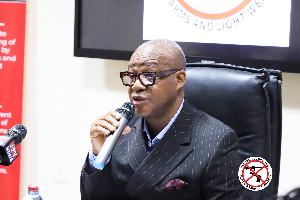

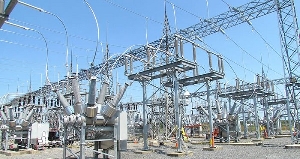
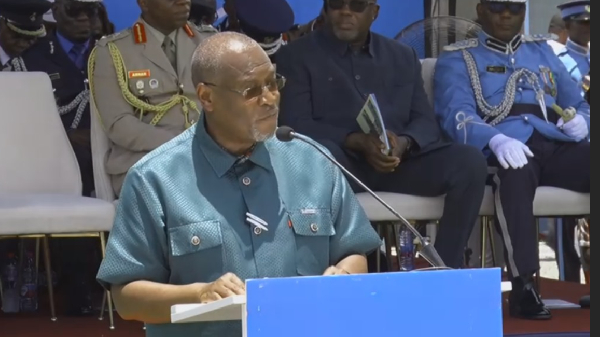

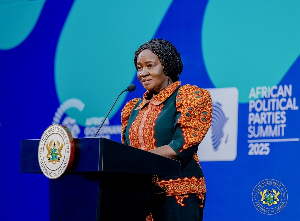

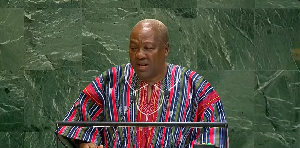
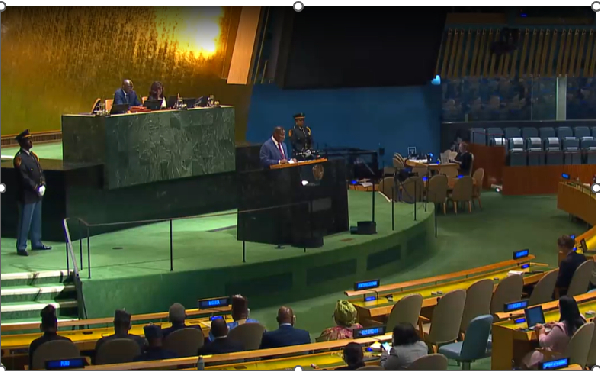

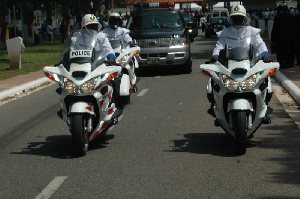

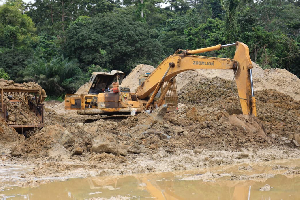


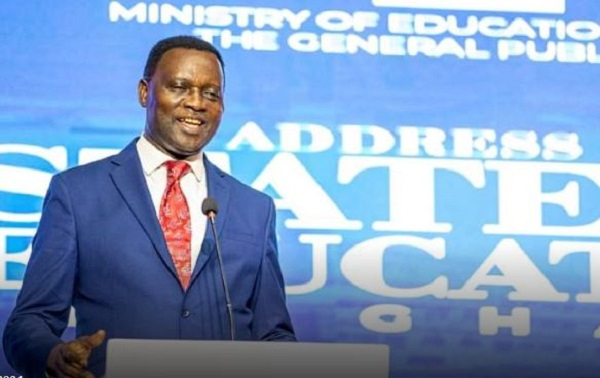

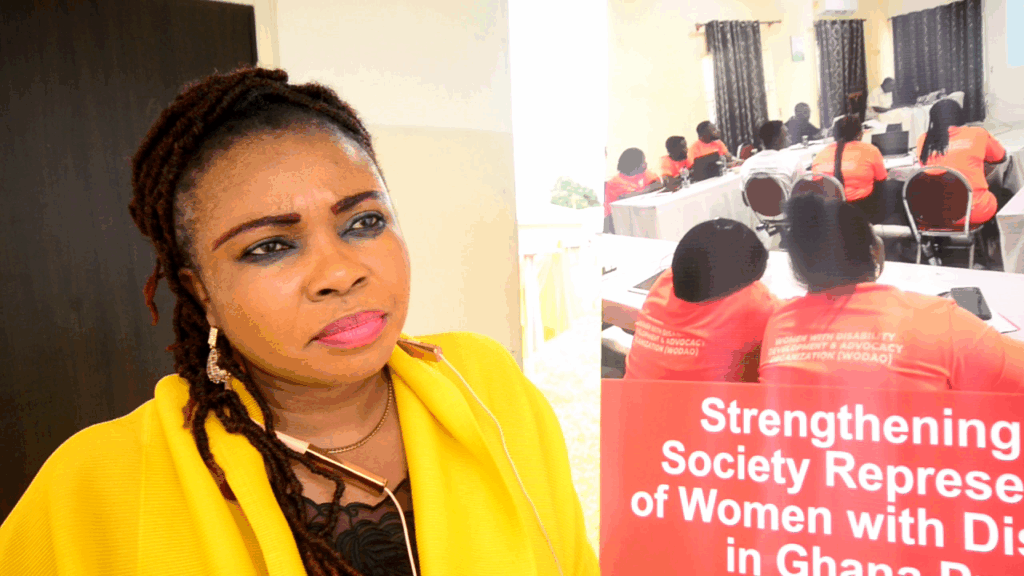
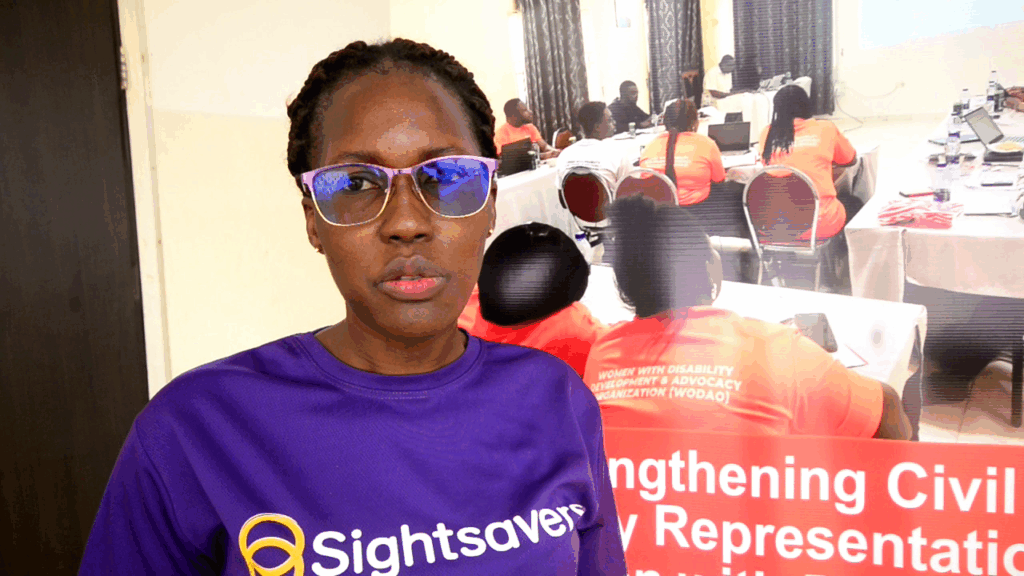


 In 2025, kimono outfits are more than just clothing—they are a fusion of culture, comfort, and style. From casual outings to glamorous events, these timeless yet modern pieces continue to dominate runways and street style globally.


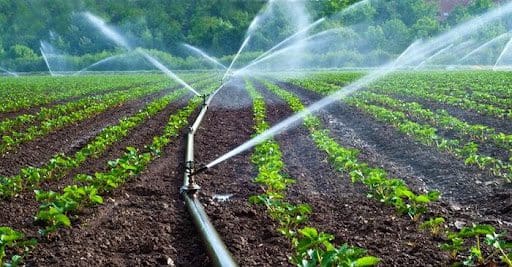








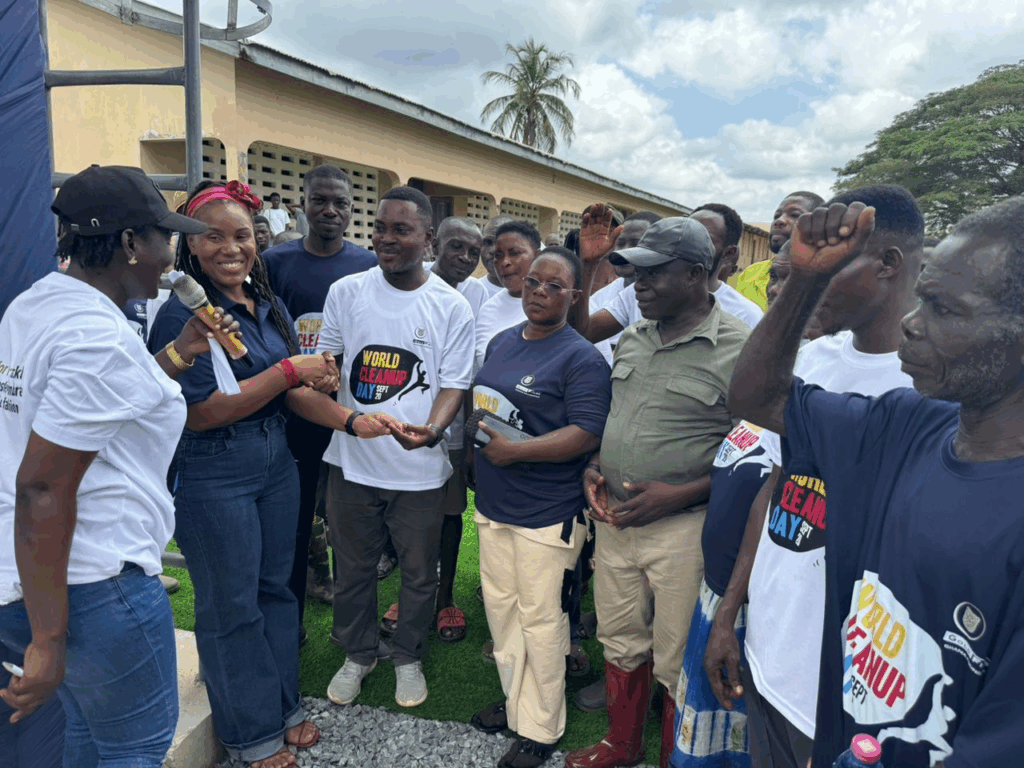









 According to a report by GhanaWeb, Charles Bissue, the Director of Operations for Kennedy Agyapong’s campaign team, has emphasized that the politician’s appeal in Ghanaian politics stems from his personal character rather than a regional stronghold.

 According to a report by GhanaWeb, Charles Bissue, the Director of Operations for Kennedy Agyapong’s campaign team, has emphasized that the politician’s appeal in Ghanaian politics stems from his personal character rather than a regional stronghold.