7.5 C
London
Saturday, December 27, 2025
Home Blog Page 413

Kabale man sentenced to 23 months over escaping from police

0

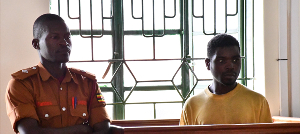
Daudi Tukamushaba in the dock at the Kabale chief magistrate’s court before he was sentenced Daudi Tukamushaba in the dock at the Kabale chief magistrate’s court before he was sentenced

The Kabale Chief Magistrate, Derrick Byamugisha, on Wednesday sentenced a 22-year-old man to 23 months’ imprisonment after he pleaded guilty to charges of escaping from lawful custody.

Daudi Tukamushaba is accused of committing the offence contrary to Section 96 of the Penal Code Act.

Prosecution led by Julie Najunju told the court that Tukamushaba, who is a self-employed resident of Rutabonana cell, Kahara parish, Muko Sub County in Rubanda District, escaped from custody at Kabale Police Station in Kabale District on October 10, 2025, but was later re-arrested.


The detention facility was being manned by D/CPL William Katushabe when Tukamushaba escaped.

“The accused was arrested in Kabale town on October 10 at around 2 am when he was found in possession of a panga whose purpose he could not account for at the time. After reaching Kabale police station, he scaled the back gate and ran away before he was re-arrested.  The convict deserves a deterrence sentence that will scare away other would-be offenders,” Najunju said.

Upon conviction, Tukamushaba asked the court for forgiveness.

Over 13k newly recruited nurses to be paid from November – Health Minister

0

Health Minister Kwabena Mintah Akandoh says government will begin paying the 13,000 newly recruited nurses and midwives from November 2025, after months of delay due to budgetary constraints.

Speaking in an interview on The Point of View on Channel One TV on Wednesday, October 15, Mr. Akandoh confirmed that arrangements are being made to settle the outstanding salaries, while regular monthly payments will begin next month.

“There will be some arrangement for the backlog but then from November all the 13,000 will be paid,” the Minister said. “From November we will pay the November salary and then we will communicate how we are going to stagger the payment.”

The announcement comes after criticism from the Minority in Parliament, who accused the Health Minister of misleading health workers over the status of their employment and payment.

Earlier, Mr. Akandoh had explained that although the previous administration issued financial clearance for the recruitment of about 13,500 nurses and midwives in 2024, no funds were allocated to pay them. The clearance expired on December 31, 2024, and none of the newly recruited health workers had been placed on the payroll by that time.

The Minister said the current government faced two choices — either send the nurses home or allow them to work while seeking ways to pay them. He said the administration chose the latter and has since been working with the Finance Ministry to gradually onboard the nurses onto the payroll.

“So half of them were being paid. The reality is that we captured about 10,000 of them on the payroll, but only 7,000 were being paid. Some of them have received payments from March,” he said.

Mr. Akandoh also revealed that additional costs, including arrears of allowances and unimplemented service conditions, have made the financial burden heavier than initially anticipated, prompting the need for Cabinet approval.

With the latest commitment to pay all affected nurses and midwives starting in November, the Health Minister expressed optimism that the situation is finally being resolved.

Read also

Akufo-Addo govt made no budget for over 13,000 nurses recruited in 2024 – Akandoh


Ghana could face 180,000 unemployed health professionals by 2028 – Akandoh

0

Health Minister Kwabena Mintah Akandoh has warned that Ghana could have as many as 180,000 unemployed trained health professionals by the end of 2028 if no immediate steps are taken to address the growing backlog.

According to the Minister, the current number of unemployed health workers stands at around 74,000. However, with thousands more graduating each year, the figure is expected to more than double within the next three years.

“By the end of 2026, we have an additional 23,000. By the end of 2027, we have an additional 35,000. By the end of 2028, we have about 47,000. So by the end of 2028, if we don’t employ anybody, this 74,000 is still outstanding — we will have not less than 180,000 trained and they will be at home,” he said.

The Minister made the comments during an interview on The Point of View on Channel One TV, as part of discussions around ongoing employment challenges in the health sector.

He explained that government is working on a gradual recruitment strategy and exploring international opportunities to manage the growing numbers.

“So there is a strategy going forward. What we are seeking to do now is that gradually, government will be employing some of them as we move along,” he said.

Mr. Akandoh also revealed plans to explore “managed migration” by partnering with other countries interested in hiring Ghanaian health professionals.

“We are also looking at what we call managed migration — how we will be able to export some of them. About 13 countries have responded, but the difficulty is that most of these countries that have responded, they need a specialist,” he added.

He also revealed that Ghana would need not less than GHS6 billion annually to clear the existing backlog of unemployed health professionals.

The comments come amid growing pressure from unemployed nurses and midwives demanding placement, and criticism from the Minority in Parliament over how the government is handling health sector employment.

Read also…

Akufo-Addo govt made no budget for over 13,000 nurses recruited in 2024 – Akandoh

Mahama to host Grenada Prime Minister for bilateral talks on Friday

0

President John Dramani Mahama will on Friday, October 17, host the Prime Minister of Grenada, Honourable Dickon Amiss Thomas Mitchell, for bilateral talks at The Presidency.

Honourable Dickon Mitchell will arrive in Accra on Thursday, 16 October 2025 (at 4:00 pm) for a two-day official visit, accompanied by Grenada’s Chief of Staff, Minister for Foreign Affairs, Trade and Export Development, as well as other top government officials.

The delegation will participate in the first Ghana-Grenada Political Consultation Meeting at the Ministry of Foreign Affairs shortly after the Prime Minister’s arrival on Thursday.

President Mahama will welcome the visiting Prime Minister for bilateral talks on Friday morning and host him to a State Luncheon after the meeting.

Prime Minister Mitchell is scheduled to visit the Kwame Nkrumah Memorial Park before departing the country later on Friday.

ABOUT GRENADA
Grenada is a volcanic Caribbean Island country in the West Indies with St. George’s as its capital. Ghana signed bilateral agreements on visa waivers and cooperation on Culture, Trade, and Education.

Read also

AT-Telecel merger can’t rival MTN, will weaken competition – Davis Opoku Ansah

I had no issues when Adwoa Safo replaced me as Gender minister- Cynthia Morrison

0

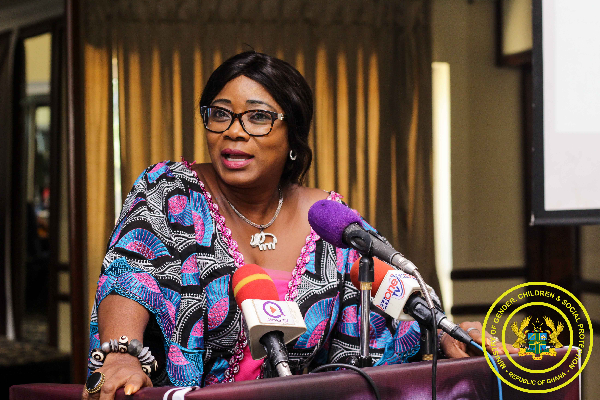
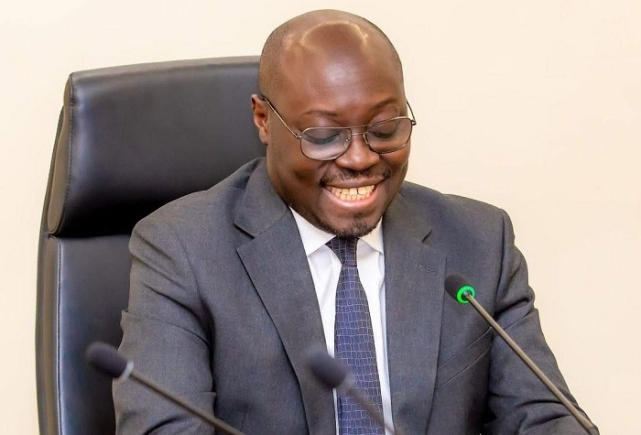
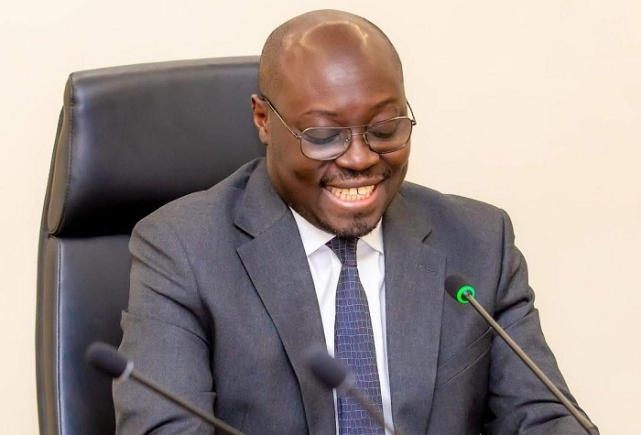
Former Minister for Gender, Children and Social Protection, Cynthia Mamle Morrison Former Minister for Gender, Children and Social Protection, Cynthia Mamle Morrison

Former Minister for Gender, Children and Social Protection, Cynthia Mamle Morrison, has stated that she harbored no ill feelings when she was replaced by Adwoa Safo in a ministerial reshuffle under the Akufo-Addo government.

Speaking on The Verdict with Isaac Addae on Tuesday, October 14, 2025, the former Agona West MP said the decision to replace her did not come as a shock and that she fully accepted it without resentment.

Morrison revealed that Adwoa Safo personally reached out to her before the official announcement, describing the gesture as thoughtful and reassuring.

“When they changed me and said it was Adwoa Safo, I said okay,” she recounted.

“Adwoa Safo was a Pan-African Parliament member who stepped down to become a minister. I was a first-timer in Parliament, and she actually nominated me to replace her.”

“She called me while I was on my way to work and said she wanted to surprise me so I wouldn’t be shocked. She told me my name would be mentioned in the chamber,” Morrison said, adding that she took the news with gratitude.

According to her, there was no animosity between them since both had a history of mutual support in their political careers.

“If Adwoa Safo was replacing me as Gender Minister, I had no issues at all,” she affirmed.

Morrison, who served under the New Patriotic Party (NPP) administration, later parted ways with the party to contest as an independent candidate after losing the NPP parliamentary primaries.

AMA arrests 21 traders for selling on open drains at Agbogbloshie market

0

The Accra Metropolitan Assembly (AMA) has arrested twenty-one (21) traders for displaying and selling their wares on open drains at the Agbogbloshie Market, in violation of the city’s sanitation and public health regulations.

The operation, which took place on Tuesday, was led by Public Health Officers from the Assembly as part of ongoing efforts to sustain cleanliness in the Agbogbloshie enclave.

It follows the National Sanitation Day exercise held a fortnight ago and the reintroduction of the Clean Ghana Campaign Train, a sustained citywide initiative to enforce hygiene and environmental health standards.

Prior to the enforcement exercise, the Mayor of Accra, Michael Kpakpo Allotey, had visited the market and announced a two-week intensive clean-up and desilting operation to restore hygiene and free the drains ahead of stricter enforcement.

Speaking after the exercise, the Metro Director of Public Health, Madam Florence Kuukyi, described Agbogbloshie Market as one of the largest and most critical food supply centres in Accra, noting that nearly 80 percent of food vendors and handlers across the city source their goods from the market.

She expressed concern that some traders had taken advantage of the market’s importance to engage in practices contrary to public health and sanitation regulations, adding that the Assembly’s bye-laws strictly prohibit trading on streets and along drains.

“What we continue to observe is worrying. People have abandoned their stalls and locked their shops, only to display goods along the streets. This behaviour causes traffic congestion, creates unsanitary conditions, and exposes food items to contamination,” she said.

The Public Health Director cautioned that dust from moving vehicles often carries microorganisms that settle on exposed food items, leading to potential foodborne diseases.

She also decried the habit of some traders who dispose of waste indiscriminately or push refuse into drains, saying such acts contribute to flooding when the rains come.

“Sanitation is a shared responsibility. It cannot be achieved by one person or one institution alone,” she stressed.

Kuukyi announced that the Clean Ghana Campaign Train would continue across all sub-metros in the metropolis, describing it as an unannounced and continuous exercise until full compliance with sanitation laws is achieved.

“You will never know when the campaign train will arrive, so it’s best to always keep your surroundings clean and operate according to the rules,” she warned.

She emphasised that traders had been duly informed and sensitised by the Information Services Department (ISD) of the Assembly over the past weeks on this exercise and the importance of moving off the drains and streets.

The Director also revealed that future enforcement would extend to those who patronise roadside traders.

“If there are no buyers on the streets, the sellers will have no choice but to return to their stalls,” she said, explaining that this measure would help restore order and protect public health.

She reminded traders that the Assembly’s enforcement actions were not meant to punish but to protect lives, noting that illegal trading along roads and drains could result in accidents and injuries.

Kuukyi announced that all food items confiscated during the operation would not be returned to offenders but donated to children’s homes within the city. She called on traders and residents to support the Assembly’s efforts to make Accra a cleaner, safer, and healthier city for everyone.

A palm nut seller at the market recounted how she once accidentally stepped on a tuber of yam, which led to a confrontation.

She applauded the ongoing exercise by the Assembly, urging officials to keep coming around to ensure people move back from the roads and drains.

She later expressed gratitude for the way the team was handling its duties and commended their approach, adding that their regular presence would greatly improve orderliness at the market.

Hearts of Oak face court action over $146,000 FIFA debt

0

Official logo of Accra Hearts of Oak Official logo of Accra Hearts of Oak

Former Accra Hearts of Oak Technical Director, Rene Hiddink, has initiated legal proceedings in Ghana to recover an outstanding amount of $146,400 owed to him by the club, following a ruling by FIFA earlier this year.

The Dutch football technician has filed a motion at the High Court in Tema, seeking permission to enforce a FIFA arbitral award as a judgment of the Ghanaian courts.

The move comes after the club failed to comply with a decision issued by the FIFA Players’ Status Chamber on June 24, 2025, which ordered Hearts of Oak to pay the said amount for breach of contract.

According to court documents filed by lawyer Theophilus Tawiah Esq. of Nobisfields Chambers, the application is being made under Section 59 of Ghana’s Alternative Dispute Resolution Act, 2010 (Act 798). This provision allows foreign arbitration awards, such as those from FIFA, to be recognised and enforced locally.

Hiddink, who was appointed by Hearts of Oak in late 2022 to provide technical direction and modern football structures, parted ways with the club in mid-2023 under disputed circumstances. Sources close to the situation indicate that the club allegedly failed to honour parts of his contract, including unpaid salaries and entitlements, leading him to seek redress at FIFA.

After ruling in his favour, FIFA directed the Phobians to pay $146,400 in compensation. However, with the club yet to comply, the Dutchman has now turned to the Ghanaian judicial system to compel enforcement.

If the High Court grants Hiddink’s application, the FIFA decision will be treated as a local judgment, enabling him to pursue enforcement measures such as seizure of assets or freezing of club accounts if payment is not made.

The case is expected to be heard later in October 2025, although the specific date is yet to be confirmed. Hearts of Oak are yet to make an official statement, but sources indicate that the club’s legal team is preparing a formal response to the court action.

Ghana can tax itself to meet development needs – Oxfam  

0

Ghana has the potential to generate sufficient tax revenue domestically, through stronger compliance mechanisms and public education on tax obligations, to meet its development needs without excessive borrowing, says Oxfam Ghana. 

That required the Government to give value for the taxes paid by individuals and businesses, curbing illicit financial flows, strengthening enforcement, and continuing public education. 

Dr Isaac Nwankwo, Research Consultant for the Oxfam Fair Tax Monitor Project, said this at the Fair Tax Monitor Report Workshop in Accra, calling for mechanisms to make tax affordable and easily paid. 

Drawing attention to the need for self-reliance, he said: “At the end of the day, let’s look at one thing: the country Ghana is our country. If everything fails and everybody decides not to give us money, we have to find money here in Ghana to pay ourselves.” 

“The country’s tax revenue potential is massive. If we are able to put our house in order, obviously, we should be able to tax ourselves to take care of our needs,” the Tax Consultant said. 

He said achieving that required creating an environment for all potential taxpayers to pay the appropriate taxes without challenges. 

He expressed concern over revenue losses through illicit financial flows and international tax arrangements, noting that those leakages often forced the government to borrow money to provide essential services while discouraging honest taxpayers. 

Dr Nwankwo called for continued empowerment of the Ghana Revenue Authority (GRA) with necessary resources, clear targets and sustained taxpayer education as ways of addressing the challenge, expanding the tax base and ensuring compliance. 

“In 2024, GRA made some significant growth in tax revenue. Let’s continue to make sure that we empower the revenue authority to do their work effectively,” he said, adding that educating taxpayers and potential taxpayers to know their obligations would also boost revenue collection. 

The Tax Consultant explained that certain international arrangements regarding money transfers led to financial losses to the State, calling on government to replicate recent efforts in the gold sector to address such revenue losses in other critical sectors of the economy. 

He commended the government for the establishment of the Gold Board, describing it as a positive step towards improving tax compliance in the mining sector, particularly addressing gold smuggling that continued to cause significant revenue losses. 

“The Gold Board is better than allowing the system to be the way it is, where everybody decides to do what they like to do, whether it is lawful or not. At least when money comes into the system, we can officially have it in our records,” he said. 

DISCLAIMER: The Views, Comments, Opinions, Contributions and Statements made by Readers and Contributors on this platform do not necessarily represent the views or policy of Multimedia Group Limited.

DISCLAIMER: The Views, Comments, Opinions, Contributions and Statements made by Readers and Contributors on this platform do not necessarily represent the views or policy of Multimedia Group Limited.

Ascend to the highest pinnacle – Asogli State blesses Asiedu Nketia 

0

Chiefs of Asogli State have blessed Johnson Asiedu Nketia, National Chairman of the National Democratic Congress (NDC), wishing him success and ascension to the highest pinnacle in his endeavours. 

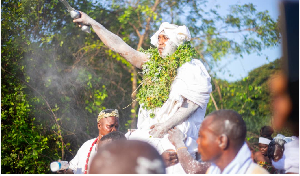
Togbe Adzie Lakle Howusu XII, Awafiaga of Asogli State, extended the blessings and good wishes to Mr Nketia for coming to thank them after the party’s 2024 victory, while acknowledging his leadership and dedication to the governing NDC. 

 Mr Nketia visited the Asogli Palace in Ho on Wednesday as part of his “Thank You Tour.”  

“May the gods of our land and the God Almighty above give you the strength, give you good health and protect you so that you succeed in all that you do…  

“We are so grateful that, as a mark of tradition, you didn’t come empty-handed. You’ve given us something. We’ll hold a libation and let our forefathers know that you are still the Chairman of the great party and that they should protect you. And wherever you want to go, may you ascend to the highest pinnacle.” 

Mr Nketia, on his part, expressed gratitude to the chiefs and people of the area for their electoral support to the NDC, highlighting the achievement of a massive win in the 2024 polls. 

He underscored the significance of face-to-face communication, saying that though the President earlier visited Ho, the Volta Region’s capital, to thank the region’s people, coming again as the party’s Chairman was a reflection of past practices during the late former President John Rawlings’ tenure. 

“And after thanking you, the other reason I think is that these types of meetings constitute the lifeblood of every organisation.

“Those who have been in NDC for long realise that during President Rawlings’ time, every six months, we deployed all government appointees, ministers and chief executive officers to reach out to all the constituencies in the country to explain government policies, the implementation, where we have reached and then also take feedback on the policies to government. 

“And by so doing, we were always able to carry the public along. For some time now, we’ve missed that opportunity,” Mr Nketia said. 

He advocated for the reinstating of these outreach programmes to maintain a strong connection with the public and assured them of his commitment to continue being an active and engaged leader. 

Mr James Gunu, Volta Regional Minister, described Mr Nketia’s visit to Ho and other constituencies as part of his ongoing nationwide Thank You tour as apt, saying the party, during the campaign period, called on the Volta region and Ghana to labour communally for victory, and it was just right to go back as a party to show gratitude.  

He referenced Luke 17:11-19 of the Bible to underline the need to show gratitude and to assure the electorate that the NDC would not wait till the election year to come to them, canvassing for votes. 

DISCLAIMER: The Views, Comments, Opinions, Contributions and Statements made by Readers and Contributors on this platform do not necessarily represent the views or policy of Multimedia Group Limited.

DISCLAIMER: The Views, Comments, Opinions, Contributions and Statements made by Readers and Contributors on this platform do not necessarily represent the views or policy of Multimedia Group Limited.

‘He was a gift to Ghana and Africa’

0

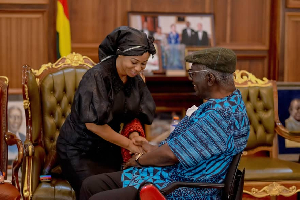
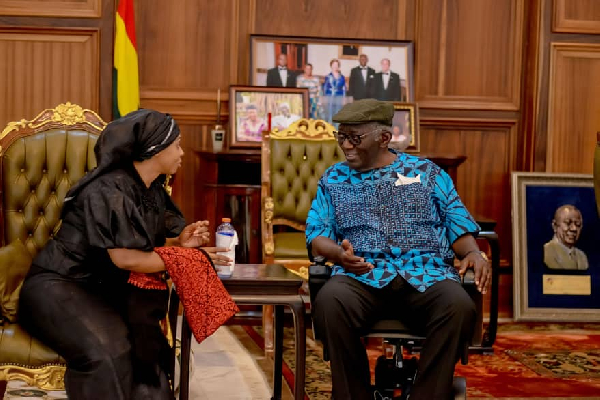
A photograph of Sarah Adwoa Safo (L) and Former President John Agyekum Kufuor (R) A photograph of Sarah Adwoa Safo (L) and Former President John Agyekum Kufuor (R)

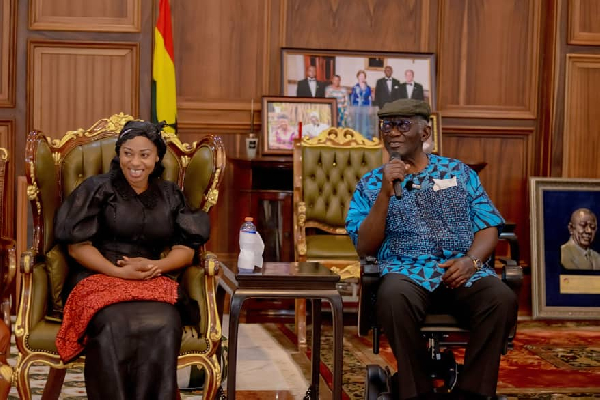
Former President John Agyekum Kufuor has described the late Apostle Professor Emeritus Kwadwo Safo Kantanka as “a grace and a gift not just to his family but to Ghana and the entire African continent.”

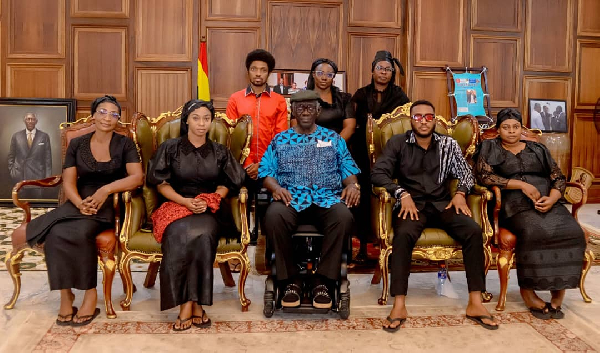
The former President made the remarks when Sarah Adwoa Safo, a former Member of Parliament for Dome-Kwabenya and daughter of the late Apostle, led a delegation from the Safo family to pay a courtesy call on him at his residence in Aburi.

President Kufuor noted that every life has its season and purpose, adding that Apostle Safo fulfilled his divine calling with excellence.

“Apostle lived his life well and told his own story before his passing,” he said, adding that the late inventor also “nurtured his children well,” evident in the unity and strength displayed by the family.

He recounted his personal relationship with Apostle Safo, stating that during his tenure as President, he honoured the industrialist’s contributions to national development with a state award, even though the Apostle could not attend the ceremony in person.

The former President also recalled attending one of Apostle Safo’s technology exhibitions in Gomoa in September last year, where he witnessed participants from around the world, a testament, he said, to “how far his work and personality appealed globally.”

Kufuor expressed his commitment to attending the Apostle’s 40th Day observation at the University of Ghana, Legon and encouraged the family to ensure a dignified and successful burial for the national icon.

On behalf of the family, Sarah Adwoa Safo expressed deep appreciation to the former President for his continuous support and counsel. She noted that the family will continue to rely on his “rich experience and guidance” as they work to preserve and advance the legacy of their late father.

Mosta FC announce signing of Ghanaian midfielder Simon Zibo – Ghana Latest Football News, Live Scores, Results

0

Ghanaian midfielder Simon Zibo has joined Maltese Premier League side Mosta FC. 

The former Ghana U23 player signed a one-year deal to join Mosta FC after leaving rivals Sliema Hiking.

Zibo has huge experience playing in the Maltese league, having featured for Birkirkara and Hiking in the last few years.

“Official Announcement. Mosta FC is pleased to announce the signing of Ghanaian midfielder Simon Zibo on a free transfer,” wrote the club on social media, confirming the signing of the midfielder.

The 27-year-old defensive midfielder started his career in Ghana with Liberty Professionals before moving to Portugal to join Vitoria Guimaraes.

After three years in the Iberian country he moved to Malta, where he has been plying his trade since 2022.

“We pledge to uphold the good name of Ghana”- Kamaldeen Sulemana reacts after Black Stars qualify for World Cup – Ghana Latest Football News, Live Scores, Results

0

Black Stars forward Kamaldeen Sulemana has pledged to make Ghana proud after helping the national team secure qualification to the 2026 FIFA World Cup in North America. 

The in-form Atalanta Bergamo star scored his first senior goal for the Black Stars after many attempts in the thumping 5-0 victory over the Central African Republic.

The West Africans sealed their spot in style with a 1-0 home win over Comoros to collect 25 from 30 points in Group I.

Although Sulemana was an unused substitute in the final game, the 23-year-old shared his excitement, posting on social media: “We pledge ourselves in all things to uphold and defend the good name of Ghana. So help us God.”

Sulemana made five appearances in the qualifiers after missing most of the early stages of the series due to injury.

Meanwhile, he is expected to make the team for the Asian tour next month as Ghana begin early preparations for the World Cup.

The former Southampton player has rediscovered his form and has been flying in Italy, scoring two goals in seven league games.

His stunner against Italian giants Juventus was voted Goal of the Month at Atalanta.

Players ‘misunderstood’ over exhibition criticisms

0

World number one Carlos Alcaraz says players are misunderstood when they want to play in exhibition tournaments alongside the demanding tennis calendar.

Alcaraz, 22, was among those critical of the workload in Asia, where some players struggled physically, with the Spaniard saying he would consider skipping mandatory events to prioritise his health.

He is top seed at this week’s lucrative Six Kings Slam in Saudi Arabia, a six-man tournament from 15 to 18 October that also includes Jannik Sinner, Novak Djokovic, Alexander Zverev, Taylor Fritz and Stefanos Tsitsipas.

There is a reported $4.5m (£3.4m) in prize money on offer at the exhibition, with some players also likely to have been paid seven-figure sums to appear.

Reports say the winner could take home up to $6m (£4.5m).

But Alcaraz feels that shorter-format events such as the Six Kings Slam are less gruelling than tour competitions, and therefore make fewer demands on the players.

He said: “A lot of players are talking about the calendar, how tight it is with a lot of tournaments, tournaments of two weeks, and then making excuses with exhibitions.

“It’s a different format, different situation playing exhibitions than the official tournaments, 15, 16 days in row, having such a high focus and demanding physically.

“We’re just having fun for one or two days and playing some tennis, and that’s great, and why we choose the exhibitions.

“I understand [the criticism], but sometimes people don’t understand us, our opinions. It’s not really demanding mentally [compared with] when we’re having such long events like two weeks or two and a half weeks.”

Alcaraz won his eighth title of the season in Tokyo last month despite an ankle injury sustained in his opening match that prompted him to pull out of the Shanghai Masters.

He will play in Saudi Arabia despite the injury not being fully healed. “Everything’s OK,” said Alcaraz. “I’ve been recovering the ankle as much as I can.

“I don’t feel 100% – the doubts are there when I’m moving on court, but it improved a lot and I’m going to compete and perform well in the Six Kings Slam.”

Alcaraz has a bye to the semi-finals of the event, which will be broadcast on Netflix, where he will face Fritz on Thursday after the American gained a 6-3 6-4 victory over Zverev.

In Wednesday’s other quarter-final, world number two Sinner beat Tsitsipas 6-2 6-3 and will face Djokovic in the semi-finals.

DISCLAIMER: The Views, Comments, Opinions, Contributions and Statements made by Readers and Contributors on this platform do not necessarily represent the views or policy of Multimedia Group Limited.

DISCLAIMER: The Views, Comments, Opinions, Contributions and Statements made by Readers and Contributors on this platform do not necessarily represent the views or policy of Multimedia Group Limited.

Nana Akufo-Addo congratulates Black Stars after qualifying for 2026 FIFA World Cup – Ghana Latest Football News, Live Scores, Results

0

Former Ghana president, Nana Addo Dankwa Akufo-Addo, is the latest to congratulate the Black Stars following their World Cup qualification. 

The Black Stars secured qualification after finishing top of Group I with 25 points after ten games.

The qualifiers started under the former president’s regime before it was completed in 2025 following the return of the NDC government.

After Ghana’s 1-0 victory over Comoros, Akufo-Addo took to social media to celebrate the team posting: “Warm congratulations to our gallant Stars. Our nation stands proud with you.”

The Black Stars had endured a tough period following their failure to qualify for the Africa Cup of Nations in Morocco later this year.

However, the former African champions recovered to secure a fifth appearance at the World Cup.

The 2010 World Cup quarter-finalist will start preparation to the World Cup with a tournament in Asia next month.

The Black Stars will also find out about their opponents at the World Cup in North America in a draw to be held in Washington DC on December 5, 2025.

Elvis Afriyie-Ankrah urges church to preach a balanced gospel that builds nations

0

Presidential Envoy for Interfaith and Ecumenical Relations, Elvis Afriyie-Ankrah Presidential Envoy for Interfaith and Ecumenical Relations, Elvis Afriyie-Ankrah

The Presidential Envoy for Interfaith and Ecumenical Relations, Elvis Afriyie-Ankrah, has urged the Church to return to preaching a balanced gospel, one that not only saves souls but also builds nations through integrity, diligence and compassion.

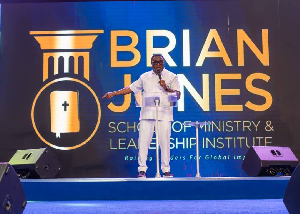
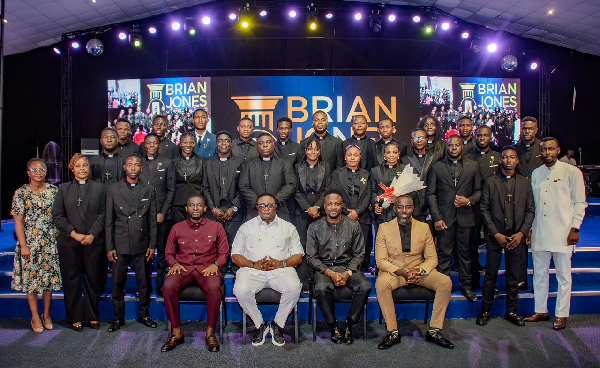
He made the call while delivering the keynote address at the 9th Graduation and Ordination Ceremony of the Brian Jones School of Ministry & Leadership Institute in Accra on Saturday, October 11, 2025, where he spoke on the theme, “The True Power of a Balanced Gospel.”

Afriyie-Ankrah reminded the clergy and graduands that the gospel of Jesus Christ is a divine force for the transformation of nations and not merely a message of personal comfort or convenience.

“The gospel that changed societies was one of conviction, character and commitment to righteousness,” he stated.

“It teaches that integrity is worship, diligence is divine, and that true prosperity comes through honest labour and not shortcuts.”

He emphasised that throughout history, the gospel of Jesus Christ has proven to be more than a message of personal salvation; it is a divine catalyst for national transformation.

“The gospel that changed Europe and shaped civilizations was one of conviction, character and commitment to righteousness—not convenience or comfort,” he declared.

Elvis Afriyie Ankrah turns pastor; preaches about wisdom

The Presidential Envoy further stressed that the Church must return to the full counsel of God—preaching a balanced gospel where faith meets responsibility, prayer inspires productivity and anointing is anchored in integrity.

“The gospel that builds nations,” he noted, “is one that renews the mind, reforms conduct and rebuilds societies.

“It is a gospel that calls every believer whether in the pulpit, parliament or marketplace to live by righteousness, diligence and compassion.”

Afriyie-Ankrah also conveyed the warm congratulations and admiration of John Dramani Mahama, President of the Republic of Ghana, for the Institute’s work in raising men and women of faith, purpose and leadership.

He further noted that President Mahama’s Reset Agenda and 24-Hour Economy vision align closely with gospel principles of hard work, moral responsibility and national transformation.

“Ghana and Africa need leaders who can combine spiritual integrity with practical wisdom—leaders who can heal divisions, uplift the weak and build bridges across faiths and communities,” he added.

Afriyie-Ankrah commended Pastor Brian Amoateng, Founder and President of the Institute, and his team for their dedication to training value-driven leaders who impact both the Church and society.

He concluded by calling on the Church to rise again as the moral compass of the nation.

“If we preach not just the gospel of miracles but the gospel of meaning—of truth, work, and compassion—then righteousness will once again exalt our nation,” he affirmed.

On behalf of President Mahama, he congratulated all graduands and blessed the Brian Jones School of Ministry & Leadership Institute for nine years of transformative service.

‘If you want to lie, lie intelligently’ – ElBernard descends on NPP’s Ofosu Nkansah

Mexico Embassy partners with ‘Gastro Festival 2025’ for Afro culinary experience

0

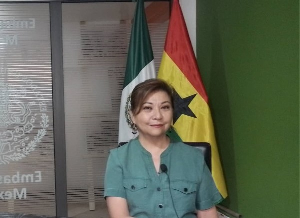
Norma Ang, is the Mexican Ambassador to Ghana play videoNorma Ang, is the Mexican Ambassador to Ghana

The main objective of the Gastro Festival 2025 is to showcase the embassies participating in the culinary segment of the Afro Gastro Festival, emphasising their cultural contributions, the significance of food in diplomacy and generating excitement for the event.

According to a report by GhanaWeb TV on October 15, 2025, Norma Ang, the Mexican Ambassador to Ghana, discusses “Cultural Representation through Cuisine” by introducing her embassy and outlining the dishes she will be presenting at the Afro Gastro Festival.

“The Embassy of Mexico is truly honored to participate in this Afro Gastro Festival. In this edition, we will prepare fish and seafood soup, as well as a refried beans dip served with tortilla chips.”

She then elaborates on the cultural and historical significance of these dishes in Mexico and explains why she chose them to represent her country.

“This dish is important in the region of Costachica, located in the state of Guerrero in Mexico. Guerrero is one of the 32 states into which Mexico is politically divided and it encompasses the well-known beach city of Acapulco. This region is home to many Afro-Mexican populations, which is why we chose this dish.”

Ang highlights “Food Diplomacy and Cultural Exchange,” noting that she views food as a tool for cultural diplomacy and fostering mutual understanding between countries.

“I believe that gastronomic and cultural activities are key elements in bilateral relationships and we are excited to participate in this festival.”

She remarks on how gastronomic experiences play a crucial role in promoting cultural activities, as cuisine is integral to national identity.

When asked about her participation in similar festivals or cultural exchange programs in the past, Ang shares her experiences.

“Participating in this Gastronomic Festival showcases the importance and connectivity between Mexico and Ghana. The Mexican Embassy is always open and willing to engage in these kinds of festivals with the Ministry of Culture.”

Ang discusses her “Expectations and Engagement,” sharing her anticipation for the Afro Gastro Festival, her hopes for attendees’ takeaways from experiencing her country’s cuisine and whether embassy representatives or chefs will be on-site to interact with the public.

She concludes by emphasising “Festival Visibility and Future Collaborations,” discussing the importance of embassies participating in cultural events like these, and whether there are any future cultural collaborations or events her embassy is planning or looking forward to.

“It is very important for us as an embassy to participate in these kinds of festivals because they provide a platform to share our culture and highlight our similarities, particularly in relation to the Afro-Mexican community and the African roots present in Mexico.”

She added, “Last year, we signed a Memorandum of Understanding (MoU) on Cultural Collaboration and Cooperation. We are eager to participate in future cultural events, which I will share with the public.”

When mentioning her “Personal Touch,” she shares her favorite dish from her country that she would love the world to try.

“For my country’s cuisine, I would encourage everyone to experience them all.”

Finally, she reflected on a memorable food-related experience she has had since arriving in Ghana.

“I have discovered that we have similar cuisines, especially regarding the use of chili. I find Ghanaian food a bit spicier than traditional Mexican dishes, but we share common roots in our gastronomy.”

NAD/AM

Mexico Embassy partners ‘Gastro Festival 2025’ for Afro culinary experience

Prudential Bank launches breast cancer screening campaign in Takoradi

0

Prudential Bank has kicked off its breast cancer screening campaign in Takoradi, marking the first of five screenings scheduled across the country this month of October.

Over 300 women participated in the event held at the Church of Pentecost premises at Kwesimitim with the aim of raising awareness on breast cancer.

Head of Brand at the Bank, Jamila Disu said “the screening is part of our annual initiative to promote breast cancer awareness and encourage people to check for early detection. We believe that early detection is key to saving lives.”

She indicated that similar screening exercises will be conducted in Accra, Tema, Kumasi, and Tamale, providing essential health services to communities across the country.

“Last year, the Bank screened over 1,200 individuals, with 327 screened in Tamale alone. This year, our target is to exceed this number. The beauty of it is that we are visiting the same centres we undertook the exercises last year. This way, those who benefitted previously have the chance to be checked again,” Jamila said.

This initiative is part of Prudential Bank’s ongoing efforts to contribute to the well-being of its customers and the communities it serves.

Breast cancer is one of the most common cancers affecting women worldwide, with over 2.3 million new cases diagnosed globally each year. Men are at risk as well even though it is more prevalent in women. Early detection and treatment can significantly improve outcomes and survival rates among the population.

In Ghana, breast cancer is a significant health concern, with many cases being diagnosed at advanced stages.


Explore the world of impactful news with CitiNewsroom on WhatsApp!

Click on the link to join the Citi Newsroom channel for curated, meaningful stories tailored just for YOU:
https://whatsapp.com/channel/0029VaCYzPRAYlUPudDDe53x

No spam, just the stories that truly matter! #StayInformed #CitiNewsroom #CNRDigital

Mixed reactions trail ORAL prosecutions

0

One of the respondents who spoke with GhanaWeb TV play videoOne of the respondents who spoke with GhanaWeb TV

Following recent activities by Operation Recover All Loot (ORAL), concerns have emerged from both public officials and citizens over individuals who have been publicly named but not yet formally prosecuted.


‎Among those calling for swift legal action are former Auditor-General Daniel Yao Domelevo and Ghanaian comedian and social commentator Kwaku Sintim-Misa (KSM).

They argue that the slow pace of prosecutions undermines the credibility of the initiative and erodes public trust.


‎In response to these concerns, GhanaWeb TV took to the streets of Accra to gauge public opinion.

While views were mixed, some Ghanaians expressed frustration, insisting that once individuals are found guilty, they should be arrested and jailed without delay.


‎Others, however, emphasised the need for due process, arguing that being named in a report does not automatically equate to guilt. They stressed that prosecutions must be evidence-based to ensure fairness and uphold the rule of law.


‎”I wouldn’t say ORAL is either good or bad. As long as it operates within the bounds of the constitution, that’s fine. When it should take effect depends on the leadership and what the constitution allows. Democracy is expensive and as citizens, we need to exercise patience,” one of the respondents told GhanaWeb TV.


‎He added, “You can’t just arrest anyone. It must be done according to the constitution. If there’s evidence of embezzlement or corruption, then yes prosecutions should follow, but still within legal bounds. We cannot dictate to the law. The law is the law.”


‎Another respondent added, “The money belongs to the country, not individuals. So, for me, I believe those implicated should be arrested and the money recovered for the nation.


‎”We expected results from ORAL within three months, but it’s been almost a year and we have seen very little. Personally, I suspect political interference—you wash my hand, I wash yours.”

Another added, “Politicians may fear that if they prosecute others today, they themselves could be prosecuted tomorrow when they’re out of power. That is why I believe it is a matter of political will, they are simply not ready to act,” another respondent added his voice.


‎”That said, I think the government is doing its best by going after the people, even if arrests haven’t happened yet.”


‎Another said, “Investigating them is a step forward. You can’t just accuse someone of stealing and throw them in jail—you need evidence. I believe they’re still gathering that.


“‎It’s only been about nine or ten months. That is not too long. I think we should give them up to a year. If after that there’s still no progress, then we can start asking questions. But for now, it is too early.”


‎”We’re not in support of corruption. We speak against it every day. That’s why I believe those involved should be arrested. That is my opinion.”


Watch the full views of the respondents on GhanaWeb TV below:

VKB/

Breathing Death: Vulnerable lives at the mercy of Accra’s dirty air

0

Albert Oppong-Ansah

Accra, Oct. 14, GNA – On a busy Monday morning in and around Accra’s Kwame Nkrumah Interchange, traffic is at a standstill. Drivers lean on their horns, street hawkers weave between cars, and motorbikes squeeze through narrow gaps.

Amid the chaos, a grey haze hangs stubbornly in the air. For commuters, it is just another day. For doctors and scientists, it is a silent emergency.

A new study has revealed that air pollution has overtaken malaria, HIV/AIDS, and road accidents as Ghana’s leading cause of death, claiming over 30,000 lives each year.

The toll is higher than most Ghanaians would imagine, with fine dust and toxic fumes now responsible for illnesses ranging from asthma and chronic coughs to heart disease and lung cancer.

“I have lived in Accra all my life, and breathing has never felt this heavy,” says Ama Korkor, a 46-year-old trader at the Kaneshie Market.

She was diagnosed with bronchitis last year and has since been on regular medication. “Doctors told me the smoke from burning rubbish and the fumes from cars are making my condition worse. But what can I do? I work here every day.”

Ama’s story reflects a grim reality captured by the PSS Urbania Consult study, supported by the Clean Air Fund, a global philanthropic initiative tackling air pollution worldwide.

Over a year of monitoring air quality at more than 60 locations in the Greater Accra Metropolitan Area, the research confirmed what residents like Ama already feel in their lungs: the air is dangerously polluted.

Invisible killers in the air

The study tracked pollutants such as Particulate Matter 2.5 (PM2.5) and PM10 particles , sulfur dioxide, and nitrogen dioxide.

It PM2.5. is a microscopic particle small enough to slip into the bloodstream, were found at levels far exceeding both World Health Organisation guidelines.

“These particles are invisible, but their impact is devastating,” explains Dr. Michael Mensah, Municipal Chief Executive of Ayawaso West.

“They are linked not only to respiratory diseases but also cardiovascular conditions, strokes, and premature deaths. The fact that air pollution is now our number one killer shows how urgent this problem has become.”

The research identified hotspots where pollution is particularly severe, including Ablekuma Central, Ashiedu Keteke, Okaikoi South, and Ayawaso municipalities.

These areas, densely populated with congested traffic, markets, and open burning sites, illustrate the link between urbanisation and declining air quality.

The human cost

Doctors say the numbers confirm what they see daily. Dr. Louisa Ademki Matey, the Municipal Director of Health for Ayawaso West Municipality, says URTI OPD morbidity cases had nearly doubled between 2021 and 2023.

“This is a disturbing trend and of great concern to us. The cases have actually increased consistently, from 13,368 to 25,789. Now we are dealing with a double burden of diseases,” she says.
Dr. Matey said air pollution has a connection with non-communicable diseases like
URTI, explaining that inhaling poor air that has small particles gets into one’s bloodstream and impairs its functions as well as those of other organs.

“Inasmuch as air pollution has a link with URTI, we at this Health Directorate are in the process of examining the data, connect with the facilities to look at the risk factors, the conditions closely segregate the data.”

“We treat patients who have never smoked a cigarette in their life but whose lungs look like those of lifelong smokers,” she says. “The environment they live in is poisoning them.”

Children are among the most vulnerable. In Alajo, 11-year-old Kojo often misses school because of severe asthma attacks.

His mother, Efua, points to a nearby dumpsite where waste is openly burned. “When the smoke rises, Kojo can’t breathe.

We have rushed him to the hospital three times this year alone,” she says, her voice heavy with worry.

The economic toll is equally staggering. Families like Efua’s spend a significant portion of their income on hospital visits, medication, and inhalers. The broader cost to Ghana’s health system and productivity runs into billions of cedis annually.

A call for clean air

At a recent validation workshop, Percy Anaab Bakan, a Planner, stressed that tackling air pollution must move beyond talk.

“This is Ghana’s most urbanised and industrialised region. Our local government authorities are preparing medium- and long-term plans, and cleaner air must be at the heart of our national development agenda,” he says.

His words echo growing recognition that air quality is not just an environmental issue but a development priority, intersecting with health, climate change, and economic growth.

Dr. Elvis Kyere Gyeabuor, representing the Clean Air Fund, urged municipalities to take ownership of air quality monitoring and solutions beyond donor-supported projects. “This should not be the end of the process but the beginning of long-term local action,” he said.

What can be done?

Experts say solutions exist: stricter vehicle emission standards, phasing out open waste burning, promoting clean cooking fuels instead of firewood and charcoal, and enforcing regulations on industrial pollution. Urban planning reforms, greener transport, and investment in clean energy are also critical.

Yet for many Ghanaians, these reforms feel distant. “We hear about policies, but what we need is action on the ground,” says Ama, a trader at Kaneshie. “We just want to breathe clean air.”

The way forward

Air pollution is no longer the invisible issue it once was. The study’s findings, backed by lived experiences, paint a stark picture: unless decisive steps are taken, the silent killer in Ghana’s air will continue to steal lives, particularly in the country’s bustling capital.

As Dr. Mensah put it, “If we succeed in reducing air pollution, we don’t just save lives, we make our cities healthier, our economy stronger, and our future brighter.”

For Ama, for Kojo, and for millions of Ghanaians, that future cannot come soon enough
GNA
14 Oct. 2025
Edited by Samuel Osei-Frempong

Ghana’s economic orientation is built to import, not to export – Prof Godfred Bokpin

0

Economist Professor Godfred Bokpin has said Ghana’s economic orientation is not structured to promote exports but to encourage imports.

Speaking on JoyNews’ PM Express on October 15, he warned that without fixing the country’s deep structural issues, policies like the zero-tariff trade deal with China will do little to strengthen Ghana’s economic base.

“If you look at our economic orientation, it is not designed to favour exports,” Prof. Bokpin said, adding, “Everything we are doing here is largely to make us more import-driven.”

He explained that key macroeconomic fundamentals reflect this imbalance.

“You look at low exchange rates. You look at inflation on imported items—it’s lower than inflation on locally produced goods,” he said.

“Look at all those fundamentals. Look at your financial system. Your financial system is not designed to enable export. Your financial system is designed to support imports.”

Prof. Bokpin pointed to the distribution of private sector credit as evidence of the problem.

“Look at the composition of private sector credit, and you will see the portion that goes to agriculture and manufacturing compared to the portion that goes to services, which essentially fund trade.

“The structure of the financial sector itself is to enable import and not production,” he said.

He noted that such an orientation limits Ghana’s ability to benefit from trade agreements or global market opportunities.

“There are real structural issues that we need to fix,” he stressed. “Even with some level of tariff, we could still be competitive if we fixed these issues. But without that, tariff alone doesn’t change the game.”

Prof. Bokpin also highlighted the infrastructure gap that undermines competitiveness.

“If a firm is situated in Accra and has to access raw material from, say, Cape Coast or Takoradi on this road, how competitive can you get?” he asked.

“The distance between Beijing and Shanghai is 1,200 kilometres, and a train does that in less than five hours. The distance between Accra and Kumasi is about 250 kilometres, and it takes people 10 hours. Others don’t even arrive.”

He said the lack of competitiveness has forced some businesses to relocate to neighbouring countries.

“If Ivory Coast is talking the way we are talking, or Rwanda, you’d understand, because they are putting in place the fundamentals. Some businesses in Ghana today prefer to operate from the Ivory Coast rather than set up here.”

Prof. Bokpin further questioned Ghana’s preparedness in trade negotiations, especially with major economies like China.

“Have we sat down to develop a strategy? Does Africa have a strategy to engage the rest of the world?” he asked.

“Having the African Continental Free Trade Area doesn’t mean we are taking advantage of it. It’s like saying that because Africa has more slots in the World Cup, it will win. It depends on how you prepare your players, who are your industrial sector actors and investors.”

He concluded that Ghana’s lack of export competitiveness, high cost of credit, and poor infrastructure are holding back its growth potential.

“We are not laying the economic foundation that allows us to take advantage of these things,” he said.

“Without fixing the fundamentals, we will remain import-dependent, no matter what trade agreements we sign.”

DISCLAIMER: The Views, Comments, Opinions, Contributions and Statements made by Readers and Contributors on this platform do not necessarily represent the views or policy of Multimedia Group Limited.

DISCLAIMER: The Views, Comments, Opinions, Contributions and Statements made by Readers and Contributors on this platform do not necessarily represent the views or policy of Multimedia Group Limited.

Tension at Manso Nyankomase as residents protest military assault that left five injured

0

Eyewitnesses told journalists that military officers stormed the community to enforce a directive Eyewitnesses told journalists that military officers stormed the community to enforce a directive

Tension is mounting at Manso Nyankomase in the Amansei South District of the Ashanti Region after a violent clash between residents and military personnel left five people injured.

On Tuesday October 14, 2025, scores of angry residents poured onto the streets, burning tyres and chanting protest songs to demand justice and swift government action.

Their demonstration brought activities in the community to a standstill for several hours.

The unrest followed an incident on Monday, October 13, 2025, during a reclamation operation on a disputed mining site.

Eyewitnesses told journalists that military officers stormed the community to enforce a directive linked to the operation.

However, their presence was met with fierce resistance from residents, who insisted they had not been given prior notice.

“We were not informed about any exercise. They just entered the town and started beating people. It was pure intimidation,” a resident claimed.

Several protesters accused the soldiers of using brute force and assaulting innocent people without provocation. Five individuals were reportedly injured during the chaos and taken to health facilities for treatment.

As of press time, no official statement had been issued by the relevant authorities regarding the incident. Meanwhile, community members say they will continue their protest until their grievances are addressed.

‘Disability legislation in Ghana is not a verdict but a challenge’ – Dr James Kwabena Bomfeh declares

0

The event brought together academics, policymakers, disability advocates and students The event brought together academics, policymakers, disability advocates and students

Political scientist and development scholar Dr James Kwabena Bomfeh Jnr has called on Ghanaians to view disability not as a limitation but as an integral part of humanity, urging collective commitment to inclusion and justice.

“For the stark reality of disability legislation in Ghana is not a verdict. It is a challenge,” he declared, inspiring the audience to “see ourselves as one people; one nation; one destiny.”

Speaking at the inaugural John Agyekum Kufuor Annual Disability Lecture (JAKAD), held at the University of Professional Studies, Accra (UPSA) on October 14, 2025, under the theme “The Stark Reality of Disability Legislation in Ghana,” the lecture was jointly organised by the John Agyekum Kufuor Foundation, Konrad Adenauer Stiftung (KAS), Rights of Youth and Disability (RYD) International and UPSA.

The event brought together academics, policymakers, disability advocates and students to reflect on the progress and challenges of Ghana’s Persons with Disability Act, 2006 (Act 715).

Dr Bomfeh who doubles as

The Executive Director of Youth and Disability (RYD) International

noted that naming the lecture after former President John Agyekum Kufuor, while he is still alive was a living tribute to his moral clarity and legislative courage.

“President Kufuor did not merely preside over a government; he presided over a moment of moral awakening,” he said.

He referenced the former President’s role in signing into law Act 715, which remains one of Ghana’s most consequential social justice instruments.

He observed that Kufuor’s personal journey from being able-bodied to using a wheelchair added symbolic depth to the evening’s theme: “He assented to Act 715 with no known disability but today uses a wheelchair. His life embodies the truth that disability is as universal as life itself.”

He described the passage of the Persons with Disability Act as both historic and incomplete.

“While Act 715 was a landmark, it was not a destination,” he cautioned, lamenting that nearly two decades later, implementation gaps persist.

“Public infrastructure remains hostile to access. Employment discrimination endures. And the voices of persons with disabilities are too often muffled in policy corridors,” he noted.

He cited examples of wheelchair users still being carried into public buildings nearly ten years after the law’s deadline for accessibility retrofitting expired in 2016.

He therefore stressed that “legislation without implementation is like symbolism without substance. Disability inclusion is not charity. It is justice.”

According to statistics cited by Dr Bomfeh, Ghana’s population of persons with disabilities (PWDs) has risen sharply from 737,743 in 2010 to over 2 million in 2021, representing about eight percent of the national population.

Globally, over 1.3 billion people about 16 percent of the world’s population live with some form of disability.

He also warned that disability exclusion has economic costs, noting that the World Bank estimates that the unemployment of PWDs can cost developing economies up to 7% of GDP.

Anna-Lena Sabroso-Wasserfall, KAS Country Director for Ghana, reaffirmed the foundation’s commitment to supporting democratic inclusion.

“A society’s strength is measured not by its wealth or institutions, but by how it values and includes every human being,” she said.

Professor John Kwaku Mensah Mawutor, Vice-Chancellor of UPSA, praised the lecture as a timely intervention to promote inclusive education and policymaking.

Traditional ruler Nana Kobina Nketsia V added his voice, reflecting on the need for society to appreciate the “abilities within disabilities” and to harness the intellectual and creative potential of all citizens.

Meanwhile, catch the highlights of Sarkodie x Shatta Wale’s epic performance at Rapperholic Homecoming on GhanaWeb TV below:

Watch as some Ghanaians demand quick prosecutions in ORAL cases

Banker enstooled as chief of Dzuefe-Gbordome

0

Maxwell Tsatsu Tsifodze, a seasoned banker, has been enstooled as Chief of Dzuefe-Gbordome Maxwell Tsatsu Tsifodze, a seasoned banker, has been enstooled as Chief of Dzuefe-Gbordome

Maxwell Tsatsu Tsifodze, a seasoned banker, has been enstooled as Chief of Dzuefe-Gbordome, a farming community in the Akatsi South Municipality of the Volta Region.

He ascends the stool under the traditional title Torgbui Esru III, succeeding his late father, Torgbui Esru II, a respected traditional ruler and former General Manager of Avenor Rural Bank PLC, renowned for his visionary leadership and commitment to rural development.

The colourful coronation ceremony, held on Sunday, October 12, 2025, drew a large gathering of traditional leaders, elders, youth groups, religious figures, government representatives, and residents from both the diaspora and neighbouring communities.

It was marked by traditional drumming, dancing, and other customary rites that highlighted the rich cultural heritage of the Dzuefe-Gbordome people.

In an interview with the Ghana News Agency (GNA) shortly after his enstoolment, Torgbui Esru III expressed profound gratitude to the kingmakers, elders and people of Dzuefe-Gbordome for the confidence reposed in him.

“I am humbled by this great responsibility and deeply honoured to serve my people. I pledge to continue the legacy of my late father by promoting peace, unity and inclusive development,” he said.

The newly enstooled chief, who brings vast experience from the banking sector, outlined a development vision aimed at improving the socio-economic well-being of the community. His priorities include tackling youth unemployment, improving access to quality education and healthcare and lobbying for improved road infrastructure to open up the area for investment and trade.

He also underscored the need for stronger partnerships with government agencies, non-governmental organisations, and development partners to drive sustainable growth.

Highlighting the area’s agricultural potential, particularly in cassava cultivation, Torgbui Esru III pledged to champion the establishment of a cassava processing factory to add value to local produce and create jobs.

“We are blessed with fertile lands and hardworking people. With the right support, we can turn our agricultural resources into real economic gains,” he noted.

He further announced plans to collaborate with relevant institutions to establish a health centre in Dzuefe-Gbordome to enhance access to healthcare, especially for women and children.

The chief also appealed to the youth to embrace peace, unity, and hard work, and to take advantage of government programmes in agriculture, entrepreneurship, and vocational training to empower themselves and contribute to local development.

Community elders and residents have welcomed the enstoolment of Torgbui Esru III, describing him as a leader of integrity, humility and vision.

“He is not only our son but a proven professional with experience and foresight. We are confident that his leadership will bring renewed energy and progress to our community,” an elder said.

As Dzuefe-Gbordome begins a new chapter under Torgbui Esru III, many residents expressed optimism that his reign will usher in a new era of unity, growth and prosperity for future generations.

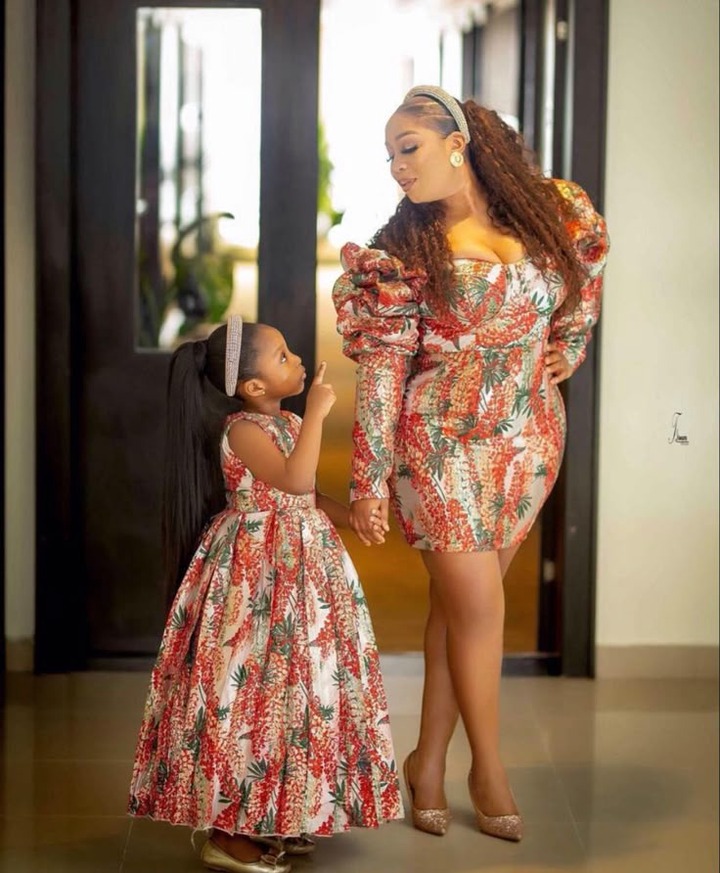
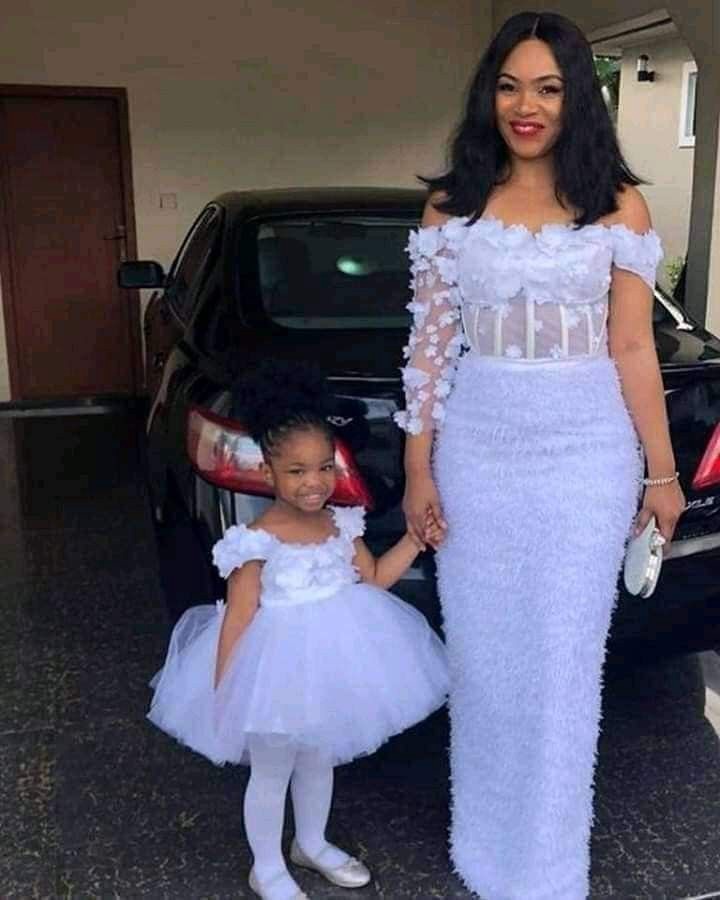
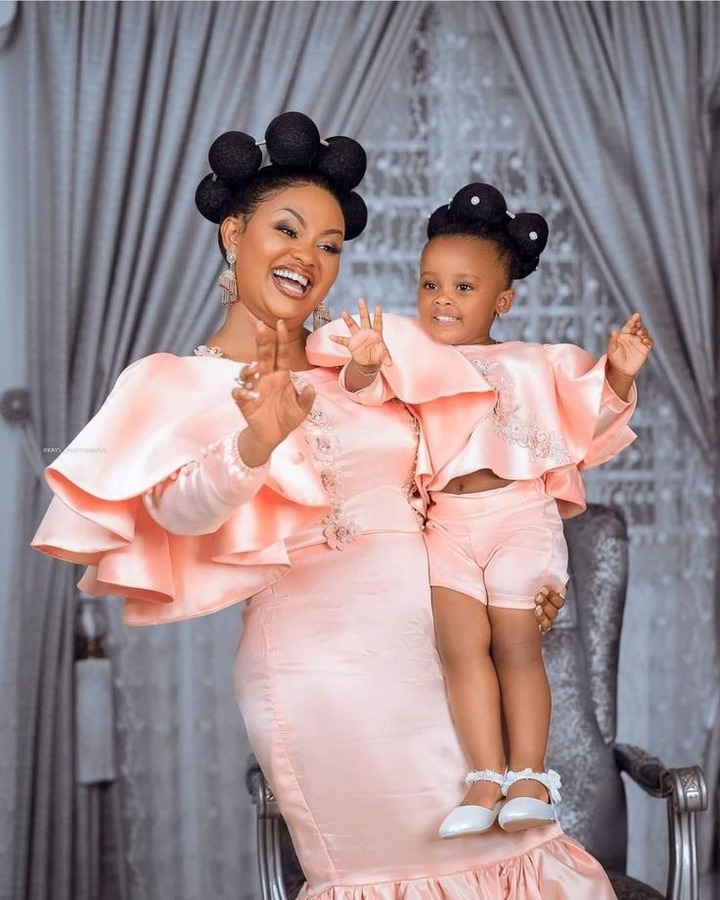
Chic Mom and Daughter Outfit Pairings

0

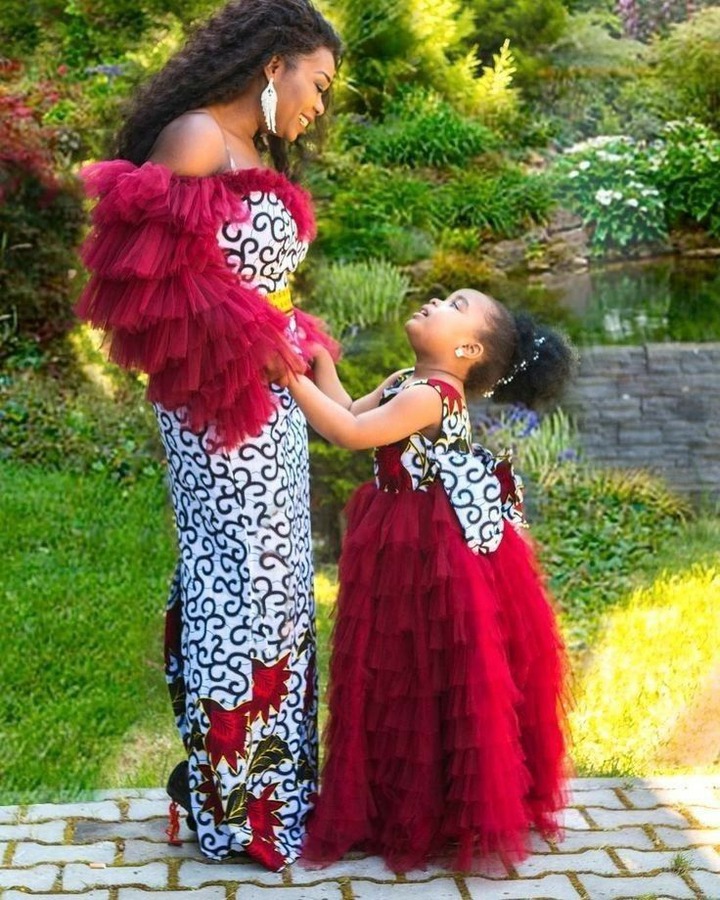
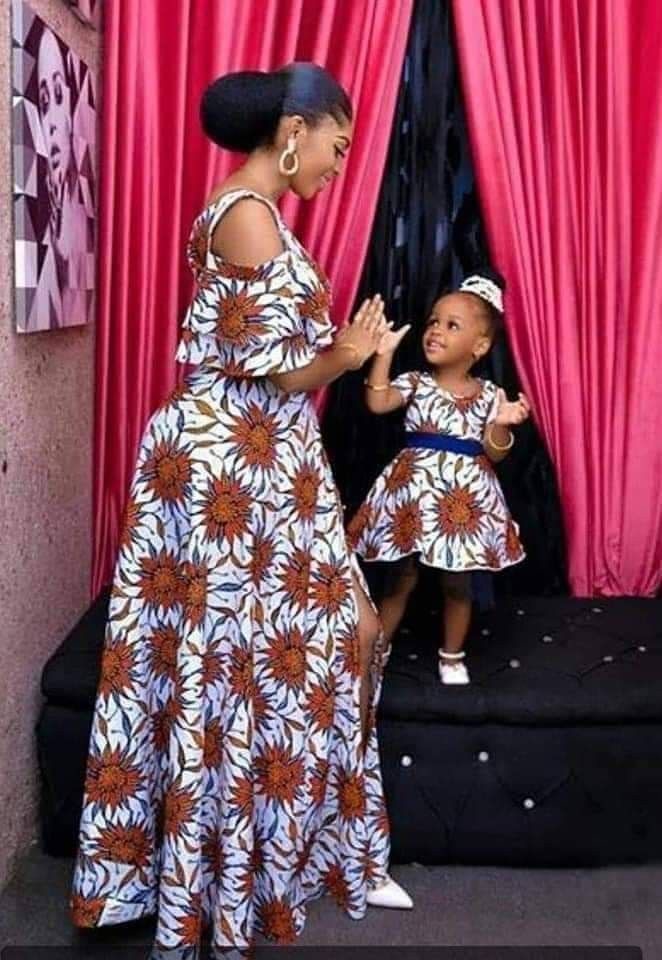
The bond between a mother and daughter is special, and what better way to celebrate that connection than through matching outfits? Matching outfits for moms and daughters have become a popular trend, offering a fun, stylish, and heartwarming way to showcase their close relationship. These coordinated looks not only bring a sense of unity but also create memorable moments that are cherished for years to come.

One of the main reasons matching outfits have gained such popularity is their ability to create a visual connection between mother and daughter. Whether it’s a casual day out, a family gathering, or a special event, wearing coordinated ensembles allows the duo to stand out in a crowd. From matching dresses to coordinated tops and skirts, there are countless ways to pair up styles that reflect both personality and fashion sensibility.

For moms, choosing a matching outfit doesn’t mean sacrificing style. Many designers and brands now offer collections specifically tailored for mothers and daughters, ensuring that both outfits are chic and on-trend. Moms can wear a sophisticated dress or a stylish blouse with pants, while their daughters can rock a cute version of the same design, making the whole look cohesive yet age-appropriate.

Matching outfits also make family photoshoots extra special. The coordinated looks help create beautiful, timeless photographs that capture the essence of the family bond. Whether it’s a casual outing in coordinated tees or a more formal event in matching dresses, these moments become lasting memories.

Moreover, matching outfits foster a sense of belonging and connection. For young children, seeing their mom in a similar outfit builds confidence and a sense of security, as they feel more closely connected to the person they look up to the most.

In conclusion, matching outfits for mom and daughter are more than just a fashion statement—they are a celebration of love, unity, and shared style. Whether it’s for a casual day out or a special occasion, these coordinated looks are a perfect way to highlight the special bond between mothers and daughters.

Man jailed for obstructing immigration officers from performing duty 

0

By Gifty Amofa 

Accra, Oct.15, GNA – The Madina District Court has sentenced a 30-year-old man to 24 months imprisonment in hard labour for obstructing immigration officers from performing their official duty. 

Jacob Sunday, a Nigerian, was also arraigned for engaging in romance scam as well as failing to register with Immigration upon arrival in Ghana. 

He admitted obstructing immigration officers in the execution of duty, engaging in prohibited activity (cyber fraud, Yahoo-Yahoo or romance scam), and failure to register as a foreign national in Ghana with the nearest Immigration office for over three months. 

He was, thus, convicted on his own plea. 

Sunday is to be deported to his home country after serving his Jail term. 

Inspector of Immigration, Jerry Foster Segbefia, told the Court, presided over by Madam Susanna Nyarkotey, that Sunday was arrested at Kasoa Ofankor by a team of Immigration Officers from the Kasoa Command on August 28, 2025 for obstructing justice. 

That happened when the Immigration officers went on their normal routine inspection of residence and workplaces of foreigners.  

He was subsequently referred to the National Enforcement Department at the Immigration Headquarters for further investigations. 

Inspector Segbefia said Investigations revealed that Sunday was a Nigerian with passport number A11819472. 

Prosecution said he came into Ghana sometime in 2021 through unauthorised border crossing point around the Aflao Border post and had since failed to register as a foreign national with the Ghana Immigration Service (GIS).  

On August 28, 2025, a team of Immigration Officers embarked on their routine inspection at Kasoa Ofankor and visited the house, which was occupied by Sunday.  

Upon their arrival, the convict challenged the authority of the officers and physically attempted to prevent them from inspecting his residence permit by wielding a cutlass. He was overpowered and arrested.  

Further investigations revealed that he lured two Nigerian victims; Audu Omoh and Audu Ojor to Ghana.  

Inspector Segbefia said the convict trained the victims into attracting clients online, also known as romance scam, and when they obtained the proceeds, Sunday took the money.  

The prosecution said Sunday admitted in his cautioned statement  that he engaged in cyber related crimes.  

After thorough investigations, he was charged with the offences and put before the Court.  

Before sentence, the prosecution prayed the court to give a custodial sentence to the convict to serve as a deterrent. 

Inspector Segbefia said the court and public owed it a responsibility to ensure society was safe for everyone to go about their duties without fear and intimidation. 

GNA 

Edited by Agnes Boye-Doe 

Why NIA has set up a help desk for prospective national service personnel

0

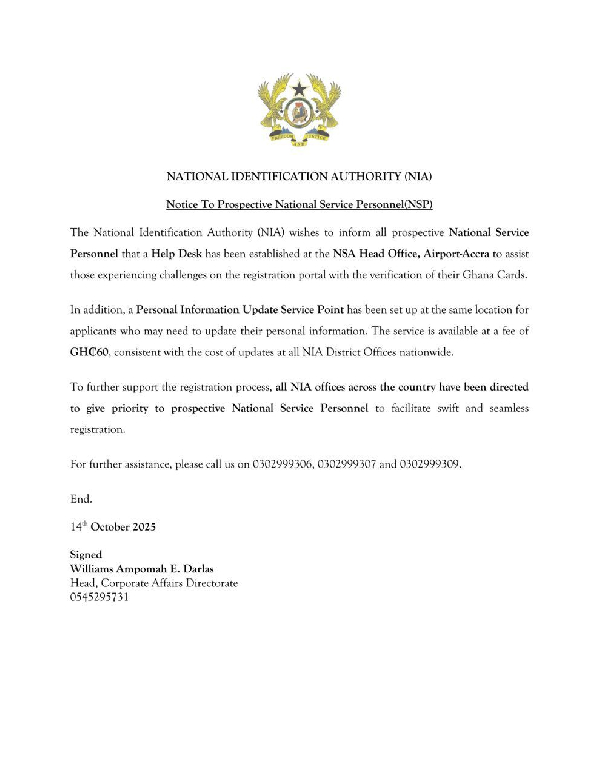
The National Identification Authority (NIA) has set up a Help Desk at its Head Office in Accra to assist prospective National Service Personnel who face challenges with the registration portal or verification of their Ghana Cards.

The initiative is aimed at ensuring a smoother and more efficient registration process for applicants.

National Service: 7 key things prospective service personnel must know

In a statement dated October 15, 2025, Williams Ampomah E Darlas, Head of the Corporate Affairs Directorate at the NIA, said,“The National Identification Authority (NIA) wishes to inform all prospective National Service Personnel that a Help Desk has been established at the NIA Head Office, Airport City, Accra to assist those experiencing challenges on the registration portal with the verification of their Ghana Cards.”

All 12,000 NSS personnel registered in June must re-register – Acting NSA Director-General

To further support applicants, a Personal Information Update Service Point has been established at the same location for those who need to update their personal information.

This service ensures that all personal details are accurate and up to date before registration.

“To further support the registration process, all NIA offices across the country have been directed to give priority to prospective National Service Personnel to facilitate swift and seamless registration’, the statement added.

Read the full statement below :

JKB/AM

‘Don’t die or suffer alone, mention names’ – Solomon Owusu tells Gifty Oware and Osei Assibey

TWI NEWS

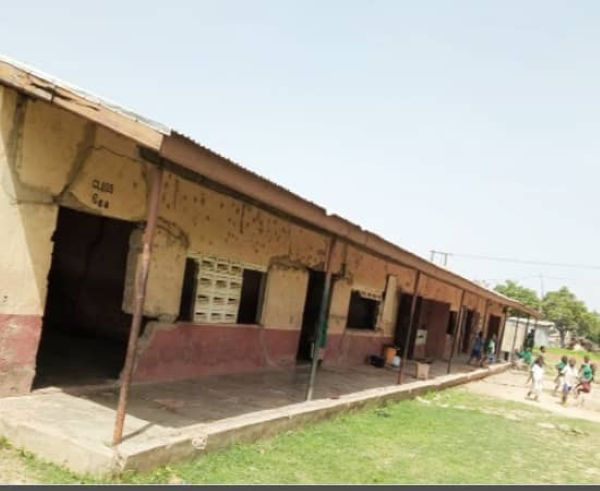
Yonso schools cry for help as lack of toilet facility affects attendance, raises health concerns

0

The lack of basic sanitation, according to the school is affecting academic performance The lack of basic sanitation, according to the school is affecting academic performance

The head teachers of Yonso M/A Primary School and Yonso Islamic Primary School in the Mampong Municipality of the Ashanti Region have issued a desperate appeal to the Mampong Municipal Assembly for the construction of toilet facilities in their schools.

The lack of basic sanitation, according to them, is affecting academic performance and poses a serious health threat to both pupils and staff.

Zeid Majidu, head teacher of Yonso M/A Primary School and Jephthah Owusu Mensah of Yonso Islamic Primary School made the appeal during a short ceremony on Monday, October 13, 2025.

The occasion was to receive a donation of football jerseys worth GH¢5,000 from Elder Emmanuel Osei Tawiah, CEO of the Omene Bour Nana Fun Club.

The donation was presented on his behalf by Kwame Agyenim Boateng.

Speaking at the event, Zeid Majidu lamented the absence of toilet facilities at the schools, stating that many pupils take advantage of the situation to skip classes under the pretext of going home to relieve themselves.

“The children and teachers are struggling with accessing a toilet facility here, and most of the children take advantage of it, go home, and never return,” he said.

He further revealed that the lack of proper sanitation has led to widespread open defecation on the school compound.

“Human faeces are scattered all over the place and I am afraid of a cholera outbreak. A situation if not immediately solved can be disastrous,” he added, appealing for urgent intervention from the municipal authorities.

The head teacher of Yonso Islamic Primary School, Jephthah Owusu Mensah, echoed similar concerns and appealed for additional support from the Assembly.

He requested teaching and learning materials such as multi-based blocks, abacuses, a television set for digital learning, and a lawn mower to help maintain the school compound.

He also called for the fencing of the school to prevent encroachment and keep students from leaving during lessons.

“We need the school to be fenced to prevent encroachers and children running away from classes. We also need a proper kitchen to prepare meals for the children,” Owusu Mensah emphasized.

Both head teachers also appealed to the Member of Parliament for Mampong, Hon. Kwaku Ampratwum-Sarpong, to assist in constructing new classroom blocks to replace the old and dilapidated structures currently in use.

They believe that such support would enhance the quality of teaching and learning and provide a safer environment for both pupils and teachers.

In response, Kwame Agyenim Boateng, who presented the jerseys on behalf of Elder Emmanuel Osei Tawiah, reaffirmed the Fun Club’s commitment to supporting education and sports in the Yonso community.

He called on other well-meaning individuals and institutions to contribute towards improving the conditions in the schools.

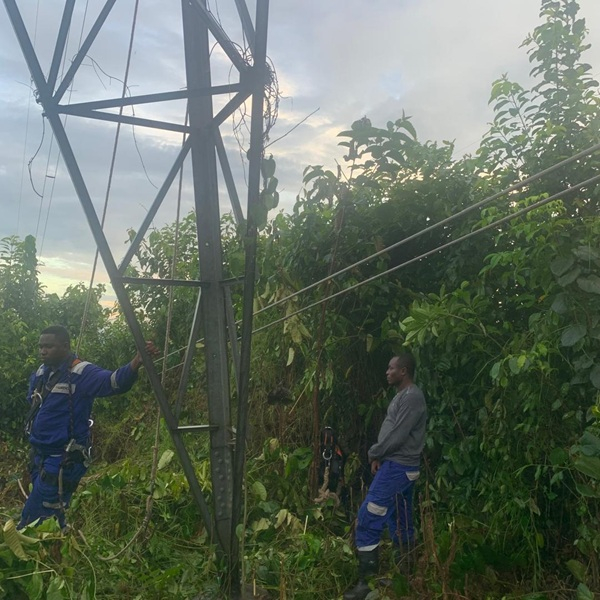
161KV Aboadze–Tarkwa transmission line damage; repair works ongoing

0

Ministry of Energy says that GRIDCo 161kV Aboadze–Tarkwa transmission line has  been damaged Ministry of Energy says that GRIDCo 161kV Aboadze–Tarkwa transmission line has been damaged

The Ministry of Energy and Green Transition wishes to inform the public that Ghana Grid Company Ltd.’s (GRIDCo) 161kV Aboadze–Tarkwa transmission line has been damaged.

The maintenance team has been swiftly deployed and is currently at the location, working diligently to repair the line as quickly as possible.

The analysis also highlights the possibility of power supply disruption in parts of the Western and Ashanti Regions within this short period, precisely Kumasi and Tarkwa.

We wish to assure the general public that every effort is being made to repair the damage and normalise the situation.

The Ministry deeply regrets any inconvenience this may cause and assures the public of our commitment to restoring full service as soon as possible.

Watch as some Ghanaians demand quick prosecutions in ORAL cases

Cristiano Ronaldo sets new scoring record after netting twice for Portugal

0

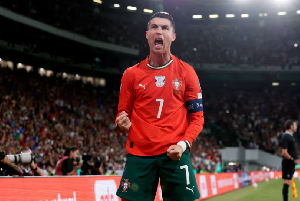
Cristiano Ronaldo has celebrated after scoring his first goal against Hungary Cristiano Ronaldo has celebrated after scoring his first goal against Hungary

Cristiano Ronaldo is no stranger to record-breaking achievements, and the Portuguese striker set yet another mark on Tuesday.

The 40-year-old hit the back of the net twice in Portugal’s 2-2 draw against Hungary to become the top goalscorer in FIFA World Cup qualifying history.

Before Tuesday’s match, Ronaldo had shared the previous record (39 goals) with Guatemala’s Carlos Ruiz, but he is now out on his own at 41.

“It is no secret that representing the National Team means a lot to me, and that’s why I’m very proud to have reached this unique milestone for Portugal,” Ronaldo wrote on social media Wednesday.

“Thank you to everyone who helped me get here. See you in November to seal the qualification for the World Cup!”

Ronaldo broke the record in the 22nd minute against Hungary when he tapped into an empty net from close range after Nelson Semedo produced a brilliant low cross.

The five-time Ballon d’Or winner then extended his record moments before the break, turning in Nuno Mendes’ brilliant cross from close range again.

Ronaldo now boasts 143 international goals for Portugal, extending the men’s international scoring record he broke back in 2021.

However, his two goals on Tuesday weren’t enough to secure a win for his nation, with Magyars midfielder Dominik Szoboszlai equalising in stoppage time in the 91st minute.

It means the Seleção has yet to qualify for next year’s World Cup but is still five points clear of Hungary in Group F of UEFA qualification with two matches left to play.

It will next have the chance to stamp its ticket to the tournament when it plays the Republic of Ireland in Dublin on November 13.

“After the second goal, we slowed down the tempo and they profited,” Portugal left back Mendes told UEFA after Tuesday’s draw.

“We tried to do what we trained for, but we failed. We need to stay focused and, in November, do things correctly.”

England, Ivory Coast, Senegal, South Africa, Saudi Arabia, and Qatar all qualified for next year’s World Cup on Tuesday, with the tournament set to start on June 11.

So far, 28 of the 48 teams have booked their ticket to North America.

Kevin-Prince Boateng’s case blamed for delays in dual-nationals’ commitment to Ghana – Ghana Latest Football News, Live Scores, Results

0

Former GFA Communications Director, Ibrahim Sannie Daara, believes Kevin-Prince Boateng’s short-lived commitment to the Black Stars has had a lasting impact on how foreign-born players approach representing Ghana.

Speaking on Good Evening Ghana on Metro TV, Sannie argued that Boateng’s perceived opportunism created a pattern now evident among several dual-national footballers of Ghanaian descent.

“It is what has led to the growth in the number of players not wanting to commit early, only wanting to commit when the World Cup is here,” he said.

According to Sannie, Boateng’s decision to skip key qualifiers while turning up for glamorous friendlies sent the wrong signal to others.

“He wouldn’t play a qualifier but would appear for a big friendly. It looked too opportunistic for my liking,” he said, adding that this attitude continues to shape how players of Ghanaian heritage view the national team.

Sannie cited ongoing struggles to convince players such as Callum Hudson-Odoi and Eddie Nketiah to commit early, despite persistent efforts by coaches including Kwesi Appiah, Chris Hughton, and Otto Addo.

“These players now wait until the World Cup is near before showing interest. Meanwhile, our officials have been engaging them for years,” he noted.

He urged the GFA to learn from past mistakes and adopt a firmer stance to protect the integrity and long-term stability of the national team, stressing that early commitment must be prioritised over short-term convenience.

Ghana should prioritize AfCFTA over zero-tariff China deal

0

Ranking Member for Parliament's Trade and Industry Committee, Michael Okyere Baafi Ranking Member for Parliament’s Trade and Industry Committee, Michael Okyere Baafi

Correspondence from Eastern Region

The Ranking Member for Parliament’s Trade and Industry Committee, Michael Okyere Baafi, has strongly challenged President John Dramani Mahama’s push for a zero-tariff access agreement with the Chinese market, arguing that Ghana should instead focus on leveraging the Africa Continental Free Trade Agreement (AfCFTA).

Okyere Baafi, who also serves as the Member of Parliament for New Juaben South, asserted that Ghana does not “necessarily need a zero-tariff access to the Chinese market as being trumpeted by President John Dramani Mahama.”

He emphasised that the government must rather take advantage of the AfCFTA, which has been signed by 54 out of 55 African countries.

President Mahama had announced at the 2025 China-Africa summit that Ghana was billed to sign a zero-tariff access agreement with China by the end of October 2025, a move he described as providing a free market for Ghanaian products onto the robust Chinese market.

However, speaking to the media Okyere Baafi, a former Deputy Minister of Trade and Industry under the erstwhile Akufo-Addo government, contended that such a decision is not in the best interest of Africa and could potentially “ruin the gains made for the advancement of African trade.”

He highlighted that prioritizing trading among African nations would foster a more economically independent African continent, a strategy he believes is more beneficial than relying heavily on Western or other external markets, especially considering current global economic circumstances.

In response to President Mahama’s disclosure, Okyere Baafi presented statistics to underscore his concerns about the proposed Chinese deal.

He noted that between 2020 and 2024, China’s exports to Ghana increased by a significant 46%, while Ghana’s exports to China saw a comparatively meager increase of only 11%.

“China rather stands to benefit tremendously under these arrangements in a reciprocal manner,” he stated, suggesting that a zero-tariff agreement could further exacerbate this trade imbalance, disproportionately favoring the Asian economic giant.

The Ranking Member urged the government to capitalize on the existing free markets within the 54 African countries to trade and promote Ghanaian products.

He stressed that this approach would be more beneficial to Ghanaian manufacturers and exporters than entering into agreements that may not offer reciprocal advantages to the nation’s economic growth and development.

Meanwhile, catch the highlights of Sarkodie x Shatta Wale’s epic performance at Rapperholic Homecoming on GhanaWeb TV below:

China needs zero-tariff deal more than Ghana – Prof. Bokpin

0

Economist Professor Godfred Bokpin has argued that China stands to gain more from the zero-tariff trade agreement with Ghana than Ghana itself.

Speaking on JoyNews’ PM Express on October 15, Prof. Bokpin said the deal must be understood primarily from China’s perspective, not Ghana’s.

“China needed this more,” he said. “China wants to reduce its exposure to the US market and diversify. China has been doing this consistently.

“If you look at the expansion in terms of trade openness between China and Africa, you can see China is very strategic. They want to reduce their exposure to the US, and they need markets.”

He noted that even before the agreement, Chinese goods had already flooded the Ghanaian market. “Do you want it to get worse?” he asked. “Even with some level of tariffs, Chinese goods are all over the place.”

Prof. Bokpin criticised the government for failing to properly consult key stakeholders like the Association of Ghana Industries (AGI) and the Ghana National Chamber of Commerce before agreeing to the deal.

“They are the big players, the ones doing the numbers,” he said. “You needed broad-based consultation to understand how they see it.”

He explained that while the agreement may appear mutually beneficial, it largely serves China’s long-term economic strategy.

“This is just an aspect of a bigger picture that China has for Africa,” he said. “Recently, a team of experts from China visited Ghana to identify investable projects—part of a broader agenda.”

Responding to host Evans Mensah’s question about whether Ghana had a choice, Prof. Bokpin said, “We don’t have an option. China is quite powerful as a trading partner and a development partner.

“Given what we have seen in the last 20 years with Paris Club creditors and the rise of non-Paris Club creditors, we don’t have many options.”

He argued that Africa lacks a coherent strategy for global trade engagement.

“Have we sat down to develop a strategy? Does Africa have a strategy to engage the rest of the world?” he asked.

“Having the African Continental Free Trade Area doesn’t mean we are taking advantage of it. It’s like saying that because Africa has more slots in the World Cup, it will win. It depends on how you prepare your players, who are your industrial sector actors and investors.”

Prof. Bokpin pointed to deep structural weaknesses that make Ghana uncompetitive even with tariff protection.

“Our economic orientation is not designed to favour exports. Everything we are doing here is import-driven,” he said.

“Look at our financial system—it supports imports, not production. The portion of private sector credit that goes to agriculture and manufacturing is small compared to what goes to services that fund trade.”

DISCLAIMER: The Views, Comments, Opinions, Contributions and Statements made by Readers and Contributors on this platform do not necessarily represent the views or policy of Multimedia Group Limited.

DISCLAIMER: The Views, Comments, Opinions, Contributions and Statements made by Readers and Contributors on this platform do not necessarily represent the views or policy of Multimedia Group Limited.

Ascend to the highest pinnacle – Asogli State blesses Asiedu Nketia 

0

By Ewoenam Kpodo 

Ho, Oct 15, GNA- Chiefs of Asogli State have blessed Mr Johnson Asiedu Nketia, National Chairman of the National Democratic Congress (NDC), wishing him success and ascension to the highest pinnacle in his endeavours. 

Togbe Adzie Lakle Howusu XII, Awafiaga of Asogli State extended the blessings and good wishes to Mr Nketia for coming to thank them after the party’s 2024 victory, while acknowledging his leadership and dedication to the governing NDC. 

 Mr Nketia visited the Asogli Palace in Ho on Wednesday as part of his “Thank You Tour.”  

“May the gods of our land and the God Almighty above give you the strength, give you good health and protect you so that you succeed in all that you do…  

“We are so grateful that as a mark of tradition, you didn’t come empty handed. You’ve given us something. We’ll hold a libation and let our forefathers know that you are still the Chairman of the great party and that they should protect you. And wherever you want to go, may you ascend to the highest pinnacle.” 

Mr Nketia, on his part, expressed gratitude to the chiefs and people of the area for their electoral support to the NDC, highlighting the achievement of a massive win in the 2024 polls. 

He underscored the significance of face-to-face communication, saying though the President earlier visited Ho, Volta Region’s capital to thank the region’s people, coming again as the party’s Chairman was a reflection on past practices during late former President John Rawling’s tenure. 

“And after thanking you, the other reason I think is that these types of meetings constitute the lifeblood of every organisation. Those who have been in NDC for long, they realise that during President Rawlings’ time, every six months, we deployed all government appointees, ministers and chief executive officers to reach out to all the constituencies in the country to explain government policies, the implementation, where we have reached and then also take feedback of the policies to government. 

“And by so doing, we were always able to carry the public along. For some time now, we’ve missed that opportunity,” Mr Nketia said. 

He advocated for the reinstating of these outreach programmes to maintain a strong connection with the public and assured of his commitment to continue being an active and engaged leader. 

Mr James Gunu, Volta Regional Minister, described Mr Nketia’s visit to Ho and other constituencies as part of his ongoing nationwide thank you tour as apt, saying, the party during the campaign period, called on Volta region and Ghana to labour communally for victory and it was just right to go back as a party to show gratitude.  

He referenced Luke 17:11-19 of the Bible to underline the need to show gratitude and to assure the electorates that the NDC would not wait till election year to come to them canvassing for votes. 

GNA 

Edited by Maxwell Awumah/Lydia Kukua Asamoah 

Minority Caucus slams minister’s handling of AT acquisition, demands transparency, Parliamentary scrutiny 

0

By Elsie Appiah-Osei 

Accra, Oct 15, GNA- The Minority on the Information and Communication Committee of Parliament Wednesday expressed concerns over the Minister of Communication’s alleged handling of the proposed acquisition of AT, formerly AirtelTigo, by Telecel, formerly Vodafone.  

The group described the process as “shrouded in secrecy” and lacking transparency. 

Addressing the Parliamentary Press Corps in Parliament House, Accra, on the “Disposal/Sale/Merger and Consolidation of AT formerly AirtelTigo”  Mr Matthew Nyindam, the Ranking Member on the Information and Communication Committee of Parliament, said, “We are not oblivious of the newfound relationship between the minister and Telecel.” 

“We take notice of the lobbying and alleged private gains this transaction presents to the minister,” he added. 

Owing to that, the Minority Caucus demanded an immediate stop to the current alleged consolidation/acquisition/merger transaction, a comprehensive parliamentary inquiry into the circumstances and terms of the proposed consolidation, and full disclosure of all agreements, correspondence, and reports. 

“We will not sit idly by and allow a single minister to unilaterally dispose of a critical national asset such as AT. 

“The strategic importance of this company to our national infrastructure, digital sovereignty, and economic development cannot be overstated,” he noted. 

The Minority Caucus also expressed concerns about the potential impact on jobs, livelihoods, and the telecom sector, citing the alleged risk of AT’s 300 employees, 200 contract staff, and over 10,000 indirect employees being affected. 

“We stand with the many Ghanaians who believe, and rightly so, that the planned annexation of AT by Telecel will rob them of choice and the much-needed competition within the telecom space,” he said. 

Last week, the Minister for Communication, Digital Technology, and Innovation, Mr Samuel Nartey George, addressed the ongoing discussions about Telecel and AT.  

In his address, the Minister clarified that the arrangement was neither a merger nor an acquisition but rather a restructuring aimed at addressing AT’s accumulated debts and strengthening the sector. While the form may not qualify as a legal merger, in substance, the outcome is similar, as the two companies will operate as one entity in the market.  

At present, MTN holds a commanding 73.87 per cent market share, while AT controls 7.82 per cent and Telecel 18.3 per cent.  

Even when combined, the new entity would account for less than 30 per cent of the market. 

GNA 

Edited by George-Ramsey Benamba 

Akufo-Addo govt made no budget for over 13,000 nurses recruited in 2024 – Akandoh

0

Health Minister Kwabena Mintah Akandoh has clarified the challenges his ministry faced in putting over 13,000 newly recruited nurses and midwives on government payroll, blaming the previous administration for issuing clearance without financial backing.

His comments follow accusations from the Minority in Parliament that the Minister was misleading health professionals about the status of financial clearances and payments.

The Minority claims the previous government had already allocated funds and accused the current administration of failing to extend the clearance in time. They argue that the Minister’s move to seek Cabinet approval is unnecessary and an attempt to cover up delays in addressing the issue.

Speaking in an interview on The Point of View on Channel One TV on Wednesday October 15, the Minister explained that although clearance was issued in 2024 for the recruitment of about 13,500 nurses and midwives, no funds were allocated to pay them.

“The reality is that in 2024, government started to recruit nurses and midwives. So the summary is that they recruited about 13,500 nurses and midwives and issued clearance,” he said.

“Once you issue clearance, you must make financial provision. Clearance is not just a paper… you issue clearance when indeed you can pay when you recruit the people.”

According to Mr. Akandoh, the clearance expired at the end of 2024, but by that time, none of the recruited personnel had been added to the payroll.

“The clearance expired on 31st December 2024. What it means is that before the expiration… you must necessarily have all these 13,500 people on the payroll. As at the end of 31st December 2024, not a single one of the 13,500 people were on the payroll,” he said.

He noted that the newly recruited nurses started work around August 2024 but were not budgeted for, which left the current administration with limited options.

“When we came, there were two options available because there was no allocation for these nurses and midwives. One — let them go home and look for the funding and extend the clearance and then they come and work. Two — you can allow them to work while you look at how you will pay them, because that was not captured as part of our budget,” he explained.

The Health Minister said efforts have since been made to gradually absorb the workers into the payroll in collaboration with the Finance Ministry.

“I have been collaborating with the Minister responsible for Finance, and out of the 13,500, we managed to put about 7,000 of them on the payroll. So half of them were being paid,” he said.

“The reality is that we captured about 10,000 of them on the payroll, but only 7,000 on the payroll were being paid. Some of them have received payments from March thereabout. We were onboarding them gradually.”

Mr. Akandoh added that the situation became more complicated as further financial obligations came to light.

“It got to a time that we realised that there were a lot of things — more than even the 13,500 nurses they had recruited. There were arrears of allowances, there were conditions of services that had been signed and they were not implemented… So it was like the budget was becoming much bigger,” he said.

He explained that the decision was made to return to Cabinet for further financial approval to avoid budget overruns.

“So we realised that if we don’t go back to Cabinet, it will throw the budget off,” the Minister stated.

Read also

‘There was no need for an apology’ – Akandoh on Tamale Teaching Hospital clash

Ghana and China strengthen 65 years of friendship with fresh promises

0

Both leaders met at the sidelines of the Global Leaders’ Meeting on Women, hosted by China.

A key area of focus at the meeting centered on trade tariffs, which China had promised to all African countries months ago.

During the meeting, the Chinese leader noted that this year marks the 65th anniversary of both countries’ diplomatic relations.

He asserted that China continually adheres to the values of sincerity, tangible results, amity, and good faith, as seen on China’s Embassy Website.

President Xi Jinping also noted that China and Ghana will collaborate to improve political mutual trust and provide support for one another on matters pertaining to their shared core interests and key concerns.

In response, the Ghanaian president noted that the meeting was very important and demonstrated how China is leading the world in supporting women’s rights.

President John Mahama lauded China’s significant support and assistance to Ghana through the FOCAC and Belt and Road cooperation, saying that the two countries had friendly and historic relations.

He also commented on China’s zero-tariff initiative to all African countries, of which Ghana’s is set to benefit from this month.

“We have reached an agreement in principle, and we have targeted the end of October to sign onto the zero-tariff principle,” President Mahama stated.

President John Mahama also disclosed that Ghana is keen on advancing bilateral relations with China by enhancing partnerships in the areas of trade, digital economy, infrastructure, energy, mining, and people-to-people interactions.

In August, Tong Deta, China’s ambassador to Ghana, reiterated China’s pledge to provide zero-tariff access to goods from Ghana and fifty-two other partner nations.

His assertions at the time followed the United States’ decision to impose a 15% tariff on imports from Ghana and several other African nations.

“China is still offering zero tariffs to all 53 countries that have diplomatic ties with China. We believe this policy has proven helpful. It benefits both China and Ghana,” Ambassador Tong stated.

“The two government agencies are currently discussing the detailed arrangement. Both governments are accelerating efforts to determine how to implement the zero-tariff policy,” he added.

GRIDCo’s Aboadze–Tarkwa transmission line damaged

0

The Ministry of Energy and Green Transition has announced that the Ghana Grid Company Ltd.’s (GRIDCo) 161kV Aboadze–Tarkwa transmission line has been damaged, potentially disrupting power supply in parts of the country.

In a statement issued on Wednesday, the Ministry said a maintenance team has been swiftly deployed to the affected site and is working around the clock to restore the line and normalise electricity supply.

Preliminary assessments indicate that the incident could lead to temporary power supply disruptions in parts of the Western and Ashanti Regions, particularly in Kumasi and Tarkwa.

“We wish to assure the general public that every effort is being made to repair the damage and normalise the situation.”

It added that the Ministry “deeply regrets any inconvenience caused” and reaffirmed its commitment to restoring full service as quickly as possible.

Judge orders Trump administration to pause shutdown layoffs

0

A judge has temporarily blocked the Trump administration from laying off thousands of federal workers during the government shutdown.

It comes less than a week after the administration confirmed several agencies had begun laying off about 4,000 workers.

US District Judge Susan Illston granted a request by two unions to block layoffs at more than 30 agencies.

During the hearing, Illston said she agreed with the unions that the administration was unlawfully using the lapse in funding, which began on 1 October, to carry out its plans to downsize the federal government.

She also cited a series of public statements by President Donald Trump and the White House’s budget chief, Russell Vought, that she said showed explicit political motivations for the layoffs, such as Trump saying that cuts would target “Democrat agencies.”

A US Justice Department lawyer said that the unions must bring their claims to a federal labour board before going to court.

The Trump administration is expected to appeal against the restraining order.

On Friday, major departments such as Treasury and Health and Human Services (HHS) confirmed they were issuing notices to employees. Homeland Security, where many of its employees are considered essential, said it would lay off workers at its Cybersecurity and Infrastructure Security Agency.

A filing from the Office of Management and Budget revealed more than a quarter of the cuts were to be made at the Treasury Department, where notices were being sent to approximately 1,446 employees.

HHS was notifying between 1,100 and 1,200 employees, the filing said. The department said later, it was only planning to lay off about half that amount.

The Department of Education and the Department of Housing and Urban Development intended to lay off at least 400 employees apiece, while the Departments of Commerce, Energy, Housing and Urban Development and Homeland Security each planned cuts ranging between 176 to 315 employees, according to the filing.

In response to Vought and Trump’s comments about potential firings, two major unions, the American Federation of Government Employees and AFL-CIO, had already filed a lawsuit and then on Friday, asked Judge Illston for an emergency restraining order while the case proceeds.

They argued that implementing layoffs was not an essential service that can be performed during a lapse in government funding.

They also say the shutdown does not justify mass firings because most federal workers have been furloughed without pay.

With the federal shutdown now in its third week, the US Senate again on Wednesday failed to pass a resolution that would reopen the government – the ninth time that resolution fell short.

Republicans, who control both houses of Congress as well as the White House, blame Democrats for the impasse, saying they should agree to pass a “clean” funding resolution that would simply continue current spending levels. Because Republicans hold a slim majority in the chamber, they need a handful of Democratic votes in order to meet the 60-vote threshold to pass the resolution.

Democrats have been fairly unified in holding out for a resolution that addresses health care costs for lower-income Americans that are set to rise soon.

DISCLAIMER: The Views, Comments, Opinions, Contributions and Statements made by Readers and Contributors on this platform do not necessarily represent the views or policy of Multimedia Group Limited.

DISCLAIMER: The Views, Comments, Opinions, Contributions and Statements made by Readers and Contributors on this platform do not necessarily represent the views or policy of Multimedia Group Limited.

Murderer of ‘Jirapa Dubai’ owner sentenced to life imprisonment

0

Elisha Mahama, the main accused person in the murder of Eric Johnson, the owner of the Royal Cosy Hills Hotel, popularly known as Jirapa ‘Dubai’, has been convicted and sentenced to life imprisonment.

The High Court in Wa, presided over by Justice Yussif Assibey, which convicted and sentenced Elisha Mahama, however, acquitted and discharged two other accused persons, Belinda Miller and Kweku Kankumbata.

The owner of the safari resort in Jirapa in the Upper West Region, commonly referred to as ” Jirapa Dubai” was killed in February 2024.

Eric Johnson was stabbed to death.

He had recently built the Royal Cosy Hills Hotel, nicknamed Jirapa Dubai, in the Upper West Region.

It has a 4-km safari park with various kinds of animals including zebras. It has an artificial lake with fishes, aqua activities or games (Jet Ski),

On the night of February 10, 2024, he was attacked and stabbed to death.

Eric Johnson, an entrepreneur decided to build the safari resort in Jirapa to help create employment opportunities in the area and also to help open the area to tourists to help boost the local economy.

Elisha Mahama was a former human resource manager at the hotel and was sacked for allegedly having multiple sexual relationships with more than four female employees of the hotel which resulted in fighting and unhealthy rivalry among the female workers, thereby impeding work at the hotel.

The prosecution told the court that Elisha Mahama entered the private residence of Eric Johnson on the night of February 10, scaling the fortified fenced wall with the aid of a ladder.
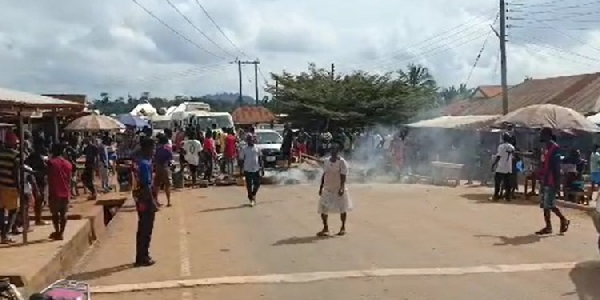
Available phone records to the police indicated that he placed several calls to Belinda Miller whilst at the private residence asking her where he could locate the master key to Mr Johnson’s room.

Elisha Mahama entered Mr Johnson’s room and stabbed him multiple times leaving him naked and in a pool of blood, the prosecution told the court.

The prosecution revealed that he also took an unspecified amount of money from the room and his private Nissan car key, which he used to go out of the crime scene and later abandoned the car at Jirapa Zongo.

The prosecution also told the court that Elisha Mahama on the evening of February 10, left another girlfriend, Laureate Asare in his room with the pretext of going to buy her food.

Sannie Daara regrets championing Kevin-Prince Boateng’s switch to Ghana – Ghana Latest Football News, Live Scores, Results

0

Former Ghana Football Association (GFA) Communications Director, Ibrahim Sannie Daara, has expressed regret over his role in facilitating Kevin-Prince Boateng’s switch from Germany to Ghana ahead of the 2010 World Cup.

The former German youth international scored two goals in 15 appearances for Ghana between 2010 and 2014.

Speaking on Good Evening Ghana on Metro TV on Tuesday, October 14, 2025, Sannie revealed that his efforts, once driven by passion and national pride, have become a source of disappointment.

“I regret it because I did it with all my heart and mind,” he said. “At the time, I believed he was a good player who could strengthen the team, so I exerted some pressure on the FA to make it happen.”

Sannie, who was then a BBC journalist, recalled how Boateng’s commitment quickly came into question, pointing to instances where he skipped crucial qualifying matches but appeared for high-profile friendlies.

“Do you know that Kevin has not played in any AFCON qualifier?” he asked. “We were going to play DR Congo away; he didn’t show up because he claimed he was injured. Three days later, when we were playing England, he turned up saying he wanted to play. The players revolted, and he was sent away.”

The former GFA spokesman said Boateng’s actions reflected an opportunistic approach to national duty, noting that although he scored one of Ghana’s memorable goals at the 2010 World Cup, his contribution to the national team was short-lived. “After one tournament, he disappeared,” Sannie concluded.

Standards must move from compliance obligation to development imperative

0

Ghana Standards Authority (GSA)

Ghana’s economic transformation hinges on something few development conversations adequately address: how systematically the nation integrates quality and safety standards into every production, trade, and service delivery system. The Ghana Standards Authority’s World Standards Day message this week articulates that challenge precisely: standards are not peripheral technical requirements, they’re strategic instruments determining whether Ghana competes or declines in the continental and global marketplace.

Board Chairman Hudu Mogtari positioned it forcefully during GSA’s World Standards Day 2025 celebration on October 14. Standards determine how safe Ghana’s food is, how reliable infrastructure becomes, how competitive exports remain, and how inclusive economic growth can be. That’s not hyperbolic framing. It’s institutional diagnosis of what separates functional modern economies from those struggling to compete.

The urgency connects directly to Ghana’s continental integration. The African Continental Free Trade Area (AfCFTA) creates unprecedented market access for Ghanaian products across 1.3 billion people. But that access means nothing without harmonized quality standards. A cement producer in Accra competing against competitors in Nigeria and Côte d’Ivoire only gains market share if products meet recognized regional standards. A textile exporter accessing West African supply chains only secures contracts if goods comply with specified technical requirements. Those aren’t barriers to trade. They’re foundations enabling it.

What makes this particularly significant is GSA’s emphasis on food safety standards, specifically ISO 22000 certification and aflatoxin regulation in grains and nuts. That sector has opened export opportunities for thousands of Ghana’s farmers and processors. But it’s also created a competitive moat. Ghanaian agricultural exports now carry certification credentials that buyers across Africa and globally recognize. That’s not simply about safety. It’s about market differentiation and value capture. When Ghana’s cocoa, shea butter, or processed grains arrive with validated safety standards, buyers pay premiums. That translates directly to farmer income and rural wealth accumulation.

The infrastructure dimension deserves equal emphasis. When GSA develops and enforces national and international standards for electrical cables, cement, textiles, and countless other products, it’s establishing specifications that manufacturers must meet to access markets. That requirement drives quality culture throughout production systems. Factories invest in better equipment, hire skilled workers, implement process controls, and adopt management systems. Those investments increase productivity and competitiveness simultaneously.

But here’s the structural problem GSA confronts: integrating standards across Ghana’s entire economy requires not just technical authority but ecosystem coordination. GSA issues standards. But manufacturers must choose to adopt them. Traders must demand compliance. Consumers must reward quality. Government procurement must specify standards-compliant inputs. International partnerships must facilitate capacity building. That coordination challenge explains why merely having good standards often produces mediocre outcomes. Implementation requires institutional architecture that GSA alone cannot construct.

GSA has deepened collaborations with the United Nations Industrial Development Organization (UNIDO), the European Union, and local universities to strengthen Ghana’s quality infrastructure. Those partnerships expanded GSA’s laboratory testing capabilities, improved inspection systems, and enhanced certification processes. But the Trade Ministry’s commitment to modernizing GSA laboratory facilities carries deeper significance. It signals government recognition that standards infrastructure requires continuous investment. Laboratory equipment degrades. Testing methodologies evolve. Measurement instruments require calibration. Without sustained funding, GSA’s capacity slowly erodes even with heroic effort.
The youth dimension in GSA’s framing also matters strategically. The 2024/2025 ARSO Essay Competition awards recognized youth and innovation as drivers advancing standards culture. That’s not ceremonial. It’s institutional acknowledgment that lasting standards adoption requires generational change. Younger manufacturers and entrepreneurs who view quality as competitive advantage rather than compliance burden become institutional change agents. When startup founders view ISO certification not as regulatory requirement but business asset, ecosystem mentality shifts.

What’s particularly important about GSA’s positioning of standards as “strategic instruments for national transformation” is how it recasts the conversation. Too often, standards get discussed in compliance language: what manufacturers must do, what inspectors will enforce, what penalties apply. That compliance framing creates adversarial dynamics where businesses view standards as impositions. Strategic framing positions standards as infrastructure enabling value creation. Firms that adopt standards become more competitive, access larger markets, command premium prices, and achieve sustainable profitability.

The export dimension crystallizes the economic logic. When Ghanaian manufacturers produce to recognized international standards, they become immediately eligible for global supply chains that source products meeting specified technical requirements. That’s not theoretical. It’s documented in every sector where Ghana has successfully established standards-compliant production: cocoa processing, pharmaceutical manufacturing, building materials, textiles. The firms that invest in standards compliance scale faster, access export markets, and capture greater value than competitors operating outside formal standards systems.

The challenge Ghana faces now involves moving beyond rhetorical commitment to systematic implementation. That means government procurement actively preferencing standards-compliant suppliers. It means banks offering preferential financing to manufacturers investing in standards compliance. It means educational institutions training the next generation of quality engineers and laboratory technicians. It means consumer education campaigns emphasizing that “Made in Ghana” certification provides quality assurance worth paying for.

Without that ecosystem coordination, GSA’s work remains technically excellent but economically marginal. Alternatively, if Ghana systematically integrates standards throughout its production, trade, and service delivery systems, the economic multiplier becomes substantial. Export competitiveness improves. Domestic consumers gain protection. Manufacturers gain market access. Agricultural productivity improves. Employment expands in quality-intensive sectors.

That’s what GSA is actually arguing: that standards infrastructure is as fundamental to Ghana’s economic transformation as energy infrastructure, digital connectivity, or transportation networks. It’s an argument worth taking seriously because it’s largely true.

Daddy Lumba Family Demands Death Investigation

0

Lumba

The Germany-based wife of late highlife legend Daddy Lumba and his elder sister are pushing for an independent probe into the circumstances surrounding the musician’s death, citing conflicting accounts that have left the family searching for answers.

Akosua Serwah Fosuh and Ernestina Fosuh issued a statement on October 13, 2025, expressing deep concern about three different versions of events leading to the musician’s death on July 26, 2025. The discrepancies have prompted them to reach out to authorities in both Ghana and Germany for help unraveling what really happened.

The family has contacted the German Embassy in Ghana, the Federal Criminal Police Office, and the German Federal Foreign Office, submitting all relevant documents and appealing for transparency in determining the exact cause of death. It’s an unusual step that underscores how troubled they are by the confusion surrounding his final hours.

According to the family’s statement, the conflicting narratives paint very different pictures of what transpired. One eyewitness account claims a woman living with the musician prevented a friend from seeing him shortly before he was reported dead. That version clashes sharply with other reports about where and how the 60-year-old passed away.

A separate police and coroner’s report indicated that the diabetic musician died at Bank Hospital after undergoing an MRI scan at Sunshine Diagnostic Centre. Yet another account emerged from a woman identified in the petition, adding to the family’s frustration and raising questions about what happened during those crucial final moments.

The family isn’t stopping with German authorities. They’ve urged the Ghana Police Service to invite Roman Fada, who managed Daddy Lumba, and Priscilla Ofori, to assist with investigating the cause of death. Priscilla Ofori, known publicly as Odo Broni, lived with the musician for over 15 years and had six children with him.

The family has submitted medical reports, official correspondence, and confirmation from Transition Funeral Home regarding handling of the remains. They’re hoping this documentation will support a thorough investigation that can finally provide clarity.

“We loved him dearly and are devastated by the unclear and conflicting reports surrounding his death,” the family said in their joint statement. They’ve expressed confidence that German and Ghanaian authorities will work together to uncover the truth and bring transparency to what they describe as a painful situation.

This latest development adds another complicated layer to the already contentious aftermath of Daddy Lumba’s death. The family has been embroiled in disputes over funeral arrangements, with legal battles erupting between Akosua Serwaa and the extended family over everything from burial rights to questions about which of the musician’s relationships held legal validity.

Daddy Lumba, born Charles Kwadwo Fosu, was a prolific figure in modern highlife who died suddenly in the early morning hours of July 26, 2025, at The Bank Hospital in Cantonments, Accra. He’d been dealing with health issues for years, including complications from spinal surgery that he’d publicly discussed.

The musician’s death has left Ghana mourning one of its greatest cultural ambassadors, but for his immediate family, the grief is compounded by unanswered questions. They’re now counting on authorities to provide the answers they need to find some peace.

Tamale Teaching Hospital equipped, Ridge security strengthened

0

Health Minister Kwabena Mintah Akandoh says the government has taken concrete steps to address challenges at the Tamale Teaching Hospital and Ridge Hospital following recent incidents involving staff concerns and safety issues.

Speaking on The Point of View on Channel One TV on Wednesday, October 15, the Minister said significant investments have already been made, particularly at the Tamale Teaching Hospital, where doctors had earlier suspended emergency and outpatient services in protest over poor working conditions and an altercation involving him.

“In Tamale, for example, we gave them a number of equipment — more than, if I can remember, GHS2 million worth of medical equipment,” Akandoh said.

He also addressed the situation at the Greater Accra Regional Hospital (Ridge), where similar concerns were raised about safety and working conditions following the ‘attack’ on the hospital’s emergency unit and a nurse.

“Ridge too, we have beefed up the security there. Even Ridge, we have not finished implementing the recommendations, we are still implementing the recommendations,” he added.

The Minister’s comments follow the April 24 presentation of essential medical equipment and supplies to the Tamale Teaching Hospital. The items included ultrasound scanners, defibrillators, ICU monitors, incubators, ventilators, and thousands of face masks, among other critical tools and consumables.

The intervention was part of the Ministry’s broader effort to improve healthcare delivery across the country, particularly in underserved areas. It came amid growing pressure from healthcare workers at the facility, who had raised concerns about the lack of basic resources and what they described as a hostile working environment.

In earlier comments during the equipment presentation, Akandoh acknowledged the tough conditions health workers face and called for unity and efficient use of resources in the sector. He also emphasized that the wellbeing of every Ghanaian must be at the heart of healthcare delivery.

Read also

AT-Telecel merger can’t rival MTN, will weaken competition – Davis Opoku Ansah


Forson and Banga Chart Five-Sector Blueprint for Ghana’s Growth

0

Cassiel Ato Forson
Cassiel Ato Forson

At the International Monetary Fund (IMF) and World Bank Annual Meetings in Washington, DC, Finance Minister Dr. Cassiel Ato Forson secured what amounts to a strategic repositioning of Ghana’s relationship with one of the world’s most influential development institutions. The high-level meeting with World Bank President Ajay Banga on October 14 transcends routine diplomatic engagement, coming at a moment when Ghana’s economic narrative is shifting toward renewed investor confidence.

The two leaders identified education, health, energy, roads, and agriculture as priority sectors for expanded World Bank backing. It’s a carefully calibrated choice that reflects where Ghana’s officials believe multiplier effects will be greatest. But here’s what matters beyond the announcement: the timing locks in World Bank momentum at a critical juncture for Ghana’s broader reform agenda.

Forson traveled to Washington flanked by Bank of Ghana Governor Dr. Johnson Asiama and Ghana’s Ambassador to the United States, Victor Smith. The delegation arrived fresh from a Staff-Level Agreement with the International Monetary Fund during the Fifth Review of the Extended Credit Facility (ECF), a breakthrough that unlocks an additional $385 million in IMF support. Moody’s responded by upgrading Ghana’s sovereign credit outlook, signaling external validation of the government’s fiscal discipline narrative.

What the 3News headline and competitor coverage haven’t emphasized is the interconnection between these moments. Ghana’s fifth bilateral debt restructuring agreement, combined with IMF confidence and now this World Bank repositioning, creates what officials are framing as structural momentum. The World Bank’s support across those five sectors isn’t peripheral to Ghana’s recovery story, it’s foundational. Energy infrastructure improvements support agricultural productivity. Road networks reduce transportation costs for both health services and education delivery. The sectors don’t operate in silos.

Dr. Forson characterized the Banga meeting as “productive” and emphasized that discussions centered on “both ongoing World Bank-supported projects and new initiatives that will further accelerate Ghana’s growth and transformation.” That distinction matters. Existing projects represent proven pathways with institutional learning. New initiatives signal World Bank appetite for expanded involvement in Ghana’s development blueprint. The finance minister stated clearly that these five sectors sit at the core of Ghana’s medium to long-term development vision and will form the foundation of future World Bank collaboration.

“Together, we are committed to forging stronger partnerships that will deliver tangible benefits for our people and accelerate Ghana’s journey toward inclusive and sustainable development,” he affirmed. That language about “inclusive” development carries weight in Ghana’s context, where development gains have historically concentrated in urban centers and among certain populations.

The broader Washington meetings run through October 18, creating additional opportunities for the delegation to deepen partnerships with multilateral institutions and attract investment. Ghana’s been careful to position itself as a reform story that’s gained traction. Both the IMF and World Bank issued separate public statements commending Ghana’s economic management team for demonstrating what they called prudent fiscal stewardship and coherent policy frameworks restoring investor confidence.

For Ghana’s development infrastructure, this World Bank recalibration represents more than ceremonial partnership deepening. It’s a signal that as Ghana navigates its debt sustainability journey, international institutions see traction in the reform narrative. The five sectors targeted by Forson and Banga don’t solve Ghana’s development challenges, but coordinated investment across education, health, energy, roads, and agriculture creates conditions where Ghana’s own domestic resources can generate compound effects. That’s the strategic advantage this partnership aims to unlock.

Ghana’s Rice Import Grows Despite Decades of Gov’t Interventions

0

Img Wa
Img Wa

Ghana’s decades-long struggle to reduce rice importation continues despite multiple government interventions dating back to the 1960s, a new report by the Institute for Fiscal Studies has revealed.

The report, titled “Increasing Importation of Rice in Ghana: Can the Country Transform Its Fortunes in the Rice Sector,” finds that successive governments’ strategies to curb rice imports have failed to address the fundamental challenges facing the local rice industry.

Dr Said Boakye, Senior Research Fellow, IFS, indicated that although Ghana has implemented numerous agricultural programmes — from Nkrumah’s Seven-Year Development Plan to Kufuor’s National Rice Development Strategy (2008–2018) — the country remains heavily dependent on imported rice to meet growing domestic demand.

Data from the Ministry of Food and Agriculture (MoFA) indicate that annual per-capita rice consumption has jumped from 12.4 kilograms in 1980 to 61.05 kilograms by 2022, driven largely by rising urban demand. However, domestic production has not kept pace, forcing the country to rely on imports to fill the gap.

Historically, governments have recognized the problem. As far back as the 1960s, the Nkrumah administration warned that rice imports had become “a major factor in the worsening balance of payments situation.”

The Supreme Military Council (SMC) government in the 1970s also lamented that, despite achieving an average annual growth rate of 9.8% in rice production between 1970 and 1974, rice imports still averaged 12 million tonnes annually to meet growing demand.

By 2006, Ghana’s rice self-sufficiency ratio had dropped from 38% in 1999 to just 24%, according to the National Rice Development Strategy under President John Agyekum Kufuor.

The new report concludes that government approaches have largely been reactive, fragmented, and poorly targeted. Before 2008, Ghana had no dedicated national plan for rice production, relying instead on scattered donor-funded agricultural projects. Even after 2008, strategic implementation and coordination have remained weak.

Among the key challenges identified were:
• Low productivity;
• Scarcity of irrigation facilities, leaving farmers dependent on rainfall;
• Poor seed quality and limited fertilizer use compared with leading producers like Thailand and Vietnam;
• Limited access to credit and markets for local farmers; and
• Traditional land tenure systems, which hinder large-scale commercial rice farming.

The study further compares Ghana’s rice sector with those of Thailand and Vietnam—currently the world’s second and third-largest rice exporters. It notes that while both Asian countries invested heavily in irrigation, seed research, and farmer support systems from the 1960s, Ghana’s policies lacked sustained commitment and strategic focus.

Researchers behind the study are calling for a complete policy reset focused on productivity, irrigation, seed improvement, and value chain development to reduce import dependency.

“The failure of Ghana’s rice policy over the decades reflects a fundamental disconnect between government strategy and the realities of production,” the report concludes. “Without addressing these structural issues, the country will continue to import rice at alarming levels.”

‘There was no need for an apology’

0

Health Minister Kwabena Mintah Akandoh says an apology was unnecessary in the incident that occurred at the Tamale Teaching Hospital in April, insisting that he was the one disrespected, not the other way round.

Doctors at the Tamale Teaching Hospital suspended services following what they described as “unwarranted attacks” by the Minister and Tamale North MP Alhassan Suhuyini during a visit to the hospital’s Accident and Emergency Unit on April 22.

The doctors demanded unconditional apologies to Dr. Valentine Akwulpwa and staff at the hospital, in addition to a list of urgent medical supplies and infrastructure improvements.

Speaking to the criticisms from the Doctors’ Association of Tamale Teaching Hospital (DATTH) in an interview on Channel One TV’s The Point of View on Wednesday, October 15, the Minister said he was surprised that anyone believed he owed an apology.

“There was no need for an apology,” he said. “I was actually surprised about what could cause anybody to be angry, because if anything at all, I thought that the leadership there would have also been worried about the way and manner the medical doctor spoke to his minister.”

Akandoh stressed that it was not a personal issue but a matter of principle.

“It is not Kwabena Mintah in person I am talking about, but whether you like it or not, at that point you had met your minister. Respect is supposed to be reciprocal,” he said.

The Minister added that, in his view, the doctor involved in the exchange had shown disrespect.

“I was actually taken aback as to why anybody will think that it is the minister rather who should apologise when, in the clear view of everybody, it is rather the medical doctor who had disrespected the minister.”

According to Akandoh, the matter was later discussed with the Ghana Medical Association (GMA), where concerns were raised about logistics and equipment at the hospital.

“So the Ghana Medical Association came, we sat down, I explained it to them and they said they needed some equipment. So we mobilised and gave it to them and let bygones be bygones,” he said.

Read also

AT-Telecel merger can’t rival MTN, will weaken competition – Davis Opoku Ansah

Handwashing is a development investment, not just a health habit – Minister 

0

By Edward Dankwah  

Accra, Oct. 15, GNA – Mr Ahmed Ibrahim, the Minister for Local Government, Chieftaincy and Religious, has called on all persons to see handwashing not just as a health measure, but as a critical investment in national development, social equity, and moral responsibility. 

He said handwashing went beyond preventing disease but a foundation to build a resilient, productive, and inclusive society. 

The Minister was speaking at the 2025 commemoration of Global Handwashing Day, organised by the Ministry, in collaboration with the Ministry of Works, Housing and Water Resources. 

The event, which also saw the reading and signing of the National Handwashing Hero Pledge, was on the global theme: “Be a Handwashing Hero.” 

Mr Ibrahim said when a market woman provided soap at her stall, or a child reminded peers to wash their hands before eating, they were not performing small tasks, but heroic acts that save lives and uphold community health. 

According to the World Health Organization, handwashing with soap at critical times before eating, after using the toilet, and after handling waste could reduce diarrhoeal diseases by up to 47 per cent and respiratory infections by around 23 per cent. 

Mr Ibrahim said hand hygiene had far-reaching implications beyond health, contributing directly to the Sustainable Development Goals, particularly those related to health, education, water and sanitation, and climate resilience. 

He highlighted the growing role of the media, school health clubs, nurses, teachers, and environmental health officers as hygiene champions in communities. 

The Minister stressed that local governments continued to face financial constraints that limited the sustainability of hygiene initiatives, and that the Ministry was advocating for dedicated financing mechanisms for hygiene promotion. 

“Our 261 local assemblies are on the frontlines of sanitation and hygiene. When they act boldly, installing handwashing facilities in markets, enforcing hygiene bylaws, and educating the public, they become the real heroes of public health,” he noted. 

Mr Ibrahim directed all Metropolitan, Municipal, and District Assemblies to ensure that every market stall and food vendor had a visible handwashing station, calling on schools to make hand hygiene part of daily routines and school health programmes. 

He encouraged investment in water-efficient and solar-powered handwashing devices suitable for rural and peri-urban communities, noting that those solutions were vital for building long-term resilience. 

He called on all sectors of society to treat handwashing not as an occasional campaign, but as a continuous civic and developmental responsibility. 

Mr Harold Esseku, Development Partner Lead, World Bank, said in 2020, when COVID-19 struck, Ghana was one of the few countries worldwide, which had comprehensive policies in different areas dealing with handwashing. 

“So, when it comes to the WASH sector, the policies were there, with education; it was a requirement when putting up a school, in the health facilities; the measure had been in place to make sure that they had adequate hand washing facilities,” he added. 

Mr Esseku said building on those foundations, and with the recent elevation of hygiene issues to national prominence, he was confident that the momentum would take Ghana to the next level, adding that the impact of handwashing on public health was significant and far-reaching. 

“As development partners, we want to assure the Government of Ghana of our continued commitment. In every engagement within the water, sanitation, and hygiene space, we will ensure that handwashing remains an integral and non-negotiable component,” he stressed. 

GNA 

Edited by Lydia Kukua Asamoah 

Ghana Export Concentration Raises Economic Vulnerability Concerns

0

Exports
Exports

Ghana’s export landscape is becoming increasingly concentrated in the hands of a few trading partners, raising concerns about the country’s vulnerability to external economic shocks as traditional industrial markets continue to shrink their share of the nation’s total exports.

Recent trade data reveals a troubling pattern: Ghana’s exports are heavily concentrated among just a handful of countries, with Switzerland, China, and the United States dominating the picture. This concentration has intensified over recent years, even as the country’s overall export performance remains dependent on just three commodities that account for more than 70 percent of total export revenue.

In 2023, approximately 78.4 percent of Ghana’s total foreign trade involved just 10 major partners, including China, Switzerland, the United States, India, the Netherlands, Italy, United Kingdom, Brazil, Belgium, and Turkey. That figure represents a significant increase from 68.6 percent in 2017, showing how Ghana’s trade relationships have become more concentrated rather than more diversified over time.

The numbers tell a stark story about dependence. Switzerland alone captured 25 percent of Ghana’s exports in 2023, primarily gold and cocoa, while China took 13.3 percent and the United States 12.7 percent. India accounted for 9.6 percent, and Italy 5.5 percent. Meanwhile, traditional European partners like France, Germany, and the United Kingdom have seen their shares steadily decline, often falling below 2 percent in recent quarters.

The Netherlands, which once commanded over 12 percent of Ghana’s total exports in single quarters back in 2017, has seen its share fluctuate dramatically in recent years. While the country occasionally experiences sharp spikes in taking Ghanaian goods, particularly cocoa and shea products, its overall trajectory shows the kind of volatility that makes export planning difficult and revenue forecasting uncertain.

What’s particularly concerning is how heavily Ghana leans on just three export products. Gold, crude oil, and cocoa beans contributed approximately 71.7 percent of the country’s annual total export revenue in 2023, down slightly from 75.6 percent in 2017 but still representing an alarming lack of diversification. When your entire export economy rises or falls based on global commodity prices for three products, you’re exposing yourself to significant risk.

The structural challenge goes deeper than just commodity dependence. Ghana’s major exports are primarily goods extracted from its lands or grown there, which means the country often sells raw materials with minimal processing. That approach generates less revenue per unit than manufactured goods would, and it keeps Ghana trapped in the lower value segments of global supply chains.

Between 2015 and 2018, Ghana’s exports to major industrial economies were generally growing. The United States consistently captured significant shares, sometimes accounting for more than 7 percent of total exports at a time when the Netherlands was also performing strongly. Countries like France, Germany, Italy, Japan, and the UK maintained smaller but respectable shares during this period.

After 2018, the picture changed considerably. France, Germany, Japan, and the UK began posting steadily declining shares. Even the dominant players like the Netherlands and the United States started showing dramatic quarterly swings, highlighting just how sensitive Ghana’s export performance is to shifts in the global economy. Seasonal patterns became more pronounced, with the second quarter often showing smaller shares while the fourth quarter typically posted rebounds, likely reflecting end of year demand cycles in industrial countries.

In the most recent period covering 2023 through early 2025, Ghana’s exports have become even more concentrated and volatile. France, Germany, Italy, Japan, and the UK now frequently take less than 2 percent each of total exports in many quarters. The weight of maintaining Ghana’s export revenues has fallen increasingly on the Netherlands and the United States, with occasional contributions from Switzerland and Asian markets.

The risk inherent in this concentration is obvious. When you’re relying so heavily on a few countries for export revenue, any economic slowdown, trade disruption, policy change, or shift in demand from those key markets can devastate your economy. If Switzerland’s gold demand softens, or if China reduces its crude oil imports, or if the United States cuts back on cocoa purchases, Ghana feels the impact immediately and severely.

The country’s import structure offers an interesting contrast. Ghana doesn’t show a strong dependence on any specific set of imported goods, suggesting a diverse consumption pattern. However, that diversity in imports actually signals something problematic: the low level of diversification in the local economy forces Ghana to purchase most products from outside to satisfy domestic demand.

Looking at China’s role specifically, the Asian giant dominated Ghana’s imports with a 50.4 percent share in 2023, up dramatically from 36.4 percent in 2017. The Netherlands followed with 7.3 percent, and India with 5.4 percent. So while Ghana struggles to diversify where it sells, it’s becoming increasingly dependent on China for what it buys, creating another layer of vulnerability.

From 2017 to 2023, the share of nonmonetary gold and cocoa beans among Ghana’s major export positions declined by 19.9 percent and 41.6 percent respectively, while crude oil’s share surged by 49.6 percent. That shift toward oil dependence came just as global energy markets were experiencing unprecedented volatility, adding another dimension of risk to Ghana’s export portfolio.

The overall picture is one of declining diversification and rising exposure to risk. While early 2025 saw some rebounds in exports to the Netherlands, the United States, and France, the broader trend points clearly toward greater concentration and therefore greater vulnerability. For an economy trying to achieve sustainable growth and financial stability, this represents a fundamental strategic challenge that requires urgent attention.

Ghana needs a sharper focus on market strategy, export diversification, and economic resilience. The country should be actively pursuing new trading partnerships, developing value-added industries that process raw materials locally before export, and reducing dependence on commodity price fluctuations. Without these changes, Ghana remains dangerously exposed to global economic shocks that could undermine years of development progress.

The trade concentration data serves as a wake-up call. Building a more resilient economy means spreading risk across more markets, adding value to exports through local processing, and developing new industries that can compete in global markets. It’s a long-term project that requires sustained policy focus, strategic investment, and a willingness to move beyond the comfort zone of traditional commodity exports.

3.4m Ghanaians involved in Cryptocurrency transactions

0

Vice President for Innovation and Technology at IMANI Africa, Selorm Branttie, has revealed that an estimated 3.4 million Ghanaians—representing about 17% of the adult population—are currently engaged in cryptocurrency trading or transactions.

Speaking at the MoMo Fintech Stakeholder Forum on Wednesday, October 15, Mr. Branttie described the surge in crypto activity as both a sign of technological adoption and a potential challenge to the country’s financial ecosystem.

“There are 3.4 million Ghanaians who are doing crypto. We’re talking about 17% of adults running crypto or trading in crypto, or doing crypto transactions. 17% of adults now is just the beginning, because we’re talking about a population pyramid, where most young people are being introduced to run this system,” he said, adding that the figure is only the beginning, given Ghana’s youthful population.

He noted that most young people are already embedded in the Mobile Money ecosystem and rarely use traditional banking platforms.
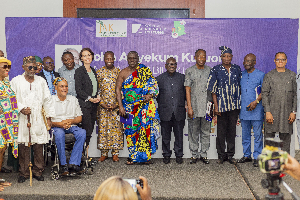
This shift, he warned, has created an unregulated crypto market estimated to be worth about GH¢3 billion annually.

According to Mr. Branttie, the lack of regulation means Ghana may be losing significant potential revenue that could otherwise support fintech innovation and financial sector development.

“Most of these young people from the get-go are already embedded in the Mobile Money ecosystem and would not usually use the traditional banking platforms as we know them. What that means is that you have an annual GHC3 billion market opportunity that is being lost to that crypto sector or that sector because it’s unregulated.

He added, “That means that the amount of revenue that could have gone towards some of the new innovations the Fintech could have had is being lost or is not being tracked well. As the years go by, these numbers will increase.”

….

Explore the world of impactful news with CitiNewsroom on WhatsApp!

Click on the link to join the Citi Newsroom channel for curated, meaningful stories tailored just for YOU:
https://whatsapp.com/channel/0029VaCYzPRAYlUPudDDe53x

No spam, just the stories that truly matter! #StayInformed #CitiNewsroom #CNRDigital

‘I don’t fear the so-called establishment’ – Bryan Acheampong

0

New Patriotic Party (NPP) presidential hopeful, Dr. Bryan Acheampong, says he is not concerned about any perceived influence of a party “establishment” in the upcoming NPP presidential primaries.

Addressing journalists on Wednesday, October 15, Dr. Acheampong stressed that it is the party’s delegates – not a select group of leaders – who will ultimately decide the outcome.

“I have no fears at all about any so-called establishment. And there’s really no establishment in this,” he said. “It is the establishment that is going to vote – the entire party architecture, the delegates, and the workers of the party.”

He explained that while national executives may be seen as influential, they make up only a tiny fraction of the estimated 250,000 delegates expected to vote.

“National executives themselves are 17 out of 250,000,” he noted. “Constituency executives, who are about 5,000 people, are only a small part of the whole. One person may have most of them, but that does not determine the final outcome.”

Dr. Acheampong, who is also a Member of Parliament, said he understands the inner workings of the party and is confident that influence from any group will not sway the will of the broader delegate base.

“I’ve been around this party for a long time. I know the influence of these people on the delegates. I’m hoping it’s going to be free and fair,” he added. “I’m running a solid campaign, and I know that nothing – except the delegates – can influence their way.”

The NPP will elect its next presidential candidate on January 31, 2026.

Read also

Galamsey: Bryan Acheampong calls for 90-day ban on all mining in Ghana